





 Portuguese
  English
  Spanish
  3 min of reading
  1 comment


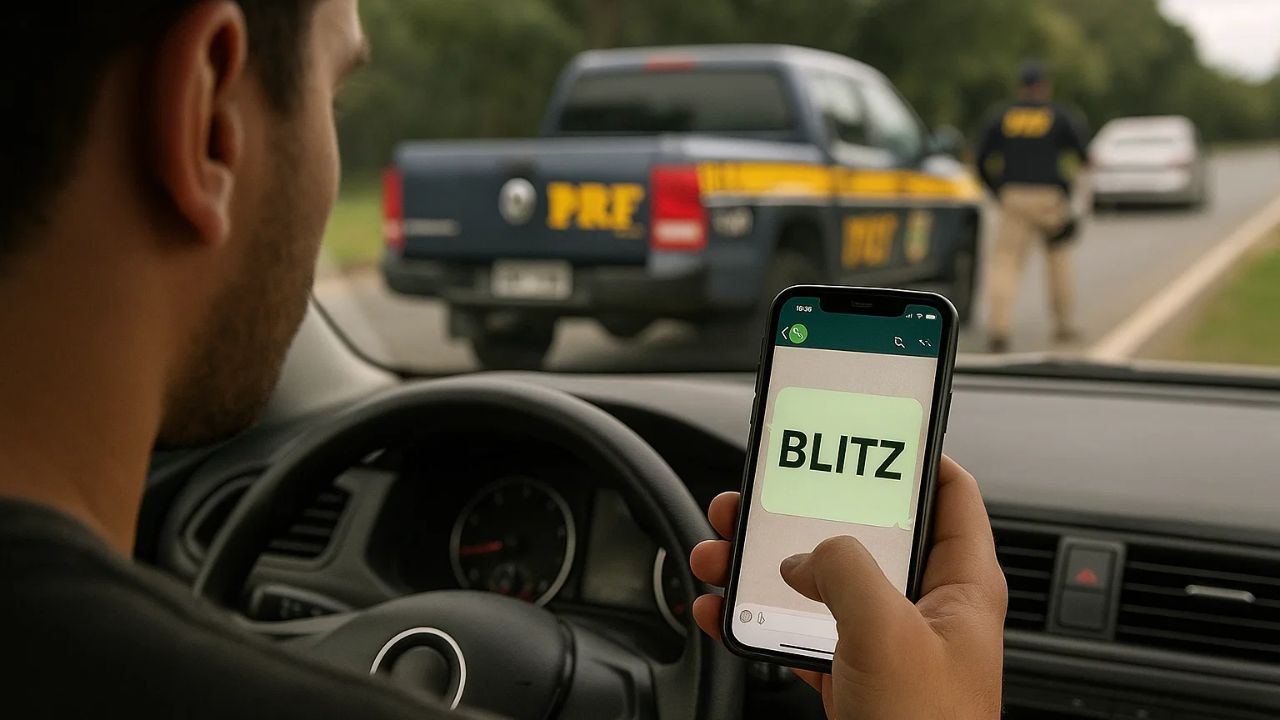


Bill By Deputy Sergeant Portugal Seeks to Prevent Citizens and Public Servants from Sharing the Location of Police Checkpoints and Operations on Apps and Social Media, Protecting Agents and Increasing the Effectiveness of Inspections.
A new Bill (PL 3144/2025) presented by Deputy Sergeant Portugal (PODE/RJ) proposes to curb the real-time sharing of police checkpoint and operation locations on social media, navigation apps, and other digital means.
The proposal, which affects both citizens and public servants, aims to protect security agents, reduce risks, and make inspections more effective.
According to the parliamentarian, the advance disclosure of operations has become common and puts both security professionals and the public at risk, as well as compromising the objective of inspections, which is to curb crimes and traffic violations.
-
A bill could eliminate councilors in small towns in Brazil and replace fixed salaries with session allowances in municipalities with up to 30,000 inhabitants.

-
As the use of slimming pens grows in Brazil, a silent question arises among taxpayers in the 2026 income tax: why can’t these expenses be deducted and what specific detail could completely transform this rule into an isolated case?
-
He missed work to take care of his sick child, was fired for just cause, and ended up turning the tables in court with a decision that surprises companies.

-
STJ confirms that child support must be proportional to the father’s actual income and not to the mother’s standard of living — the decision reinforces balance in family obligations and prevents abuses in requests for increases.

“Checkpoints are planned to ensure that laws are followed and that illegal items like weapons, drugs, and stolen vehicles are identified. Disclosing them before the actions represents a risk for everyone,” explains Sergeant Portugal.
What Changes with PL 3144/2025?
The bill states that no one will be able to disclose the location of police operations, including members of public agencies and ordinary citizens.
Additionally, navigation app companies and internet service providers will be required to remove functions that enable the real-time sharing of this information.
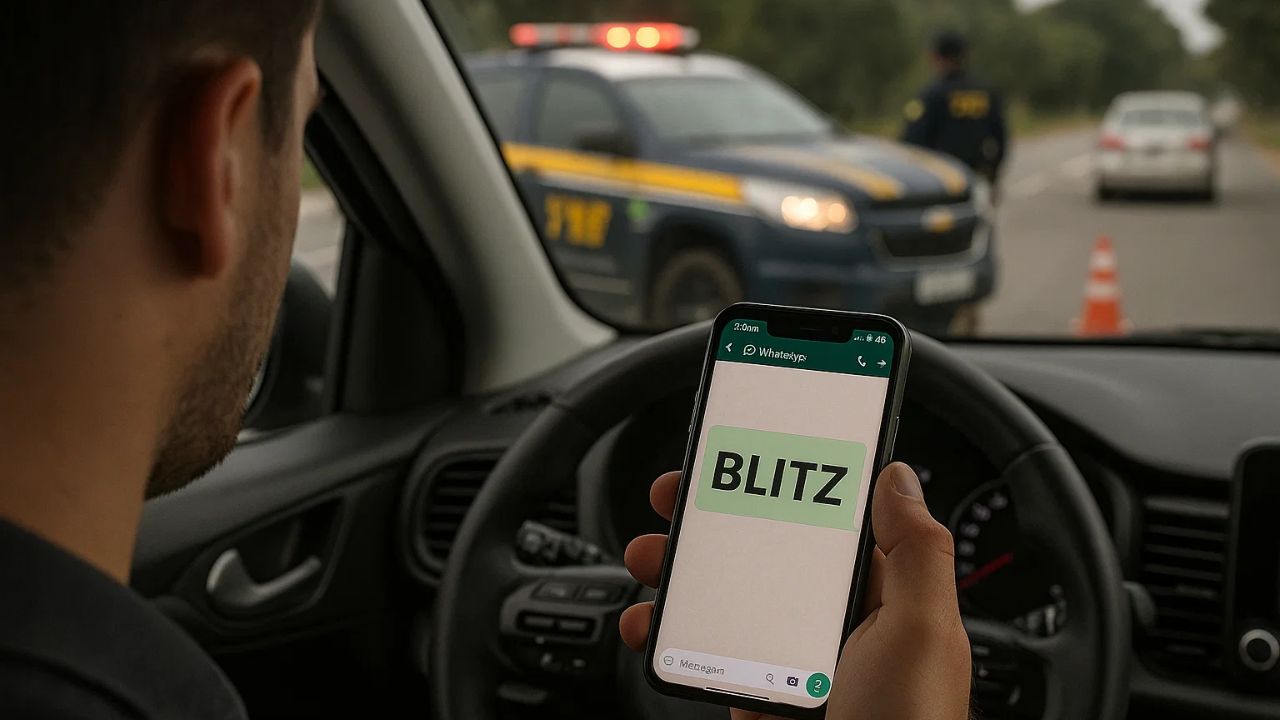
The proposal establishes penalties of 1 to 5 years of imprisonment and fines for those who violate the rule.
Public servants who commit the infraction may face increased penalties of up to half, reinforcing responsibility over sensitive and strategic data.
Why is the Bill Necessary?
The sharing of checkpoints and operations in real-time has caused serious public safety problems, according to the project’s justification.
When disclosed in advance, these operations lose effectiveness, and criminals can anticipate actions, complicating enforcement and increasing the risk of incidents.
Although the Penal Code already considers the disclosure of confidential information a crime, judicial interpretation has varied, and the rise of social media and navigation apps requires a legal update.
The bill thus seeks to provide legal security and protect both agents and the public.
Repercussions and Next Steps
Public safety and traffic experts support the measure, emphasizing that avoiding the sharing of information about checkpoints and operations is essential for everyone’s protection.
The proposal will be analyzed by the committees of the Chamber of Deputies before proceeding to a vote in plenary.
If approved, the law will ensure greater efficiency in inspections, making it harder for offenders to evade operations and reinforcing the safety of agents in the field.
Moreover, the legal update is seen as necessary in the face of the growth of digital technologies and social media, adapting legislation to new forms of communication.
With information from Traffic Portal.








Ou seja, proteger agentes e servidores públicos e o estado, dando a eles o direito de roubar os veículos do cidadão que compra e paga o carro ou moto e o estado **** sem nunca ter ajudado em nada