Portuguese
  Spanish


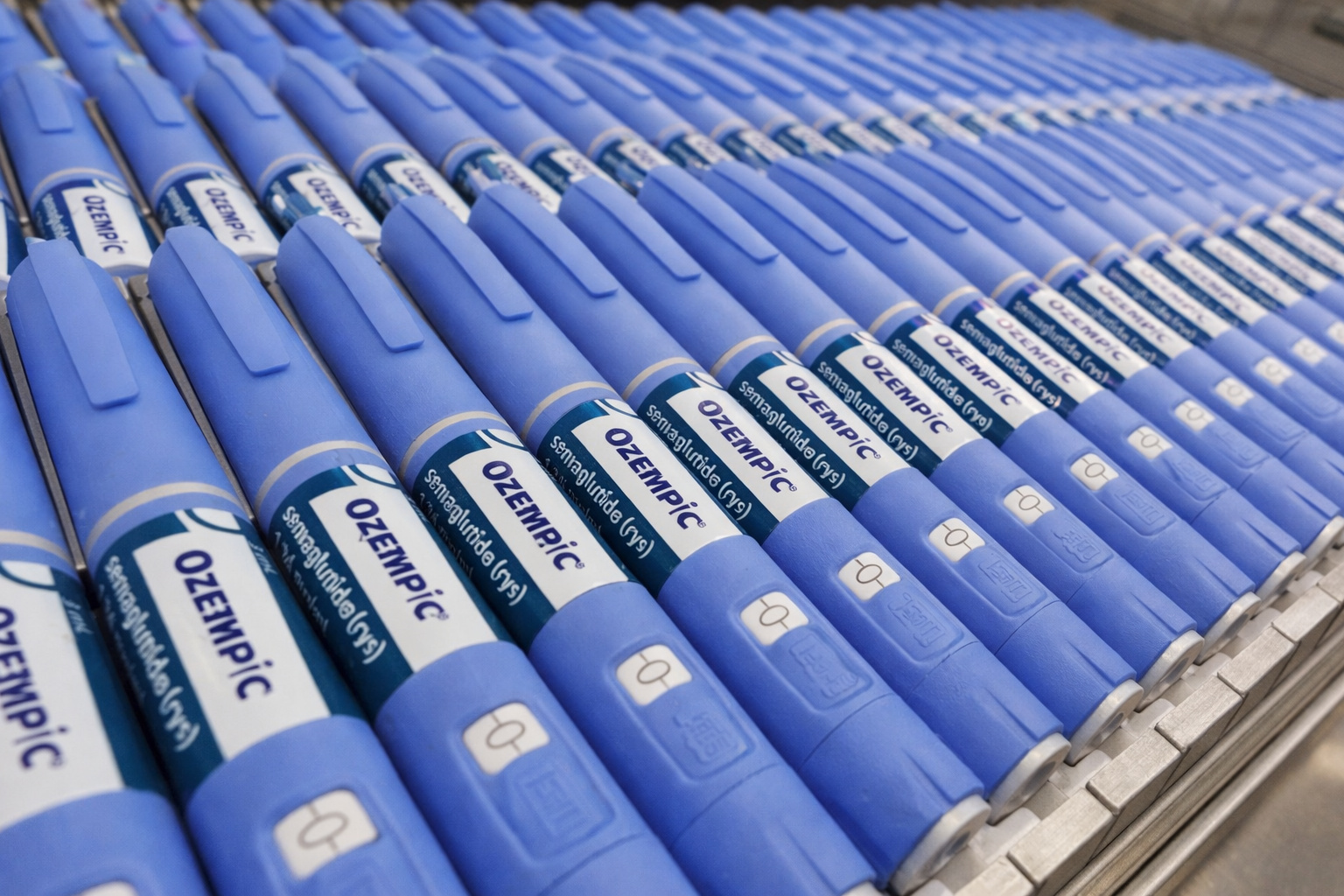

Understand why medications like Ozempic, Wegovy, and Mounjaro cannot be deducted on income tax and when there is an exception foreseen.
A recurring question among Brazilian taxpayers has gained prominence with the popularization of the so-called weight-loss pens.
Medications such as Ozempic, Mounjaro, and Wegovy, used in the treatment of diabetes and obesity, have raised questions about their inclusion in the Income Tax 2026.
Despite this, as specialists explain, these expenses cannot be deducted as medical expenses.
-
Seniors Over 60 Can Travel for Free Across Brazil: Elderly Statute Ensures Two Free Bus Seats and 50% Discount When Full for Low-Income Passengers

-
Detran RJ starts requiring a toxicological test for those obtaining their first driver’s license in the car and motorcycle category starting June 29; see who will be affected.

-
Florida takes TikTok to court and accuses the Chinese giant ByteDance of ignoring the law that bars minors under 14, while parents and authorities demand more protection for children on social networks.
-
Chamber approves constitutional amendment reducing the age of criminal responsibility from 18 to 16 years; what now?




Popularization of medications raises tax questions
In recent years, especially between 2024 and 2025, these medications have gained significant visibility in the market.
Moreover, according to economic analyses cited by specialists, the advancement of these therapies has even impacted sectors such as food and retail.
There are even records of influence on the GDP of Denmark, a country linked to the pharmaceutical industry responsible for part of these solutions.
On the other hand, although usage has increased, the high cost still draws attention.
On average, each unit costs over R$ 1,000, with an approximate duration of one month of treatment.
Additionally, considering that usage can extend for up to 18 months, the financial impact becomes significant for the taxpayer.
Federal Revenue does not allow deduction of these expenses
In light of this scenario, many Brazilians opt for the complete Income Tax declaration, which allows for the deduction of health expenses.
However, as Jhonny Martins, vice president of Serac Contabilidade, clarifies, the rule is objective.
That is, medications are not considered deductible medical expenses.
According to the specialist, only expenses with services and procedures can be deducted.
Among them, the following stand out:
- Medical and dental consultations
- Appointments with psychologists and physiotherapists
- Laboratory and radiological exams
- Hospital admissions
- Prosthetics and orthopedic devices
- Health plans
Thus, even if there is a medical prescription, medications remain outside the list.
Classification as a medication prevents deduction
Furthermore, as Fábio Nascimento, accountant and CEO of Grupo FN, explains, there is a central point in the analysis.
The so-called weight-loss pens are classified as medications, and not as medical procedures.
Consequently, even with professional indication, they do not become deductible on income tax.
This understanding follows the standard adopted by the Federal Revenue over the years.
Thus, the rule remains valid for the declaration concerning the base year 2025, submitted in 2026.
Exception allows deduction in hospital situation
Despite the general rule, there is a specific exception that must be observed.
In this case, the medication can be deducted, provided it is part of a hospital treatment.
For this, it is necessary that:
- The cost is included in the hospital bill
- The item is itemized on the hospital invoice
- The use is linked to the treatment performed at the health facility
Under these conditions, the medication is considered an integral part of the medical procedure.
Therefore, in this scenario, the deduction becomes permitted.
Attention in declaration avoids problems with the Revenue
Finally, specialists emphasize that the correct filling out of the declaration is essential.
Errors or improper inclusion of expenses can lead the taxpayer to the fine mesh.
Thus, understanding the criteria defined by the Federal Revenue ensures greater security in the process.
Still, in light of the high costs of these treatments, many Brazilians continue to evaluate alternatives.
But, given the current rules, is it worth maintaining this type of expense even without the possibility of deduction on tax?