





 Portuguese
  English
  Spanish
  3 min of reading
  0 comments


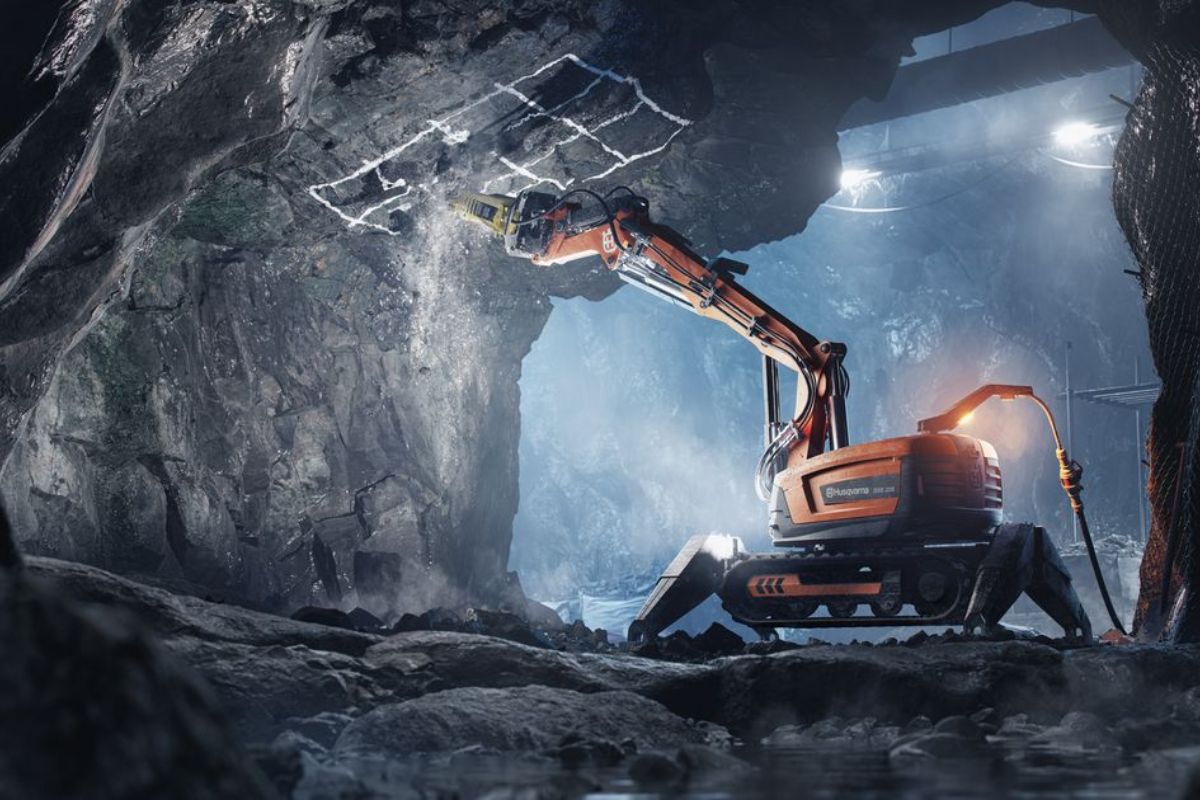
Discover the Technology of Robots That Mine Alone Deep Underground, an Innovation That Is Making Ore Extraction Safer, More Efficient, and Is Already a Reality in Giants Like Vale.
In the depths of the earth, where darkness is total and risks are immense, a new workforce is taking on the most dangerous tasks. These are the robots that mine alone deep underground, true “mechanical armadillos” guided by artificial intelligence, which drill, load, and transport tons of ore without any direct human intervention on site.
This revolution, driven by mining giants such as Brazil’s Vale and Australia’s Rio Tinto, represents the future of the sector. Automation not only increases productivity by up to 20%, but, most importantly, removes workers from the highest-risk areas, such as unstable underground tunnels and blast zones, promising an era of mining with zero fatal accidents.
How Do Robotic Miners Work?
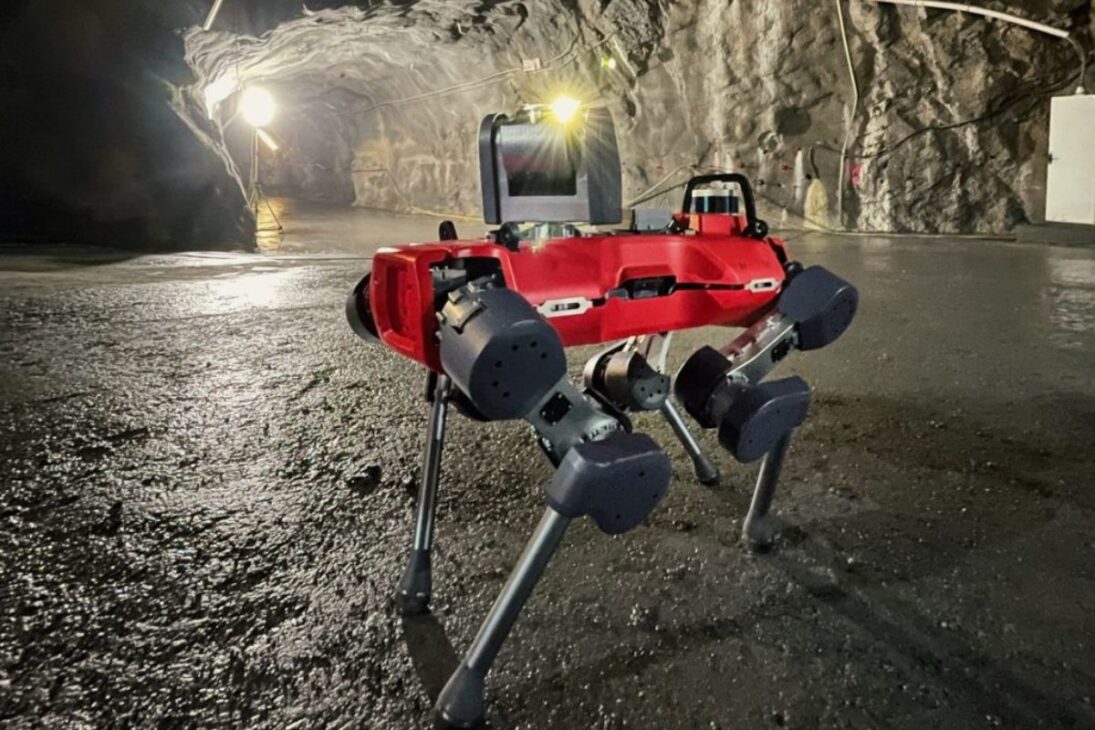
The robots that mine alone deep underground are an ecosystem of intelligent machines that operate in a coordinated manner. The technology behind them is a combination of:
-
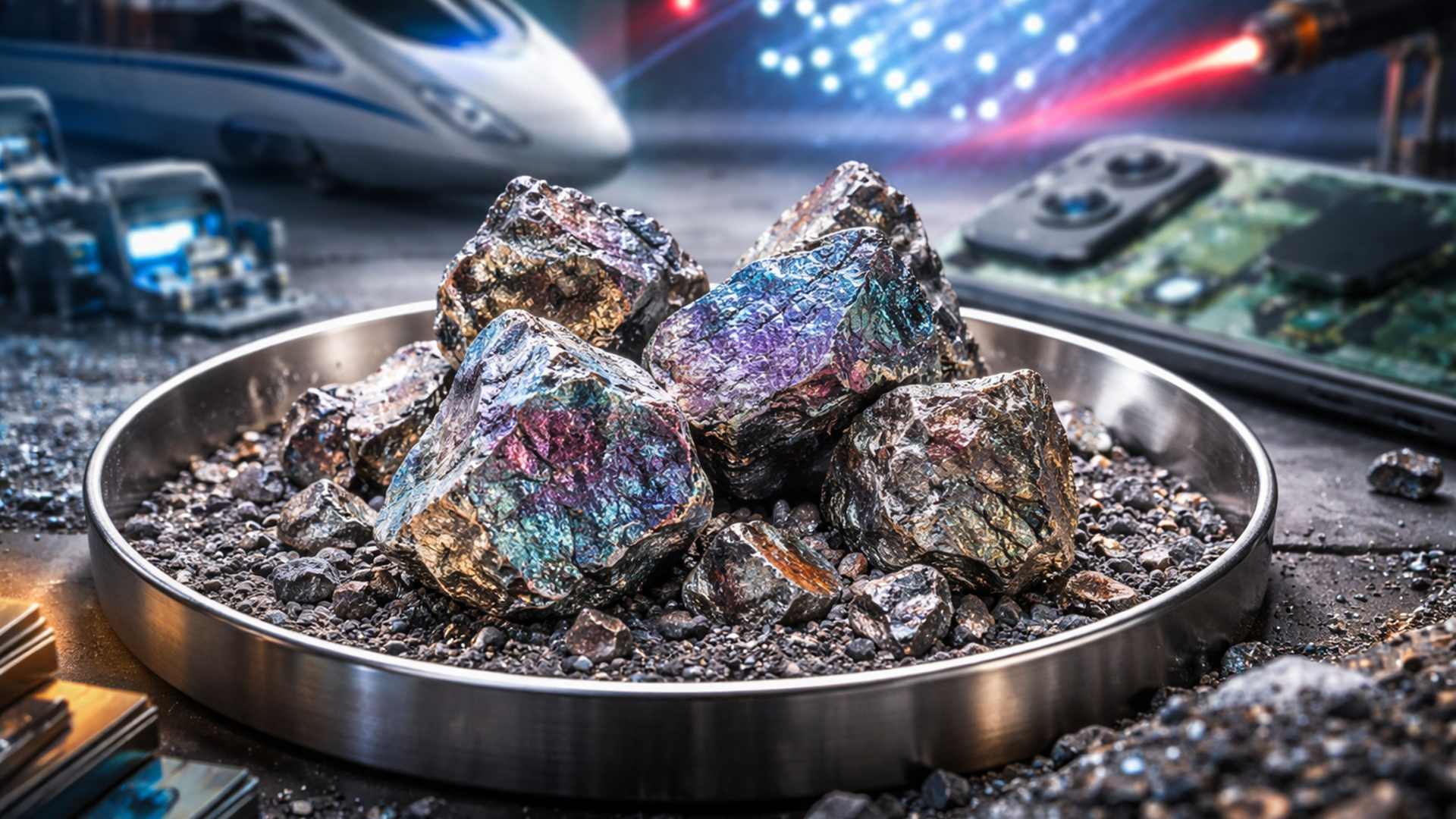
Rare earths are in everything, from cell phones to bullet trains, and what almost no one realizes is why they have become the target of such a delicate global war.
-
Brazil extracts 26.3 million tons of ore from what was previously treated as waste, transforming residues into wealth, producing over 3 million tons of sand, and demonstrating how national mining is relearning to generate value.

-
A $3.5 billion megaproject in Latin America pumps desalinated seawater at 1,050 liters per second over 194 km to keep a copper supermine in the Andes operational for another 20 years.
-
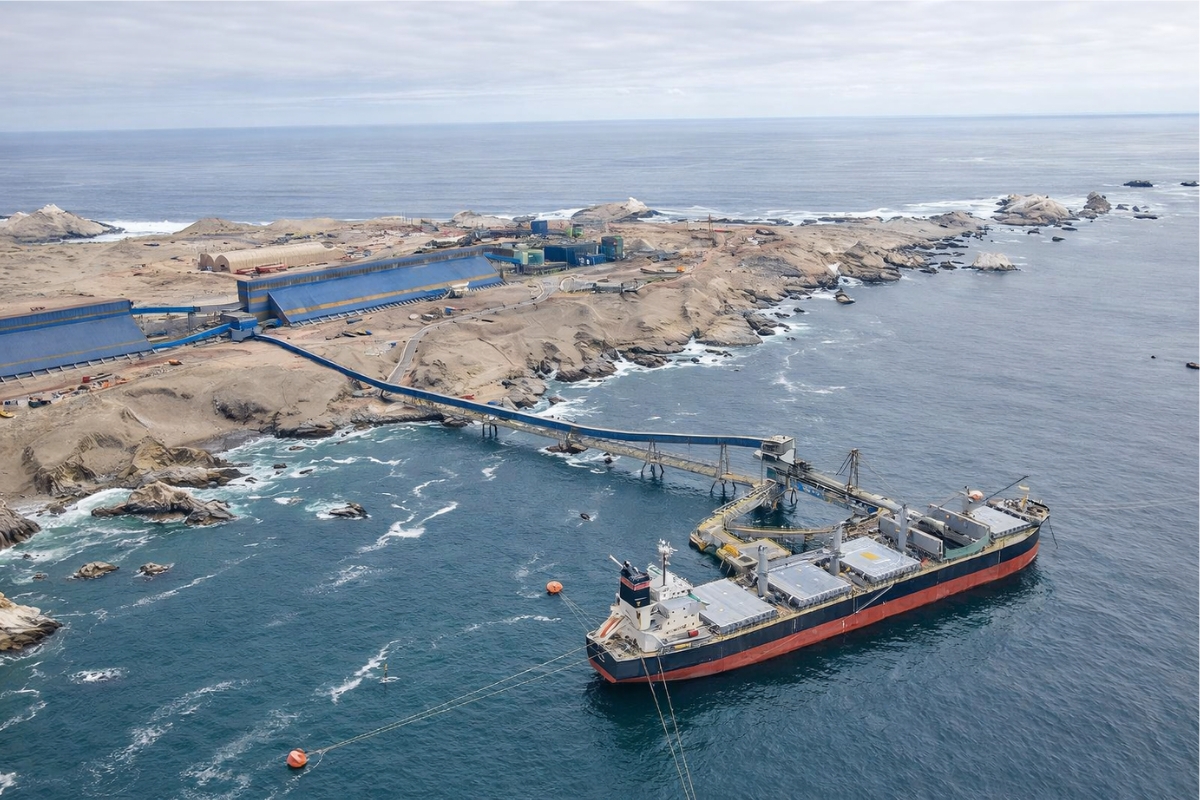
A hidden mine in the Andes valued at nearly R$ 1 trillion is starting to attract global attention, containing copper, gold, and silver, and raises an intriguing question: why do Argentina and Chile need to act together to exploit this gigantic wealth?
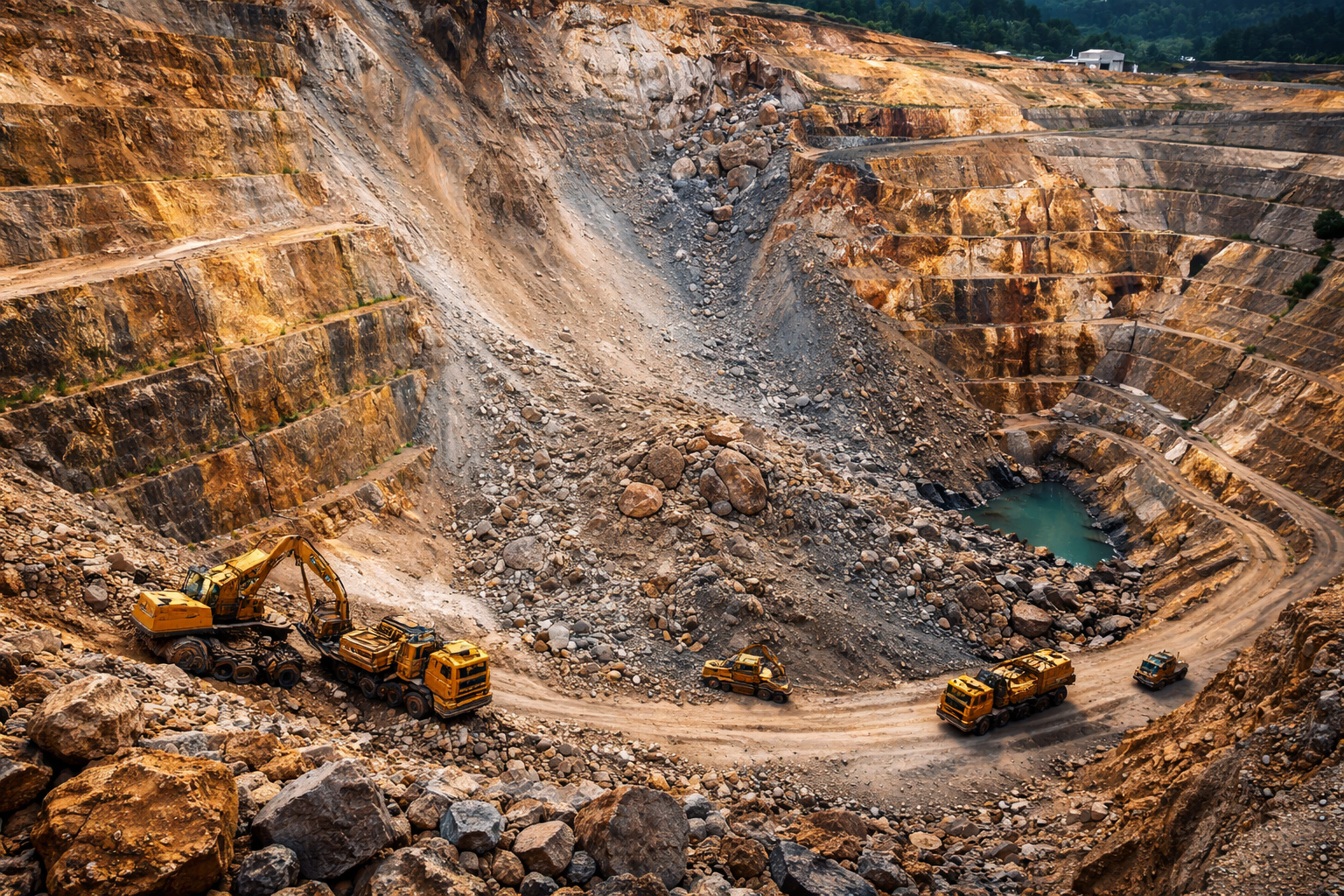

- Artificial Intelligence (AI): Machine learning algorithms allow robots to navigate complex tunnels, identify the richest ore veins, and operate 24/7.
- Advanced Sensors: Equipped with LIDAR (laser radar), thermal cameras, and high-precision GPS, the robots create 3D maps of the underground environment, avoiding obstacles and ensuring safe operation.
- 5G Connectivity: High-speed networks enable instant communication between machines and the control center, which is often hundreds of kilometers away.
The autonomous fleet includes everything from giant trucks that can haul up to 400 tons at once to drill rigs that accelerate extraction by up to five times, and quadruped robots like the ANYmal, which perform inspections in hazardous areas.
Who Is Leading This Revolution in Brazil and Around the World?
Australia is a pioneer in autonomous mining, with companies like Rio Tinto operating fleets of robotic trucks since 2008. However, Brazil is not falling behind.
Vale S.A., the country’s largest mining company, is a global leader in adopting this technology. Since 2020, the company has operated Brazil’s first 100% autonomous truck fleet at the Brucutu mine in Minas Gerais. Additionally, Vale uses robots like ANYmal from Swiss company ANYbotics to inspect hazardous areas in its mines, such as the Cauê mine (MG), completely removing the need for human presence in dangerous locations.
Other global giants, such as Swedish Sandvik and Japanese Komatsu, are the main developers of the systems and machines that make this revolution possible.
The Impact: More Safety, Fewer Accidents
For Brazil, a country with a history of tragedies in mining such as those in Mariana (2015) and Brumadinho (2019), the main benefit of automation is increased safety. Studies indicate that the use of robots that mine alone deep underground can reduce the number of accidents by up to 70%.
In addition to saving lives, the technology brings significant efficiency gains:
- Productivity increase of 15% to 20%.
- Reduction of up to 25% in operational costs.
- 15% decrease in fuel consumption.
The Future of Mining Is Autonomous
Despite challenges such as high initial investment and the need for workforce retraining, the path to the mining of the future is undoubtedly autonomous. The technology not only makes operations more profitable but also safer and more sustainable. The robots that mine alone deep underground are already a reality and represent a fundamental step towards a smarter and, above all, more humane industry.
And what do you think about the use of robots that mine alone deep underground? Do you believe that automation is the key to safer mining in Brazil? Leave your opinion in the comments!




Seja o primeiro a reagir!