





 Portuguese
  English
  Spanish
 2 min of reading


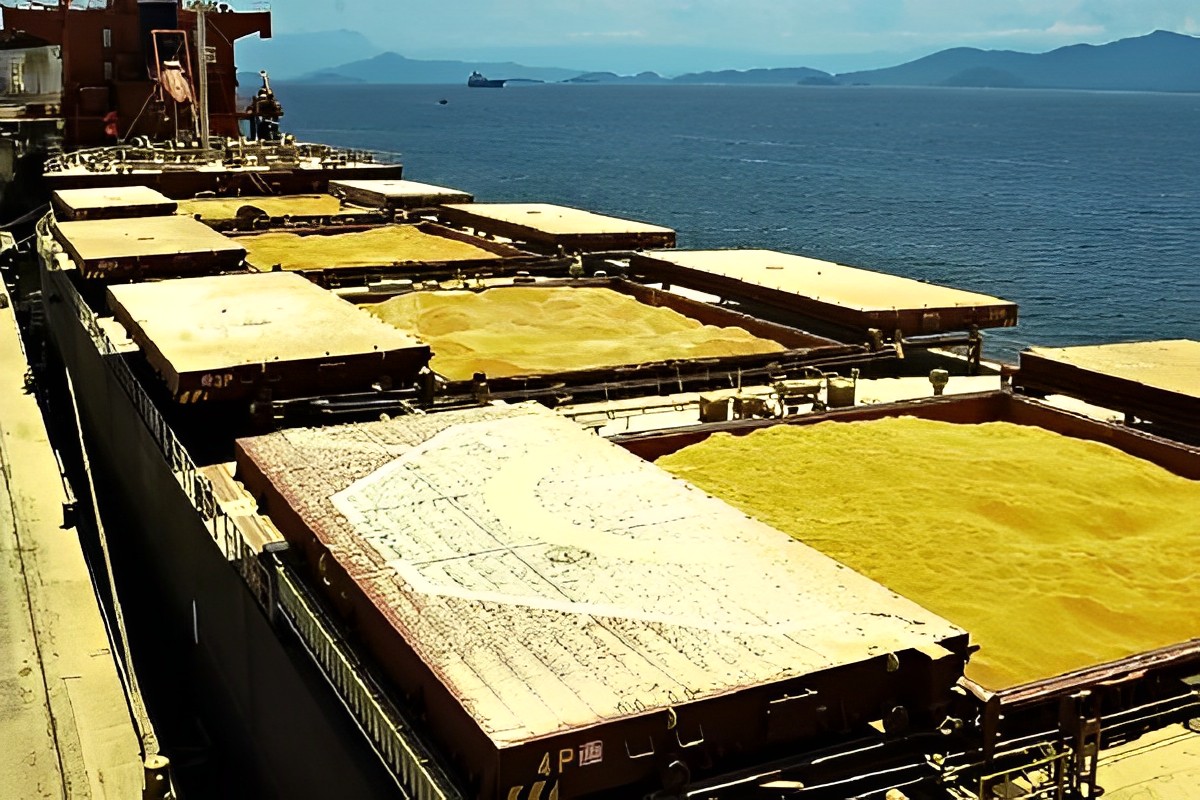
The Drop In Corn Prices At Brazilian Ports Was Significant. From January 9 To 14, In Contrast To The Frenzied Export Pace, And The Forecast That Shipments Will Continue At Full Steam.
Researchers from Cepea, from São Paulo signal that the maritime transport sector is feeling the drop in the dollar, a limiting effect for parity with exports. Prices from the interior of Brazil were the inheritors of the drops at the ports. Even with heated exports, and with rising prices abroad, these factors were not enough to stabilize internal values.
South Region Concerned About Precipitation For Oilseeds In General
With the beginning of the oilseed harvest in the South Region, which expects record production for the beginning of 2023, the expectation is that, aside from climatic conditions, this increase will be yet another stimulus for an even greater decline.
Consultancy AgRural reported on Monday (16) that although drought and adjustments in other states led specialists to reduce estimates for the soybean and corn harvests between the end of last year and the beginning of this year. The hot and dry weather is a concerning factor, but since there have been no records of crop failure in the state of Rio Grande do Sul, it is still too early to say that the record will not be achieved. At least 150 million tons is the sector’s expectation.
-
American Airlines starts selling trips as if they were flights, with check-in and baggage check at the airport, but on short routes, passengers board luxury buses connecting cities to major hubs in the U.S.

-
São Paulo surprises the world with a colossal railway network project that promises over 1,000 km of tracks, R$ 194 billion in investments, and 40 projects connecting the capital to the interior with fast and sustainable trains.

-
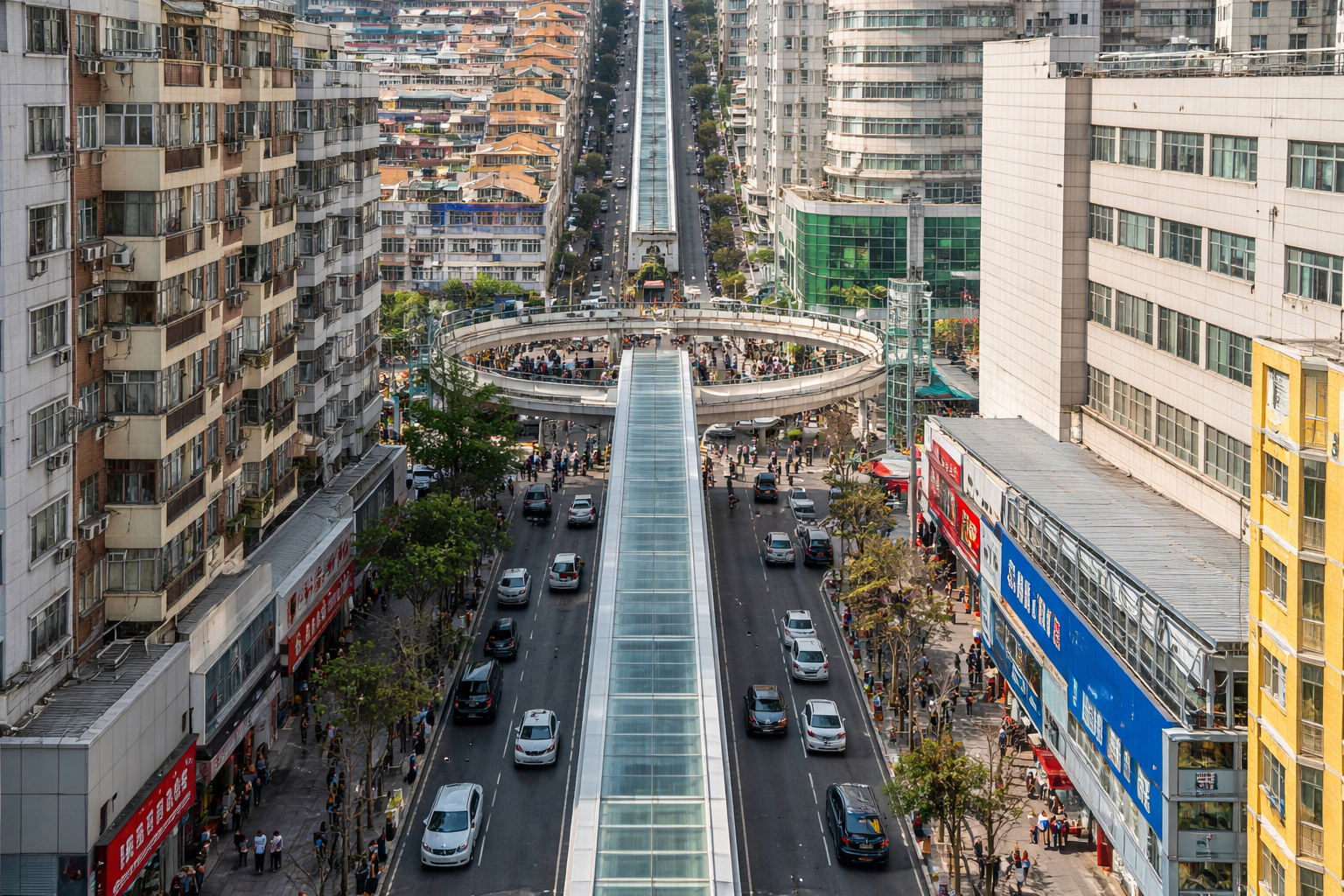
The world’s largest escalator, measuring 905 meters in China, reduces urban travel time from 1 hour to about 20 minutes and transforms mobility in mountainous regions with an engineering solution adapted to the terrain.
-
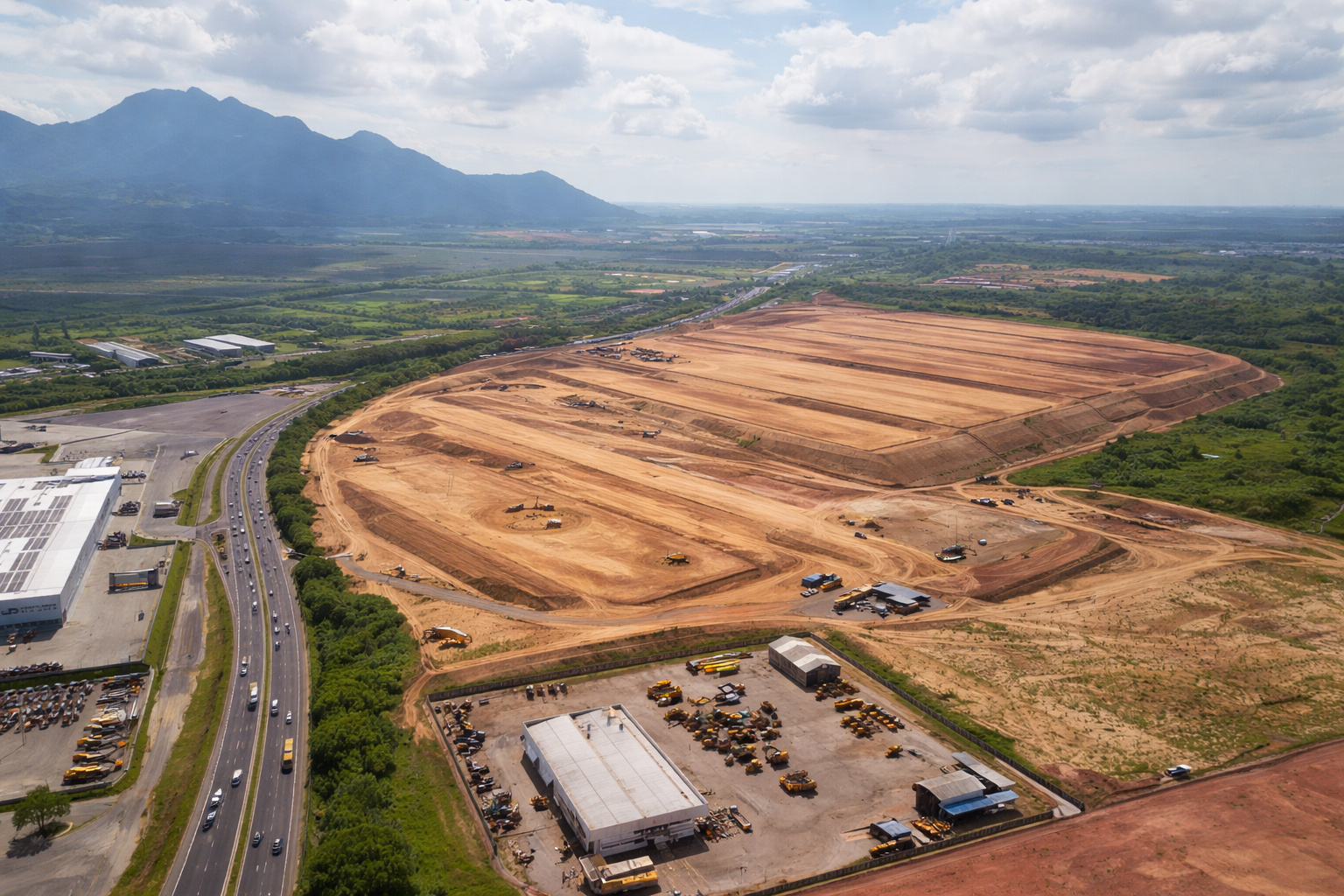
A R$ 300 million logistics giant is taking shape in Serra with over 100,000 m² and raises a question: how can this transform e-commerce and distribution in the state?
The La Niña climate phenomenon, which causes drought, has been much less punishing in 2023 than last year. At this moment, the grains in the state are in the filling phase, and rains are above average in the state. There is still hope for soil moisture recovery so that the crops can resume their development.
On January 12, AgRural measured that the corn harvest reached 4% of the cultivated area in the central-southern portion of Brazil. In the same period last year, the harvest reached 6.3%, starting in the northwest region of Rio Grande do Sul. The consultancy expects further cuts for oilseeds in general. Around December 15, the estimate was for a national harvest exceeding 153 million tons.
The states that have already started the soybean harvest were Mato Grosso and Rondônia. With overcast weather and heavy rainfall, the work was significantly affected, however, on the last Thursday (12), the news is that 0.6% of the cultivated area in Brazil has already been harvested. This is an area 1.2% higher than the same period last year, even though there is a lag in the five-year average for planted area, 2.38% versus 3.55%. The information was provided by Imea, the Mato Grosso Institute of Agricultural Economy.










Seja o primeiro a reagir!