






 Portuguese
  Spanish
 2 min of reading


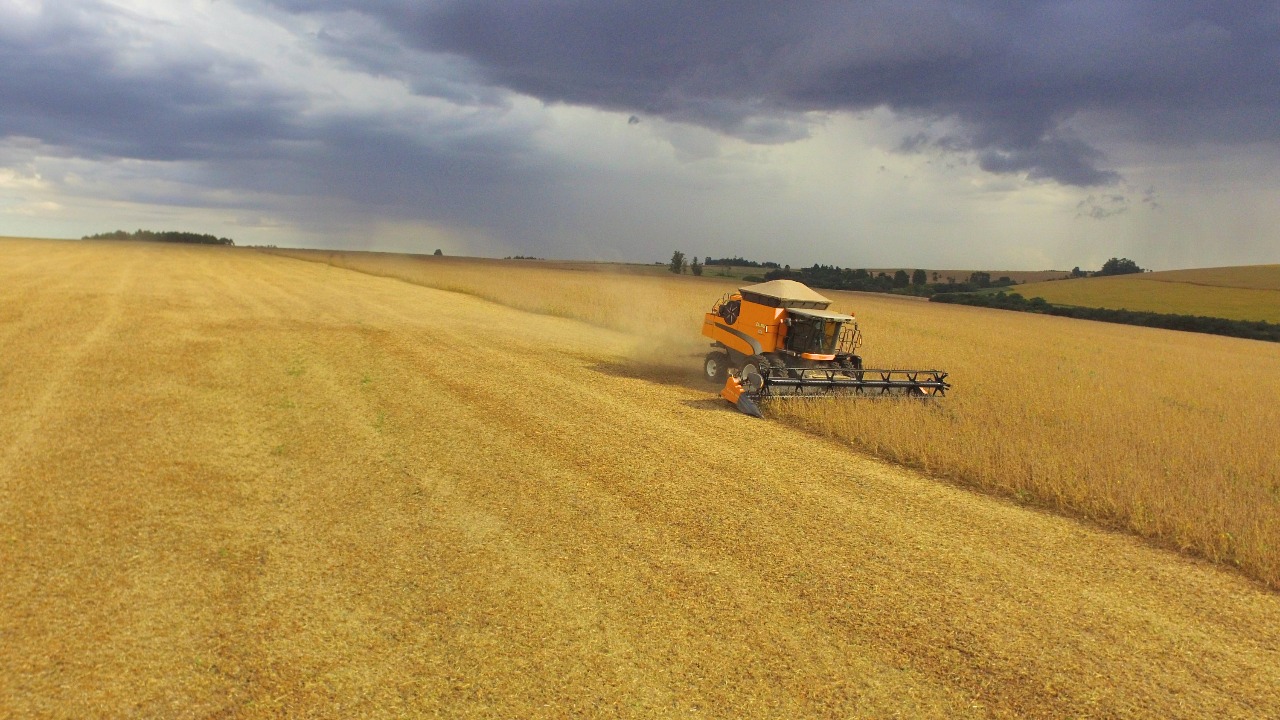
Drought And Adjustments Made In Other Federative Units Led The Agricultural Consultancy AgRural To Reduce Its Estimates For The Harvests Of Soybeans And Corn In Rio Grande Do Sul Between The End Of 2022 And The Beginning Of 2023. AgRural Did Not Announce Details, But Around December 15 It Had Promised National Harvest At A Record, With A Reach Above 153 Million Tons.
In Rio Grande do Sul, where the harvests have not yet begun, the sector is concerned about the forecast of precipitation, and the hot and dry weather is one of the worrying factors. However, there have been no records of crop failures in the state, and it is necessary for these conditions to change in order not to negatively affect the productive potential.
Even with adverse climatic conditions, other consultancies still bet on a harvest exceeding 150 million tons, despite the losses in Rio Grande do Sul. This is because the drought, resulting from the La Niña climatic phenomenon, is affecting less than last year. The grains in the state are in the filling phase, and rainfall is above average in the state. Thus, it is believed that the soil will recover its moisture, and that in this final stretch, the crops may resume development.
The states that have already started harvesting soybeans are Mato Grosso and Rondônia. With overcast weather and plenty of rain, the work has been significantly affected; however, last Thursday (12), the news is that 0.6% of the cultivated area in Brazil has already been harvested. An area 1.2% larger than the same period last year, even with delays in the five-year average for the planted area, 2.38% versus 3.55%. The information was provided by Imea, the Mato Grosso Institute of Agricultural Economy. In the South region, harvesting has not yet begun.
-
Government wants to pay up to R$ 8,000 to more than 2,300 traditional families in over 100 communities in Acre and Amazonas for environmental services provided to the Amazon.

-
In Matopiba, soybeans have replaced rice and beans, and traditional Cerrado communities that used to grow their own food now have to buy it, while pesticides from neighboring farms reach the springs.

-
Coal mine purchased for $2 million in Wyoming, the Brook Mine holds rare earth elements and critical minerals estimated at up to $37 billion, in an asset that the US is competing for with China.
-
In the year Brazil won the World Cup, gasoline cost R$ 1.77, the cheapest car was worth R$ 13,000, there were no flex-fuel cars, SUVs were rare, and no Chinese brand sold a single vehicle in the country.


On the same date, January 12, it was measured that the corn harvest reached 4% of the cultivated area in the central-southern portion of Brazil. Last year, at the same time, the harvest reached 6.3%. The harvest is starting in the northwestern region of Rio Grande do Sul, and AgRural has also reduced its estimates for the oilseed. Cuts are expected still this month.





Be the first to react!