Portuguese
 Spanish




Brazilian financial markets react to fiscal adjustment expectations and a US$2 billion sale by the Central Bank, while Petrobras shares rise, Embraer posts losses and oil climbs amid international geopolitical tensions
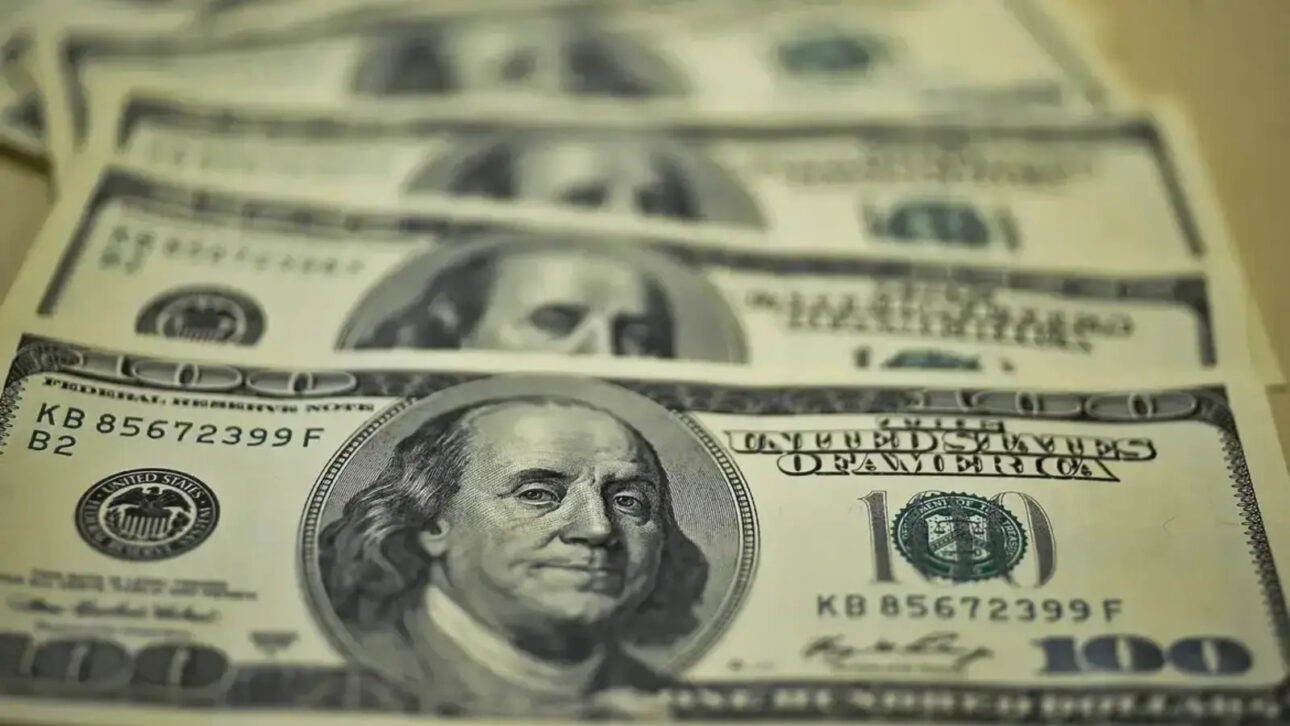
The dollar’s decline was a defining feature of Brazil’s financial markets on Wednesday (25). After reaching R$5.95 early in trading, the U.S. currency lost ground and closed at R$5.8179. Meanwhile, Brazil’s stock market gained 1.58%, buoyed by expectations of new government fiscal measures.
Dollar falls as currency retreats after Brazil’s Central Bank sells US$2 billion
The dollar came under pressure at the start of the day, reaching R$5.95 in the first few minutes of trading. The situation shifted in the morning, when the currency began to fall, with losses widening in the afternoon.
One factor was the intervention by Brazil’s Central Bank, which sold US$2 billion in a dollar line auction to increase supply in the market.
-
Global stocks fall as Trump threatens new tariffs on 16 trading partners, tech giants slide, and fears of higher U.S. interest rates grow

-
Trump threatens to end Embraer aircraft tax exemption with potential 10% tariff; Brazilian sugar also targeted by U.S.
-
Federal tax revenue hits record R$294 billion in October, rises 7.28% above inflation, fueled by taxes on oil, businesses and betting
-
Brazil Releases R$3.43 Billion from 2026 Budget After Changing Diesel Spending Rules, While Projected Public-Sector Shortfall Rises to R$76.98 Billion


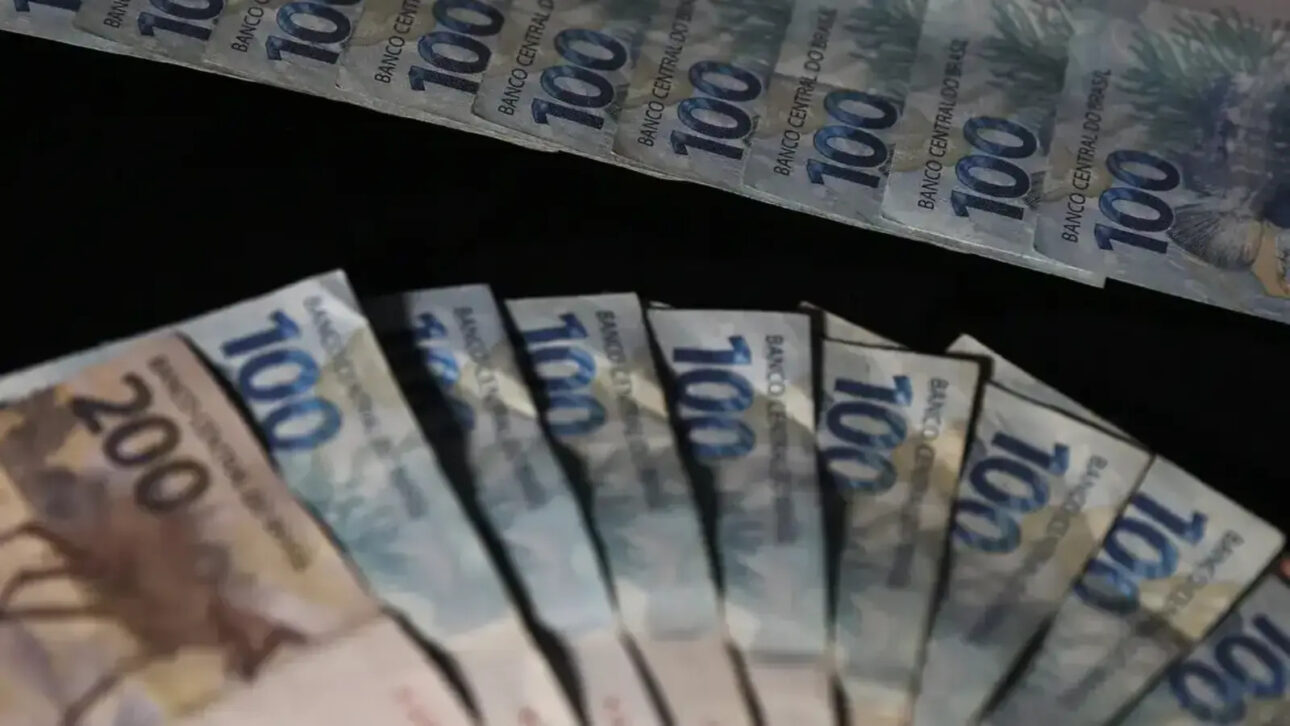
In this type of operation, the Central Bank sells U.S. currency with a commitment to buy it back later. The measure helps meet demand for dollars, particularly at year-end.
The decline came even as the U.S. currency gained value against other emerging-market currencies.

Expectations for new fiscal measures influence investors
The market also tracked discussions of new fiscal adjustment measures in Brazil, including the possibility of a proposed constitutional amendment (PEC) to curb mandatory government spending and ensure fiscal targets are met.
Planning and Budget Minister Bruno Moretti said no PEC proposal had been finalized.
In an interview about the release of R$3.43 billion from the budget, Moretti said the economic team was discussing measures to ensure fiscal targets are met.
Ibovespa gains 1.58%, Petrobras rises and Embraer falls 4%
The Ibovespa, Brazil’s benchmark stock index, closed at 166,674.67 points, ending a four-session losing streak.
Improved fiscal expectations and a decline in interest-rate futures supported the recovery in Brazilian stocks.
Petrobras preferred shares rose 2% to close at R$41.36. Common shares gained 0.82% to R$46.69.
According to Agência Brasil, Embraer moved in the opposite direction. Shares in the Brazilian aircraft maker fell 4% to R$103.20 after the United States proposed a 10% tariff on finished Brazilian aircraft.
U.S. markets ended mixed. The Dow Jones rose 0.33%, while the S&P 500 fell 0.25% and the Nasdaq lost 0.62%.
Brent crude rises 3.51% to $94.61
Oil also posted a sharp gain Wednesday, as geopolitical tensions in the Middle East and concerns over the Russia-Ukraine war weighed on markets.
The Agência Brasil article also reported that Brent crude for January delivery rose 3.51% to $94.61 a barrel. U.S. benchmark WTI gained 1.99% to $83.68.
Investors were tracking risks to shipping in the Red Sea and tensions involving the Houthis and Saudi Arabia.
Markets also monitored the lack of progress in negotiations between the United States and Iran.
Attention now turns to the OPEC+ meeting scheduled for Sunday (29), when oil-producing countries are expected to discuss the group’s next steps.
Article prepared based on data and information from Agência Brasil.