Portuguese
 Spanish


After rising 14.6% in one month, the U.S. dollar is driving up agricultural and industrial production costs, with meat, staple goods, electronics and airfares expected to become more expensive over the course of 2027
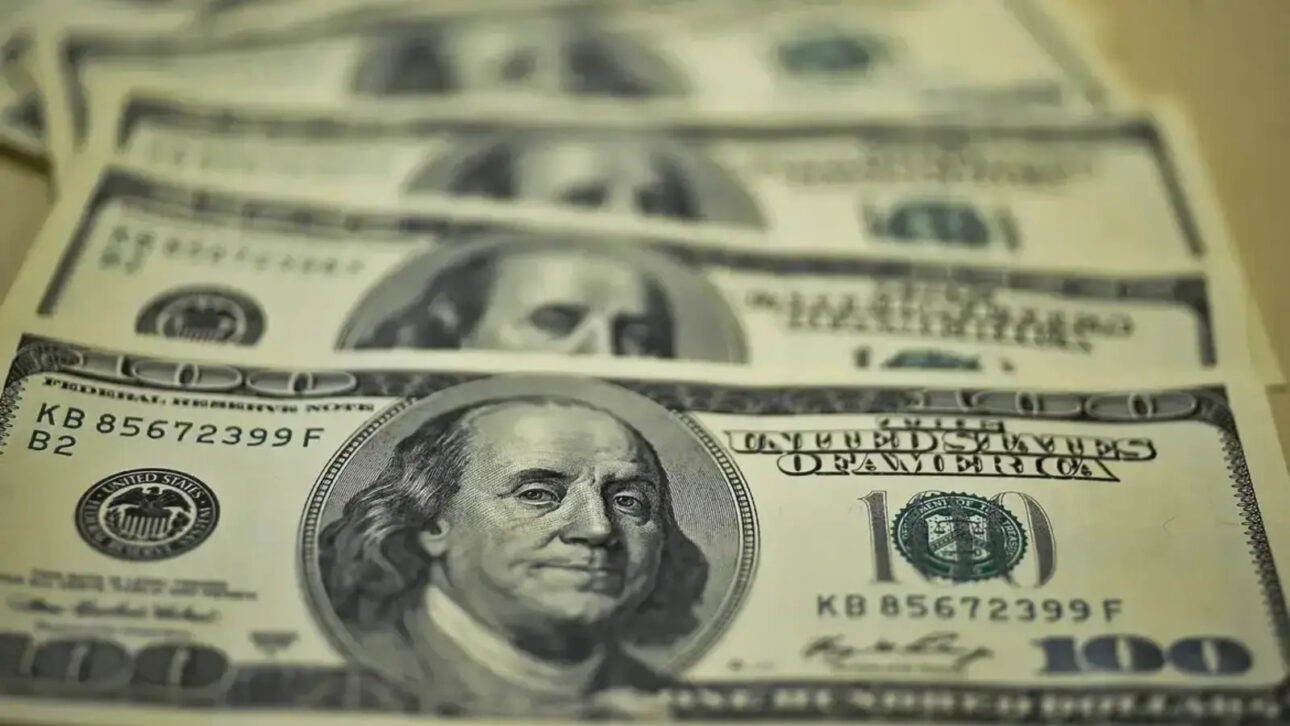
The dollar’s move toward R$6 is beginning to raise concerns well beyond the financial markets. After gaining 14.6% between October 21 and November 20, the U.S. currency is expected to put pressure on food, electronics and airfare prices. An economist at Getulio Vargas Foundation (FGV), a Brazilian research institution, says the first effects could appear as early as December 2026.
A rising dollar could make meat, corn and staple goods more expensive
A stronger dollar does not affect only people who buy imported goods. It also changes the prices of goods produced in Brazil, especially those traded on international markets.
Matheus Dias, an economist at the Getulio Vargas Foundation (FGV), explains that a weaker real makes Brazilian goods cheaper for foreign buyers.
-
Black Friday Jobs Fair in Ceará Offers About 8,000 Openings on Friday, Nov. 27; IDT/Sine Provides Assistance at José de Alencar Square and Statewide Offices

-
Principia hiring in Linhares, Espírito Santo, as skincare brand soars to No. 2 in pharmacies; first owned factory in 13,100 m² facility nears completion
-
R$1,200 Monthly Stipend: City in São Paulo State Approves Benefit for Unemployed Residents Enrolled in Brazil’s Social Registry

-
Lula government weighs new bill to curb public-sector salaries topping R$100,000, with up to R$3 billion in annual savings projected




That encourages exports and can reduce the amount of goods available on the Brazilian market. With less domestic supply, prices tend to rise, even when consumers pay in reais.
Meat is among the foods most exposed to these pressures. Dias says currency pressures are emerging just as cattle and beef supplies face constraints in Brazil and the United States.
Corn, pasta and cleaning products are also among the items that could become more expensive.
“The real economy is highly dependent on the dollar,” the economist says.
Imported fertilizers become more expensive, putting pressure on agricultural production
Another problem begins before food reaches grocery stores.
Brazil depends on imported fertilizers to supply its agricultural sector. Because these inputs are traded internationally, a stronger dollar raises farmers’ costs.
The difference can be seen in a simple calculation: a fertilizer product priced at US$1 cost R$5 when the dollar was at that level in mid-June. With the U.S. currency at R$6, the cost rises to R$6.
That amounts to a 20% increase in reais for the same product, based solely on the exchange-rate change between those two levels.
The situation is also being affected by the conflict in the Middle East, which has been driving up fertilizer production and transportation costs since March.
Dias said corn deserves special attention because it has three harvests a year and depends on these inputs during cultivation.
In addition to being used for human consumption, the grain is used to make feed for cattle, hogs and poultry.
As a result, more expensive fertilizer can drive up corn costs and later put pressure on prices consumers pay for meat.
Cellphones, TVs and airfares are also affected
Brazilian industry faces similar challenges.
Cellphones, TVs and video game consoles could become more expensive, both because of imported devices and because domestic manufacturing relies on foreign components.
Microchips, industrial machinery and certain inputs are examples of products whose costs rise when the real loses value.
Even exporters may see their earnings shrink. That is because some also need to buy equipment and raw materials from the United States and China.
For air travel, the pressure stems mainly from fuel.
Jet fuel, known in Brazil as QAV, is derived from oil, which is priced internationally in dollars.
With the exchange rate high, airlines face higher operating costs, compounded by fluctuations in oil prices.
Food prices could rise later in 2026, but the biggest impact is expected in 2027
A stronger dollar does not immediately affect all prices.
Dias said studies by Brazil’s central bank indicate that exchange-rate changes typically take about 12 months to pass through fully to inflation.
At supermarkets, however, the response can come sooner. That is because inventories are replenished frequently and the food market has its own characteristics.
The economist expects the first price increases to appear between December 2026 and early 2027.
Manufactured goods, meanwhile, are expected to absorb a larger share of the impact during 2027.
Even a potential drop in the dollar would not immediately eliminate the pressure. Import contracts signed when the dollar was near R$6 could still lead to price increases later.
Dias noted that there is not yet a firm estimate of how many percentage points the exchange rate will add to inflation in Brazil.
The economist is waiting for the complete November data to update his calculations.
Fiscal uncertainty in Brazil and tensions abroad put pressure on the exchange rate
The U.S. currency’s rise is also tied to the economic and political climate.
Abroad, tensions in the Middle East and uncertainty surrounding U.S. foreign policy are increasing demand for investments considered safer.
In Brazil, doubts about the balance of public finances are adding pressure on the real.
Dias said investors question whether the fiscal adjustment package can control public spending and are factoring in the risk that proposals could change as they move through Congress.
In the economist’s view, a more sustained decline in the dollar depends on greater economic predictability, including clarity on the direction of fiscal policy and the makeup of the economic team.
Information from Infomoney.