Portuguese
 Spanish


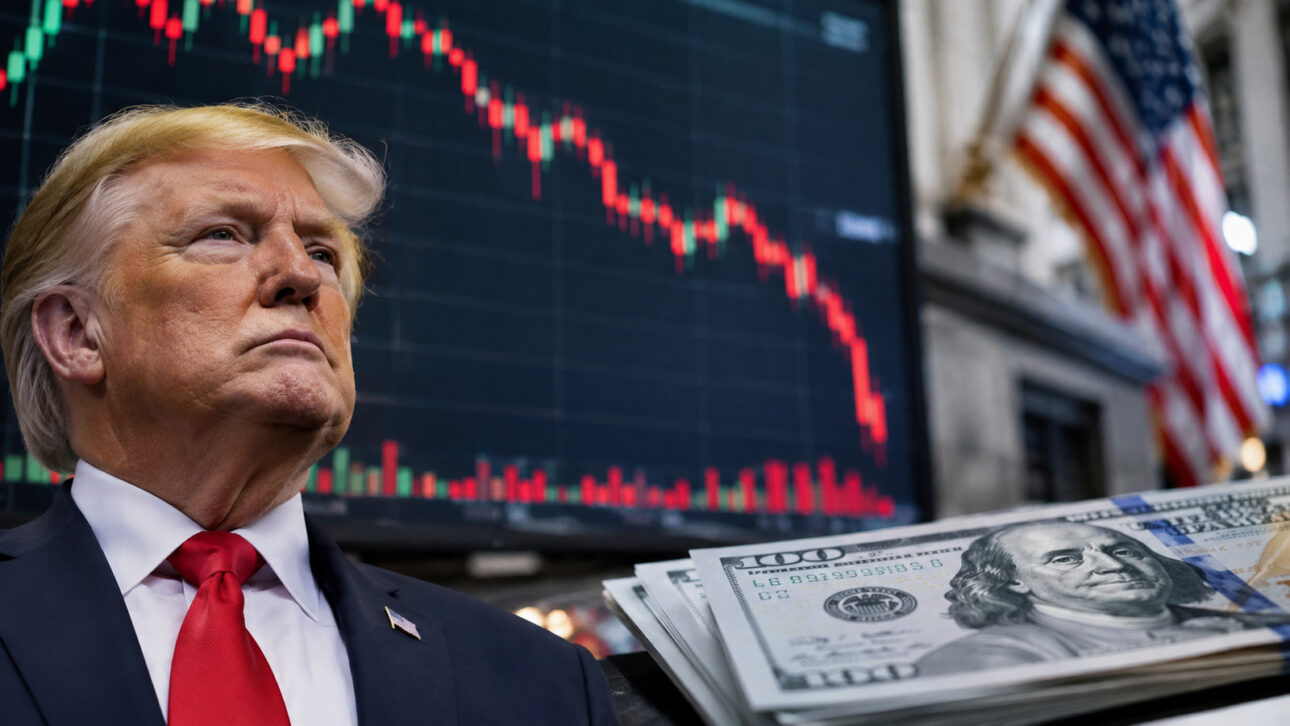

The prospect of new U.S. tariffs on 16 trading partners is weighing on global markets, while technology stocks post steep losses and the dollar rises amid expectations for U.S. interest rates
Global stocks fell Wednesday (25), pressured by the prospect of new U.S. tariffs on 16 trading partners. Concerns about U.S. interest rates and a loss of momentum in technology stocks also weighed on markets, while the dollar gained value.
Trump’s new tariffs add pressure on global stock markets
The Donald Trump administration proposed new tariffs Wednesday (25) on 14 U.S. trading partners, including China, following an investigation into alleged excess industrial capacity in 16 economies, Reuters reported.
Mexico and Norway were also included in the investigation but were left out of the proposed new tariffs for now, as their cases are still pending.
-
Trump threatens to end Embraer aircraft tax exemption with potential 10% tariff; Brazilian sugar also targeted by U.S.

-
Federal tax revenue hits record R$294 billion in October, rises 7.28% above inflation, fueled by taxes on oil, businesses and betting
-
Brazil Releases R$3.43 Billion from 2026 Budget After Changing Diesel Spending Rules, While Projected Public-Sector Shortfall Rises to R$76.98 Billion
-
How a dollar nearing R$6 could hit your budget: why food, cellphones, TVs, and even airfares are expected to get more expensive in 2027


The investigation could lead to new import tariffs on a wide range of products, Reuters reported, citing three people familiar with the matter.
The measures were still pending Wednesday. Even without a final announcement, the prospect of new trade barriers was already worrying investors.
The MSCI index, which tracks stocks across markets worldwide, fell 0.4% during the session. In Asia, excluding Japan, the decline reached 3.2%.
Analysts at ING said U.S. protectionism is becoming increasingly difficult to reverse, even as the legal rationale for imposing tariffs changes.

Nvidia falls 5.9% as technology stocks lose ground on Wall Street
Tariff concerns emerged as technology companies were already struggling, especially those tied to the growth of artificial intelligence.
On Tuesday (24), the S&P 500 closed down 0.5%, while the Nasdaq, which is heavily weighted toward major technology companies, fell 1.5%.
Nvidia fell 5.9%, giving back some of the gains it had made after Jensen Huang returned as chief executive.
Anthropic also posted steep losses. Its shares fell 6.5% and began trading below their initial public offering (IPO) price, Reuters reported.
On Wednesday morning, U.S. futures were already pointing to the possibility of further losses. The S&P 500 was down 0.8%, while the Nasdaq fell 1.9%.

The dollar rises as U.S. inflation puts interest rates in focus
Another factor weighing on global stocks was anticipation ahead of the release of the personal consumption expenditures price index, known as the PCE.
The indicator tracks U.S. inflation and is monitored by the Federal Reserve, the country’s central bank, when it makes interest rate decisions.
Higher inflation could strengthen bets on a rate hike at the December meeting, making conditions more challenging for companies that rely on financing.
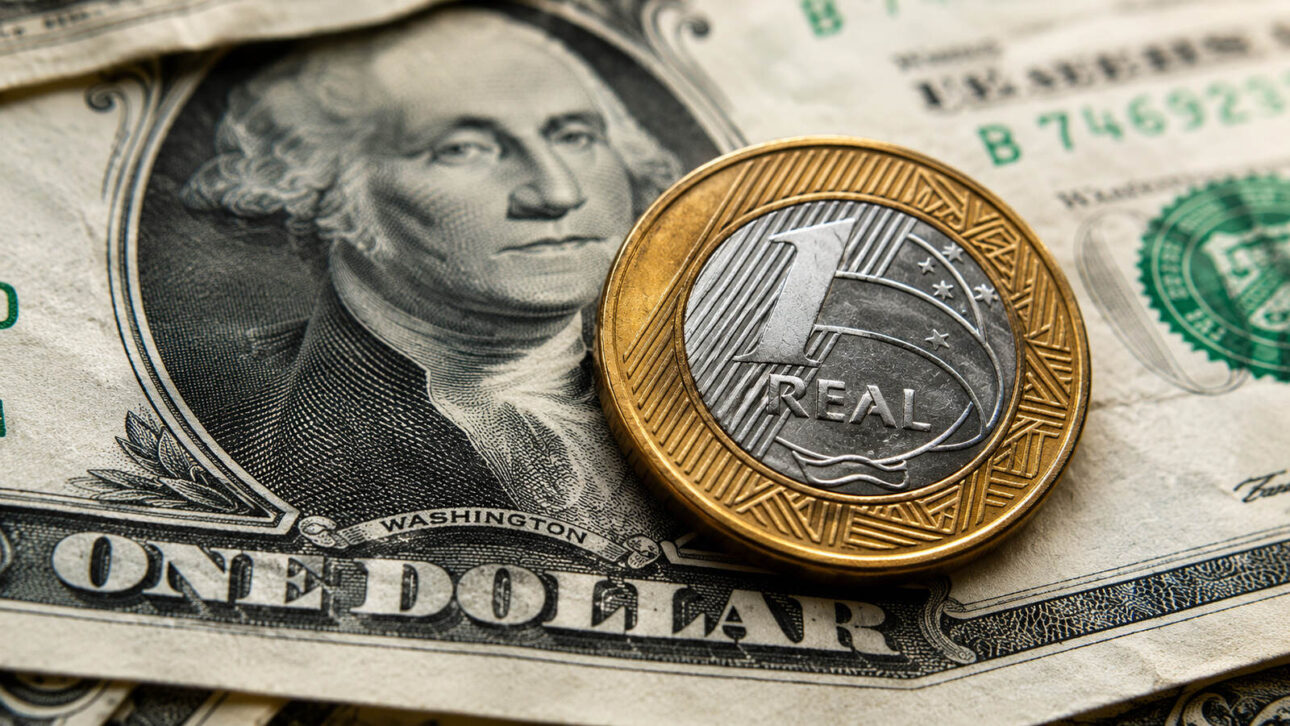
The dollar index, which compares the U.S. currency with six other major currencies, rose 0.13% to 103.97 points.
The euro fell 0.16% to US$1.0946. The British pound lost 0.2% to US$1.3081, while the yen traded near 159.3 per dollar.
Europe fares better as Brent crude falls
European markets moved differently. Stocks rose as much as 0.5%, driven mainly by retailers and consumer goods companies.
Automotive stocks led the gains, rising 2.4% after hitting their lowest level in more than six years earlier in the week.
In energy markets, Brent crude fell 1% to US$90.56 a barrel.
The decline followed a volatile session on Tuesday, when oil ended the day up more than 2%.
At the time, the move was linked to new attacks on vessels in and near the Strait of Hormuz, a major route for oil shipments.
Germany’s 10-year government bond yield stood at 3.235%, near its lowest level in two weeks, as investors sought assets considered safer.
Article prepared based on data and information from London South East and Reuters.