





 Portuguese
  English
  Spanish
 3 min of reading


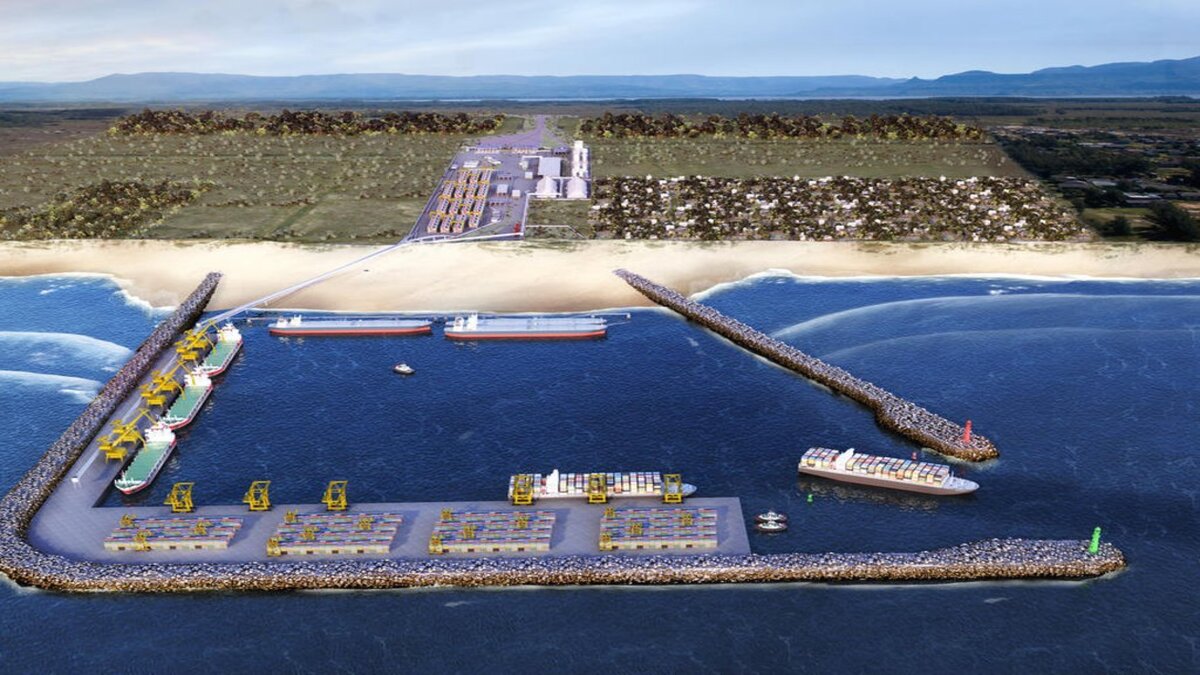
The Start Of The Arrival Of The First Ships At The Port Meridional For Cargo Handling Operations Is Expected Around The Year 2024, According To Projections From DTA Engineering, Which Leads The Project For The Arroio Do Sal Complex.
During last Thursday, (06/23), the president of DTA Engineering commented on the Port Meridional project, which will be located in Rio Grande do Sul, at an event with entrepreneurs at ACI in Novo Hamburgo. Thus, the projections for the arrival of the first ships at the Arroio do Sal complex are for the year 2024, when cargo handling operations will begin at the site.
Port Meridional Is Expected To Receive First Ships For Cargo Handling During The Year 2024, According To Projections From DTA Engineering For The Complex
The project to create Port Meridional, in the Arroio do Sal region, is one of the main bets of the port sector for the coming years and aims to boost exports of products from Rio Grande do Sul. According to projections from DTA Engineering, the company managing the venture, the first ships arriving at the complex shouldn’t take long, with operations expected to start in 2024.
The president of DTA Engineering, João Acácio Gomes de Oliveira Neto, commented on the projections for the Arroio do Sal complex during an event with representatives from the port sector last week.
-
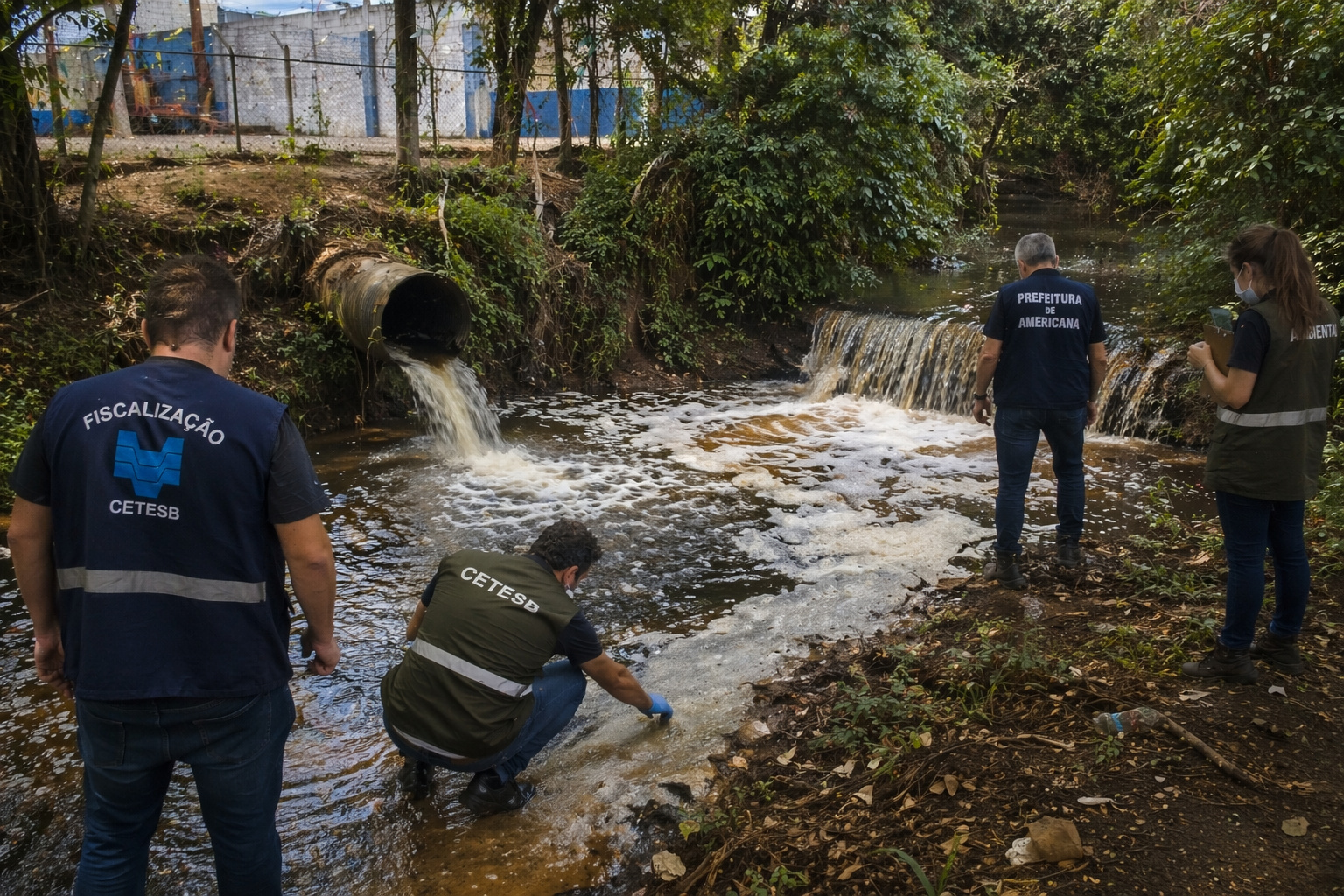
A fine of R$ 115 thousand puts Goodyear at the center of an environmental case in Americana after oil and grease appeared in a stream and the company was forced to act quickly.
-
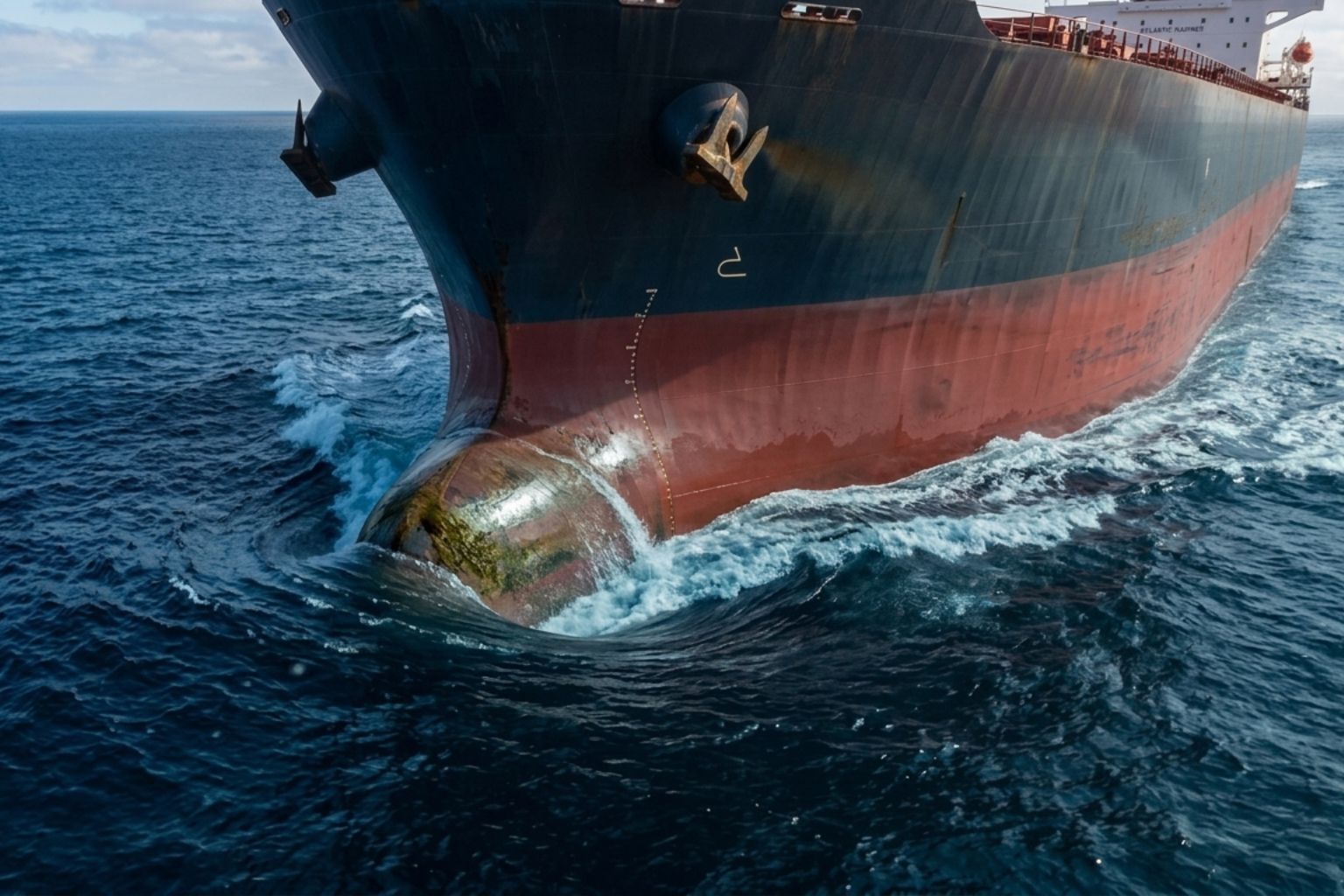
A hidden metal piece in the bow redesigns the water flow, reduces drag, and can save over 10,000 tons of fuel per year; this invisible solution allows giant ships to cut millions in costs without changing engines or routes.
-
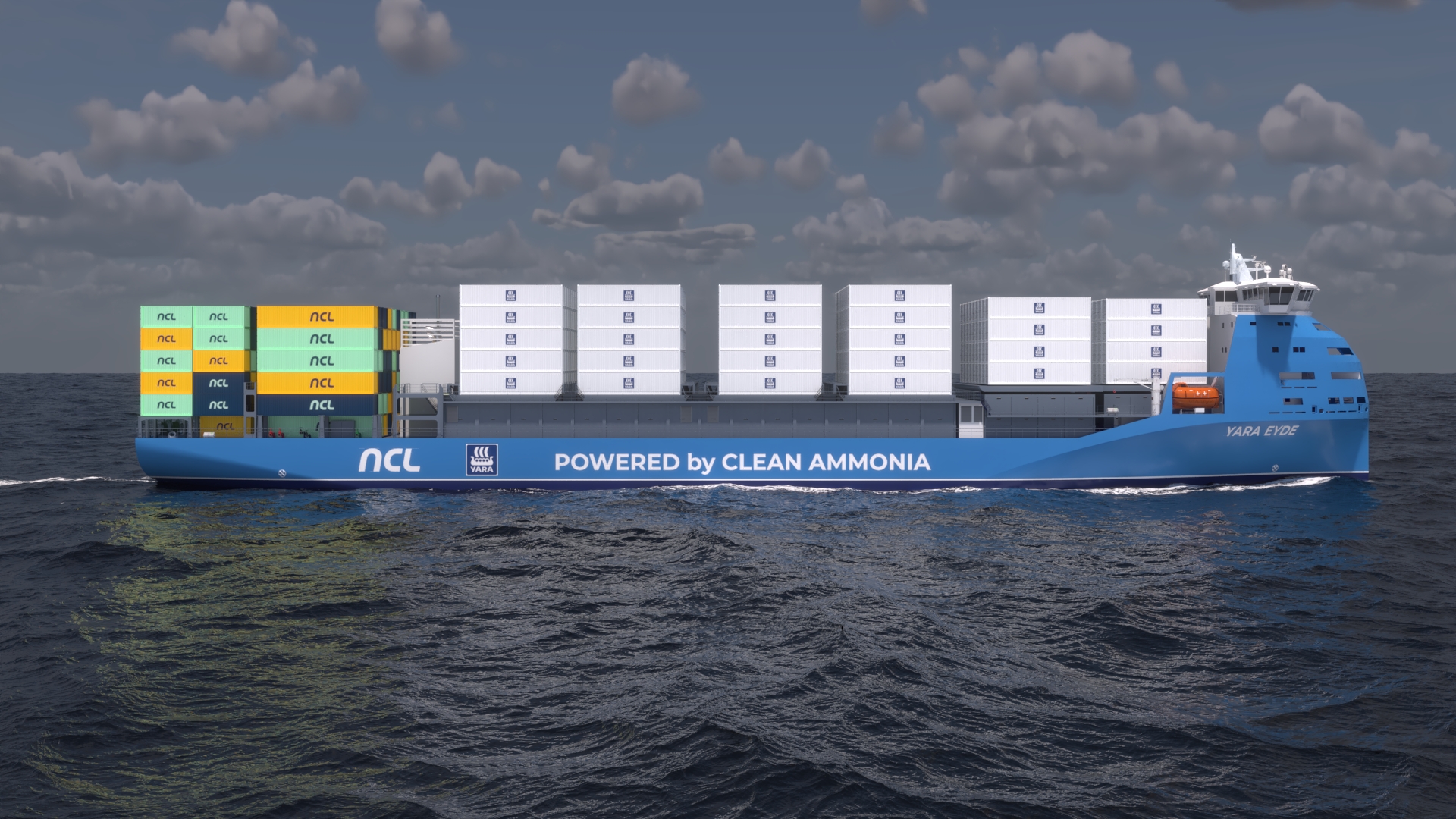
The world’s first container ship powered by renewable ammonia promises to avoid around 11,000 tons of CO₂ per year. The vessel, scheduled to operate in 2026, will connect Norway, Germany, and the Netherlands on one of the shortest and most strategic routes in Europe.
-
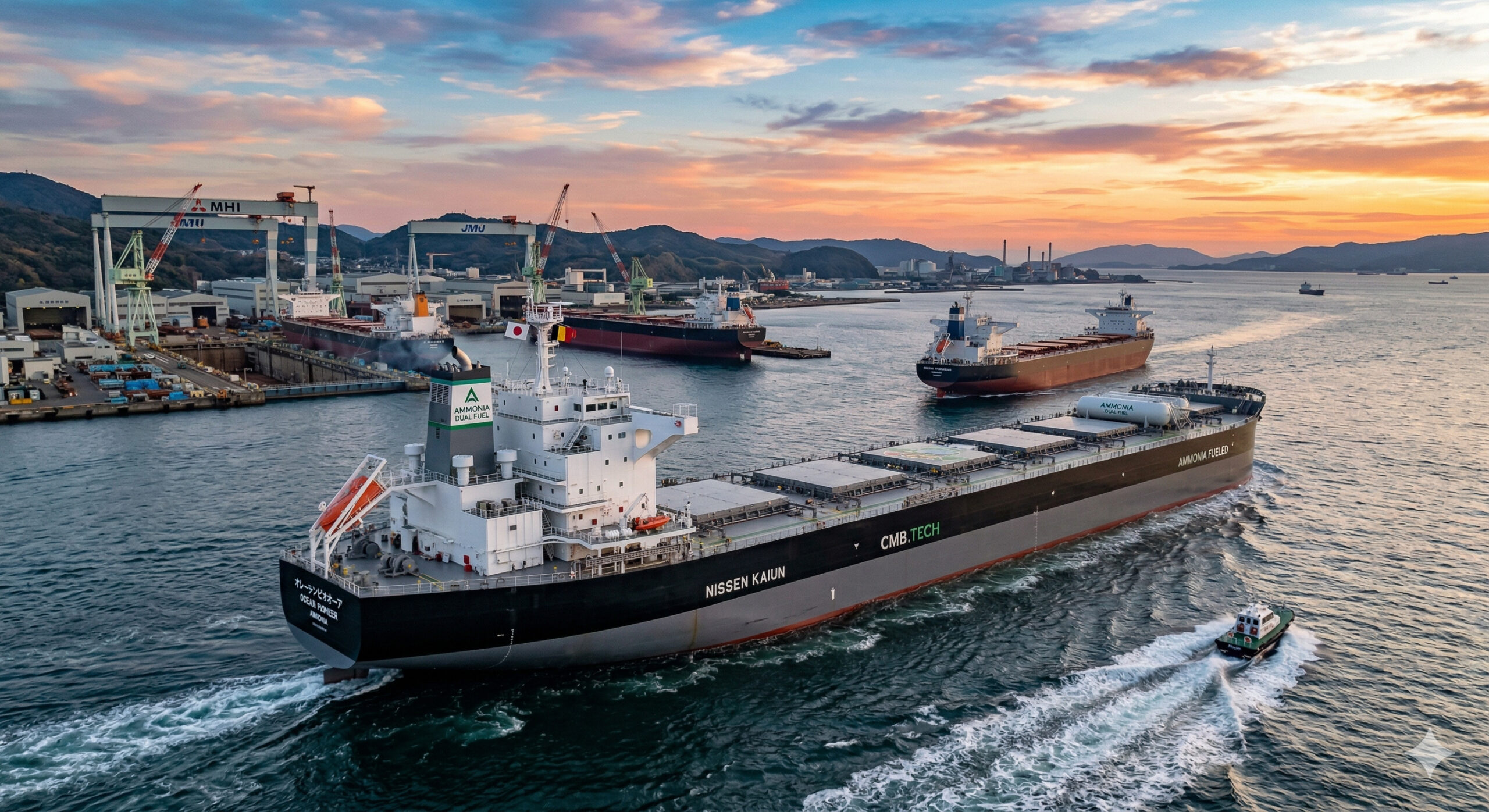
Nine giant ships of up to 210,000 gross tons equipped with dual fuel ammonia engines are being launched by Japan and Belgium. The project includes the world’s first Capesize vessels using this fuel, with contracts of up to 12 years, marking the beginning of a carbon-free ocean fleet starting in 2026.
The meeting also served to provide new perspectives on the hydrographic future of Rio Grande do Sul and was attended by ACI executives, entrepreneurs, representatives from business entities, Senator Luiz Carlos Heinze, a pre-candidate for governor of the state for the PP, and State Deputy Issur Koch.
Thus, the president of ACI, Diogo Leuck, commented on the importance of Port Meridional for the region and emphasized: “The construction of the port is essential to stem the flow of exports from Rio Grande do Sul through Santa Catarina and the loss of taxes and labor.” This is because, although the southern state has great relevance in the production of various export products, there is still a need for a new cargo handling route. Thus, the port of Arroio do Sal will be the central point of the region for the export of these products.
The Construction Project For Port Meridional Involves Investments Of R$ 6 Billion And DTA Engineering Is Accelerating The Process For The Arrival Of The Ships
In addition to commenting on the forecast for the start of cargo handling operations at Port Meridional, with the arrival of the first ships in 2024, the president of DTA Engineering reinforced some details about the venture.
Thus, the construction of the port in Arroio do Sal involves a total investment of R$ 6 billion and will bring a new direction for Rio Grande do Sul, as the port will have the capacity to handle 53 million tons per year, nearly double that of Port of Rio Grande.
The construction project for Port Meridional also includes ten berths for docking large ships, eight for containers, bulk solids, liquids, and gas, and two for cruise ships. Thus, in addition to the shipment of products and the movement of cargo at the port, the complex will serve as a booster for the tourism market in the state of Rio Grande do Sul after its completion in the coming years.
Moreover, the privileged location of Port Meridional in Arroio do Sal will allow for greater connection with companies in the northern part of the state, the mountains, and the Vale do Sinos, thus reducing the logistical cost of various products from Rio Grande do Sul, such as footwear, buses, wood, and cellulose, among others.








Seja o primeiro a reagir!