





 Portuguese
  English
  Spanish
  5 min of reading
  0 comments


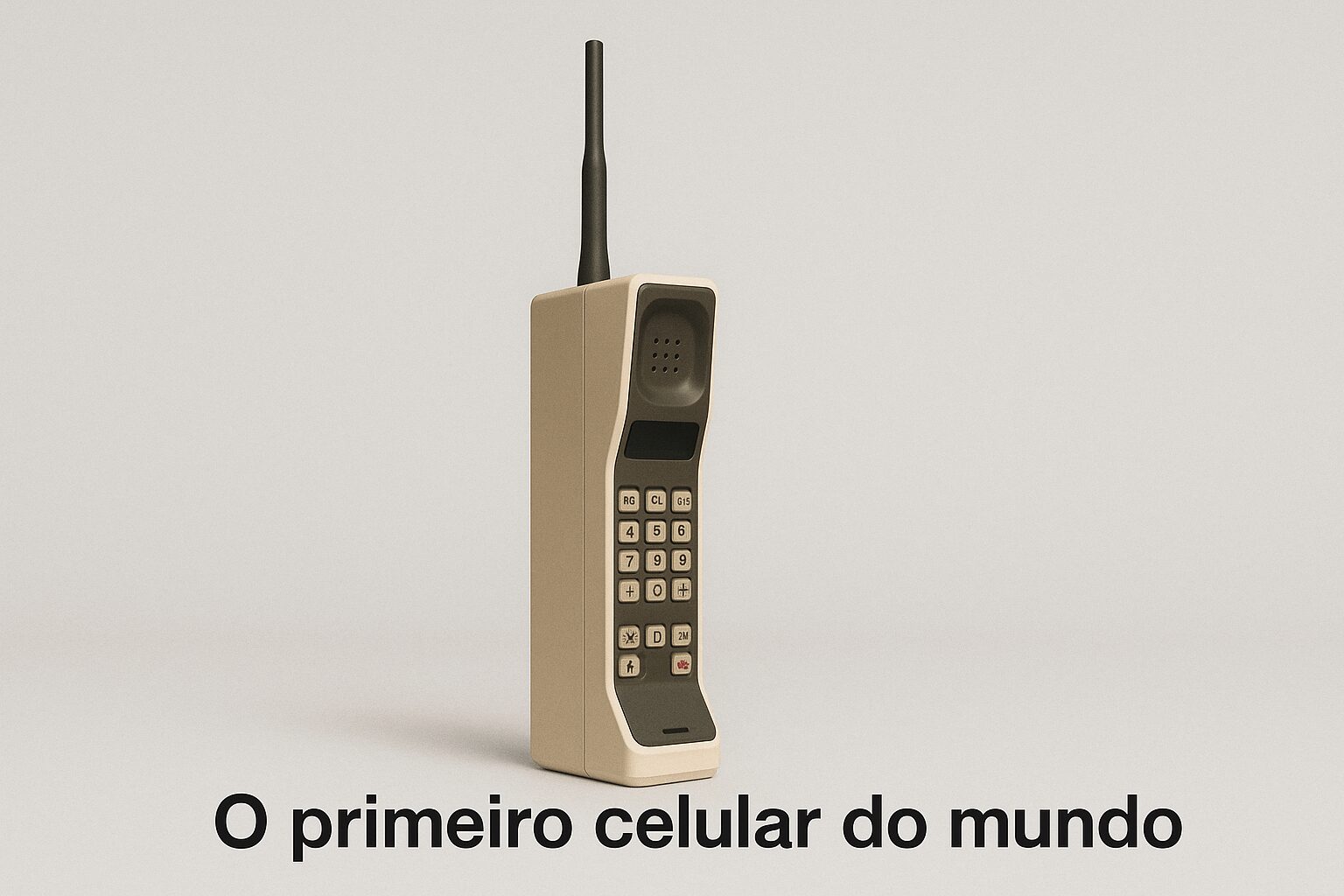
Motorola Prototype Paved The Way For The Future Of Wireless Communication Over 50 Years Ago. Discover The Details Of The DynaTAC 8000X – The First Cell Phone In The World!
The world changed on April 3, 1973. On that date, engineer Martin Cooper from Motorola made the first call using a cellular phone with a device that would go down in history: the DynaTAC 8000X. Weighing about 1.1 kg and with a battery life limited to just 30 minutes, the device was the first cell phone in the world and the starting point of a technological revolution that would radically transform the way we communicate.
The inaugural call, made by Cooper to an executive at AT&T, marked not only the beginning of mobile telephony but also symbolized the overcoming of a fierce technological race among companies. Decades later, the engineer is still remembered as one of the leading figures in global innovation, currently serving as emeritus chairman of Arraycomm.
DynaTAC 8000X: The First Cell Phone In The World Was Born From A Robust Prototype


The DynaTAC 8000X, which stands for “Dynamic Adaptive Total Area Coverage”, was developed with the goal of creating a portable and functional phone, even though its initial form was far from practical. The model measured about 25 cm in height (not including the antenna), had physical buttons and a rudimentary display, and required about ten hours for a full charge.
-
INMET danger alert: heavy rains between the 3rd and 4th may drop up to 100 mm/day and winds of 60 to 100 km/h in several regions of Brazil require extra caution.

-
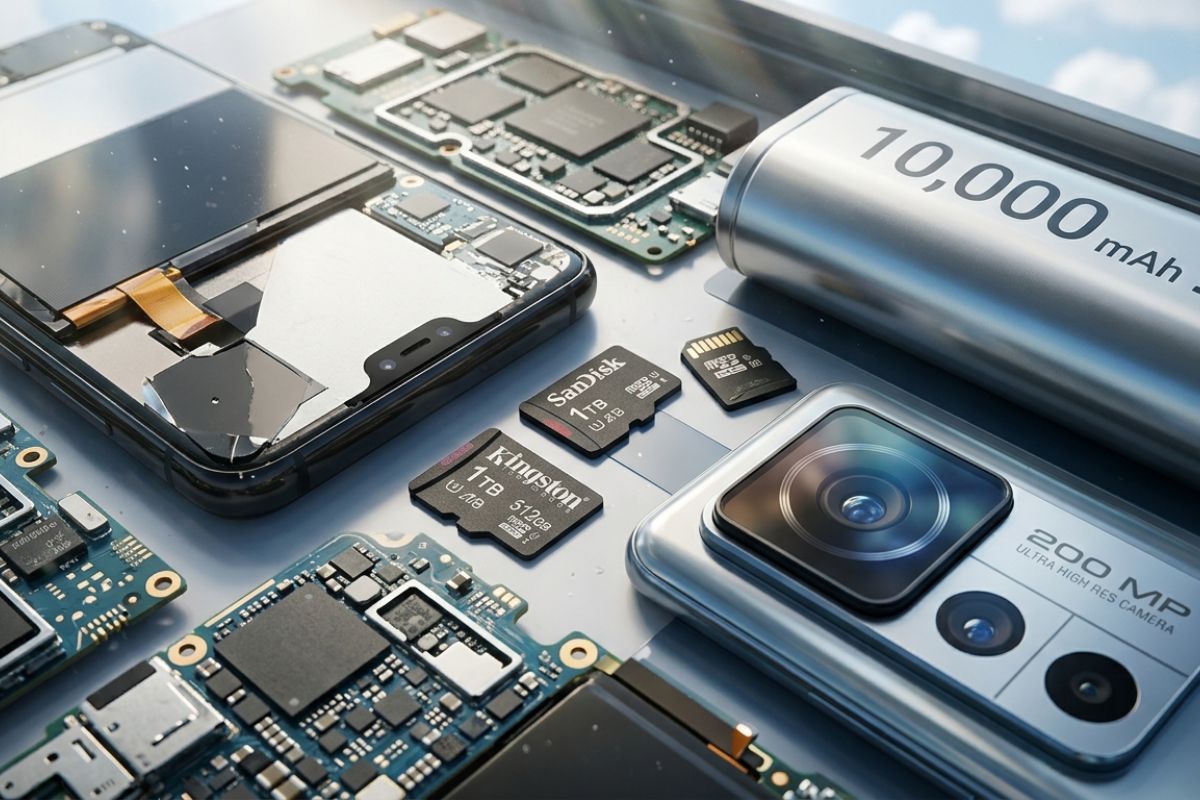
The parts crisis may bring back the drop notch and microSD in 2026; while Windows 11 promises to become lighter, leaks mention batteries of up to 10,000 mAh and 200 MP cameras.
-
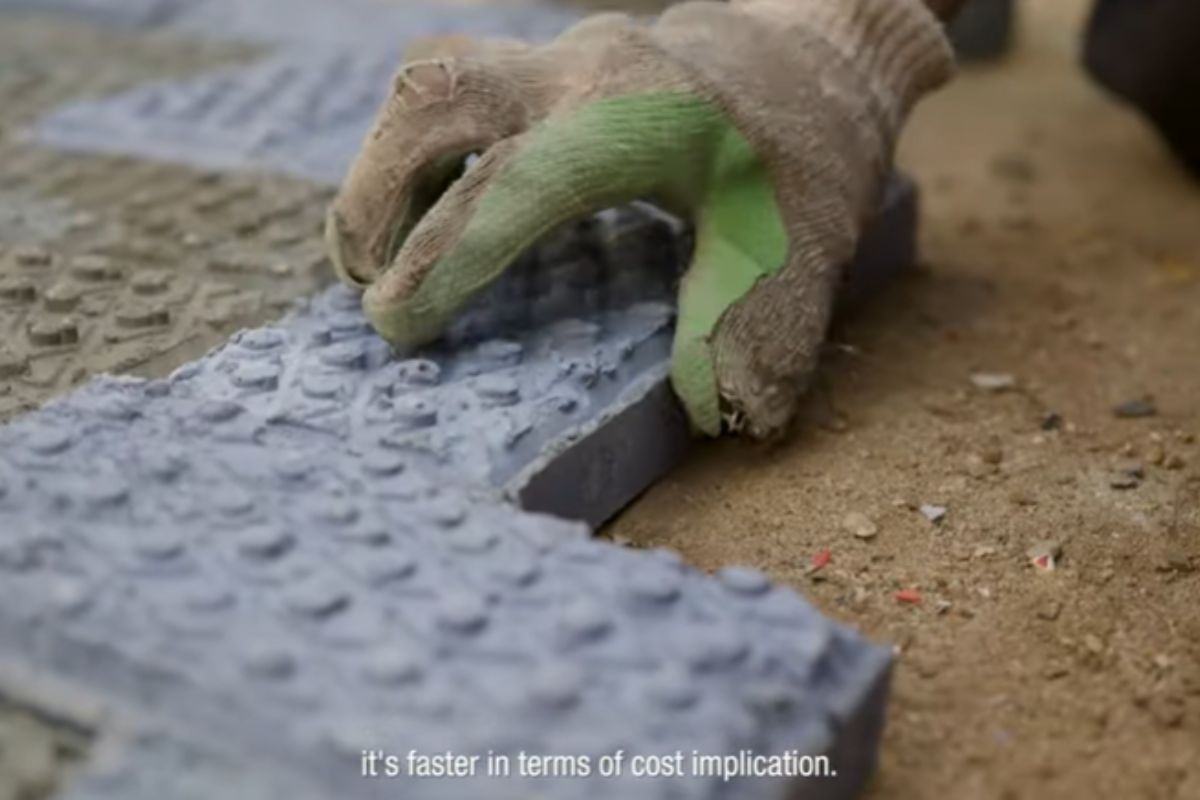
In Kenya, engineer Nzambi Matee created “bricks 2.0” using packaging plastic: a mixture with sand, heated and pressed; they are 5 times more resistant, already have official licensing, and are being used in streets and construction projects.
-
More than 20,000 positions could be opened, and thousands of technicians are starting to be trained in Brazil, as the expansion of data centers creates an urgent race for professionals to keep the internet, cloud, and artificial intelligence running 24 hours a day.

Despite its limitations, Motorola’s prototype received approval from the FCC (Federal Communications Commission), and in 1983 it became the first mobile phone authorized for commercial sale in the United States. At the time, the initial price was approximately US$ 10,000, making it an inaccessible product for most of the population.
Commercialization Of The DynaTAC 8000X Started Ten Years After The First Call
Motorola took nearly a decade to transform the functional prototype into a marketable product. The DynaTAC 8000X began selling in 1983, at a time when mobile telephony was still in its infancy. The network infrastructure was limited, and operational costs were high, which restricted its use to businesspeople, politicians, and celebrities.
Despite the high price and technical limitations — such as short battery life and non-ergonomic size — the DynaTAC represented an unprecedented advance in communication mobility. For the first time, it was possible to make calls without relying on landlines or public booths.
First Cell Phone In History Sold Only 2,000 Units, But Paved The Way For The Entire Industry
The first cell phone in the world was not a commercial success. During the time it was available, the DynaTAC 8000X sold about 2,000 units. Still, its importance for the evolution of communication was immeasurable.
Motorola knew that the model was just the first step. Instead of betting on mass production, it used the lessons learned from the DynaTAC as a basis to create lighter, cheaper, and more accessible devices. This transition was fundamental for the development of the MicroTAC 9800X, launched in 1989, which weighed around 380 grams and introduced the flip format — which would become an icon of cell phones in the 1990s.
Martin Cooper And The Vision That Transformed The Future Of Mobile Communication
Martin Cooper, the engineer behind the DynaTAC, is considered the father of cellular telephony. The idea of creating a mobile phone was born from dissatisfaction with the limited radio systems of the time, which only allowed communication in specific locations using equipment installed in vehicles.
By making the inaugural call from the DynaTAC to Joel Engel, an executive at rival AT&T, Cooper not only introduced his innovation to the world but also signaled Motorola’s capacity to lead the industry. The call, made in the middle of 6th Avenue in New York, is recorded as the zero mark of portable mobile communication.
Today, at 94 years old, Martin Cooper continues to participate in events and discussions about technology, reinforcing the importance of continuous innovation and the responsible development of new solutions.
The Evolution Of Cell Phones After The DynaTAC 8000X
After the launch of the DynaTAC 8000X, Motorola and other manufacturers accelerated their investments in the sector. The early 1990s saw the arrival of models like the MicroTAC, and subsequently the StarTAC, which further popularized cell phones.

The devices gradually became smaller, with longer-lasting batteries, the ability to store contacts, and features such as message sending. Access to mobile telephony began to be seen as a status symbol, but gradually democratized, gaining strength with the entry of carriers and the expansion of GSM networks.
The transformation of the cell phone into a “smartphone” was the next step in this evolution. Today, cell phones feature advanced cameras, internet access, GPS, apps, facial recognition, and have become central to modern life. None of these innovations would have been possible without the pioneering step taken with the DynaTAC 8000X.
The Legacy Of The DynaTAC 8000X Lives On
Although it was quickly replaced by more practical and accessible models, the DynaTAC 8000X remains an icon in the history of technology. Various units have been preserved in museums, exhibitions, and private collections, being recognized not only for their function but for representing the turning point of an era.
In retrospect, the 1 kg device that allowed 20 minutes of conversation and required 10 hours of recharging may seem obsolete. However, its importance is undeniable: without it, perhaps the digital world as we know it today would have followed a different pace or direction.
Motorola, on the other hand, entered history as a pioneer in the mobile telecommunications industry. The DynaTAC may not have achieved significant sales numbers, but it changed the course of human communication — and that is the kind of revolution that marks generations.








-

-

-

4 pessoas reagiram a isso.