





 Portuguese
  English
  Spanish
  3 min of reading


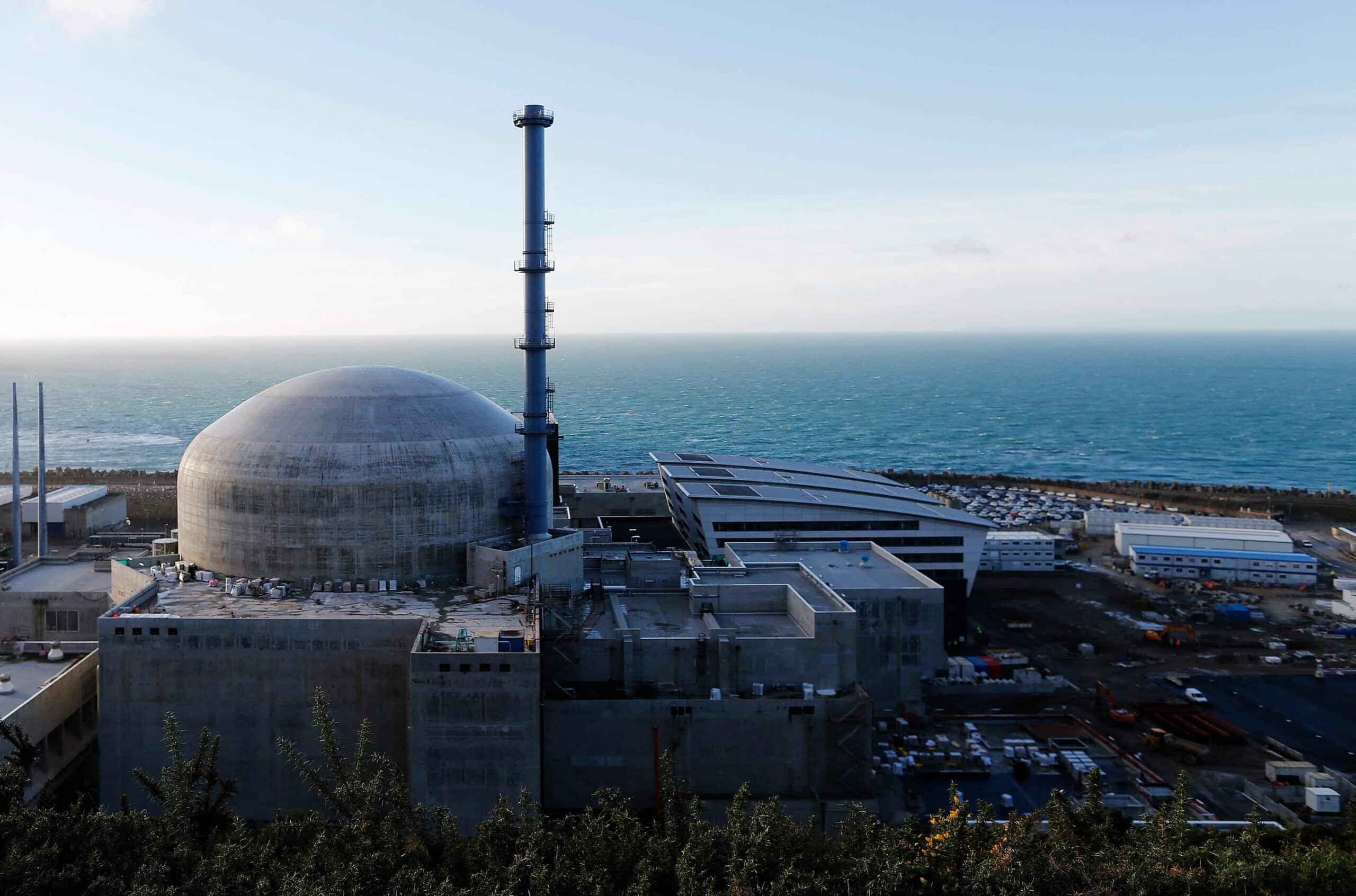
The Delay Is Due to the Need for Studies on Thermal Stress Relief Treatment at the Nuclear Power Plant. EDF Will Need to Add Over US$ 530 Million to the Project Investment Following the Delay in Fuel Loading at Flamanville 3.
During last Friday, (12/16), the multinational company EDF announced a significant delay in the fuel loading of the Flamanville 3 nuclear power plant, located in France. This is because additional studies will be necessary for the thermal stress relief treatment of some welds. The project, which was supposed to start production in 2013, continues to face constant delays in its development, impacting the final delivery timeline.
Fuel Loading at the Flamanville 3 Nuclear Power Plant Has Been Postponed from 2023 to 2024, Impacting the Investment Required by EDF for the Project
The EDF company ended the last week with not-so-positive news for the development of its nuclear power plant project located in France.
This is because the fuel loading process for the reactor at the plant will have to be postponed from the second quarter of 2023 to the first quarter of 2024.
-
Fukushima Marks A Turning Point In Japan’s Energy Policy: After The Disaster, The Country Shut Down Its 54 Nuclear Reactors And, 15 Years Later, Only A Small Portion Have Returned To Operation

-
How Japan Overcame The Nuclear Bomb And Now Houses Millions In Hiroshima, While Ukraine Lost Chernobyl?

-
Bill Gates Receives Historic Approval to Build Giant 345 MW Nuclear Plant in the U.S. and Promises to Generate Up to 500 MW of Energy with Innovative Technology
-
India Opens Nuclear Energy to Private Capital to Accelerate Projects and Attract Billions, While Brazil Remains Stalled at Angra 3 and Discusses Who Will Foot the Bill for Completion

According to the company, the delay in the Flamanville 3 project will add US$ 530 million to the required investments for its completion.
The postponement of fuel loading is due “mainly to additional studies required to establish a new process for the thermal stress relief treatment (SRHT) of some welds, which have been enhanced over the past two years, located near sensitive equipment areas for the operation of the nuclear plant,” as stated by EDF.
This is a process carried out on the pieces after welding to ensure the relief of any remaining stresses, in addition to providing the necessary and adequate characteristics for the welded piece.
Now, EDF continues to invest in efforts to accelerate the processes of the Flamanville 3 nuclear power plant.
Postponement of Fuel Loading Adds Another Delay for the Flamanville 3 Nuclear Power Plant and Impacts EDF’s Project
Following the announcement of the postponement of fuel loading at Flamanville 3, EDF stated that “The teams are now moving to the final stage of the thermal stress relief treatment of the updated welds and to the finalization stage of the main secondary circuit.”
The energy company also announced that the average cost for the delivery of the project has increased from EUR 12.7 billion to EUR 13.2 billion, a significant impact on the necessary investments for the completion of the project.
This is the latest in a series of delays for the project in Normandy, northern France, which was originally expected to begin commercial operations in 2013.
Despite this, EDF emphasized that some essential achievements for Flamanville 3 have been made in recent months.
This includes the completion of the complex work of upgrading the penetration welds of the main secondary circuit, which were considered according to the concept of pre-break.
These operations required more than twelve months of analysis and qualification before being implemented at Flamanville 3.
Learn More About EDF
EDF is one of the leading renewable energy companies in the UK and Ireland, developing, building, operating, and maintaining innovative wind, solar, and battery storage projects. It is also currently investing in the decarbonization of the UK transport sector and in the development of vital energy infrastructure to charge electric vehicles.








Seja o primeiro a reagir!