





 Portuguese
  English
  Spanish
  4 min of reading
  0 comments


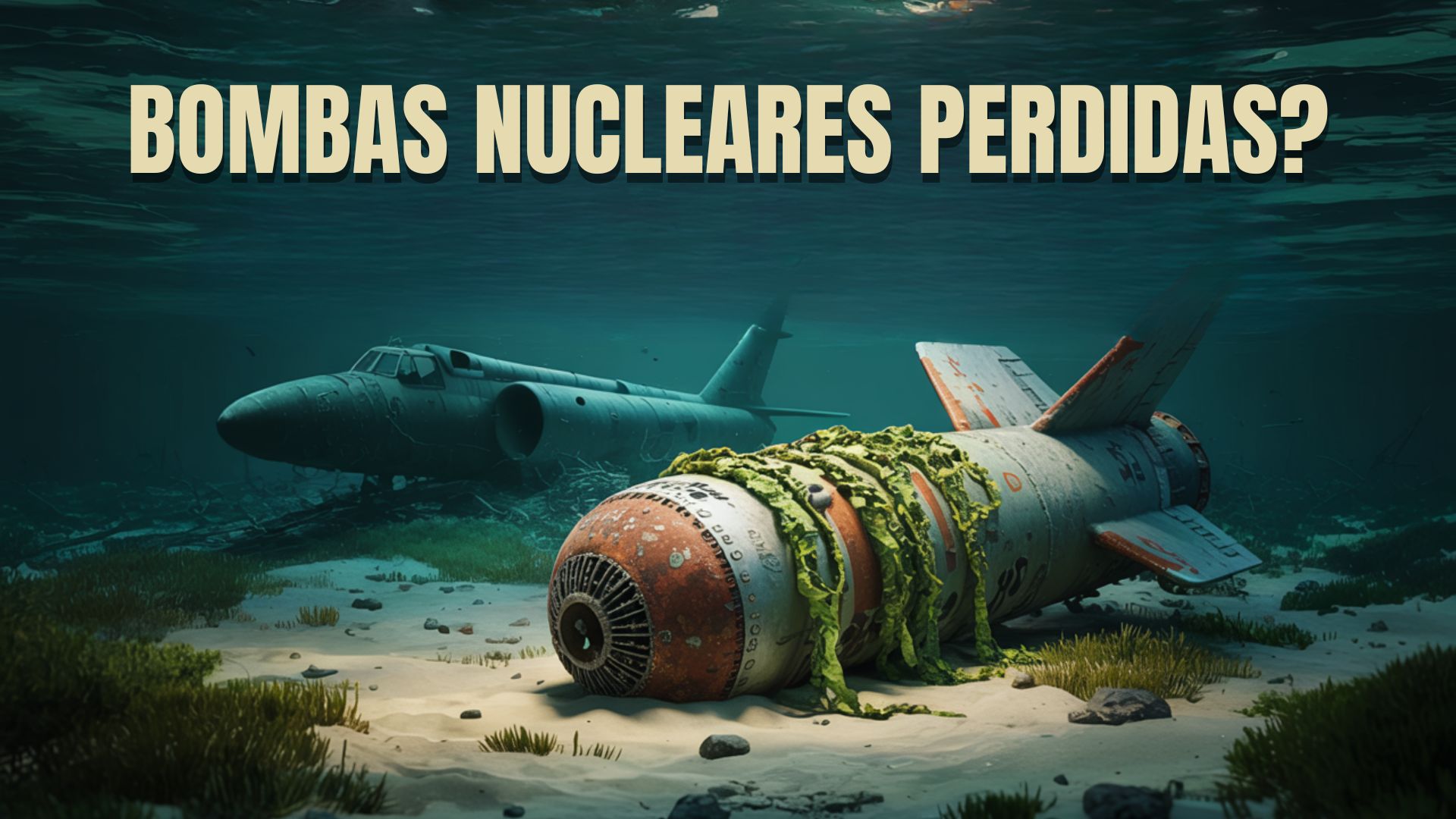
Three Nuclear Bombs Were Lost by the USA — One Remains Missing to This Day. The Cases Reveal Alarming Failures in Cold War Times and the Hidden Danger Behind Nuclear Power.
During the Cold War, as the arms race heightened tensions among world powers, the United States was involved in a series of incidents that still intrigue the world today. On different occasions, the country lost nuclear bombs on its own soil and in remote regions of the planet. These cases, officially known as “Broken Arrow”, reveal serious failings in the handling of weapons with devastating potential.
According to military records, the term Broken Arrow is used to describe an accident involving nuclear weapons that does not result in imminent war. Still, the environmental, human, and diplomatic risks are high. Three significant episodes involve the disappearance or near detonation of nuclear bombs in the states of Georgia and North Carolina, in addition to an accident over the Greenland Sea.
Tybee Island (1958): The Bomb That May Still Be at the Bottom of the Sea
On February 5, 1958, a B-47 Stratojet bomber from the US Air Force was conducting a nighttime training exercise over the state of Georgia. The aircraft was carrying a Mark 15 nuclear bomb, weighing over 3 tons. During the simulation, the B-47 collided with an F-86 fighter jet.
-
Tourists on Everest were poisoned by guides who mixed substances in food to provoke false symptoms of altitude sickness while helicopter operators and hospitals charged inflated rescue fees to insurance companies.

-
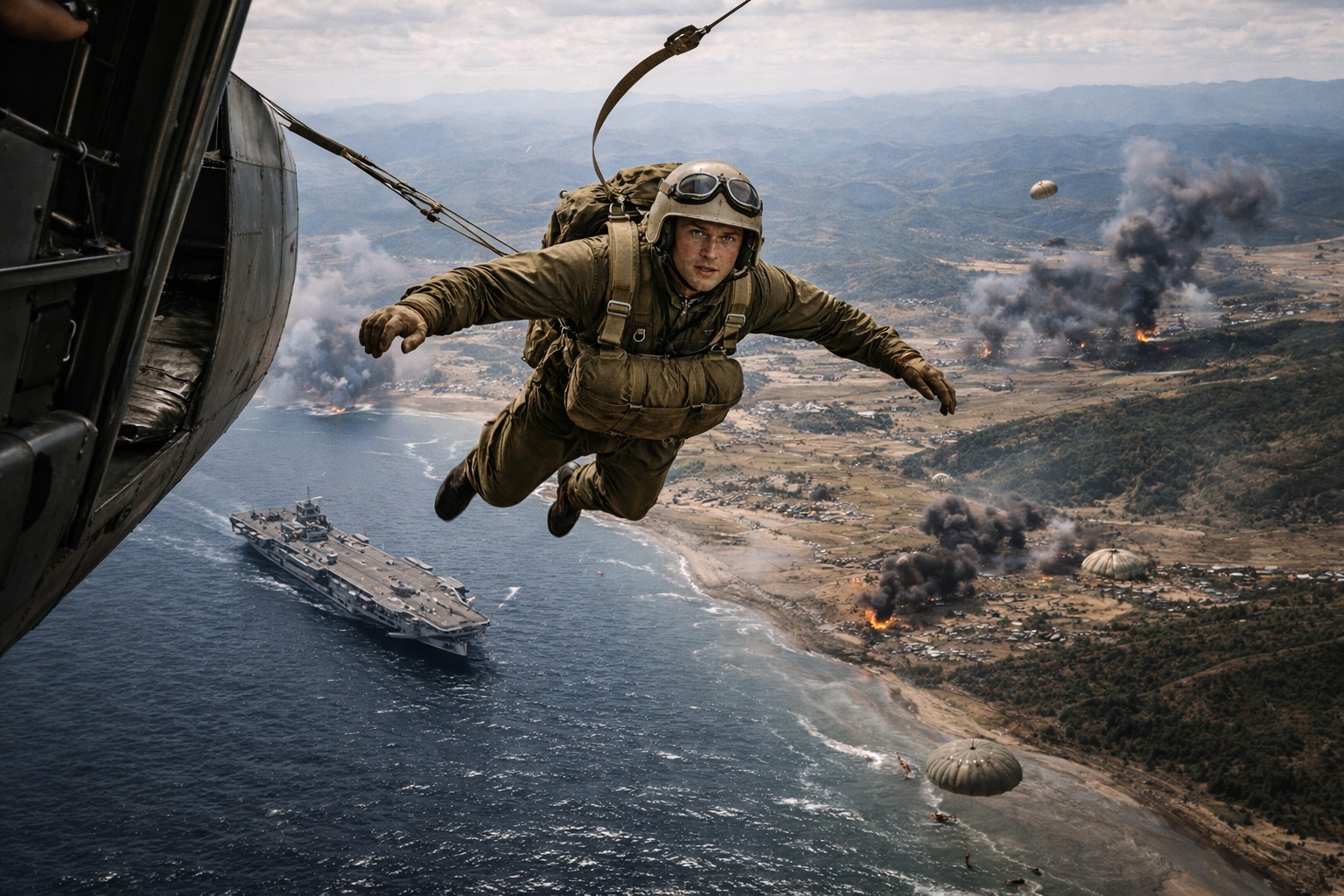
Few people know this, but Neil Armstrong, one of the most famous NASA astronauts in history, survived the Korean War after jumping from the plane during his seventh combat mission aboard the USS Essex aircraft carrier of the United States.
-
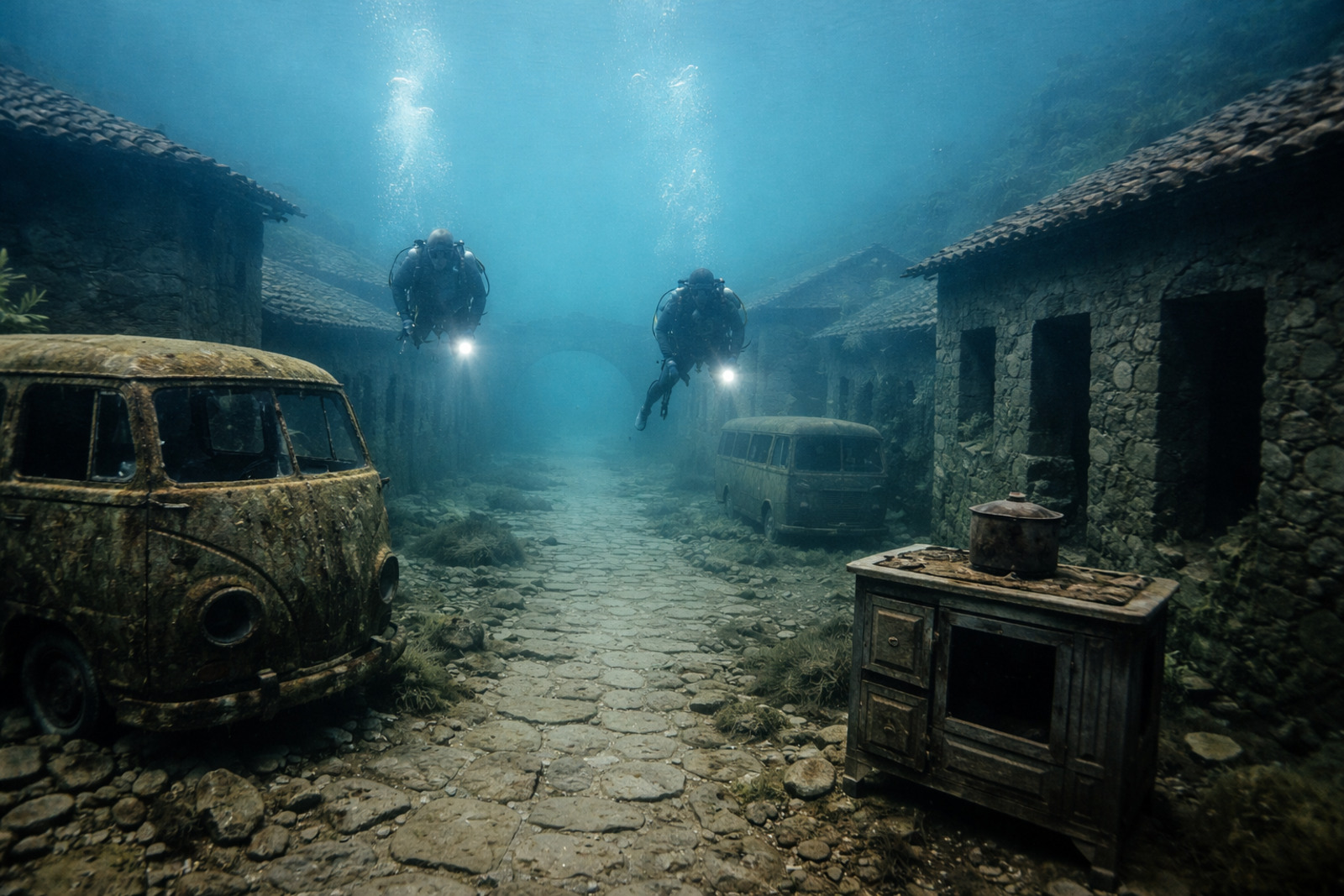
Diving with a camera in Lake Furnas reveals a submerged city with an entire street, almost intact houses, a preserved bridge, a wood stove, a Kombi, and even a bus at the bottom of the largest lake in the Southeast.
-
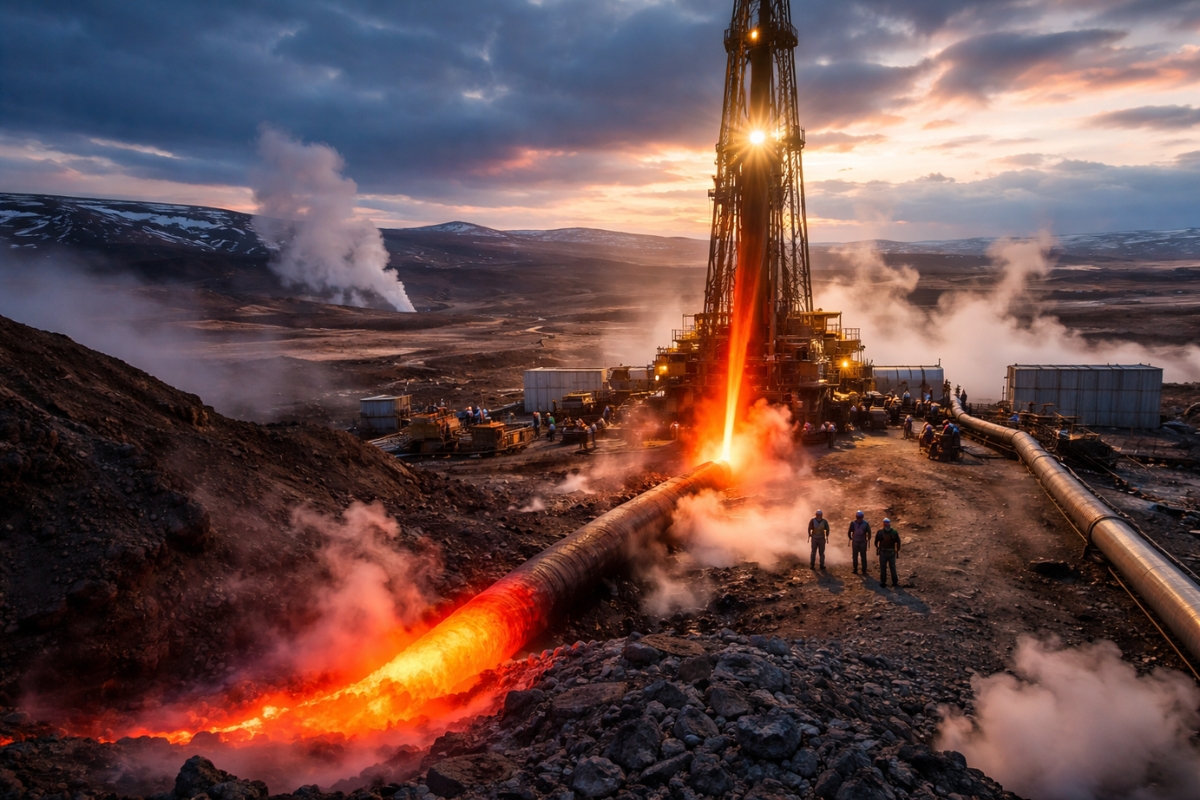
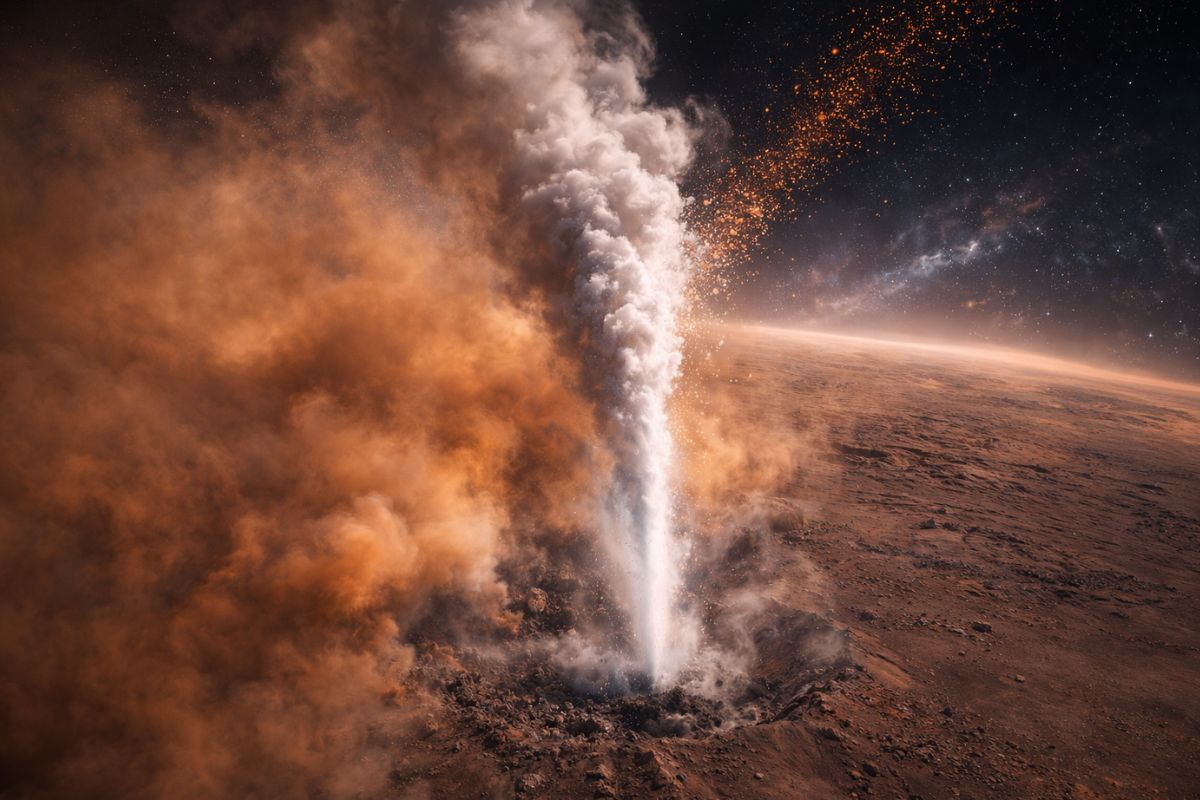
Iceland accidentally drilled into a magma pocket at 2,100 meters and revealed that the extreme heat beneath the crust could pave the way for a new source of continuous energy.

To preserve the crew and stabilize the damaged aircraft, the commander decided to jettison the bomb into the sea, near Tybee Island. Despite subsequent searches, the device was never recovered. It is estimated to be dozens of meters deep in the Atlantic seabed.

The government stated that the bomb was not armed with a plutonium core. However, declassified documents from 2001 revealed that this version may not be entirely true. To this day, the Tybee Island case remains unsolved, being one of the most unsettling examples of missing nuclear bombs in peacetime.
Goldsboro (1961): The USA Came Close to Destroying North Carolina
On January 24, 1961, a B-52 Stratofortress flying over the city of Goldsboro, North Carolina, suffered a structural failure in mid-flight. The aircraft was carrying two Mark 39 nuclear bombs, each with destructive capacity equivalent to more than 250 times that of Hiroshima.
During the descent, one of the bombs armed partially. Its parachute was deployed, and the device fell gently onto a farm. The other fell freely and was completely destroyed upon impact. Subsequent investigations indicated that three of the four safety systems of the armed bomb failed. Only one switch, inadvertently turned off, prevented a nuclear explosion.
Experts consider this one of the most serious incidents in American nuclear history. The then Secretary of Defense acknowledged that the country was “one hair” away from causing a catastrophe of unimaginable proportions on its own territory.
Thule (1968): Nuclear Contamination in the Arctic
On January 21, 1968, another Broken Arrow occurred, this time on foreign soil. A B-52G was flying over the Thule Air Base area in Greenland as part of the “Chrome Dome” mission, which kept aircraft with nuclear weapons in the air for rapid response.
During the flight, a fire broke out in the cockpit, forcing the crew to abandon the aircraft. The plane crashed onto the ice of the frozen sea, carrying four B28 nuclear bombs. The collision detonated the conventional explosives inside the artifacts, scattering radioactive material throughout the area.
The cleanup operation, called “Crested Ice”, lasted for months. Soldiers and civilians worked under extreme temperatures to recover the wreckage and contain the contamination. Despite efforts, parts of one of the bombs were never found. Environmental concerns persist to this day.

How Many Nuclear Bombs Have the USA Lost?
According to data released by the United States Department of Defense, more than 30 incidents classified as Broken Arrow occurred between 1950 and 1980. In at least six of them, the bombs were never recovered. Although not all devices were armed with a full load, the mere risk of contamination and logistical failures raise questions about the safety of the American nuclear arsenal during the Cold War.
Analysts point out that these incidents remain shrouded in secrecy, with details omitted for national security reasons. Most official documents were declassified only decades after the events, often pressured by journalists and researchers.
Risks and Lessons
The cases of lost nuclear bombs expose vulnerabilities in systems considered inviolable at the time. Military operations of transport and air patrol with active armament have shown that human and technical failures could lead to irreversible consequences.
The US Armed Forces restructured their security protocols in the following decades. Currently, most flights with nuclear warheads are restricted and highly controlled. Nevertheless, Broken Arrows remain a warning about the dangers of uncontrolled nuclear power.







Seja o primeiro a reagir!