





 Portuguese
  English
  Spanish
  5 min of reading
  0 comments


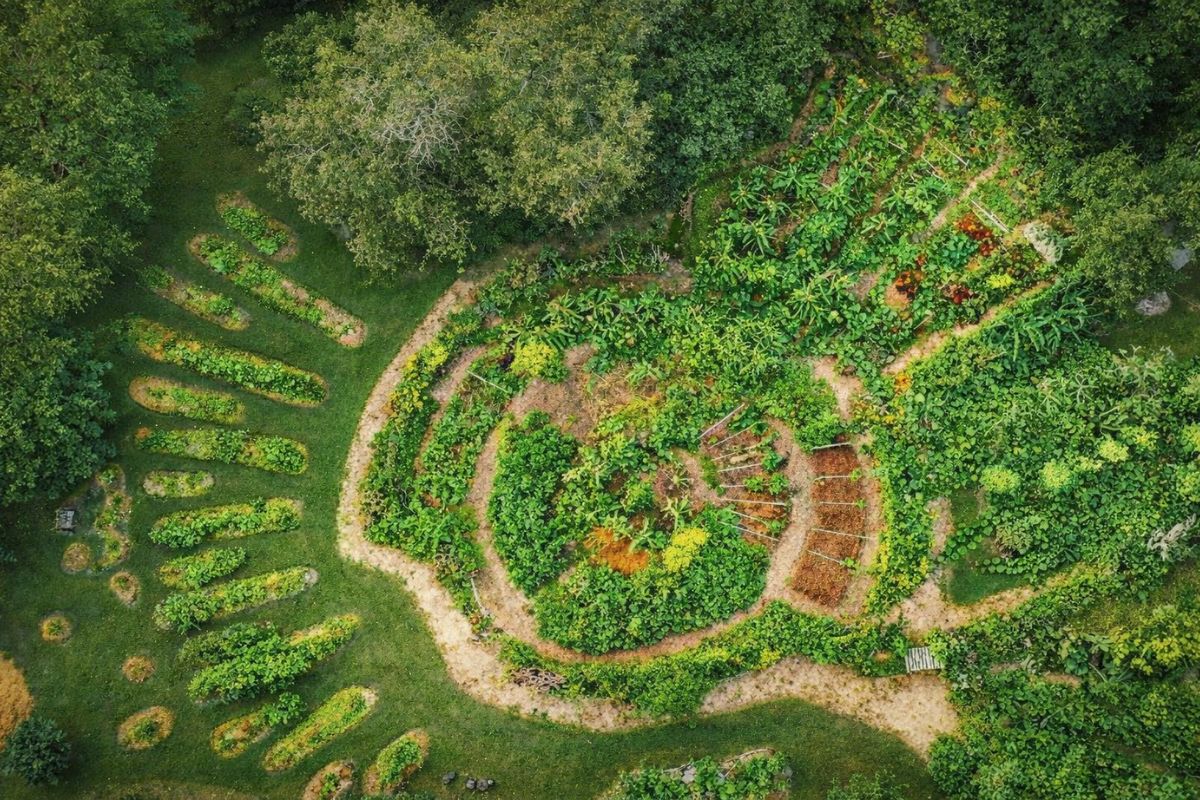
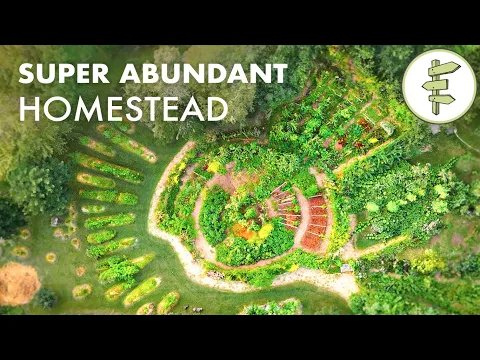
In Three Years, A Family Of Four Reorganized A 2.3 Acre Property, Applied Permaculture Principles, Began Growing 150 Varieties, And Achieved 90% Food Self-Sufficiency, Combining Biodiversity, Harvest Conservation, And Seasonal Planning To Reduce Costs, Waste, And Weekly Dependence On Supermarkets Without Sacrificing Nutrition.
The family running the project in southern Ontario, Canada, shifted from a common consumption pattern to a logic of continuous food production. Instead of treating the yard as an ornamental area, they transformed the space into a living supply structure, with clear goals for nutritional quality, stability, and autonomy.
The result grabs attention not only for the volume but for the method. In about three and a half years at the property, the group began producing approximately 90% of what it consumes, growing 150 varieties throughout the year and reducing recurring purchases to the minimum necessary, without abandoning criteria for diversity and conservation.
When The Family Arrived, The Scenario Was Promising On Paper And Difficult In Practice

The property found in 2019, although spacious, was not ready for a high-productivity food system. There were signs of degraded forest and excess water in parts of the land, which required intense physical work for drainage and initial reorganization. The basis for the turnaround was not expensive equipment, but correct diagnosis and disciplined execution.
-
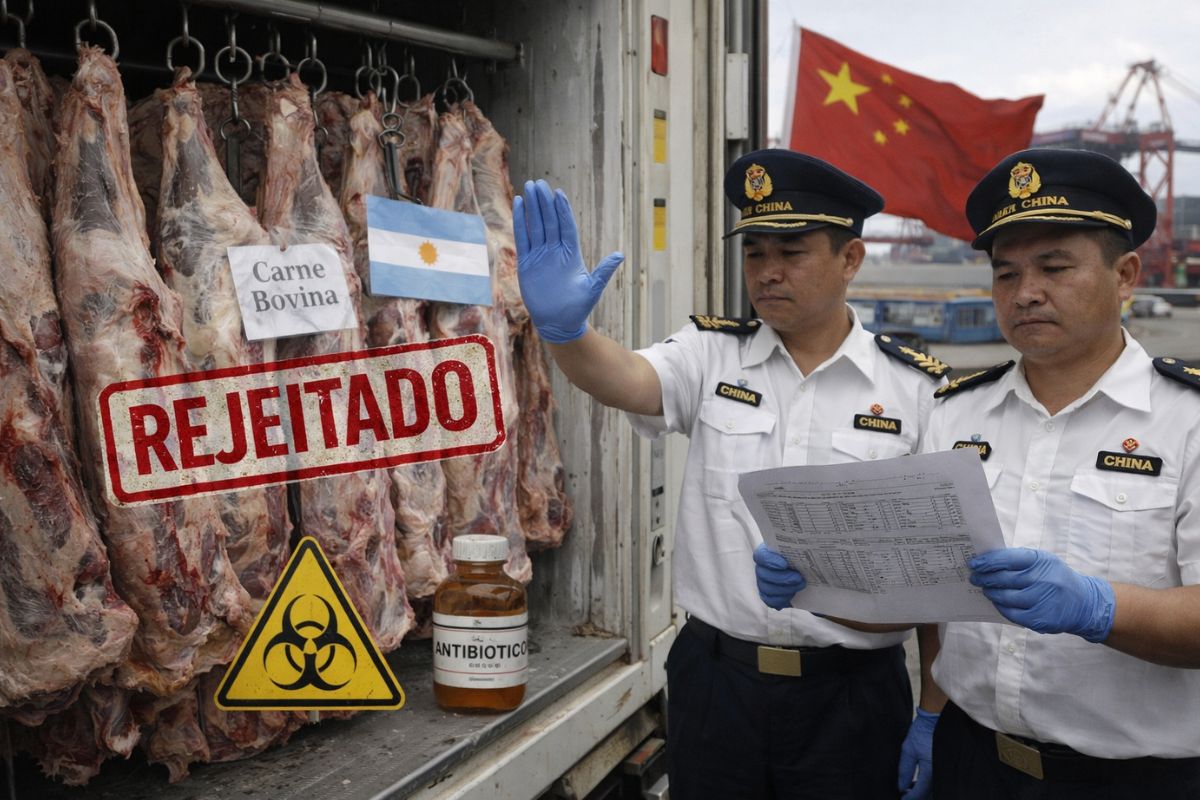
China rejected an entire shipment of beef from Argentina after detecting an antibiotic so dangerous that it has been banned for human consumption for over 30 years, and now the export sector is facing a crisis of international trust.
-
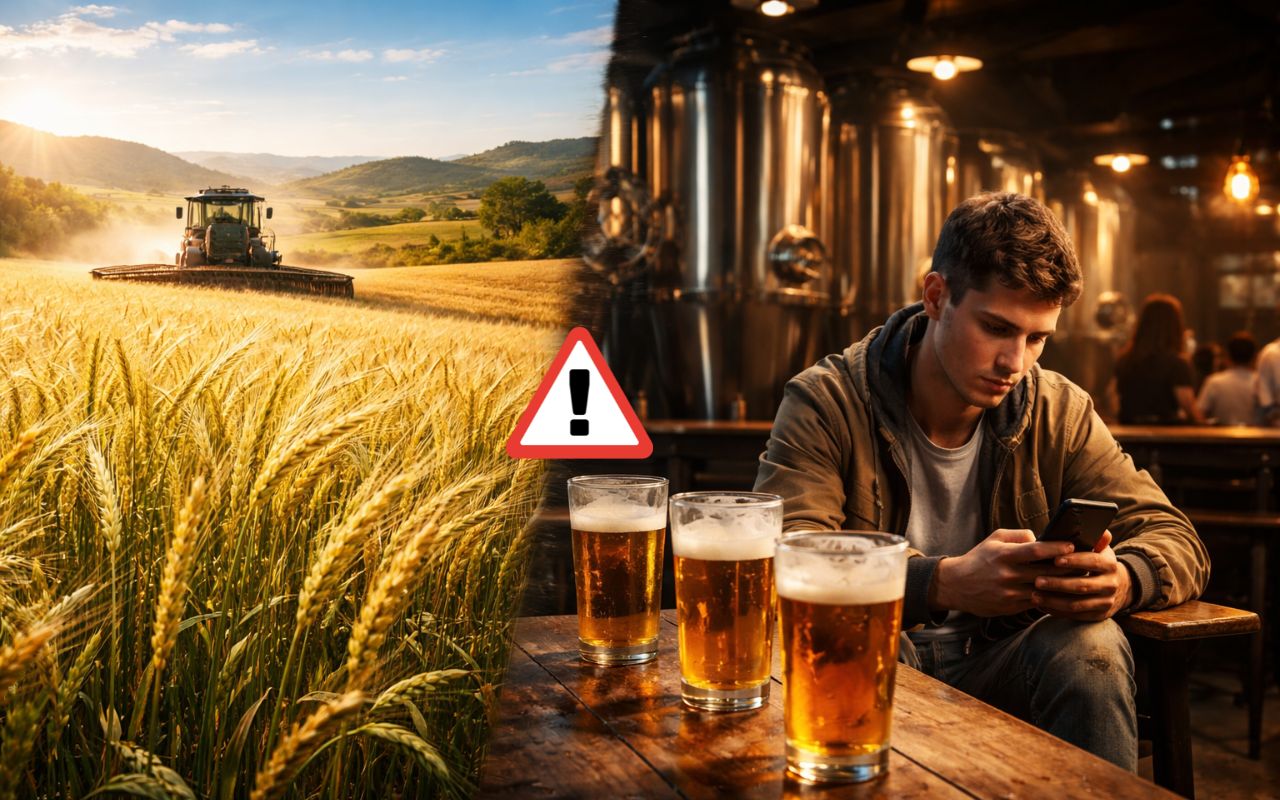
With nearly 500 thousand tons per year, barley production is growing in Brazil, while a decline in beer consumption among Generation Z raises alarms in the sector.
-
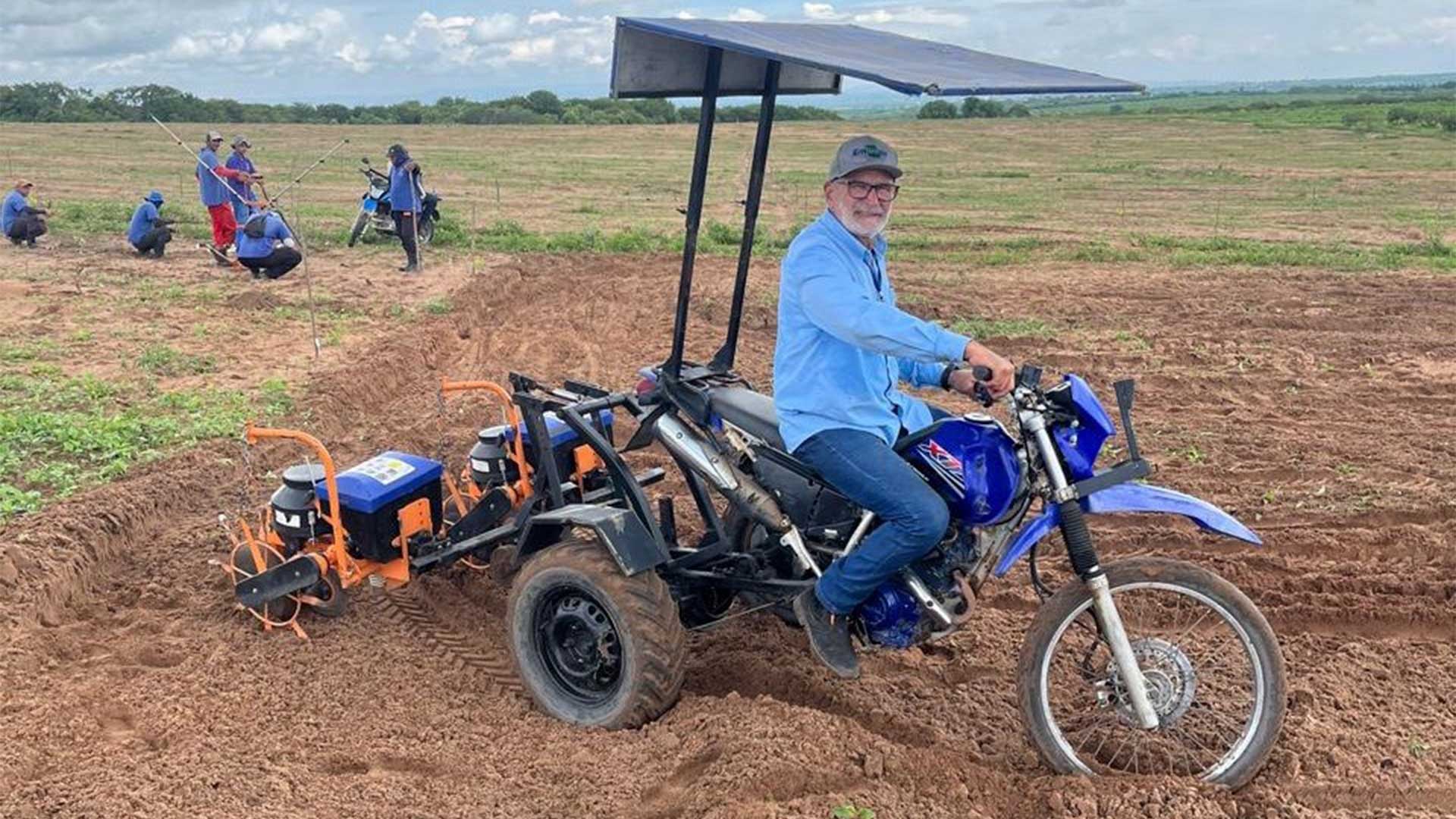
With tractors out of reach for small producers, a tricycle created by Embrapa Algodão becomes a cheap and efficient solution and gains national prominence.
-
From 130 producers in the year 2000 to just 15 today: the dramatic decline of passion fruit in Araguari shows how the lack of labor in the Brazilian countryside is killing a decades-old agricultural tradition, even with Brazil being the largest producer in the world.

Before the more robust agricultural phase, the family needed to stabilize the environment. The strategy was to solve the water problem manually and start in an area with greater immediate viability, using simple soil preparation with cover and organic matter. This decision shortened the time between implementation and first harvests, accelerating learning.
How The Family Built A 12-Month Production Without Relying On A Single Plot

A large part of the production comes from the front yard, but the system is not limited to one point. The family distributed the planting across several gardens around the property, reducing climatic risk, spreading harvest cycles, and expanding the repertoire of species. Diversifying space and calendar was as important as diversifying crops.

Throughout the year, management combines fast-growing crops with storage items and larger seasonal harvests. Mint, basil, spinach, cucumbers, peppers, beets, carrots, corn, and other species that support the menu and stock are included in the routine. The goal is not just to harvest a lot in peaks but to maintain a constant flow.

Why Conservation Became The Heart Of The Family’s Food Autonomy

Producing plenty without proper conservation leads to waste. For this reason, the family established a household post-harvest protocol: drying, freezing, fermenting, and canning, in addition to simple storage practices for vegetables and roots. During periods of abundance, part of the day is dedicated exclusively to transforming food.
This planning creates a bridge between harvest and off-season. Once the peak passes, the household enters a phase of organized consumption of what has been processed, with predictable stock for months. 90% autonomy depends less on the “day of harvest” and more on the intelligence of the “next day”.
Biodiversity, Permaculture, And Ecological Management In The Family’s Routine

The logic of cultivation follows permaculture principles with a mix of species and encouragement of biodiversity. Instead of monocultural blocks, there are consortia and combinations of plants that protect each other, occupy different niches, and reduce pest pressure. The contrast observed between isolated beds and mixed beds reinforces this resilience gain.

Another central point is the use of local resources without dependency on artificial inputs as a main axis. The family maintains composting, utilizes water from the property, and adjusts plant barriers to reduce losses to animals, while also planting external areas as “diversion” to decrease invasions in the main beds. It’s production with ecological design, not just human effort.
How Much The Family Still Buys And What Remains Outside Of Self-Sufficiency

Even with a high level of autonomy, the system is not closed. The family still buys items such as milk, cheese, and yogurt because they do not raise animals on-site. They also maintain a gradual transition in flours and grains, testing combinations between their own production and external purchases to preserve culinary performance and practical viability.
In the budget, trips to the market have become sporadic compared to the previous pattern. The reference shared by the family indicates weeks of slim shopping for a core of four people, something made possible by the volume produced on the land and by planning for conservation. Real self-sufficiency is not “zero purchases,” it is “strategic purchasing.”
Work, Learning Curve, And The Family’s Physical Limits In The Process

There is a frequent romanticization of self-sufficient projects, but the experience shows a demanding component of daily work, especially at the beginning. In phases of land cleanup and preparation, the physical load was high, and adjusting the pace required recognizing the limits of the body, distributing tasks, and asking for help when needed.
Over time, the family simplified steps, standardized processes, and reduced improvisation. This operational maturation explains why the system became more sustainable in the long run. The project only sustains itself because it moved from a logic of extreme effort to a logic of continuous method.
The Social Role Of The Family Beyond Their Own Plate
In moments of overproduction, especially in high-volume crops, the family directed surpluses for sharing with people in need and for donation. This choice transforms the self-sufficiency project into an action of community impact, without losing the technical focus of cultivation.
At the same time, the group also shares practical knowledge for those who want to start smaller, with less area and less complexity. The central message is that producing food is not a skill restricted to specialists: it begins with organization, observation, and consistency. The family’s individual autonomy gained collective reach.
The trajectory of this family shows that food autonomy does not arise from an isolated trick, but from a system: ecological management, efficient conservation, seasonal planning, crop diversity, and daily discipline. In three years, 2.3 acres ceased to be common space and began functioning as an infrastructure for food, health, and predictability.
If you had to apply just one part of this model to your reality today, what would it be: expand cultivation, improve conservation, reduce waste, or reorganize household purchases? And in your neighborhood, what most hinders a family from relying less on the market?








-

-

-

-

-

-

57 pessoas reagiram a isso.