





 Portuguese
  English
  Spanish
  5 min of reading
  0 comments



Entrepreneurs Will Have Access to Credit of Up to R$ 150 Thousand and Up to Seven Years to Pay; Pronampe and Nossocrédito Expand Access to Financing in 2025.
The dream of starting a business is becoming more accessible for thousands of Brazilians. Amid a scenario of economic recovery and encouragement for job creation, the federal government and state programs are expanding credit lines aimed at micro and small enterprises. Initiatives include the Pronampe (National Support Program for Microenterprises and Small Businesses) and Nossocrédito, which are especially targeted at beginner entrepreneurs and freelancers.
Together, these initiatives can offer loans of up to R$ 150 thousand, with payment terms of up to seven years and interest rates below market, creating opportunities for those who wish to formalize a small business, invest in equipment, or expand operations.
Pronampe: The Federal Program That Boosts Small Businesses
Created in 2020 and maintained by the federal government, Pronampe has established itself as the main credit line for micro and small enterprises (MPEs) in the country. Managed by the Ministry of Entrepreneurship, Microenterprise, and Small Business (MEMP) and operated by public and private banks, the program offers loans of up to R$ 150 thousand per CNPJ, with 11 months of grace period and total payment terms of up to 84 months (seven years).
-
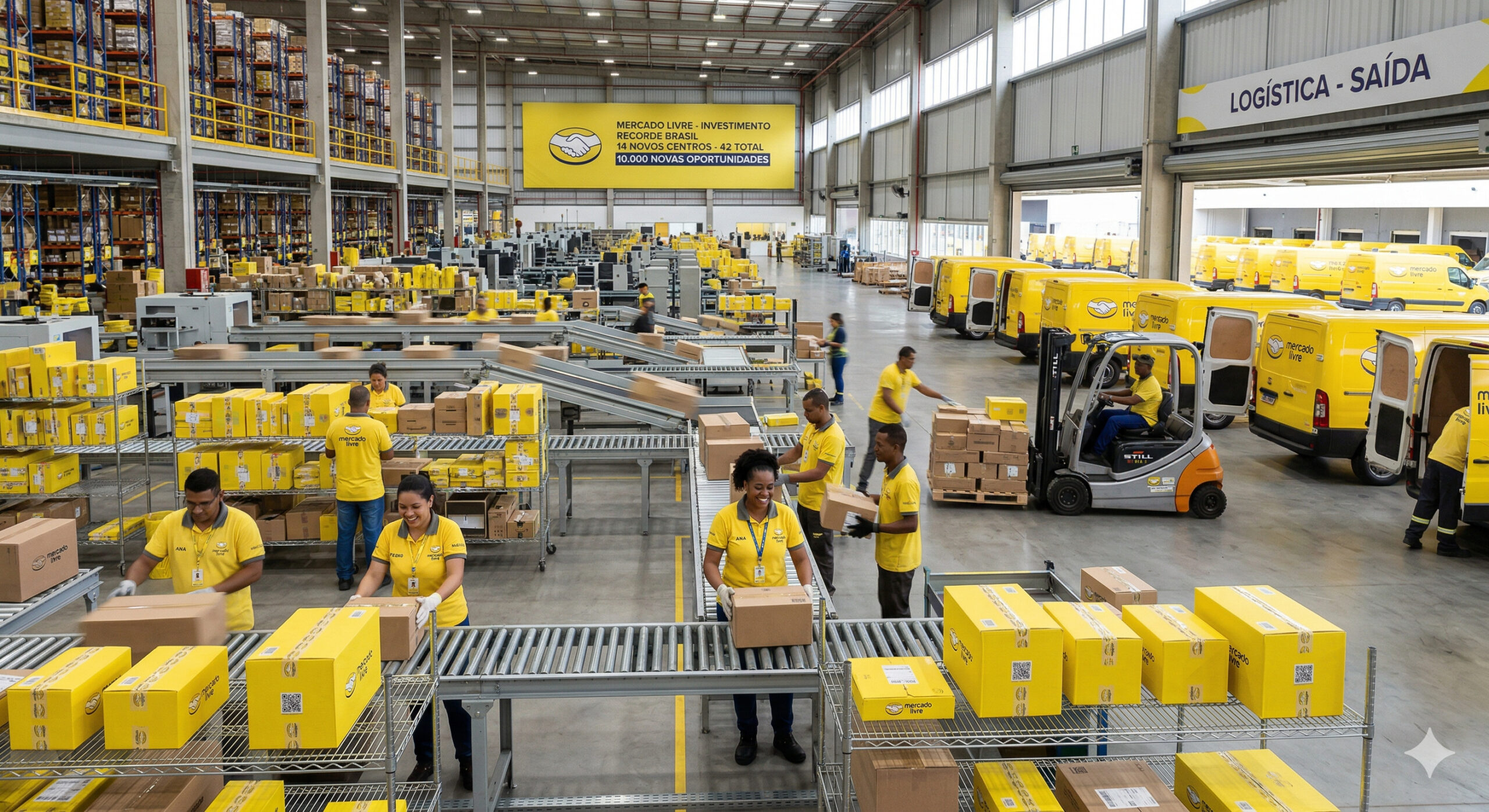
Mercado Livre “opens the vault” and announces a record investment of R$ 57 billion in Brazil in 2026, a value 50% higher than the previous year, with an expansion plan that includes 14 new logistics centers, totaling 42 units in the country and hiring an additional 10,000 employees.
-
How investment in technology can revolutionize the national economy and enhance industrial gains, according to a study that highlights the direct impact on productivity, innovation, and wealth retention within Brazil.

-
The largest food company on the planet, JBS, has just opened a 4,000 square meter laboratory in Florianópolis to develop customized proteins that modulate muscle mass gain, immune response, and metabolic performance.

-
After nearly 30 bids and competition among industry giants, a Spanish company purchases one of the largest airports in Brazil for almost R$ 3 billion and takes over the management of Galeão in a concession that will last until 2039.




According to government data, more than 1.6 million companies have already benefited since the program’s launch, mobilizing more than R$ 50 billion in productive credit. The goal is to ensure working capital, modernization, and expansion of small enterprises, which account for about 70% of formal jobs in the country.
The interest rate for Pronampe is linked to the Selic Rate plus up to 6% per year, which represents one of the most competitive conditions in the market. Additionally, the program has the guarantee of the Operations Guarantee Fund (FGO), which facilitates approval even for entrepreneurs with little banking history.
“Pronampe is the silent engine of Brazilian entrepreneurship. It is the credit that reaches those who need it most, with safety and responsibility,” said Minister Márcio França at a recent press conference.
Nossocrédito: Popular and Regionalized Microcredit
At the state level, Nossocrédito, a program of the Government of Espírito Santo in partnership with Bandes (Development Bank of Espírito Santo) — has been a success in supporting local small entrepreneurs.
The microcredit line offers amounts of up to R$ 21 thousand for those looking to open, formalize, or strengthen a small business.
Interest rates are low and terms are flexible, with conditions tailored to each applicant’s profile. In 2024, the program recorded over 12 thousand operations and maintained a default rate below 1%, one of the best rates in the country.
The proposal is to expand the model to other states through regional agreements, as part of the “Brazil Entrepreneur 2025” project, which aims to expand microcredit lines focusing on innovation, sustainability, and local economy.
A Country That Is Restarting Entrepreneurship
Data from Sebrae shows that Brazil registered 4.1 million new CNPJs opened in 2024, the highest number since the beginning of the historical series. Of this total, over 80% are individual microentrepreneurs (MEIs) and small businesses, demonstrating the strength of entrepreneurship as an alternative source of income and economic recovery.
In 2025, the expectation is that public banks will increase the volume of credit available to programs aimed at small entrepreneurs by 20%. Caixa Econômica Federal, Banco do Brasil, and BNDES are among the institutions actively participating in Pronampe and complementary programs, such as Guided Productive Microcredit (MPO).
According to economist Carlos Honorato, a specialist in microfinance policies, “access to credit is a game changer. It transforms informal entrepreneurs into formal business owners, creates jobs, and stimulates the local economy.”
Accessible Credit and Lower Interest Rates
One of the main differentiators of these programs is the policy of reduced interest rates and extended grace periods. While conventional credit for legal entities can have rates above 20% per year, Pronampe and Nossocrédito lines have rates around 10% to 12% annually, depending on the financial institution.
Additionally, many participating banks offer free consulting and technical support for small business owners to learn how to plan their investments, manage cash flow, and keep the business sustainable.
This assistance is essential to reduce default rates and increase the social impact of loans. “It’s not just about releasing money, but teaching how to use it intelligently and productively,” emphasizes Sebrae.
How to Apply for Credit
To apply for Pronampe, the entrepreneur must access the website or app of the partner bank and check if there is a credit limit available based on the annual revenue declared to the Federal Revenue. The process is digital, and in many cases, credit is released in a few days.
The Nossocrédito can be requested at regional development agencies or affiliated municipal secretariats. The applicant must present personal documents, a business plan, and proof of income or economic activity.
Both programs prioritize those who maintain a good payment history and tax compliance, but also include initiatives to support entrepreneurs starting their activities.
The Future of Productive Credit
With the advancement of technology and the digitalization of the financial system, Brazil is moving towards a new cycle of inclusive productive credit. The federal government’s goal is to reach 2 million micro and small enterprises served by the end of 2026, expanding the economic and social impact of microfinance programs.
For economist Renato Meirelles, president of Instituto Locomotiva, “productive credit is the most transformative public policy that exists, as it multiplies income, increases GDP, and strengthens women and peripheral entrepreneurship.”
The expansion of Pronampe and Nossocrédito reinforces this strategy, giving a boost to those who turn ideas into businesses and businesses into opportunities.









Seja o primeiro a reagir!