





 Portuguese
  English
  Spanish
  4 min of reading
  0 comments


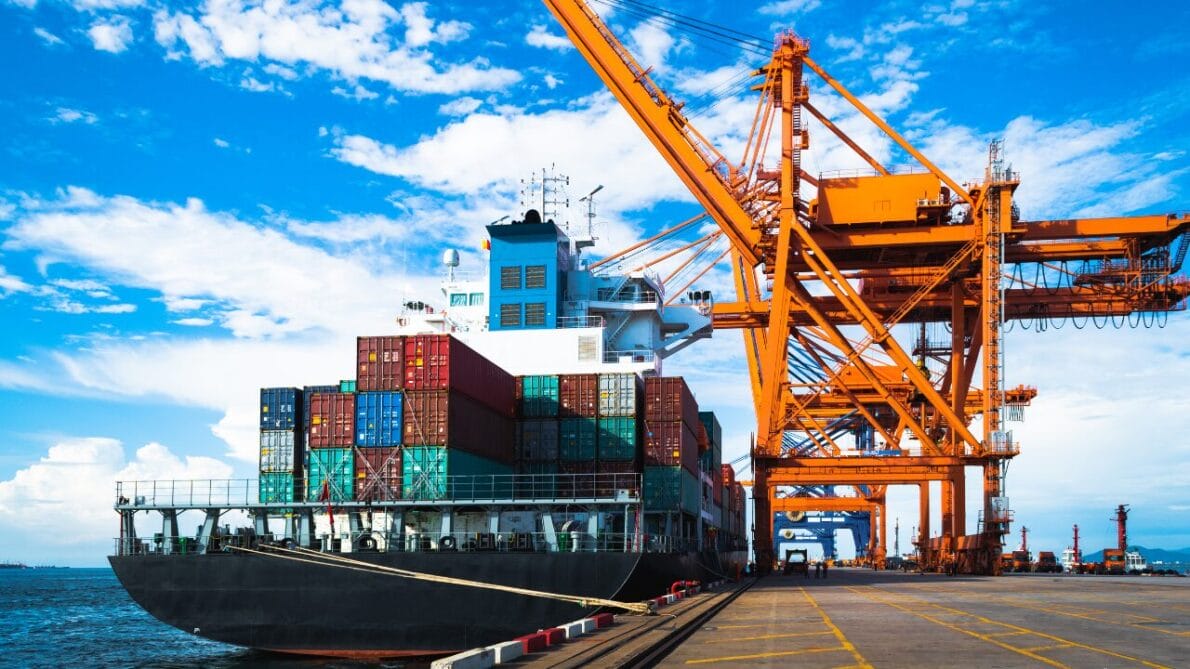
Chancay Port in Peru Promises to Transform Brazil-Asia Trade by Offering Faster Access and Reducing Freight Costs.
The Chancay Port, located 80 km from Lima, Peru, emerges as a new alternative for Brazil to access the Asian market via the Pacific Ocean. This megaport, part of the bi-oceanic route along with Chilean ports, promises to be one of the most modern in the world and the largest in Latin America. The project, which began in 2011 by a Chinese company, Cosco Shipping, has undergone several pauses and resumptions, with expected completion in 2024.
Impact of the Port on the Region and Brazil
Chancay, a Peruvian city with 63,000 inhabitants, is set to become the largest deep-water port in Latin America.
Originally a quiet fishing town and weekend getaway for residents of Lima, it has now become a major construction site.
-
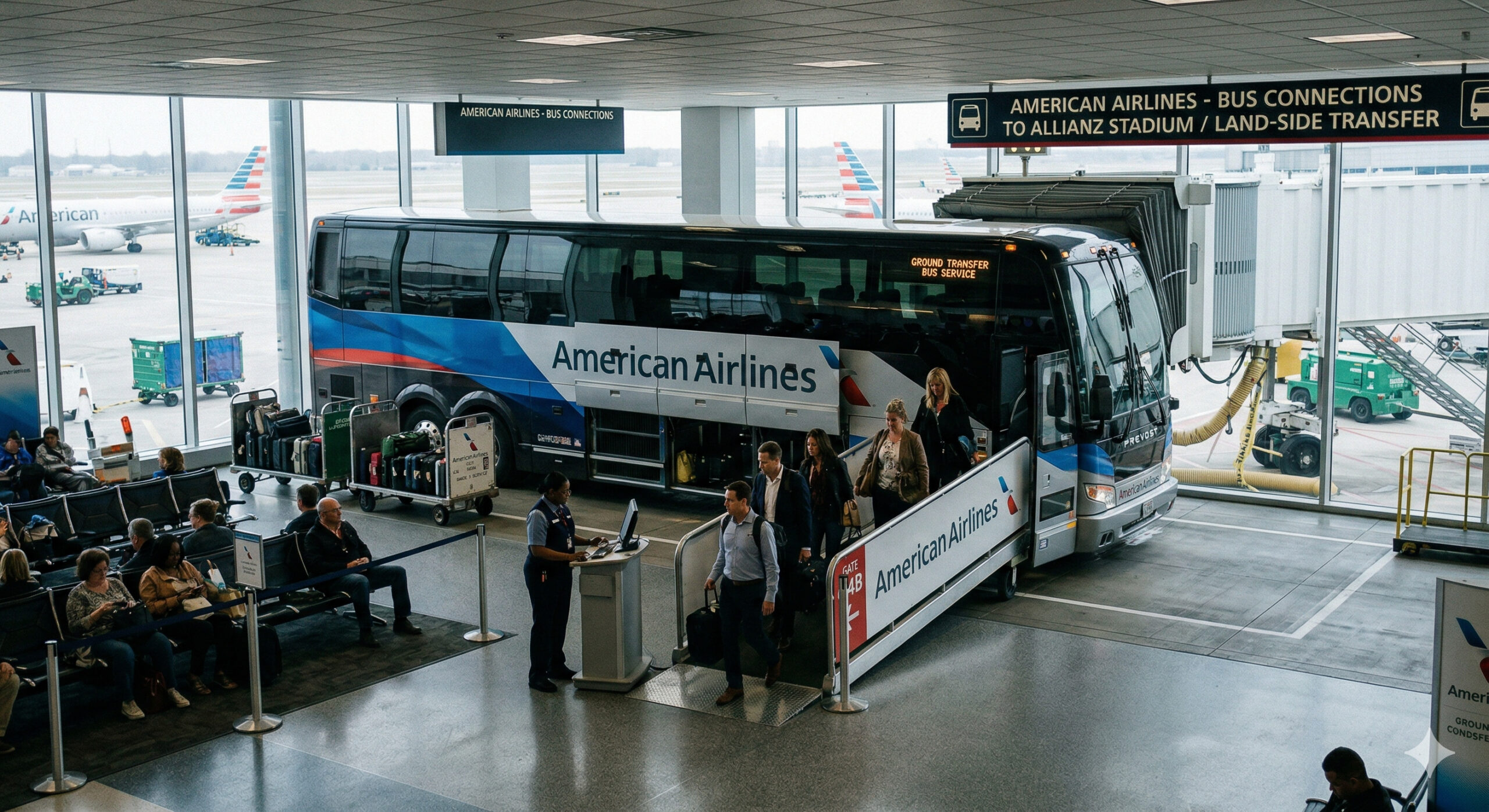
American Airlines starts selling trips as if they were flights, with check-in and baggage check at the airport, but on short routes, passengers board luxury buses connecting cities to major hubs in the U.S.
-
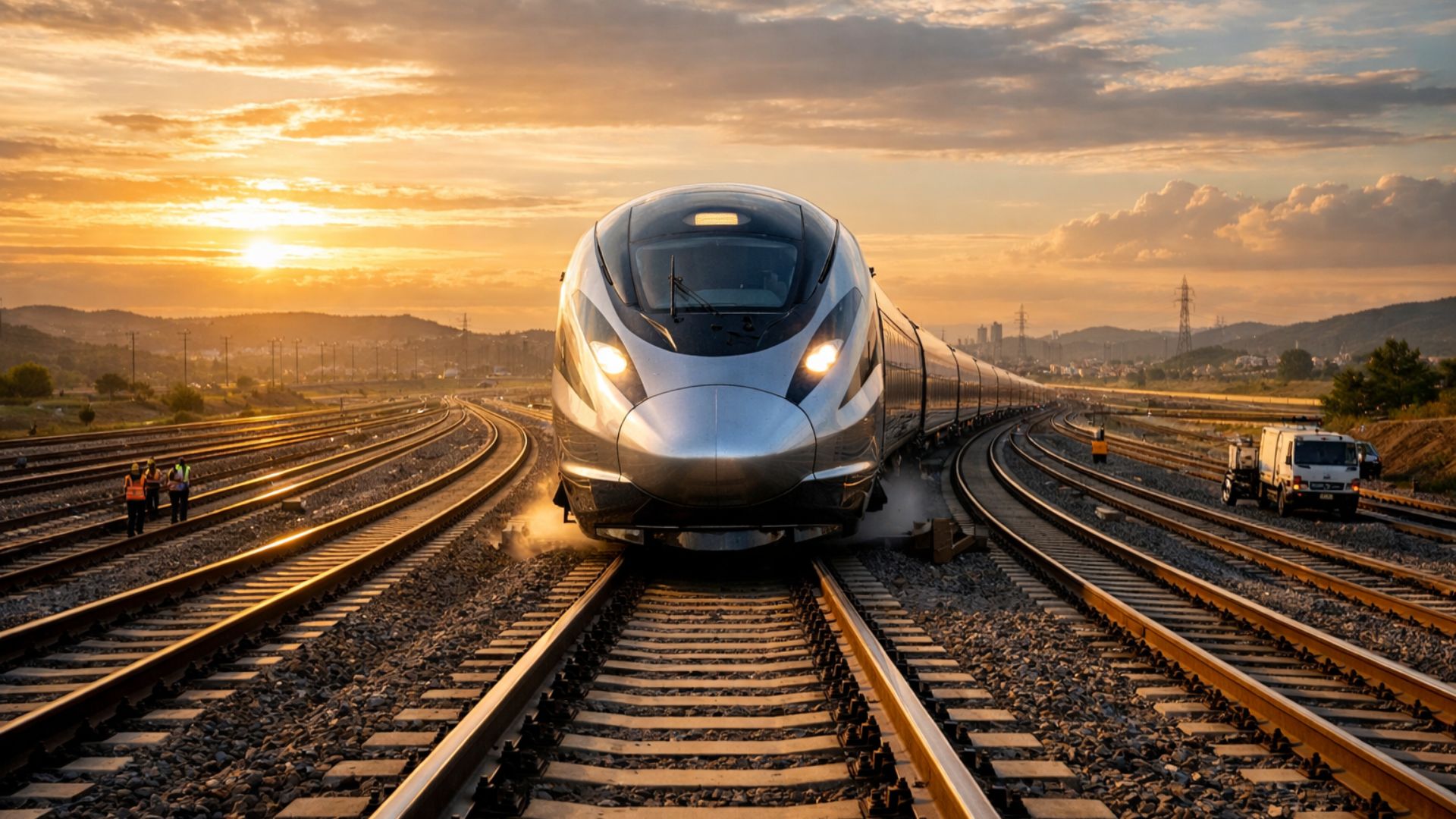
São Paulo surprises the world with a colossal railway network project that promises over 1,000 km of tracks, R$ 194 billion in investments, and 40 projects connecting the capital to the interior with fast and sustainable trains.
-
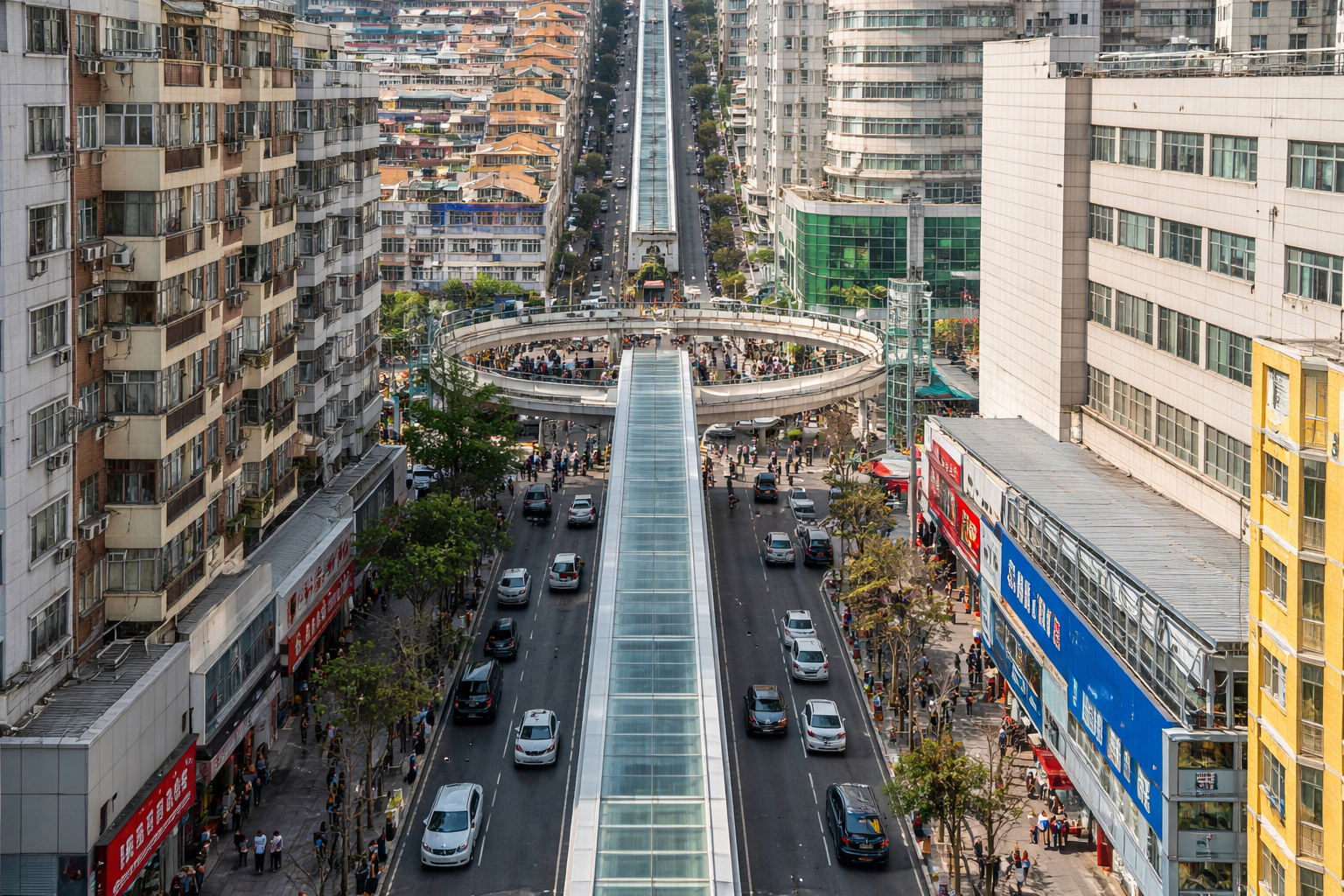
The world’s largest escalator, measuring 905 meters in China, reduces urban travel time from 1 hour to about 20 minutes and transforms mobility in mountainous regions with an engineering solution adapted to the terrain.
-
A R$ 300 million logistics giant is taking shape in Serra with over 100,000 m² and raises a question: how can this transform e-commerce and distribution in the state?
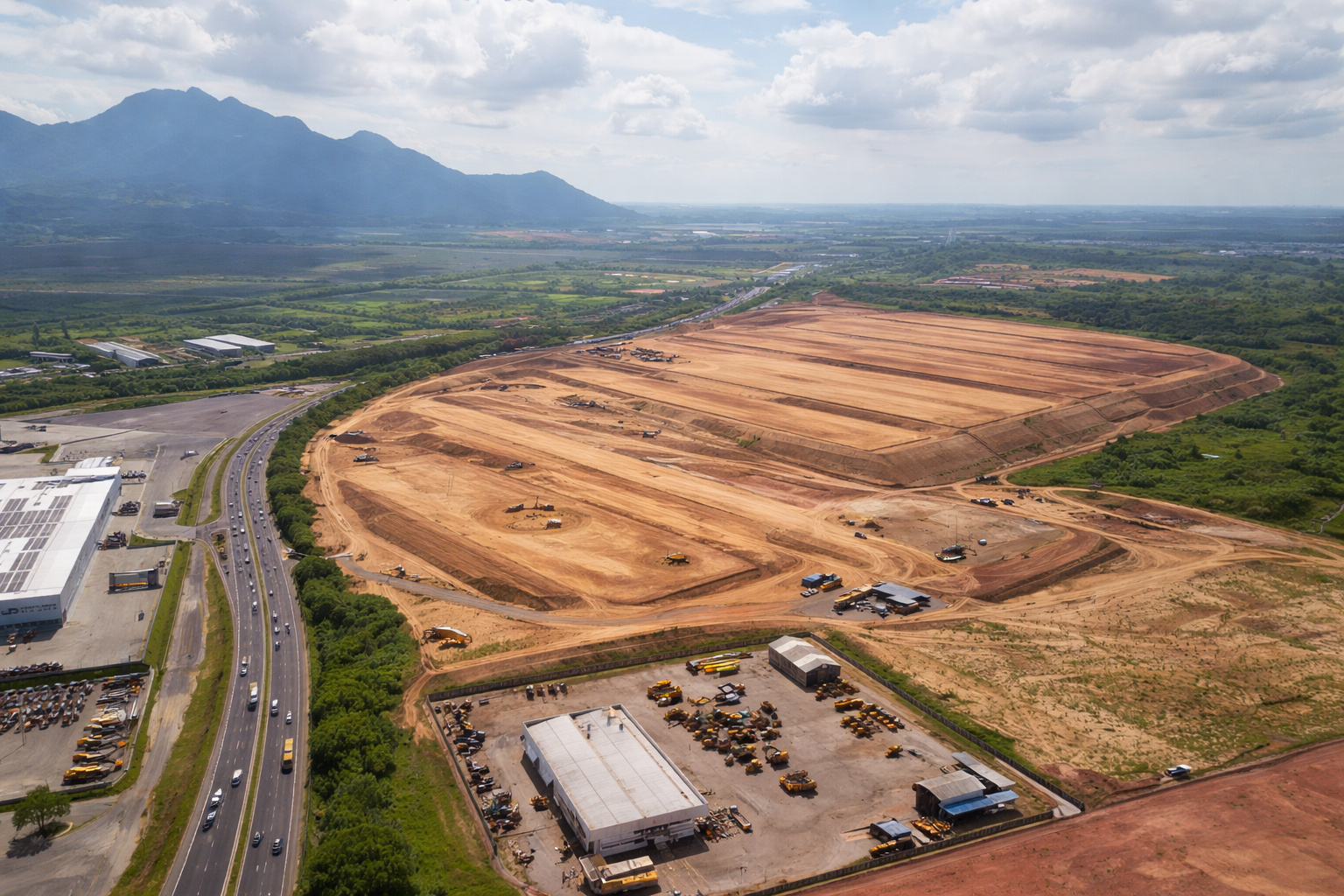

The project has the potential to significantly impact maritime traffic along the South American Pacific coast, competing with ports in Chile, Ecuador, and Colombia.
In its initial phase, Chancay port is scheduled to handle 1 million containers and 6 million tons of cargo per year.
Cosco Shipping holds a 60% stake in the port, while the remaining 40% is managed by the Peruvian mining company Volcan.
About $1.3 billion has already been invested in the initial phase of the project, which has a total estimated cost of $3.6 billion.
Brazil is also expected to benefit from this new port, which will facilitate faster access to Asian markets for Brazilian exports.
The connection between Brazil and Peru via the Southern Interoceanic Highway, which crosses agricultural hubs like Acre and Rondônia, will contribute to this speed in transport.
Peruvian cargo could reach China in just 10 days, a significant reduction compared to the current 45 days.
Progress of Construction
The Chancay port project covers an area of 280 hectares, with breakwaters using enough concrete to build 20 ten-story buildings, protecting 1.5 km of dock space for the berthing of large cargo ships.
As of August 2023, the main breakwater reached 2,700 meters constructed, an advancement of 99%.
Excavation and dredging activities at the basin and dock 1 canal progressed by 15.8%, while docks 2, 3, and 4 reached 34.9% completion.
The construction of the administrative building progressed to 52.6%, with total project progress exceeding 70%.
The construction faced setbacks, including a collapse in May 2023, which temporarily halted the work on the 1.8 km tunnel linking the dock to the logistics center and the Pan-American highway.
Cosco Shipping attributed problems to the poor conditions of local constructions, while residents reported cracks in their homes due to blasting.
Additionally, the Santa Rosa Chankai Wetland Environmental Monitoring Committee warned about the environmental impacts of the construction.
There are also growing concerns about the Chinese presence in the region and the possible dual-use of the port for both commercial and military purposes, in the context of the geopolitical rivalry between China and the United States.
Opportunities for Brazil
The construction of Chancay port represents an opportunity for Acre to gain relevance with the Brazilian government, becoming a potential corridor for exports and imports.
Acre and the northern region of Brazil could experience a significant reduction in freight costs compared to transporting goods to the port of Santos in São Paulo.
This infrastructure will facilitate the direct and agile shipment of South American products to Asia and Oceania, promoting trade along the Pacific coast.
Road and Rail Infrastructure of the Port and Surroundings
To maximize the benefits of the port, it is necessary to improve the road and rail infrastructure connecting Brazil and Peru.
The Pacific Highway, or Interoceanic Road, links northeastern Brazil to southern Peru, but there are no roads connecting to northern Peru.
Highways passing through Pucalpa, Peru, and Cruzeiro do Sul, Brazil, could be utilized.
There is also the transoceanic railway project, connecting the Port of Açu in Rio de Janeiro to northern Peru, passing through Acre.
This project spans 4,400 km on Brazilian soil and was envisioned in the 1950s but has never been fully realized.
Recently, China has been mobilizing to bring this project to fruition, creating agreements with the Brazilian and Peruvian governments.
Chancay Port represents a significant milestone for trade in Latin America and a strategic opportunity for Brazil.
With its inauguration scheduled for 2024, the port promises to facilitate trade with Asia, reduce freight costs, and promote economic development in the region.
However, infrastructure challenges and geopolitical concerns must be carefully managed to ensure that the benefits are fully realized.










Seja o primeiro a reagir!