






 Portuguese
  Spanish
 3 min of reading
  0 comments


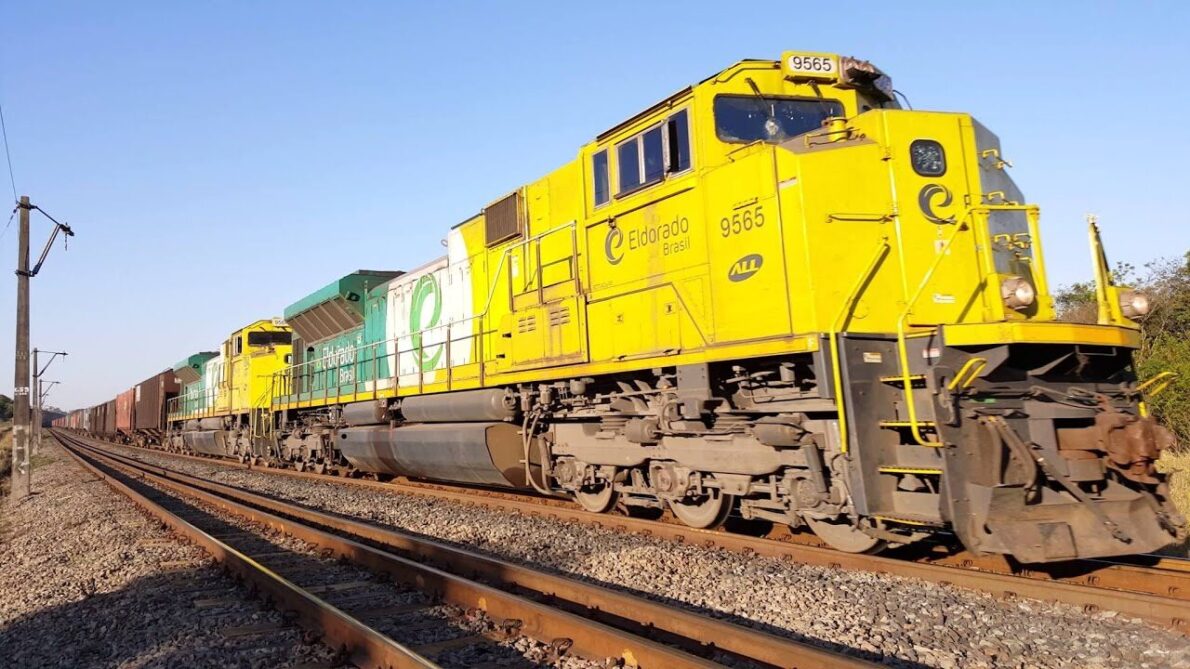
Eldorado Advances with Preliminary License for Railway of R$ 890 Million in MS and Commits to Pay R$ 7.8 Million in Environmental Compensation.
Since 2010, the construction of a railway to connect Eldorado’s pulp mill in Três Lagoas to Ferronorte in Aparecida do Taboado has been in the plans. Recently, the company reached an important milestone: the publication of the preliminary license in the State Official Gazette on last Thursday (07/18) marks the next phase of the project. With this license, Eldorado commits to pay more than R$ 7.8 million in environmental compensation, as required by the Environmental Institute of Mato Grosso do Sul (Imasul).
Project Details of Eldorado
The planned railway branch will have an extension of 89 kilometers and an estimated investment of R$ 890 million, which represents about R$ 10 million per kilometer. However, this amount may not reflect current costs, as the estimate is based on data from at least four years ago.
For comparison, the Chilean company Arauco anticipates a spending of R$ 17 million per kilometer for a 47-kilometer branch in Inocência.
-
Railway returns to prominence in Brazil after STF approval: a R$ 25.2 billion project promises to save R$ 9 billion in freight, transport 50 million tons per year, and transform Sinop into a logistics powerhouse for agribusiness.

-
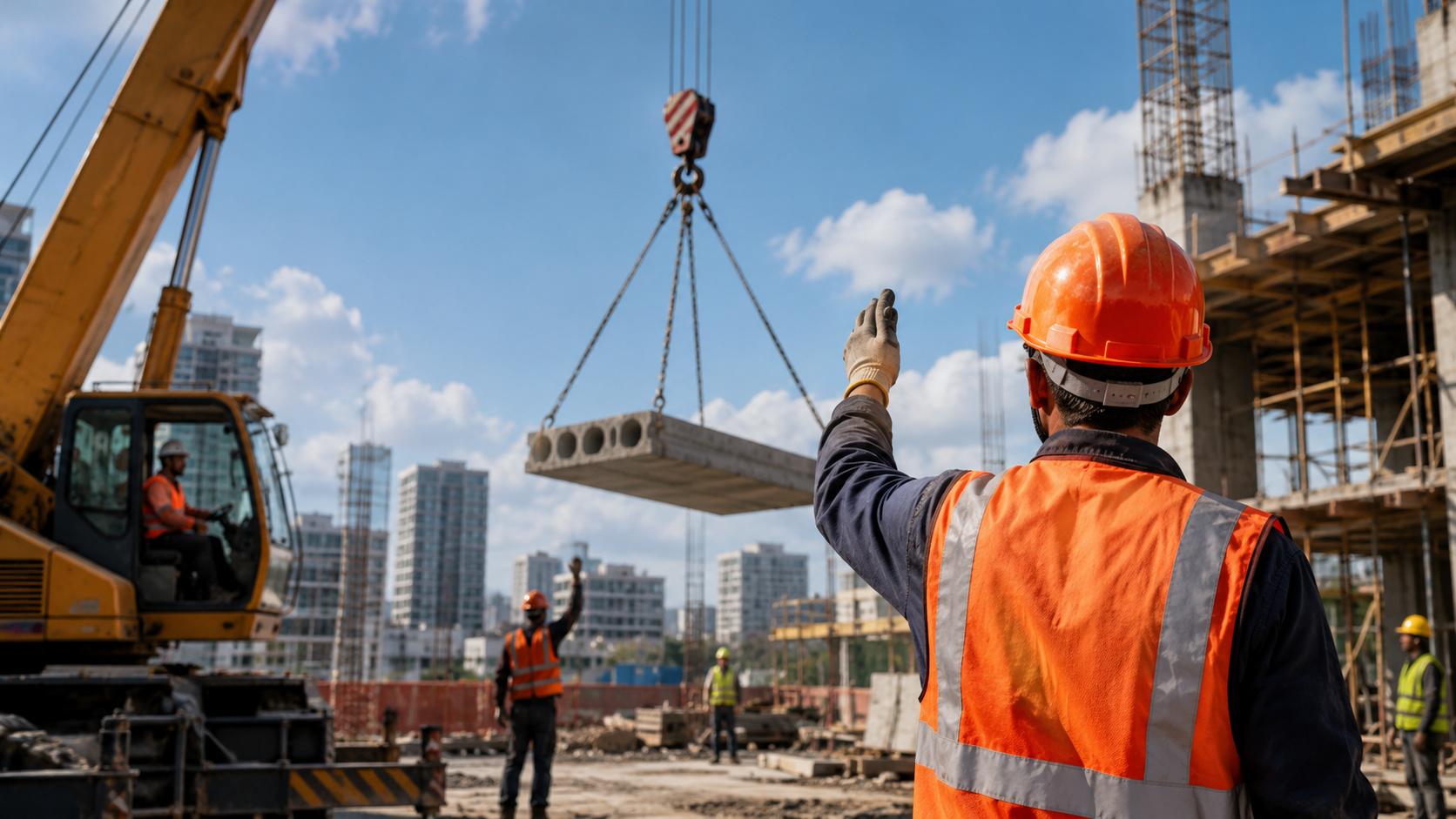
Why can the crane operator only obey the correct signalman on the construction site: among dozens of workers, a hand raised by the wrong person can confuse the maneuver and turn a load of tons into an immediate risk.

-
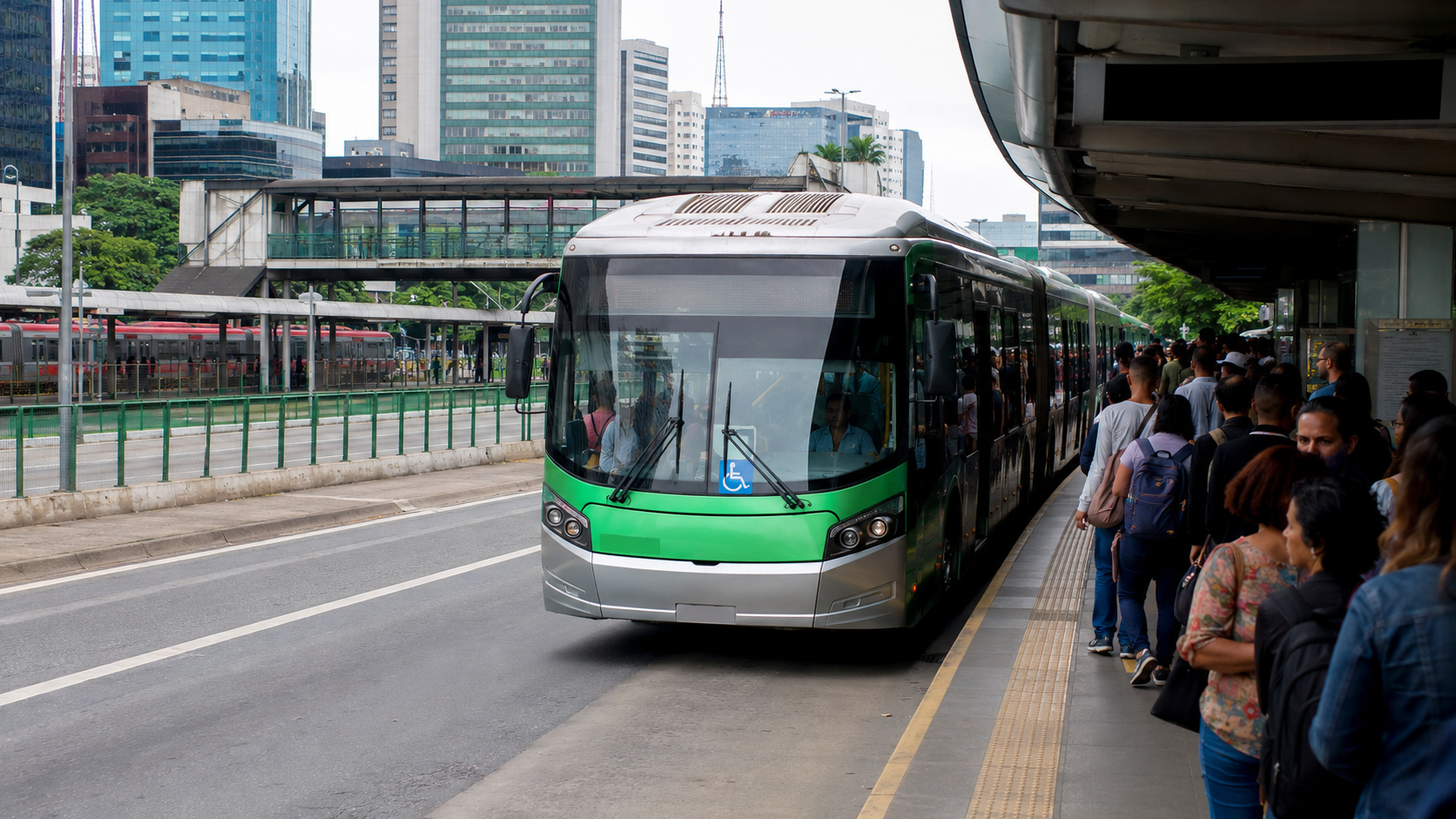
What changes with the new public transportation rules that can reduce pressure on fares and pave the way for zero fare in Brazil?
-
Retired trains leave European tracks and become tons of steel, aluminum, and copper in dismantling yards where recycling exceeds 90%, but batteries, composites, and electronics create a new frontier of railway waste.


The environmental compensation of R$ 7,823,100.00 required by Imasul is a common practice for projects that cause significant environmental impacts.
This amount seeks to mitigate the effects of construction on the local nature.
Advancements and Challenges
In 2021, Eldorado obtained authorization from the National Land Transportation Agency (ANTT) to build the branch.
However, only in April of this year did the company receive the license for the expropriation of the lands necessary for the railway, with due compensation to the owners.
Despite these advancements, the start of construction still depends on obtaining local environmental licenses, which are essential to ensure compliance with environmental regulations and begin actual construction.
Eldorado intends to use the railway branch to transport about 1.7 million tons of cellulose produced annually to Aparecida do Taboado.
From there, the cellulose will be transported by railway to the Port of Santos, where there is already a railway line connecting the port to the company’s production.
Currently, the transportation of cellulose is done by trucks, which represents a higher cost and lower efficiency compared to railway transport.
Expansion Plans
The Batista brothers, Joesley and Wesley, controllers of Eldorado, have ambitious plans for the factory.
They announced an investment of approximately R$ 15 billion to double the production capacity of the factory.
In July of last year, during the inauguration of a port terminal in Santos, Joesley Batista mentioned the construction of the railway as a necessary final step to connect the factory to the port.
According to him, the railway is a crucial part to optimize production logistics.
Current Situation and Eldorado’s Competition
Although the commitment to environmental compensation was recently formalized, there is still no defined date for the start of railway construction.
Eldorado and J&F, the group that controls Eldorado, have not yet commented on a specific schedule for construction.
The press office of the companies was contacted, but no response has been received at this time.
Beyond Eldorado, Suzano, another major cellulose producer, has also requested authorization from ANTT to build a railway to Aparecida do Taboado.
However, ANTT has already indicated that only one authorization will be granted, which may force both companies to use the same railway branch or Suzano to continue using road transport.
The construction of the railway branch by Eldorado represents a significant advancement for the transportation logistics of cellulose in Mato Grosso do Sul.
The granting of the preliminary license and the commitment to environmental compensations are important steps, but the project still faces challenges, including the need for local licenses and competition with Suzano.
The development of the railway could transform the efficiency of transportation and the growth of cellulose production in the region.







Be the first to react!