Portuguese
  Spanish


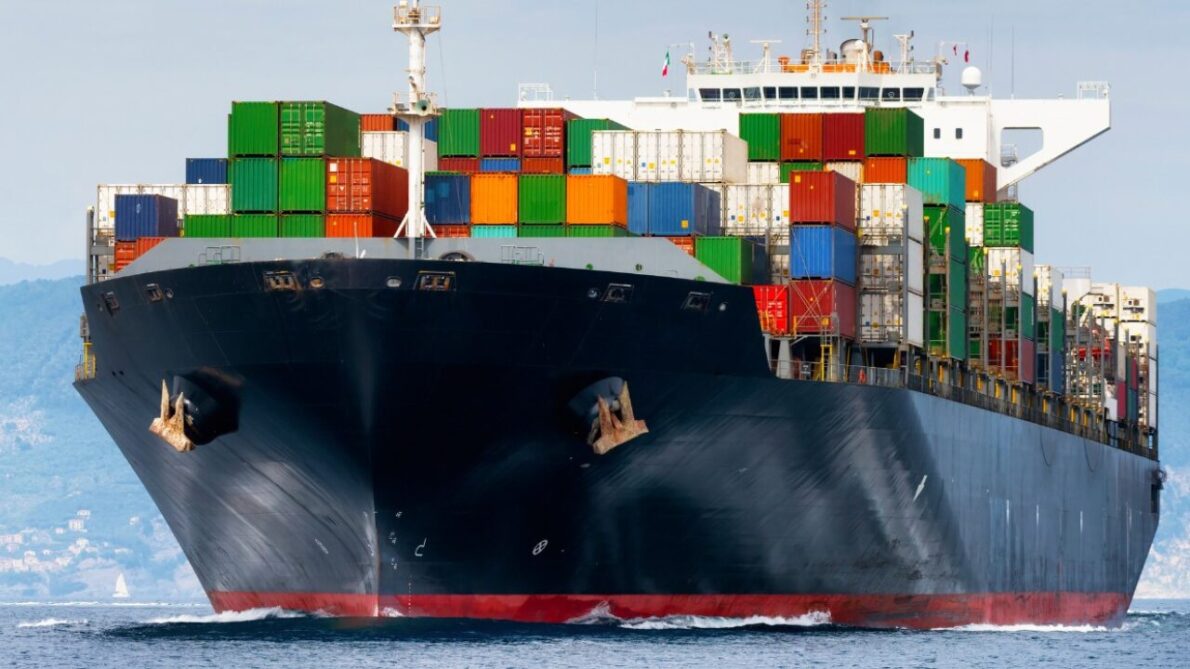

China’s Shipbuilding Industry Demonstrates Robust Growth and Reinforced Global Leadership Through Technological Innovation and Market Expansion.
In the first half of 2024, China’s shipbuilding industry showed robust growth, as revealed by the Ministry of Industry and Information Technology of the country. Among the main indicators released, there was a significant increase in gross tonnage production and the number of orders in hand.
Production and Orders Growth
During the first six months of the year, Chinese ship production reached 25.02 million gross tons, marking an 18.4% increase compared to the same period last year.
Additionally, the amount of orders on hand reached 171.55 million gross tons, representing an even more significant growth of 38.6%.
-
They exchanged the idea of a large house for a 35 m² warehouse, spent US$ 12,000 on the structure, and created a tiny house in Colorado with space to live and work.

-
While modern cities rely on pumps and electricity, in Iran, ancient tunnels carried water through the desert using only slope and gravity.
-
Instead of sending families far from the city, a project in Chile intentionally created incomplete houses on expensive urban land and left technical space for each to grow.
-
General Motors Replaces Over a Thousand Workers with 50 Cobots at Electric Vehicle Plant, UAW Union Criticizes Move Amid Industry’s Automation Push


The latest data reaffirm China’s position as a global leader in shipbuilding.
The three main indicators — production, orders, and percentage growth — place the country in a prominent position on the global stage, highlighting a consistent trend of growth.
In terms of specific development, Shanghai Waigaoqiao Shipbuilding, one of the country’s main shipyards, stood out for the accelerated construction of ships.
During the analyzed period, the company achieved a significant milestone by delivering 12 large vessels, including gas carriers and high-capacity container ships.
Economic Impact and International Market for China’s Shipbuilding Industry
The increase in demand for new ships boosted not only domestic production but also exports.
More than 70% of new shipbuilding orders globally are being directed to China, reflecting a continued growth in naval product exports.
In the first half of 2024, Chinese exports reached US$ 20.67 billion, representing a significant increase of 85.2% compared to the previous year.
A crucial aspect of the recent development of China’s shipbuilding industry is the increasing adoption of eco-friendly technologies.
The introduction of new fuels and the optimization of propulsion systems are aligned with emission reduction and energy efficiency goals, driving the construction of greener and more efficient ships.
In light of these advancements, China’s shipbuilding industry is poised to maintain its robust growth in the coming years.
Initiatives such as the “Green Development Action Plan for the Shipbuilding Industry” reflect the Chinese government’s commitment to a green and low-carbon transformation of the sector by 2030.
Production Capacity of China’s Shipbuilding Industry and Future Challenges
The expansion of China’s shipbuilding production capacity reflects not only an increase in the quantity of orders but also in the complexity and technology of the vessels ordered.
High-tech and high-value vessels, such as those intended for gas transport and containers, are becoming increasingly common in the country’s shipyards.
This diversification in offerings not only strengthens China’s position in the global market but also boosts the profits of companies in the sector, as highlighted by the Secretary-General of the China Shipbuilding Industry Association, Li Yanqing.
The economic impact of the Chinese shipbuilding industry extends beyond the country’s borders, with its significant exports contributing to global trade. However, along with growth, environmental and regulatory challenges arise.
The transition to greener ships, while promising, requires continuous investments in research and development of new technologies.
China is positioned to lead this change, as evidenced by the growing share of new orders for eco-friendly ships in the international market.
Strategic Planning
As the Chinese shipbuilding industry enters a period of high prosperity, the challenges of maintaining production pace and ensuring delivery quality become crucial.
The development of a green development system by 2025, as outlined by the Chinese government, aims not only to strengthen environmental sustainability but also the global competitiveness of the sector.
Collaboration among different ministries and the private sector will be essential to achieve these ambitious goals, laying the groundwork for a future where technological innovation and environmental responsibility go hand in hand in China’s shipbuilding industry.
With a prosperity index that surpassed 140 points for the first time since 2012, China’s shipbuilding industry has entered the “high prosperity zone,” evidencing a favorable environment for investments and continuous development.
Under the leadership of the Ministry of Industry and Information Technology, China continues to pave the way for sustainable and innovative growth in global shipbuilding.