Portuguese
  Spanish



The American Company Ensured That the Concrete Will Be Able to Charge Electric Cars with 95% Efficiency, Mechanism Resembles Wireless Charging of Smartphones
During the process of modernization of the world, basically everything we know has changed over time. Nowadays, we have easy access to internet networks, high-performance electronic devices, and even electric vehicles, and the latest creation has everything to do with this. In the city of Indiana, in the United States, a company developed a type of concrete that will assist in recharging an electric car while in motion, that is, preventing the driver from stopping to recharge their vehicle and waiting for long hours. The company guaranteed that the concrete will charge the vehicles with 95% efficiency.
Read Also
Charging Electric Cars Through Concrete Is Similar to Wireless Charging of Smartphones
Magment is the company responsible for designing this concrete model, as well as being in charge of installing this new technology. The American company stated that this project is a major step towards the future, which envisions dynamic wireless charging for various models of electric cars.
According to Mauricio Esguerra, CEO of Magment, this technology will be capable of establishing a type of standard for the electrification of transportation that is accessible, efficient, and sustainable.
-
Automatic, economical, and known for reliability: with a 1.5 engine of up to 110 hp, CVT transmission, seven airbags, and fuel consumption of up to 15.9 km/l, this used hatchback appears as a rational alternative to Polo, HB20, and Onix; meet the Toyota Yaris XLS 2020.

-
He surpassed the Tera, Creta, and Tracker: With a TSI engine of up to 150 hp, 6-speed automatic transmission, and a 373-liter trunk, the Volkswagen T-Cross was the best-selling SUV in June, with 11,753 registrations.

-
It looks factory-made, but it came out of a workshop: a mechanic from Pernambuco builds a handcrafted “mini Toyota,” drives it through the streets, and the video goes viral on social media, leaving residents astonished.
-
Hatch with sedan space and 1.0 car consumption: equipped with a 1.5 engine with 126 hp, CVT transmission with seven simulated gears, and consumption of up to 17.4 km/l, this used Honda delivers technology, comfort, and reliability; meet the 2022 Honda City Hatch Touring.


Will Electric Car Batteries Be Recharged with Concrete in the Future?
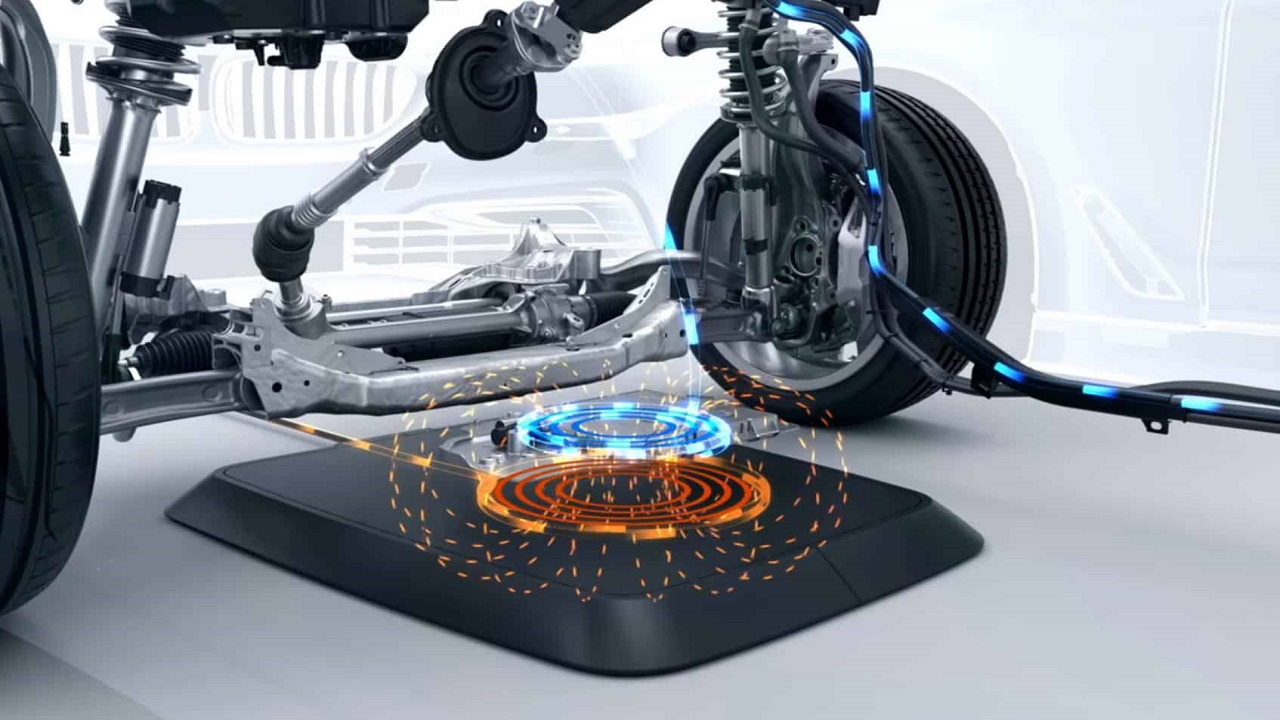
The concrete will be able to charge electric cars while in motion, a technology that imitates wireless charging of smartphones and other electronic devices. This technology is extremely current and powerful. The way it is used during wireless charging in various devices served as the basis for creating concrete with identical characteristics.
The Indiana Department of Transportation (INDOT) will be responsible for “planting” electrified wire coils under the asphalt, creating a magnetic field. The company anticipates that this magnetic field will run along the surface of the road, thus establishing the first electric car charging road in the country.
Project Direction After Completion of Feasibility Studies
Once the studies are complete and the tests are successful, the model developed by Magment will be applied in an area that has no ties to other companies. This will facilitate control of the situation without external interference.
The application of this technology on the road will begin at the end of summer, and according to Magment, this application will occur in several phases. In addition to installing the coils on the road, there will also be the installation of receiver coils in cars, so they can receive the charge. This way, cars will be able to capture the charge emitted by the concrete coils as they drive along the road.
Upon receiving the magnetic charge, an extra charge will be stored in the car’s coils. The project will use recycled ferrite as coils, allowing the goal of charging the vehicle with up to 95% efficiency to be met.
At the end of the studies, if it is confirmed that there is indeed a cost-saving, the final phase will be production, which will begin after two undisclosed tests by the company, which will be conducted in a planned laboratory.