





 English
  Francês
  Alemão
  Italiano
  Japonês
  Norueguês
  Portuguese
  Spanish
  3 min of reading


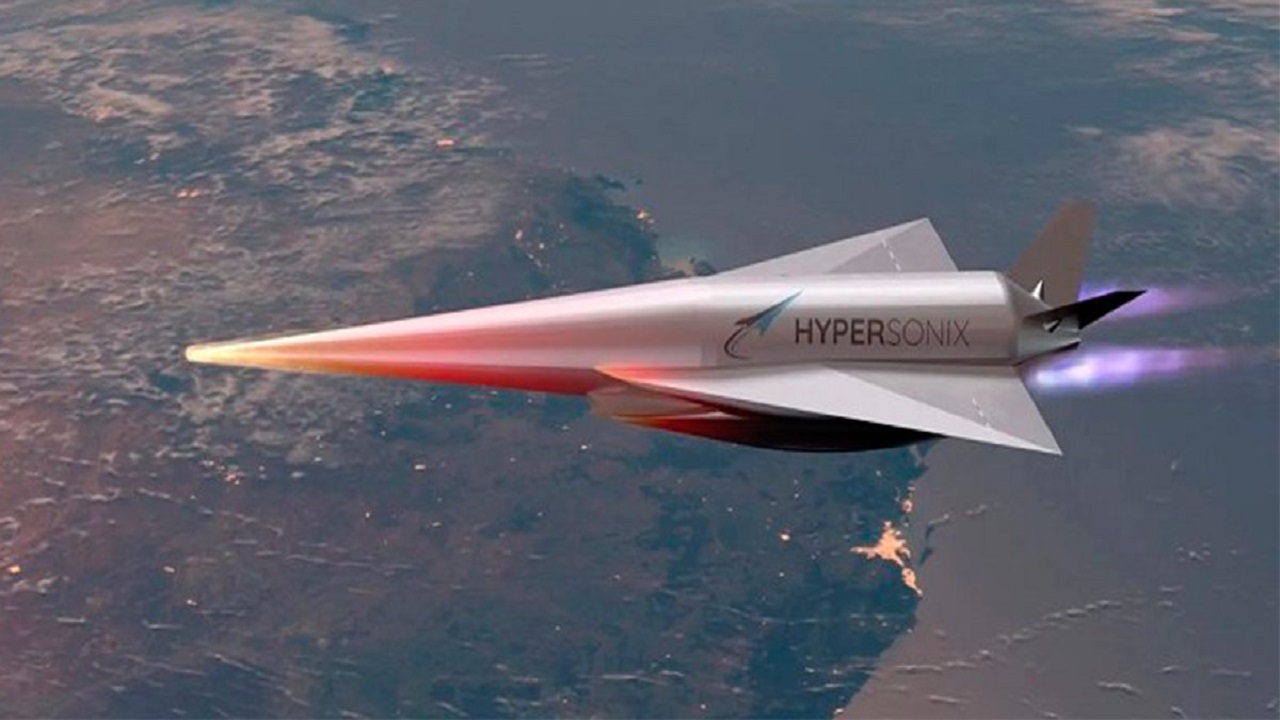
The Company Hypersonix Plans to Build a Hydrogen Engine Focused on Hypersonic Aircraft. The Engine Will Have the Capacity to Fly at Speeds Exceeding Mach 5
Hypersonix, an Australian company focused on building engines for hypersonic aircraft, announced that it has found the “perfect” material for its hydrogen engine Spartan. The company will use Ceramic Matrix Composites (CMC) for the production of the thruster. The Spartan engine will have the capacity to accelerate the hypersonic aircraft Delta-Velos above Mach 5.
Read Also
Hydrogen Engine Will Withstand High Temperatures
For a flight to be considered hypersonic, it needs to reach or exceed Mach 5, approximately 6,000 km/h. Hypersonix’s Chief Technology Officer, Michael Smart, comments that Scramjet engines rely on the combustion of oxygen from the air and a fuel to generate thrust.
According to the executive, the green hydrogen engine, Spartan, using CMC, will withstand the high temperatures that hypersonic aircraft need to endure. Smart also noted that the high-temperature load lasts about 20 minutes per flight, and for reuse, at least 30 cycles would be sufficient. CMCs have a high strength-to-weight ratio even at high temperatures, durability, and high resistance to thermal shock.
-
Historic bankruptcy of Centauro shocks the market, and the century-old company puts more than 500,000 products, machines, and complete infrastructure up for online auction.

-
Abandoned house for 15 years disappears in the woods, shocks owner with unrecognizable scenery and is reborn in an intense transformation after almost 90 hours of work in just 10 days.

-
In just three hours, a natural stone floor transforms the entrance of the house with an organic effect, immediate drainage, and a sophisticated non-slip finish that doesn’t puddle water, dries quickly, and impresses with the final result.
-
‘Interlocking brick’ made of earth arrives in the construction industry with cost reductions of up to 40% on the project.


Hypersonix Aims to Provide Sustainable Hypersonic Engines
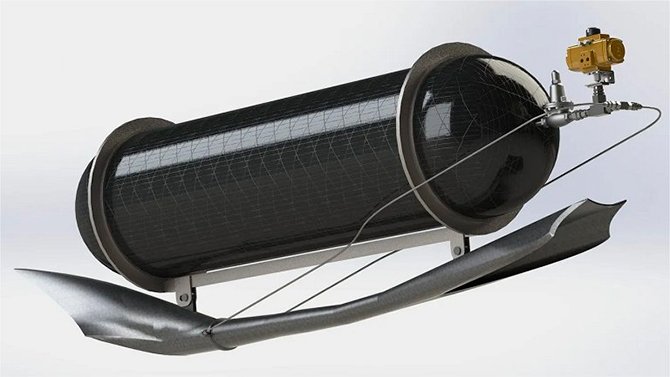
Although the hydrogen engine is a concept created for the company’s hypersonic aircraft, called Delta-Velos, Hypersonix is a company focused on manufacturing engines.
The Australian company has been forming partnerships with universities, BOC, Boeing, a hydrogen supplier, and also Siemens, which will provide the computational fluid dynamics simulation systems. The director highlights that the company’s goal is to deliver sustainable engines for hypersonic aircraft worldwide.
The company’s key knowledge lies in scramjet engines and how to develop sustainable hypersonic aircraft. Hypersonix is actively pursuing research and development, as well as resistance and durability at high temperatures for reusable launch vehicles, engines, and their components.
Hypersonic Aircraft Market Advances in Brazil
In addition to the company planning to create a hydrogen engine for this type of aircraft, the Brazilian Air Force achieved incredible speeds at the Alcântara Launch Center in Maranhão at the end of last year. Called 14-X S, the FAB’s scramjet engines can generate a power of 5,000 hp and reach speeds very close to Mach 6 in the very first test flight of the project.
The speed achieved by the 14-X-S is just a part of the scramjet engines’ potential. According to the air force, the technology system under development in Brazil will be capable of reaching Mach 10.
The engines do not have moving parts, such as turbines, compressors, among others, and also eliminate the need for ignition. Such hypersonic technology thrusters could propel spacecraft capable of traveling to space and back, something previously done by NASA’s Space Shuttles but at much lower costs. This type of propulsion could also be used in commercial hypersonic aircraft.
However, so far, this technology is emerging in hypersonic cruise missiles, a type of weapon that is expected to completely transform defense doctrines in the future.










Seja o primeiro a reagir!