Portuguese
  Spanish


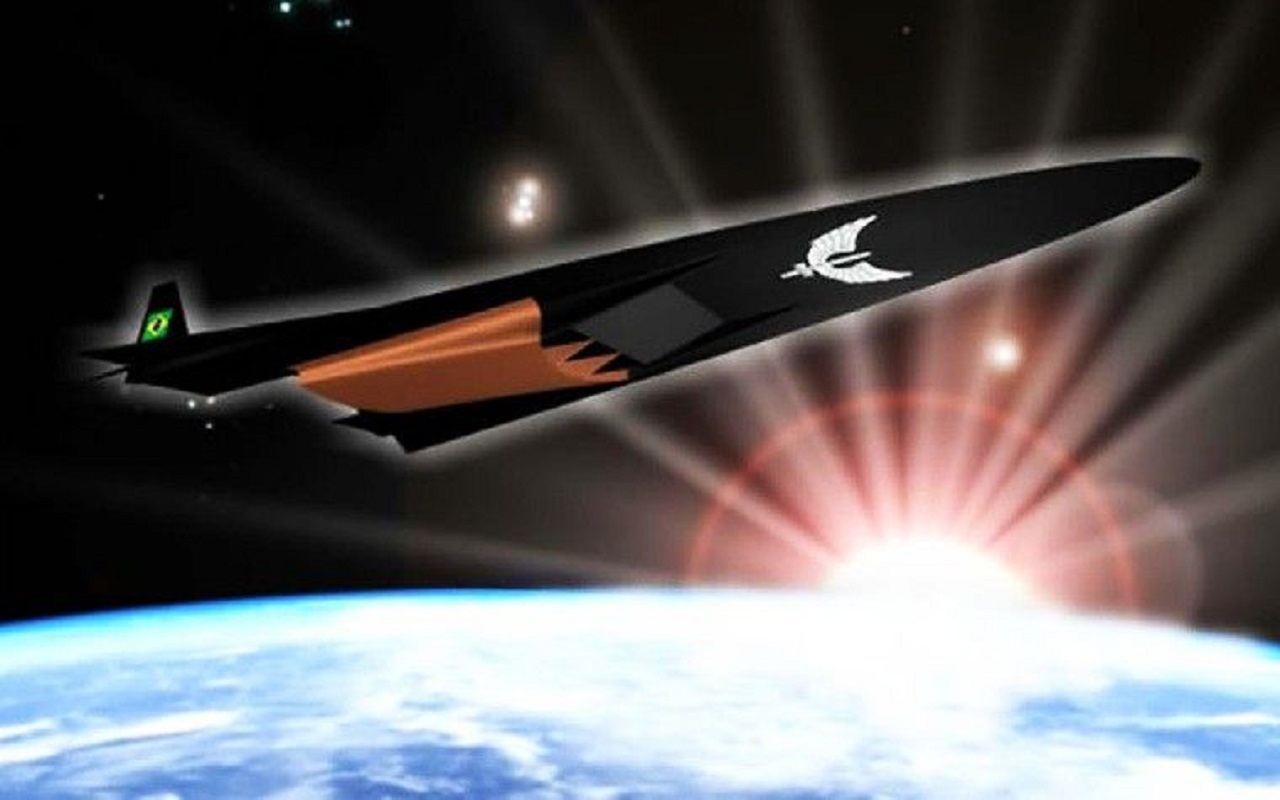

The Brazilian Air Force (FAB) Achieved an Unbelievable Feat with Hypersonic Technology. With Its Scramjet Engines, It Reached Mach 6; However, There Is Still the Capacity to Reach Mach 10 (12 Thousand Km/h)
By definition, supersonic vehicles are those that can achieve any speed greater than Mach 1 (1,235 km/h) up to Mach 5 (6,175 km/h). Beyond this range, we enter the hypersonic zone, a territory being studied by researchers at the DCTA of the Brazilian Air Force (FAB). On December 14, 2021, the Alcântara Launch Center (CLA) in Maranhão conducted the launch of the first vehicle utilizing hypersonic technology. The model features a scramjet engine built in Brazil, the demonstrator 14-X S.
Read Other Related News
FAB’s Hypersonic Technology System Could Reach Mach 10
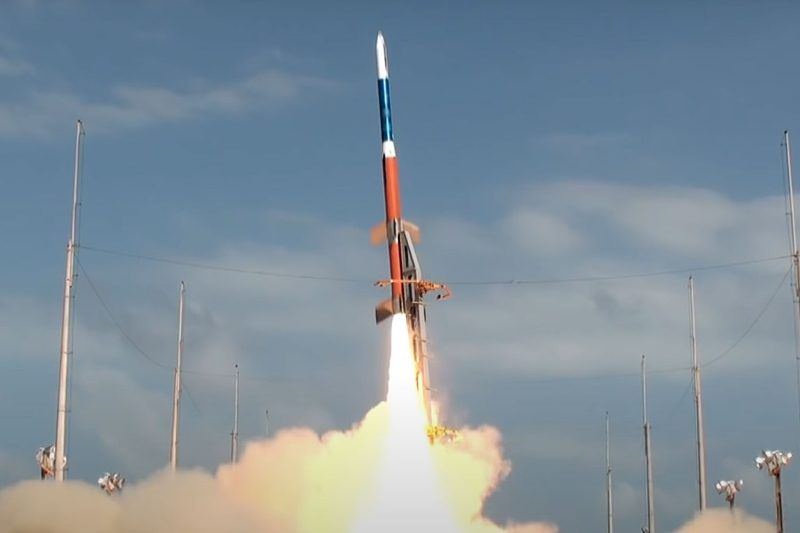
The test was a stage of the Hypersonic Propulsion project 14-X, named in honor of the 14-Bis, by Santos Dumont. However, while Dumont’s aircraft was powered by an engine with a capacity of 50 hp, which allowed a flight speed of about 30 km/h, the scramjet engines of the 14-X S generate a power of 5,000 hp and reached a speed close to Mach 6 (six times the speed of sound) right in the first flight test of the project, which was initiated by the Brazilian Air Force (FAB) 13 years ago.
-
Unable to secure a mortgage as a self-employed single mother, she designed her own floating home from a 20-meter boat and now lives “off-grid” with her two children and solar panels on an English canal.

-
Man Transforms Rusty Shipping Container into Luxury Home with Insulated Walls, Large Windows, and Drywall Finish, Surprising Onlookers

-
“Super Grass” Miscanthus Grows Rapidly Without Pesticides, Replacing Heating Oil in Europe and Now Used in Carbon-Capturing Concrete and Walls in World’s First “Bale House”
-
Abandoned House Renovation Fixes Decades-Long Leak in Two Days with Red Steel Roof Installation




Moreover, the Mach 6 speed achieved by the 14-X S is just a fraction of the potential of scramjet engines. According to the FAB, the hypersonic technology system being developed in Brazil will have the capacity to fly at Mach 10 (around 12,000 km/h). In comparison, the Concorde, the last commercial supersonic airplane, flew just over Mach 2.
Learn More About Scramjet Engines
Unlike jet engines, the scramjet engines of the Brazilian Air Force do not have moving parts, such as turbines and compressors that compress the air in the combustion chambers. These hypersonic engines also eliminate the use of ignition systems.
Instead, the combustion of the fuel and air mixture occurs due to heat in the combustion chamber, which heats up due to the friction generated by the fast-moving air. In a way, the hypersonic technology engine has a quite simple design; the difficult part is making it work.
The hypersonic engine of the Brazilian Air Force (FAB) only operates at extremely high speeds, as this is the only way it can intake the necessary amount of air for supersonic combustion to occur. Therefore, it is common for vehicles with hypersonic technology to have two stages of propulsion, where the first is usually a conventional rocket that accelerates the set until a certain point of scramjet engagement, where separation occurs.
Where Can FAB’s Scramjet Engines Be Used?
Hypersonic engines are proposed to one day power spaceplanes, which will be capable of taking off from Earth, traveling to space, and returning—something that NASA’s Space Shuttles did previously, but at much lower costs.
This type of propulsion could also be used in hypersonic commercial airplanes, expected by the end of this century. For now, this technology is starting to emerge in hypersonic cruise missiles, a form of weaponry that is expected to completely transform defense and attack doctrines in the coming years.