





 Portuguese
  English
  Spanish
  4 min of reading
  0 comments


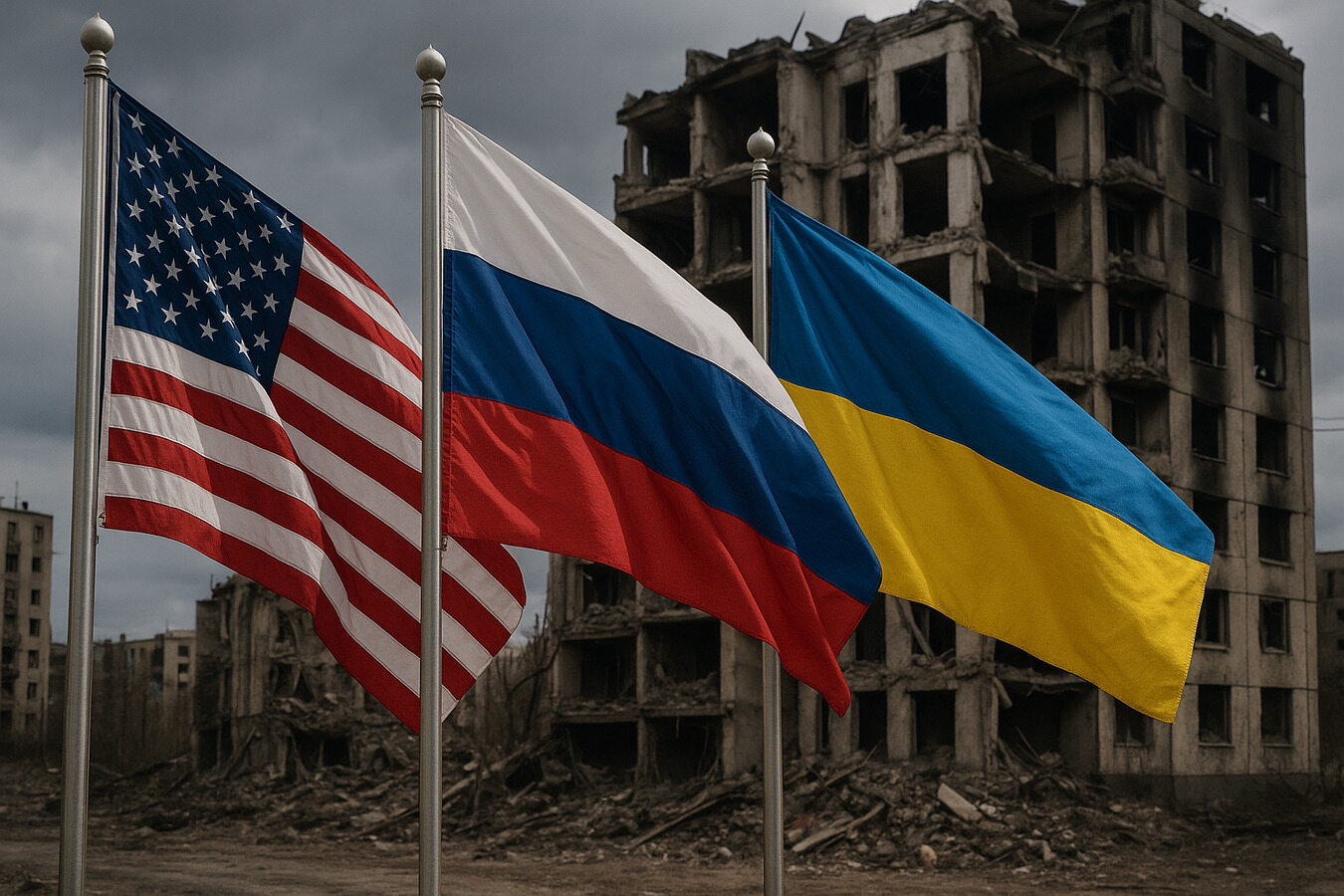
Summit in Alaska Sparks Anger in Kiev: Trump Softens Speech Against Moscow, Signals Controversial Agreement and Raises Fear of Ukrainian Capitulation
On Wednesday (13), Donald Trump told Volodymyr Zelensky that he would pressure Vladimir Putin about the War in Ukraine. The promise seemed to give hope to Kiev, which was awaiting a firmer stance from the United States in the face of the Russian offensive.
The most important developments, however, came days later. On Saturday, during a summit held in Alaska, Trump rolled out the red carpet for Putin and echoed the Kremlin’s rhetoric.
The gesture provoked an immediate reaction from authorities, soldiers, and civil society in Ukraine, who accused the American president of undermining efforts to end the war fairly.
-
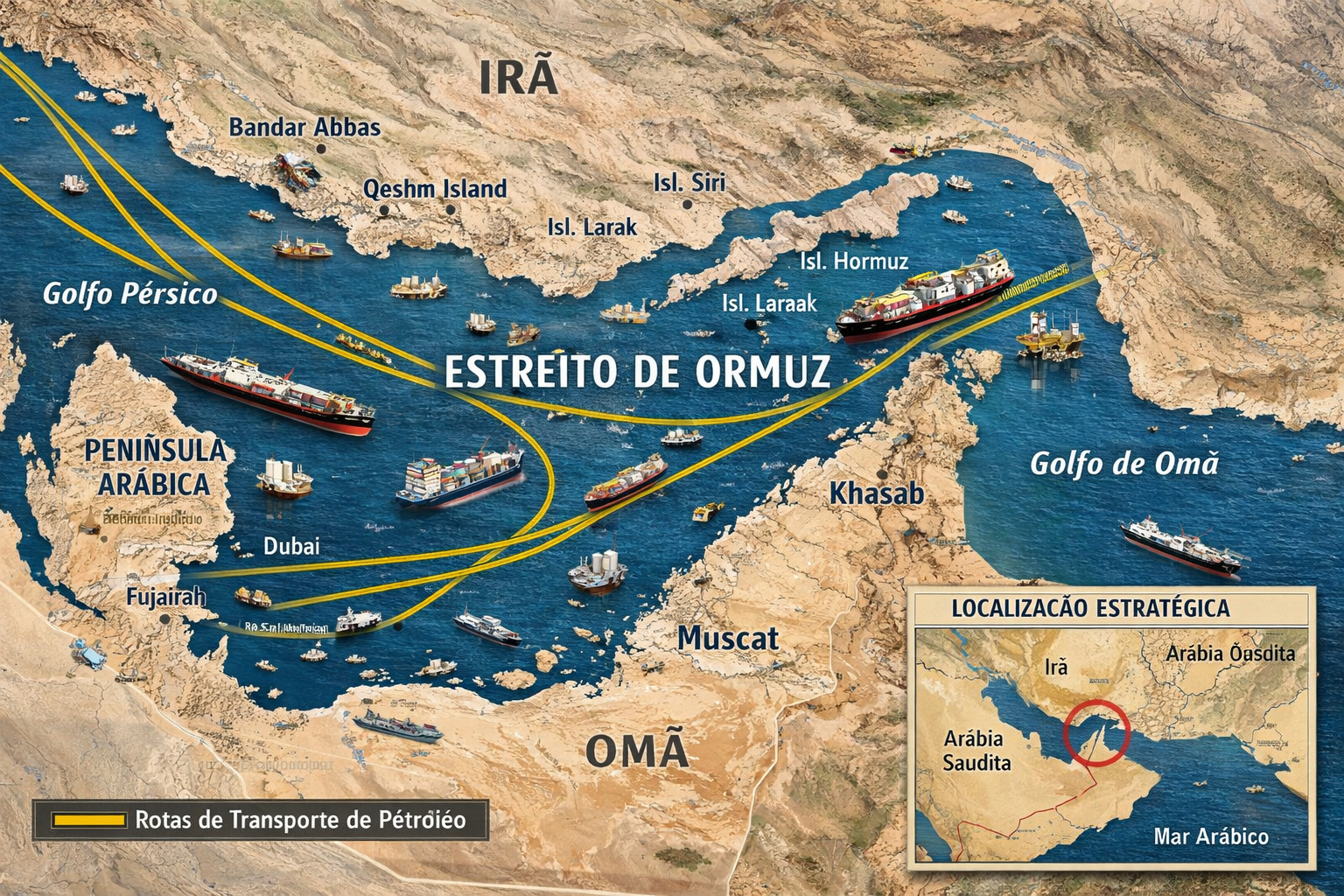
Global summit with over 40 countries pressures Iran for a blockade in the Strait of Hormuz and warns of direct impact on oil, food, and the global economy.
-
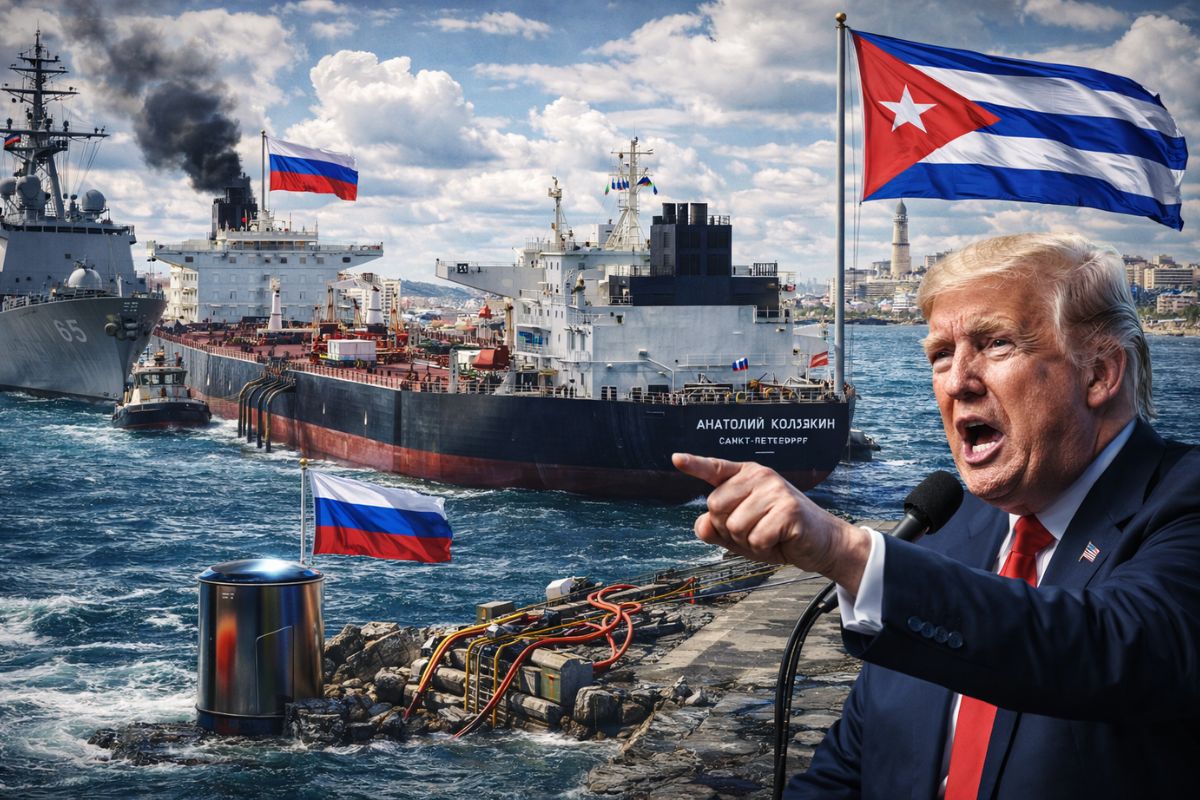
Russia has broken the U.S. maritime blockade to send oil to Cuba and is now loading a second ship while Trump says that “Cuba is next” in a possible military action against the island.
-
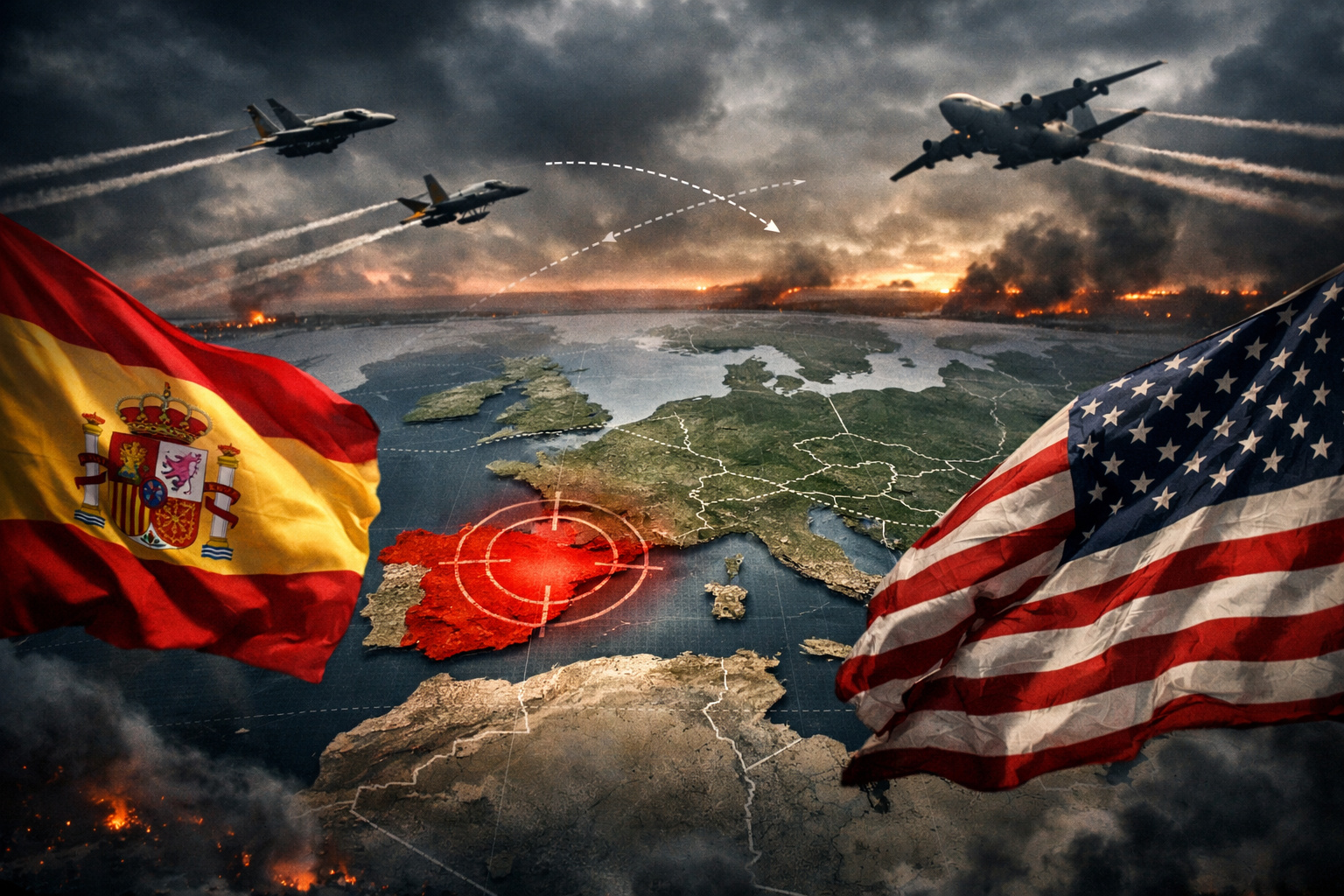
Spain challenges the USA and closes its airspace for operations against Iran, raising global tension and provoking the threat of a trade rupture.
-
While no other country manufactures tanks in Latin America, Argentina activates the TAM 2C-A2 and raises a curiosity about the technological lag in the region.

Public Statements and Worrying Signs
In a post on Truth Social, Trump said he was seeking a “peace agreement,” not just a ceasefire. He argued that ceasefires often do not hold.
Additionally, he suggested that the United States might not impose new sanctions against Russia, moving away from traditional pressure measures on Moscow.
Until recently, the Republican had been expressing frustration with Putin due to his intransigence and bombardments against civilians. Therefore, his change of tone left Ukrainian leaders on alert.
Conditions Imposed by Moscow
According to reports from the Financial Times, Putin demanded the withdrawal of Ukrainian troops from Donetsk and Luhansk as a condition to end the war.
He reportedly told Trump that he would agree to freeze the remaining front line if these demands were met.
The proposal sounded like betrayal in Kiev. “This is a stab in the back,” said a high-ranking Ukrainian official. Another added: “Trump just wants a quick deal.”
Hard Reaction in Kiev
Oleksandr Merezhiko, chairman of the Parliament’s foreign relations committee, classified the outcome of the summit as “terrible.”
For him, Trump seems to have aligned himself with Putin, and both are now trying to push Ukraine to accept a treaty that would equate to capitulation.
Merezhiko recalled that the initial idea for the meeting was to pressure Putin for an immediate ceasefire. If there was a refusal, there should have been serious consequences.
The problem, according to him, was the reversal of the process: Putin rejected the proposal and, in return, offered a false peace treaty. Trump, however, did not react.
New Meeting in Washington
Trump invited Zelensky to come to Washington on Monday for talks in the Oval Office. The location brings back bad memories for Kiev.
Six months ago, Zelensky was pressured there by Trump and Vice President J. D. Vance to accept terms favorable to Moscow.
This time, Ukrainian officials stated that they would not accept handing over Donetsk and Luhansk, considered a red line.
Still, Zelensky indicated openness to discuss territory but in a trilateral meeting with Trump and Putin. The Kremlin rejects this idea.
Fears About Sovereignty and Security
Ukraine believes that relinquishing Donetsk would hand Russia a springboard for future offensives. Moreover, any cession of territory would jeopardize the country’s sovereignty and weaken years of resistance.
Ivanna Klimpush-Tsintsadze, former Deputy Prime Minister, stated that meeting Putin’s ambitions does not guarantee peace. On the contrary, it could allow Moscow to regroup and attack again. “How will this prevent new attacks?,” she questioned.
Olga Aivazovska, of the NGO Opora, reminded that millions of citizens live in these regions. Ceding the territories would generate social tension and doubts about the purpose of prolonged defense.
Putin’s Strategy
According to Roksolana Pidlasa, a parliamentarian from Zelensky’s party, Putin’s goal is to lift sanctions and keep Ukraine in instability.
She stated that the Russian demands for Donetsk and Luhansk stem from knowing that this is unacceptable for Kiev.
Alexander Khara, an analyst at the Defense Strategies Center, classified the summit as “a major mistake and a victory for Putin.” He warned that if the agreement fails, Trump could blame Zelensky.
War Continues on the Battlefield
While diplomacy stirred the news, the Ukrainian army faced pressure on the front. Over the last weekend, Russian troops advanced 10 kilometers near Dobropillia.
The offensive was contained but required the deployment of experienced units to avoid breaking the front line.
Zelensky celebrated minor victories in Donetsk. Still, he acknowledged that Moscow would continue to pressure in the coming days to gain political leverage in future negotiations.
Pressure on Strategic Cities
In Pokrovsk, a vital logistics center, Russia is trying to completely encircle the city. A Ukrainian drone commander stated that no pause is possible. “Negotiations are negotiations, but fighting continues,” Oleksandr Solonko said on Telegram.
He summarized the perception of many military personnel: without containing the enemy on the battlefield, no conversation will bring real security.
Disturbing Silence in Kiev
In the capital, the preparation for the summit in Alaska brought a strange relief. During the week, Russian suicide drones stopped targeting Kiev. The pause, however, only reinforced the feeling that attacks would soon resume after the meeting.
On Saturday, an air raid alarm sounded briefly, rekindling fears of new bombardments. Civilians fear that ballistic missiles and explosive drones will once again threaten the city.
Between Diplomacy and Reality
Thus, the contrast became evident. On one side, Trump and Putin discuss peace proposals that sound, to Ukraine, like an imposition of defeat. On the other, soldiers and civilians continue to face bombs and enemy advances.
For Kiev, the message is clear: any negotiation will only make sense if it does not mean capitulation. The war continues, and every diplomatic move has a direct impact on lives at risk.
With information from Folha de São Paulo.







-

-

3 pessoas reagiram a isso.