





 Portuguese
  English
  Spanish
  3 min of reading


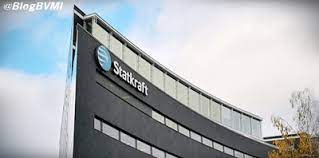
Norwegian Statkraft Is Optimistic About the Free Energy Market for 2022 and Is Expanding Its Investments in Wind Energy.
Statkraft, a leading Norwegian wind power generation company and other renewable sources in Europe, remains optimistic about the recovery of the Brazilian economy and sees Brazil as a fundamental part of its growth strategy in the Americas.
” Statkraft has made a decisive contribution to the country by investing in new generation projects and providing liquidity safely to its Free Market clients”, highlights Paulo Becker, president of trading at Statkraft Brazil.
- São Paulo reaches the mark of 1 GW of distributed generation. Growth is driven by the gold rush caused by the “sun tax” and rising electricity bills.
- Billion-dollar investment in Bahia: construction of the wind farm by Norwegian Statkraft begins in January
- Renewable energy: Energisa announces investments of R$29.5 billion by 2026, focusing on business diversification and green energy
Alongside wind power generation, hydropower, and others around the world, Statkraft is working intensively to increase the free market for selling energy to commercial, industrial, or other power generation companies, which can use the company as an emergency generator for potential power shortages within the grids, which remain a threat for 2022.
-
With a dependence of up to 80% on gas imported from the United States, Mexico is responding with a robust energy strategy, betting on shale gas, creating a scientific committee, and preparing to expand natural gas production to reduce vulnerability and strengthen its energy security in the coming years.
-
The United States proposes to Brazil a critical minerals agreement with a minimum price to combat Chinese dumping and priority for investment, but the Planalto is blocking the signing out of fear of upsetting China and due to electoral calculations in a year of competition.
-
How the world’s largest market sidestepped Trump’s tariff hike, diverted part of the cargo to new destinations, and still set a record in exports.
-
Petrobras buys back fields for billions — what no one is talking about regarding this decision and how it could impact jobs and oil in Brazil.
Statkraft Heavily Invests in Wind and Solar Energy in Brazil
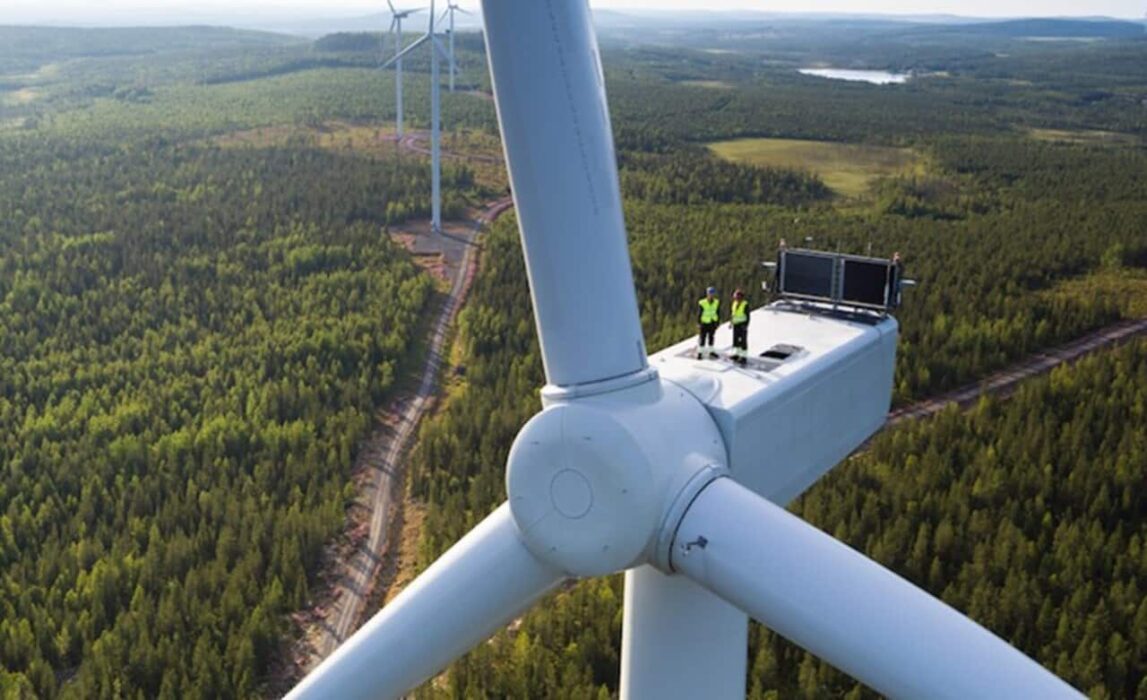
Following global trends and in accordance with what was agreed upon at COP 10, Statkraft is expanding its renewable energy generation in Brazil.
The company’s wind energy generation will be at the forefront of its business expansion plans in Brazil, according to the plan published on the company’s own website.
The strategy used for this growth, which aims to triple renewable energy generation by 2025 in Brazil, involves a mix of mergers and acquisitions with the development of its own plants to strengthen the company.
Meanwhile, the trading department has been increasing its efforts to generate increasingly interesting business opportunities in the country. In its latest report to investors, the company calculated a total net profit of R$187,875,000, of which R$126 million was generated in the third quarter of 2021 alone.
Annual Meeting of the Free Energy Market and New Trends for 2022
This event, which took place at the end of November in Bahia, brought together traders, generators, and sector associations, which serve as communication lines between companies and market regulatory bodies, and included the participation of Statkraft.
This event opened new possibilities for interaction with partner companies, a clearer view of how regulations may affect the market in 2022, and what the new developments are for the free energy sales market.
How Does the Free Energy Market Work? How to Become a Part of It?

The free energy market is a way for companies and industries not to rely solely on the power distributor that has the concession in the area where the company operates. Typically, contracts are offered from 500 KW, which usually makes this market relatively competitive in some respects.
The free energy market has various rules and procedures, which are regulated by CCEE (Electricity Trading Chamber).
Within this market, there are two types of energy being traded:
Incentivized Energy: These are renewable energies, such as wind energy, that bring a series of discounts to electricity bills, as the network usage rates have discounts of up to 80%, depending on the situation.
Traditional Energy: energy from other sources that do not offer the same discount.
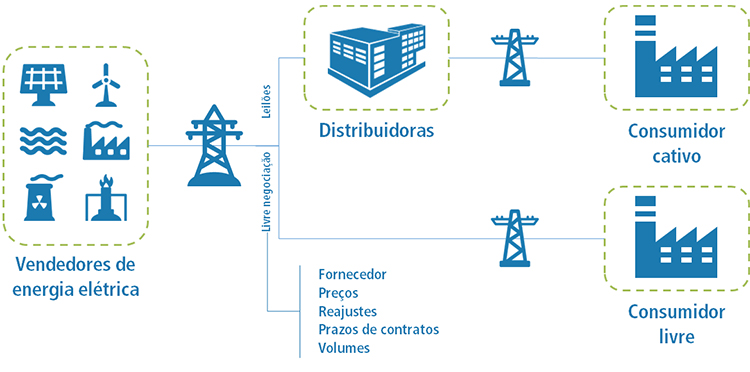
Moreover, in addition to these discounts, energy from the free market is more attractive for companies because it has, as the name suggests, free competition, so companies participating in this market are always looking to sell at the best prices and attract new clients.
Generally, all a company needs to do to transition to the free market is to meet the mentioned spending range and then contact the companies that will start supplying the electricity.





Seja o primeiro a reagir!