





 English
  Francês
  Alemão
  Italiano
  Japonês
  Norueguês
  Portuguese
  Spanish
  3 min of reading


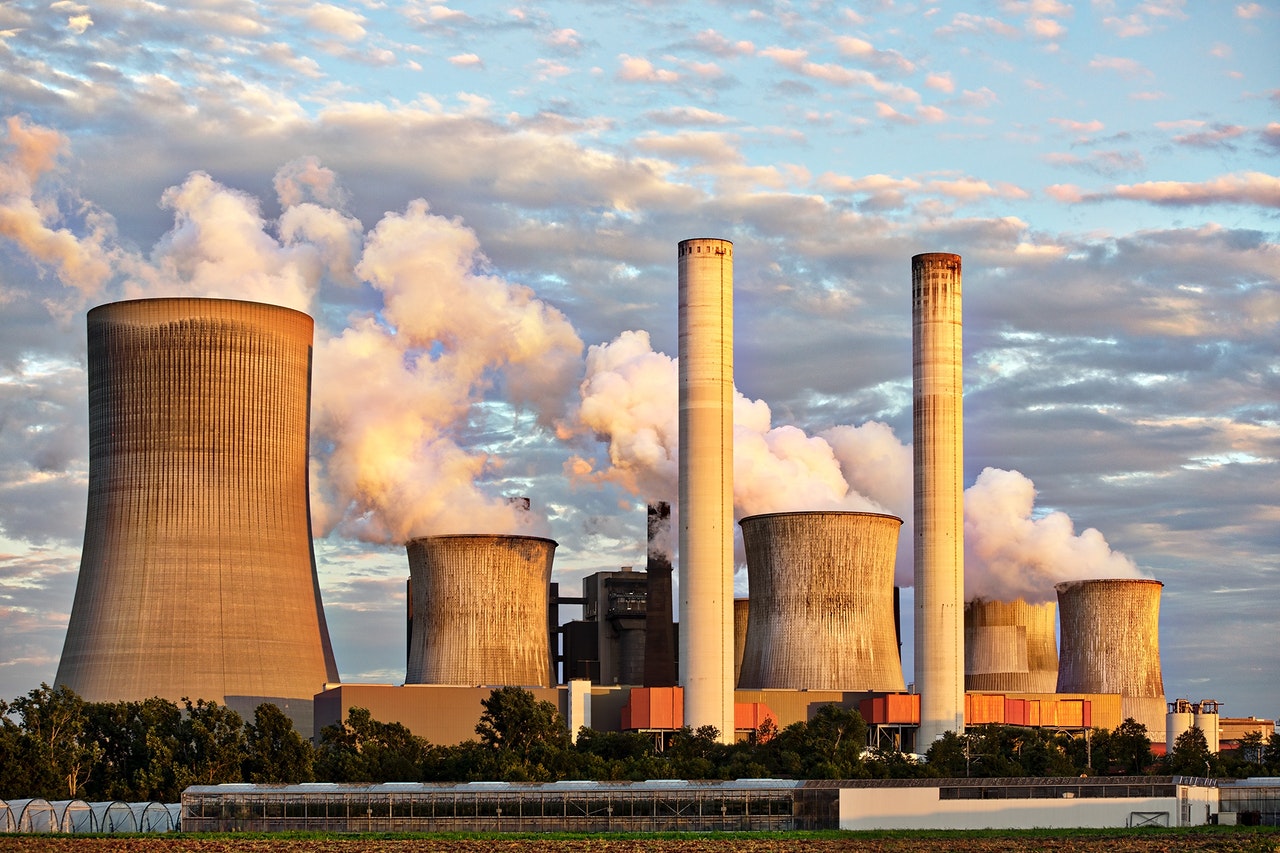
The Parliament Aims for Private Investments in Natural Gas and Nuclear Energy to Contribute to the EU’s Energy Transition to More Renewable Sources
Last week, it was determined by the European Parliament, during a plenary session, that natural gas and nuclear energy would be classified as renewable energy sources. Thus, projects utilizing these matrices will receive the “green seal” from the European Union (EU), enabling access to private investments to expedite the block’s energy transition process.
The proposal, made by the European Commission in February, received 278 votes in favor, 328 against, and 33 abstentions. However, 353 opposing legislators were needed for the Parliament to veto it, so the project was ultimately approved by the MEPs.
Now, the European Council, composed of the heads of state and government of the EU member countries, is set to assess the text. The most likely scenario is that there will be no objection to the proposal, and in this case, the Delegated Act on Taxonomy will come into effect from January 1 of next year.
-
Renewable energy advances over protected areas in Brazil, and a survey by the Energy Transition Observatory reveals silent impacts that challenge environmental conservation and pressure sensitive traditional territories.

-
Rio Grande do Sul accelerates energy transition: State invests in renewable technologies and consolidates decarbonization strategies and pathways to attract billions in new industrial investments.

-
With 160,000 m² of collectors, an area larger than 20 football fields, Silkeborg, in Denmark, hosts a solar thermal plant that heats 19,500 homes and could become the largest solar heating plant in the world.

-
A study reveals the expansion of renewable energy procurement in Brazil and shows how companies are taking advantage of opportunities to reduce expenses, ensure energy efficiency, and strengthen strategic environmental commitments.

In a statement, the Parliament declared that the classification of certain fossil gas and nuclear energy activities as transitional practices that assist in mitigating climate change was proposed because the Commission believes in private investment in gas and nuclear energy as an important part of the green transition.
Legislative Body Emphasizes That the Change is Dependent on Specific Conditions and Transparency Requirements
Additionally, the European legislative body also highlighted that, for natural gas and nuclear energy to be considered renewable energy sources, specific conditions and transparency requirements will be taken into account.
According to the Financial Times, one of these conditions is that projects with natural gas and nuclear energy must be approved instead of other energy sources classified as more harmful to the environment, such as oil and coal.
Furthermore, the law also requires that pollutant emissions from gas be limited and that the regulations for the disposal of radioactive waste from nuclear plants be adhered to. The goal is to ensure that the block’s energy is 100% derived from renewable sources by 2035.
According to the opinion of the President of the European Commission, Ursula von der Leyen, it is very likely and convincing that the measure will contribute to the acceleration of the block’s transition to renewable energy sources at a time when European countries are seeking to reduce their dependency on gas traded by Russia by up to 90% by the end of this year.
The Approval of the Proposal Faces Criticism from Environmentalists and Encounters Resistance in the Parliament
On the other hand, the measure has been harshly criticized by environmental activists and has faced resistance in the Parliament. In the assessment of a representative from Greenpeace Europe, the maneuver to approve the text was “shameful.” She also insinuated that the proposal may have been intermediated by a lobby from the nuclear and fossil fuel industries while expressing the desire to fight the project in the courts.
In this context, countries like Austria and Luxembourg have also stated that they will challenge the law in the Court of Justice of the European Union (CJEU). The Austrian Minister of Energy, Leonore Gewessler, argues that it is evident that both nuclear energy and fossil gas have no connection to sustainability and thus cannot be classified as renewable sources.







Seja o primeiro a reagir!