Portuguese
  Spanish



Production Of Energy Through The Use Of Green Hydrogen In Brazil Can Put The Country In A Highlighted Position In The Energy Sector
Globally, the energy sector is responsible for the majority of greenhouse gas emissions: about 73.2% of emissions worldwide are related to electricity, heat generation, and transportation. In Brazil, due to its energy matrix being mostly renewable because of hydroelectric plants, the sector represents 18.2% of gross emissions.
One of the moves made by the international energy sector, aimed at reducing gas emissions, is the use of green hydrogen. In Europe, for example, sustainably produced fuel is seen as a component capable of ensuring greater energy security for the countries in the European bloc.
According to consulting firm McKinsey, Brazil can become one of the global leaders in green hydrogen development. This expectation of advantage for Brazil in the energy sector arises from the fact that the country has abundant wind and solar energy potential, as well as an integrated and low-carbon electricity system. Additionally, Brazil is privileged with a geographical position that allows reaching Europe and the U.S. east coast, besides having a relevant domestic industry.
-
Fired during apartheid and with a little borrowed money, an electrician started with a borrowed truck and transformed electrical services into a group connected to energy, real estate, and infrastructure in South Africa.

-
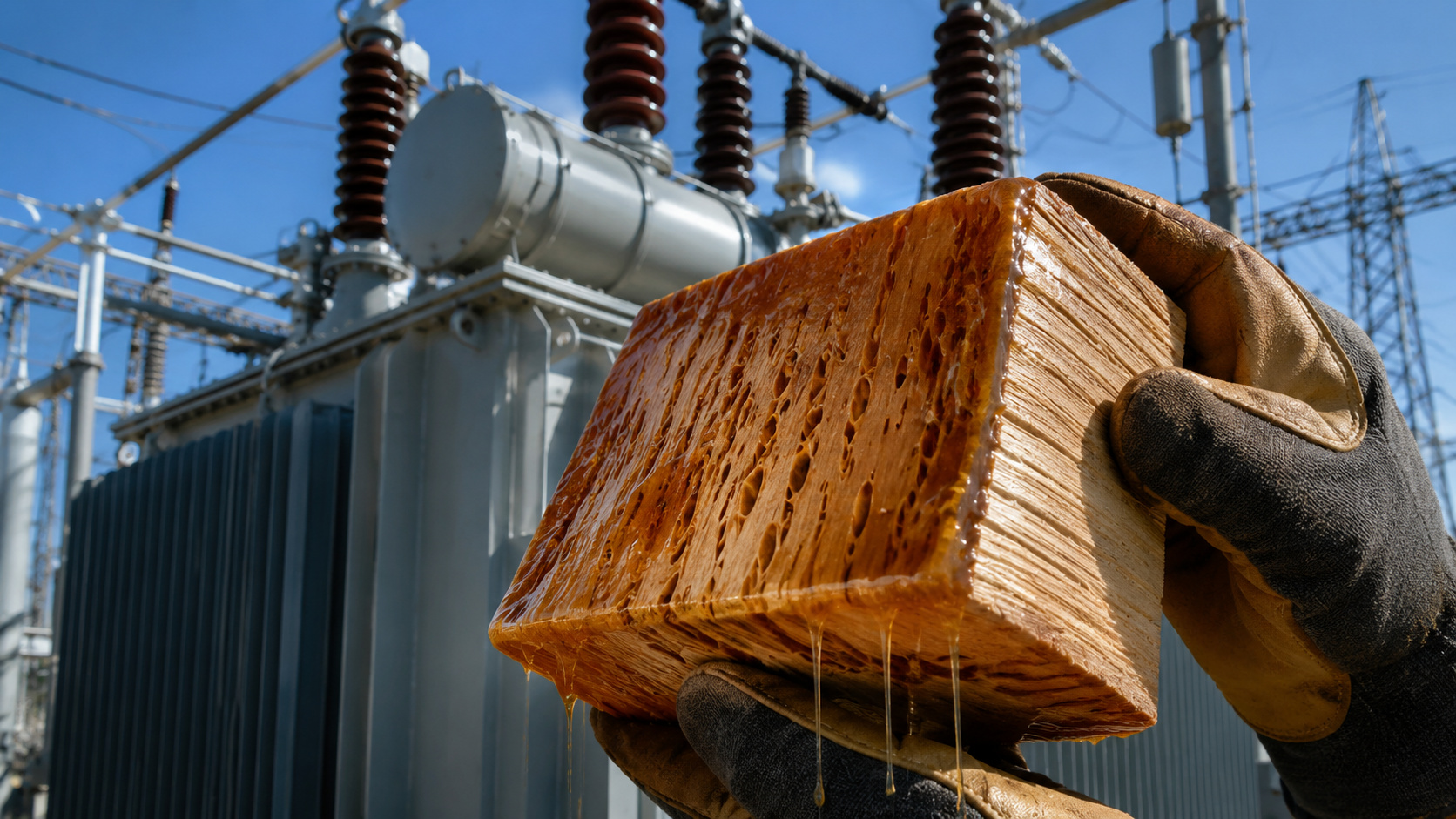
Wood has ceased to be just a construction material in Yale research and has become insulation for electrical transformers that face intense heat, aging, and increasing pressure from the renewable energy-powered grid.
-
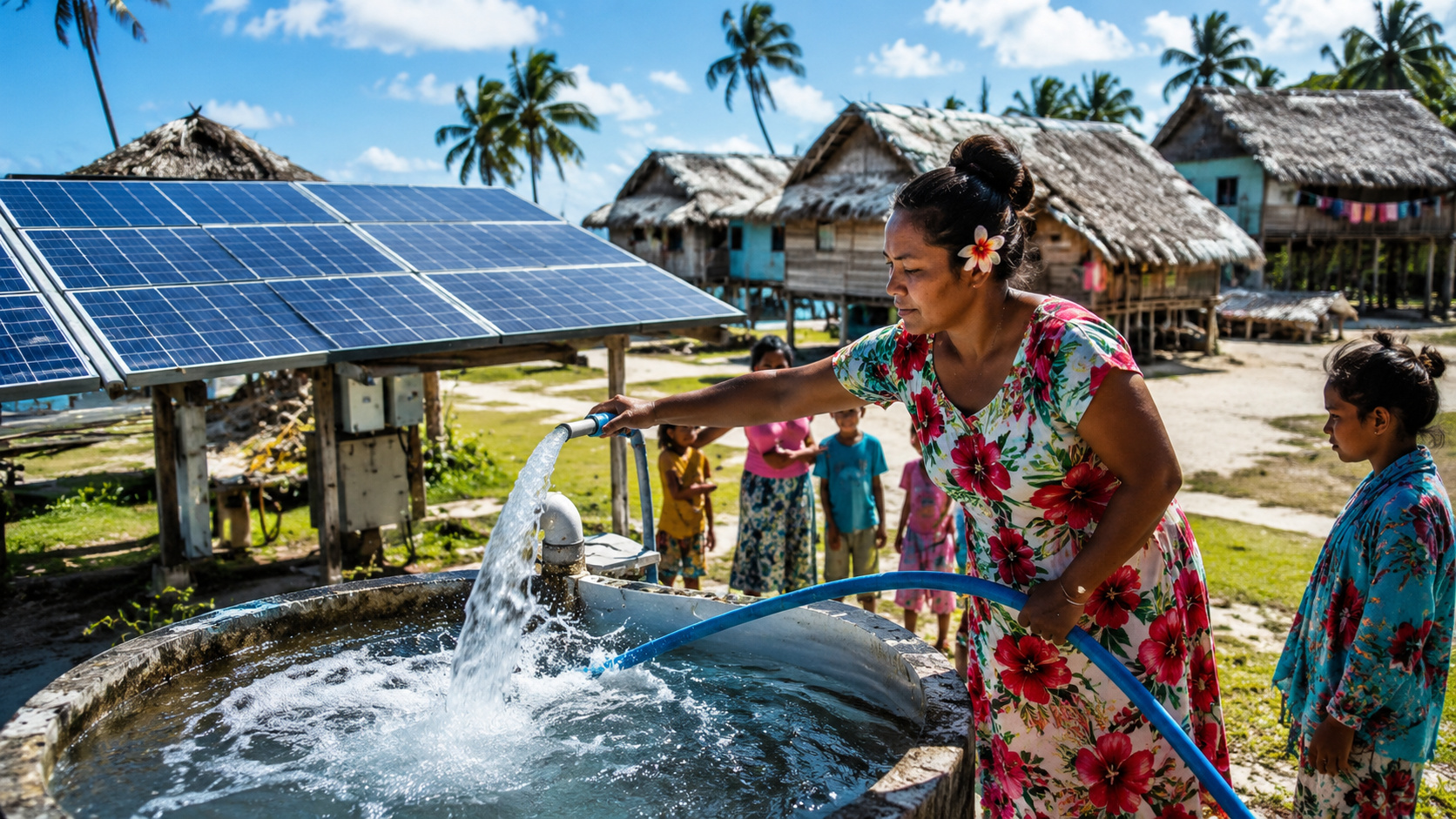
More than 1,000 residents of a remote island in Kiribati now have clean water and electricity with solar systems operated by the community itself.
-
Ceará brings together 7 giants and R$ 66 billion to transform Pecém into the largest green hydrogen hub in Brazil, with final decisions expected by the end of 2026.


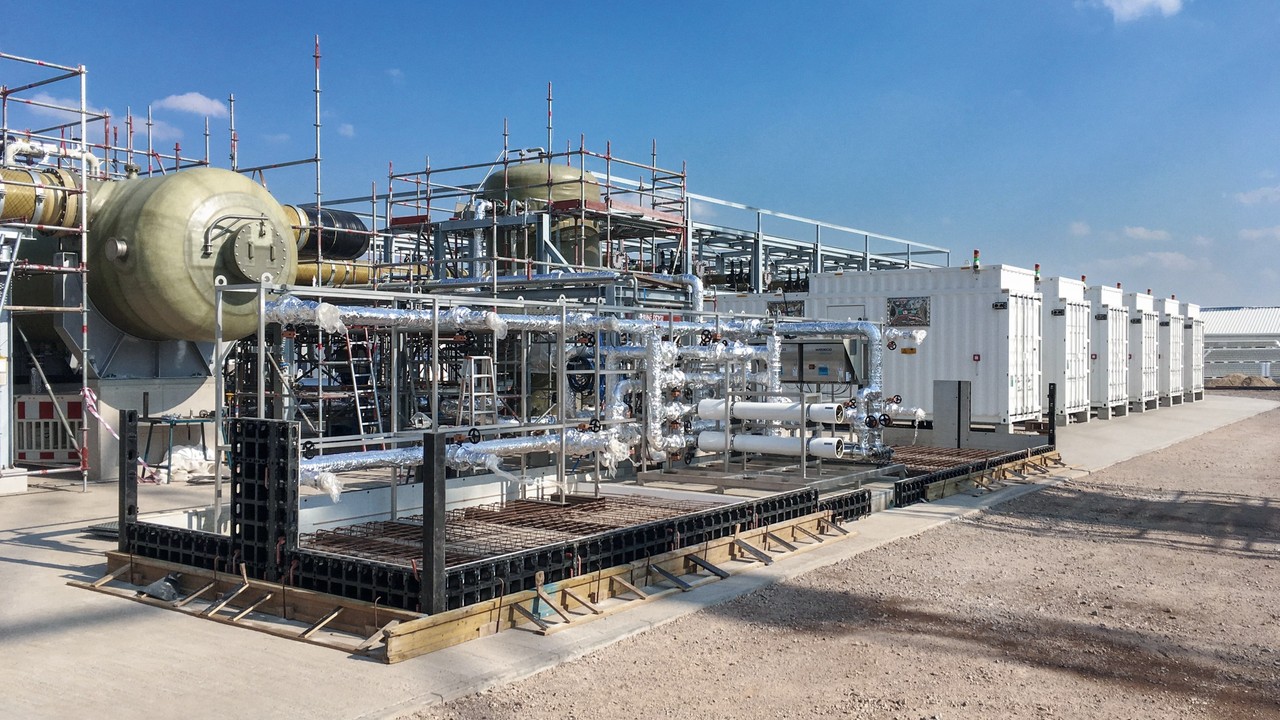
According to data presented by McKinsey, the potential generated by the energy industry using green hydrogen could reach between 15 billion and 20 billion dollars by 2040, with a significant portion of this potential, between 10 billion and 12 billion dollars, for the domestic market, especially in heavy cargo transport, steelmaking, and other industrial energy uses.
Approximately 6 billion dollars could come from exports of green hydrogen derivatives to Europe and the United States, as Brazil’s costs in these regions will be competitive compared to products from other countries.
Energy Sector Will Need To Invest About R$ 200 Billion In Green Hydrogen To Produce Energy
With the use of green hydrogen to enable the scenario of clean energy production, the consultancy highlights that to utilize green hydrogen, the sector will need to invest around 200 billion dollars, including 180 GW of additional renewable electricity generation capacity.
At the beginning of this month of July, the National Bank for Economic and Social Development (BNDES) announced a financing program for the production of green hydrogen in Brazil. The bank will use resources from the Climate Fund and will invest around R$300 million in credits to develop projects that promote the development of green hydrogen in the country.
Hydrogen Undergoes Treatment Before Being Used For Energy Production
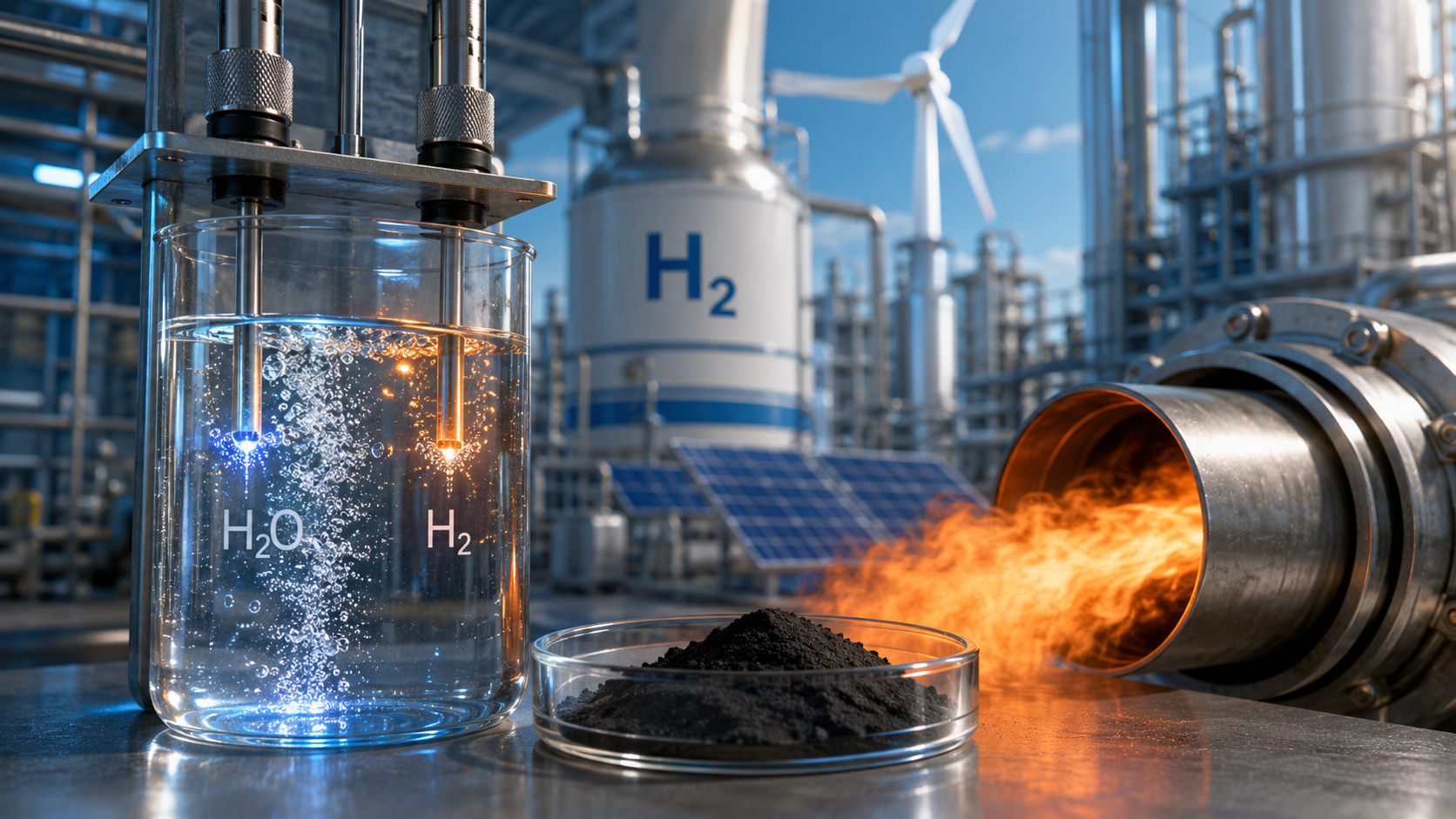
Hydrogen is one of the most abundant chemical elements in nature. However, the element is not found in a natural form and readily available to be used as fuel, thus, hydrogen needs to be produced from processes that break down molecules containing hydrogen, such as that of water.
This molecular breakdown process will determine whether hydrogen will indeed be sustainable or not. In the case of green hydrogen, it is produced from wind and solar energy and water through electrolysis. As long as the matrices are renewable, hydrogen will be a clean energy source.
In June, during the Global Symposium on Sustainable Solutions in Water and Energy held in Foz do Iguaçu, the president of ABH2 (Brazilian Hydrogen Association), Paulo Emílio Valadão, stated that the energy sector based on green hydrogen has great growth potential in Brazil, given the abundant clean energy sources.