Portuguese
  Spanish



With The Changes In ICMS, Experts Explain How Self-Generation Of Solar Energy Can Be Affected
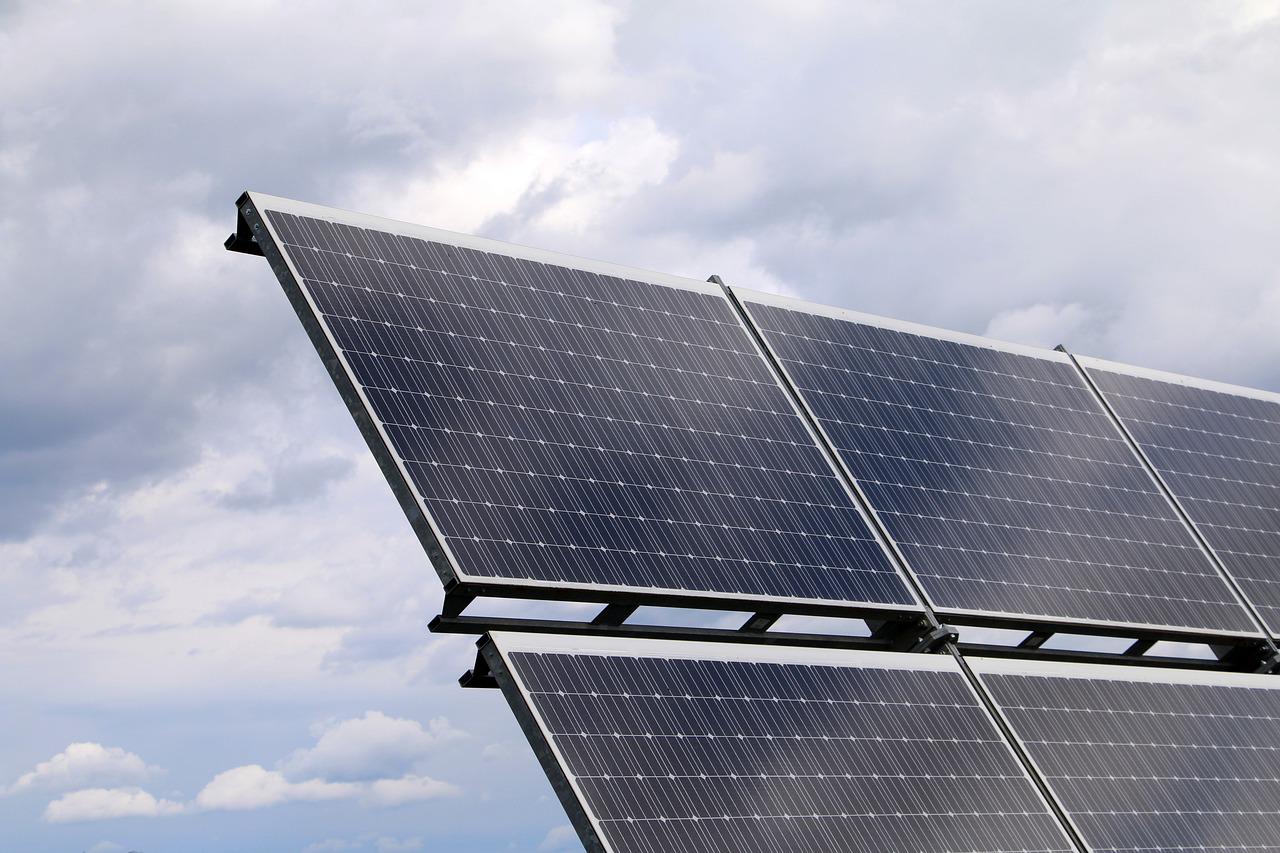
The changes in the ICMS determined by Governor Izolda Cela last Monday, the 4th, aim to reduce the percentage charged on energy consumption and exempt the tax for using the electricity distribution network. The news is expected to cut about 10% off the electricity bill, but also lower costs for those who own solar panels.
The decrease in ICMS on solar energy generation could make investing in self-generated energy more attractive. According to Raphael Amaral da Camâra, a professor in the Electrical Engineering Department at the Federal University of Ceará (UFC), any reduction in the tax burden brings benefits for those considering their own energy generation.
The professor anticipates that the payment of the tax may account for about 15% of the fixed monthly cost, which includes the minimum fee paid to companies, public lighting, and the Tusd (Tariff for Use of the Distribution System), to which the ICMS also applies.
-
Fired during apartheid and with a little borrowed money, an electrician started with a borrowed truck and transformed electrical services into a group connected to energy, real estate, and infrastructure in South Africa.

-
Wood has ceased to be just a construction material in Yale research and has become insulation for electrical transformers that face intense heat, aging, and increasing pressure from the renewable energy-powered grid.
-
More than 1,000 residents of a remote island in Kiribati now have clean water and electricity with solar systems operated by the community itself.
-
Ceará brings together 7 giants and R$ 66 billion to transform Pecém into the largest green hydrogen hub in Brazil, with final decisions expected by the end of 2026.



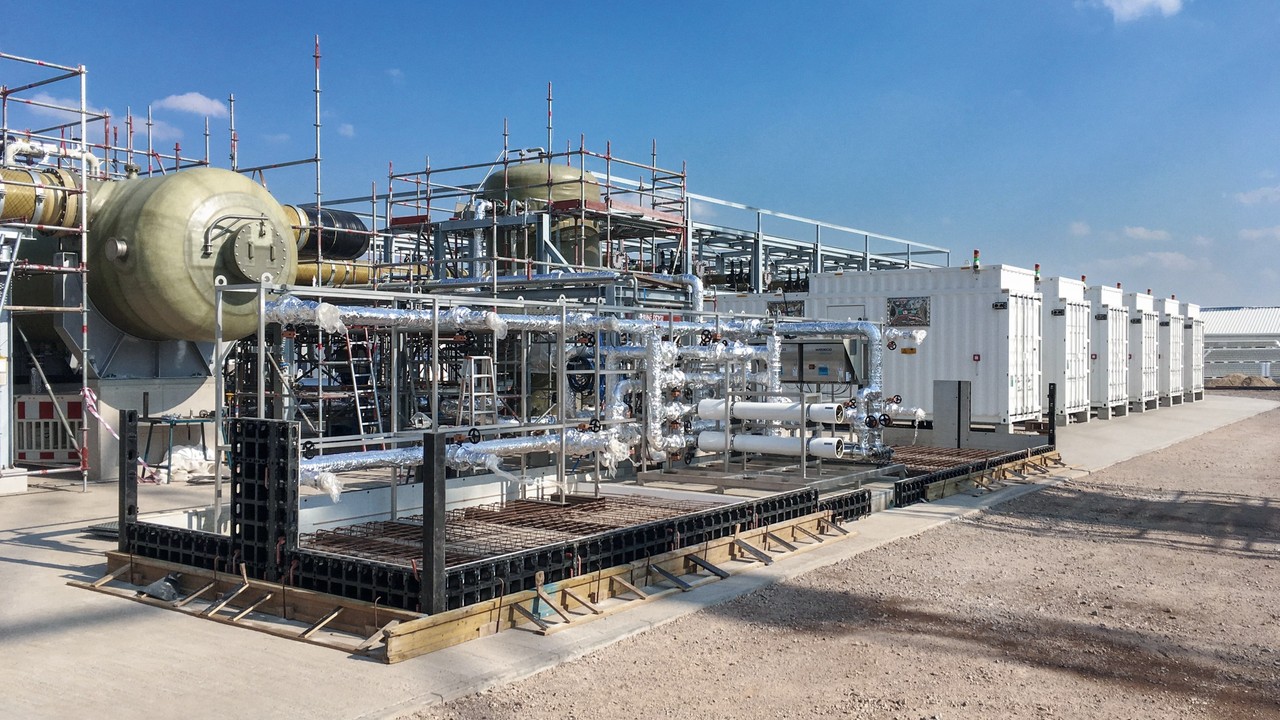
For those who generate solar energy at the same location where they consume it, they only pay the fee when there is an excess fed into the grid and when they cover this difference in situations where electricity consumption is greater than the energy production, as there is use of the grid. On the other hand, for those who produce electricity remotely, 100% of what is produced is transmitted to the consumption site, increasing the impact of the tax charge.
Camâra also points out that the measure improves the competitiveness of the state compared to neighboring federal states that no longer charge ICMS for using the transmission network, increasing the potential for attracting investments in distributed and centralized generation.
“The State Government was going against the other governments in the Northeast by not exempting ICMS. Here, the potential for solar energy generation is enormous; we cannot lose market share to nearby states. We need to encourage users to install solar energy in their homes, businesses, etc.”
Cost Of Purchased Energy Is Aligned With The Production Of Solar Energy
Adão Linhares, Executive Secretary of Energy and Telecommunications at Seinfra (Ceará Infrastructure Secretariat), states that when the cost of electricity purchased from the utility decreases, the production of solar energy becomes slightly less advantageous, as people seek solar panels as a means to mitigate high supply charges.
In this regard, it is not viable for companies that undertake projects and solutions for distributed generation replacement. On the other hand, the solar energy sector has been well-received, having broken the paradigm of the unknown, and things are happening naturally and growing organically.”
Reduction In ICMS
Hanter Pessoa, Director of Distributed Generation at Sindienergia (Ceará Electric Sector Service Providers Union), reports that the logic presented by Linhares may make sense in the short term. However, he recalls that the electricity supplied by the utility will always be subject to annual ICMS adjustments and tariff flags, which push energy prices up. In contrast, those who choose to produce their own electricity remain immune to these fluctuations and also benefit from the new exemption from charges.
“Energy costs will decrease for those without solar energy, and the payback period will be longer, but the energy sector continues to rise. Those who develop their own systems will have a lower fixed cost, without ICMS, for several years, while electricity prices will always increase.”