





 Portuguese
  English
  Spanish
  3 min of reading


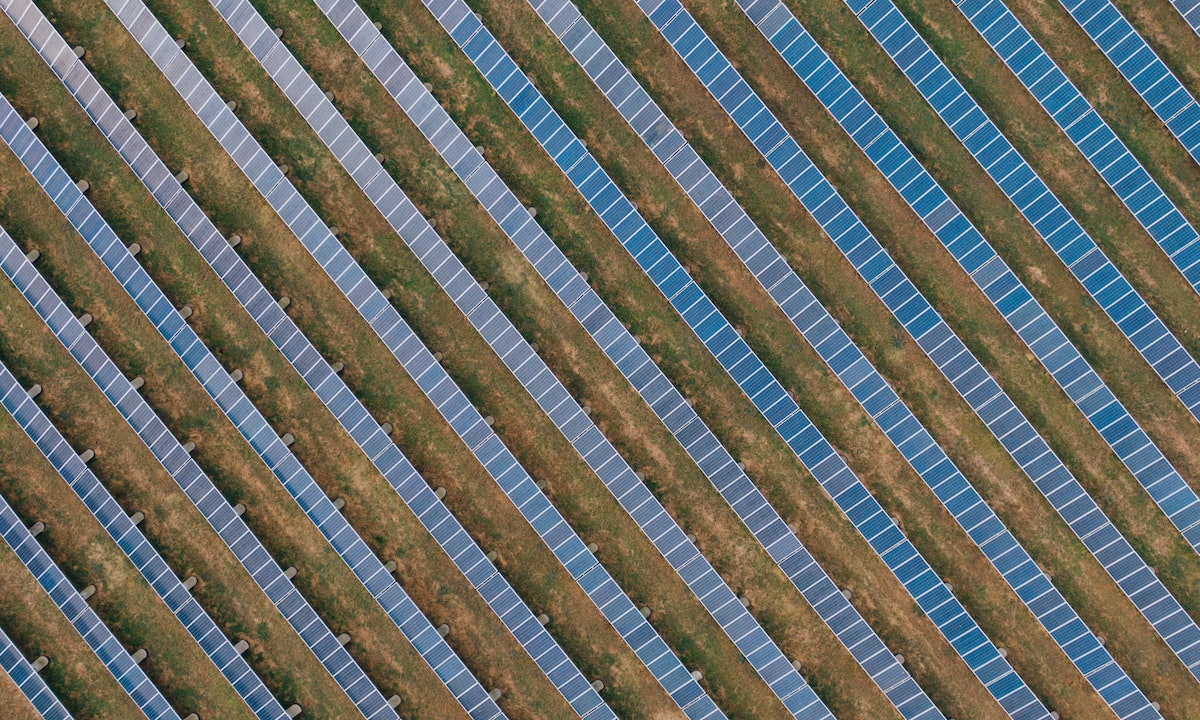
According to Absolar, the installed capacity of solar energy plants exceeded 17 GW, potentially surpassing the Itaipu plant
Since February, the installed capacity of solar energy has been increasing, reaching 1 GW per month in Brazil. In July, the source surpassed the mark of 17 GW, which is approximately 8.4% of the Brazilian electricity matrix. Today, solar energy generation is the third largest, trailing only hydropower and wind energy, and could surpass the production of the Itaipu plant. The information was provided by the Brazilian Photovoltaic Solar Energy Association (Absolar).
If the increase continues at this pace, solar energy production will reach double the capacity of the largest national hydropower plant, Itaipu, which generates 14 GW, in February 2023, according to Absolar.
This number of solar energy production, potentially surpassing the Itaipu plant, is significantly important for this type of energy generation which, five years ago, had a negligible impact on the Brazilian energy matrix.
-
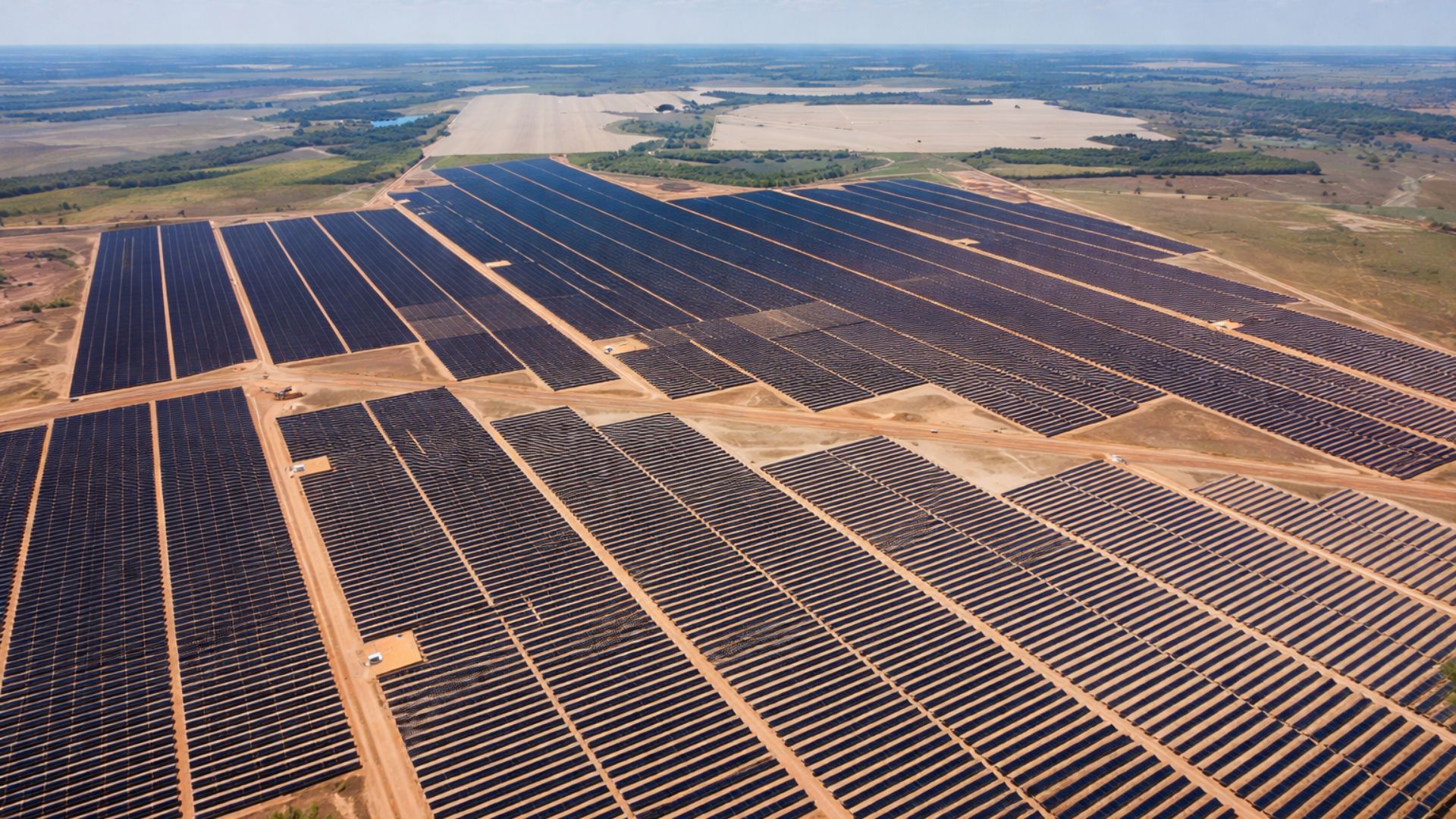
Solar energy gains strength with the Barro Alto solar complex, which increases renewable energy production in Brazil, creates jobs, strengthens the clean matrix, and transforms the electric sector with innovation and sustainability.
-
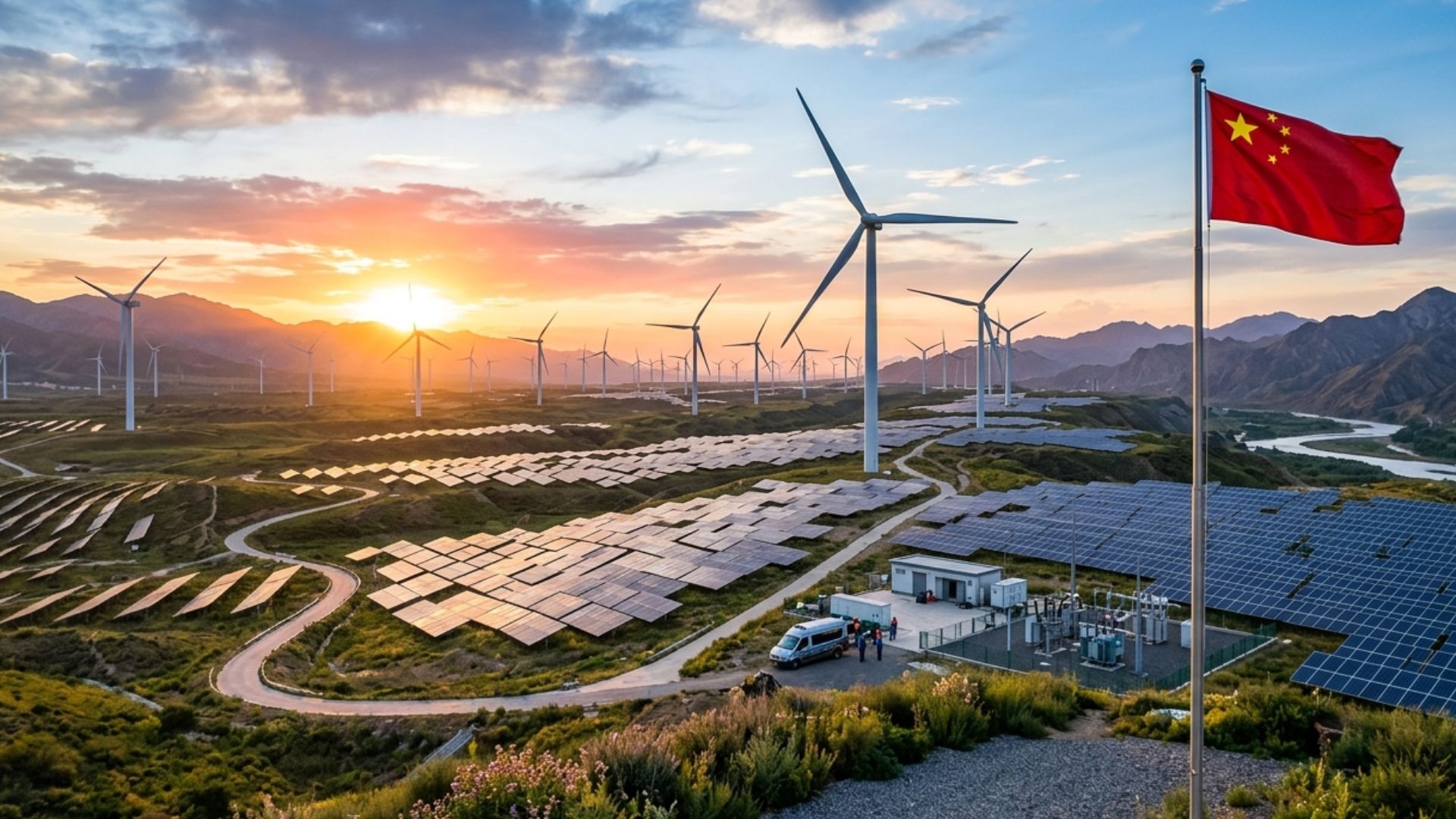
Renewable energy advances globally with Asia taking the lead; Irena’s analysis indicates a strategic progress that drives the energy transition and reduces generation costs.
-
Globo broadcaster achieves 100% renewable energy and advances climate goal, strengthening environmental commitment, reducing emissions, and influencing large companies to adopt more sustainable and competitive strategies.
-
New mapping reveals the Brazilian states with the greatest potential for the production and use of green hydrogen in Brazil to lead the global market.

“The source helps diversify Brazil’s electrical power supply, reducing pressure on water resources and the risk of further increases in electricity bills for the population,” comments Rodrigo Sauaia, CEO of Absolar.
The energy sector is divided into two modalities of generation, according to Absolar. There are large plants, which are focused on selling energy in the free market, like Itaipu, and those that supply larger consumers, especially the corporate sector. In this mode, there are 5.3 GW of capacity and approximately 27 billion reais in investments since 2012, according to Absolar’s forecast.
The majority of solar energy generation, however, is distributed on the rooftops of homes and small businesses, in the model of dispersed energy generation. These are people who prioritize generating their own energy, always with the aim of reducing their electricity bills. There are nearly 12 GW of installed capacity, slightly less than Itaipu, and over 63 billion reais invested in the last decade.
Growth of Solar Energy
The numbers released by Absolar demonstrate the resilience of solar energy, second only to the Itaipu plant. According to Absolar, the solar source has brought 90.5 billion reais in investments to Brazil, 24.6 billion in revenue to public coffers, and generated over 514,000 jobs in the last 10 years. This form of energy has also eliminated the emission of 25.5 million tons of carbon.
Investments in Solar Energy Can Be a Good Alternative for Investors
According to an article published in EXAME, Ramon Nuche, director of AE Solar, a German manufacturer of photovoltaic panels, stated that now is the time to invest in this type of energy generation.
“The solar energy sector is expecting exponential growth this year in Brazil, especially in solar self-generation systems, due to the increase in electricity tariffs and the implementation of Law No. 14,300/2022, which established the legal framework for self-generation of energy,” said Nuche.
In 2021, Brazil was the fourth country with the highest growth in solar energy and is now in 13th place among the largest energy generators. According to the “Global Market Outlook for Solar Power 2022-2026,” the leading report in the global photovoltaic solar sector, Brazil, the leading solar market in Latin America, could become one of the major global solar energy markets in the coming years, potentially reaching 54 gigawatts (GW) of total solar capacity by 2026 and could also match the production of Itaipu, according to Absolar.







Seja o primeiro a reagir!