





 Portuguese
  English
  Spanish
  2 min of reading


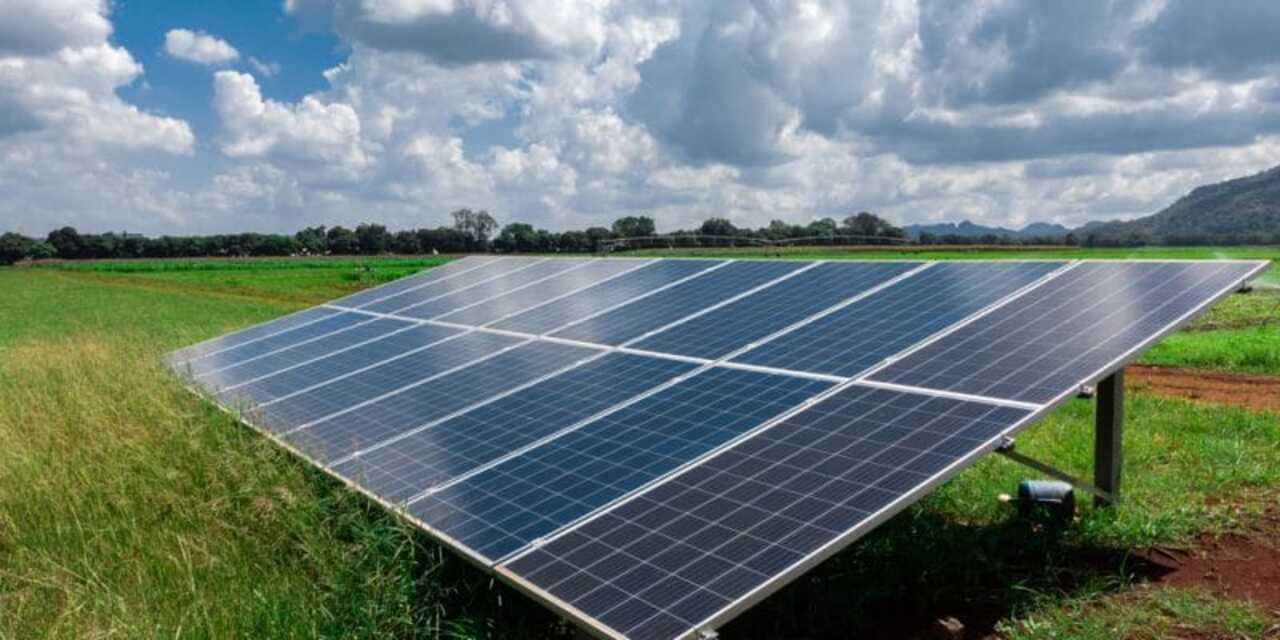
Solar Energy Officially Elected The Cheapest Renewable Energy In History According To A Report By The International Energy Agency (IEA)
A report by the International Energy Agency (IEA) confirms what many had suspected: the solar energy harvested through photovoltaic installations now has costs so low that it is the cheapest renewable energy available to utilities.
Read Also
Solar Energy Cheaper To Obtain Than Electricity Supplied By Coal-Fired Power Plants
The IEA’s 464-page report also highlights the “extraordinarily turbulent” impact of the coronavirus and the “extremely uncertain” future of global solar energy consumption over the next two decades. Reflecting this uncertainty, this year’s renewable energy report outlines four “pathways” to follow until 2040, all aimed at a significant increase in the importance of renewable energy sources.
The IEA’s main scenario aims for solar energy production to be 43% higher by 2040 than previously estimated in 2018, partly due to new cost analyses in renewable energy that show solar energy is 20-50% cheaper than previously thought.
-
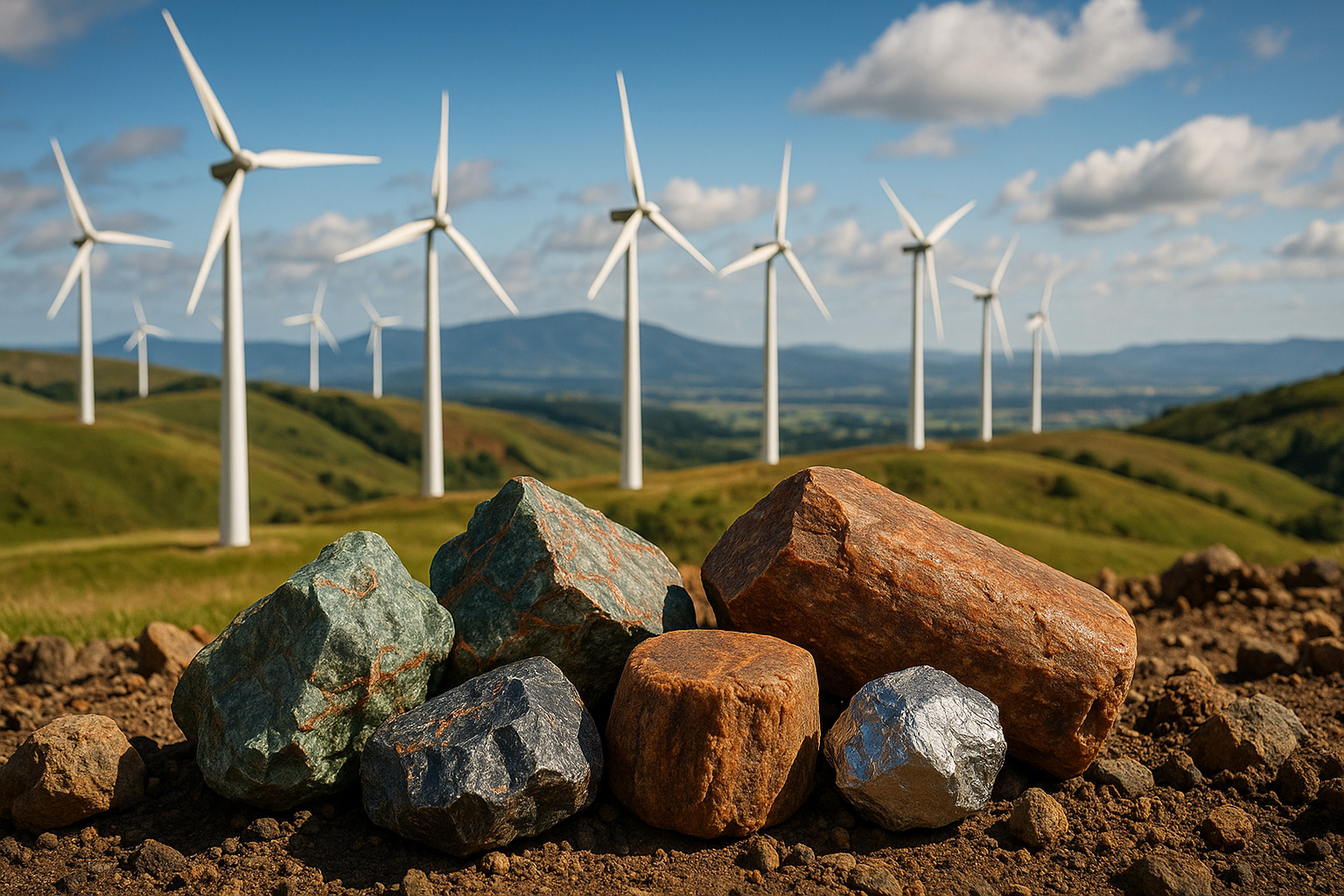
The Brazilian state accelerates industrial competitiveness with a focus on the extraction of strategic minerals to boost the energy transition in Goiás.
-
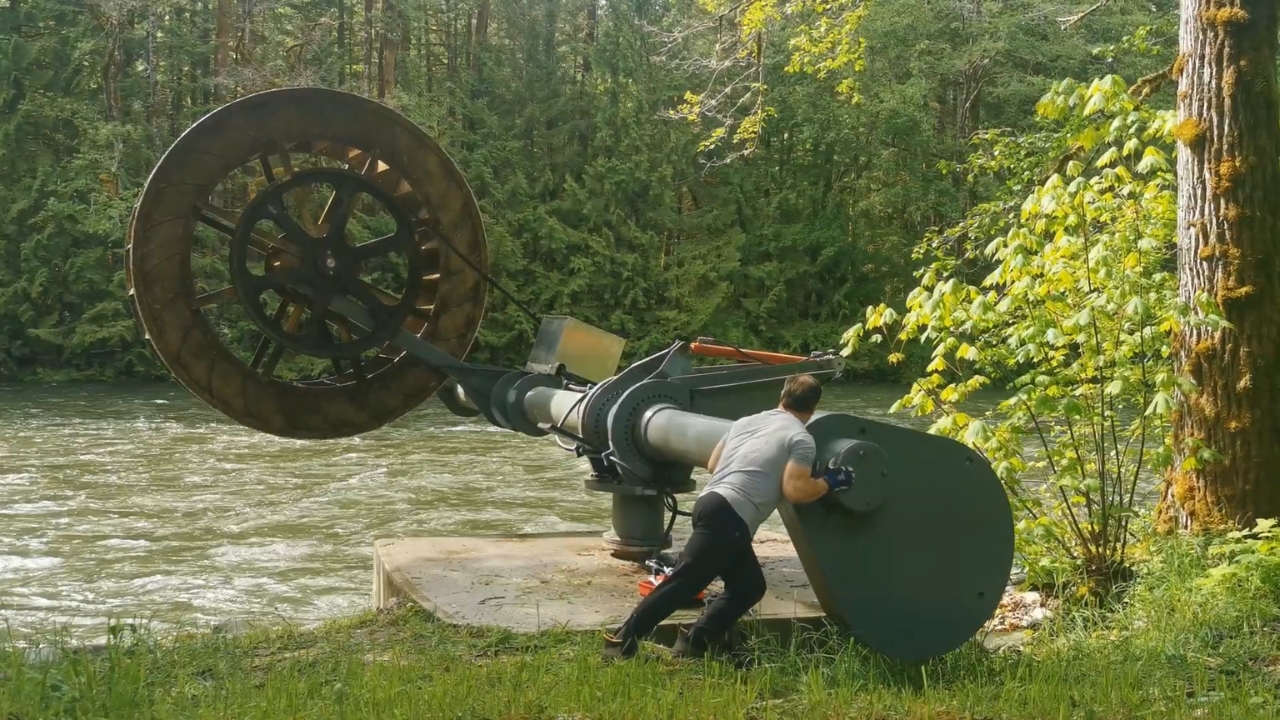
A Canadian retiree creates a hydroelectric system on a real river, generating energy continuously throughout the day and demonstrating how the power of water can supply a house with stability even in a simple structure.
-
Petrobras reaffirms its commitment to the market and ensures that it will carry out the energy transition safely to maintain national sovereignty.

-
Researchers discover a possible hydrogen deposit of up to 46 million tons beneath an ancient coal basin, and the volume could exceed half of the entire global production.

Despite the accelerated adoption of renewable energy and the decline in coal use, the IEA believes it is too early to declare the peak of global oil use unless there is stronger climate action for solar energy use. For instance, estimates show that fossil fuel demand could increase by 30% by 2040 unless the strategy to combat global warming is strengthened beyond the goals set so far.
IEA Is Modeling A Scenario That Aims For Net Zero CO2 Emissions By 2050
For the first time, the IEA is modeling a scenario aiming for net zero CO2 emissions by 2050, with the goal of limiting global warming below the threshold of 1.5 °C, which is considered the upper limit to avoid the worst consequences for the ecosystem and, by extension, human civilization through the use of solar energy.
For example, one proposed change for renewable energy for the world is to work from home three days a week, thereby reducing the need for air-conditioned workspace in office buildings and the resulting pollution footprint from transportation.
A first step towards achieving this seemingly improbable ideal has already been taken by the COVID-19 pandemic, with working from home being reevaluated in just a few months, from being a “productivity killer” to a survival strategy for employees and companies.









Seja o primeiro a reagir!