





 Portuguese
  English
  Spanish
  4 min of reading


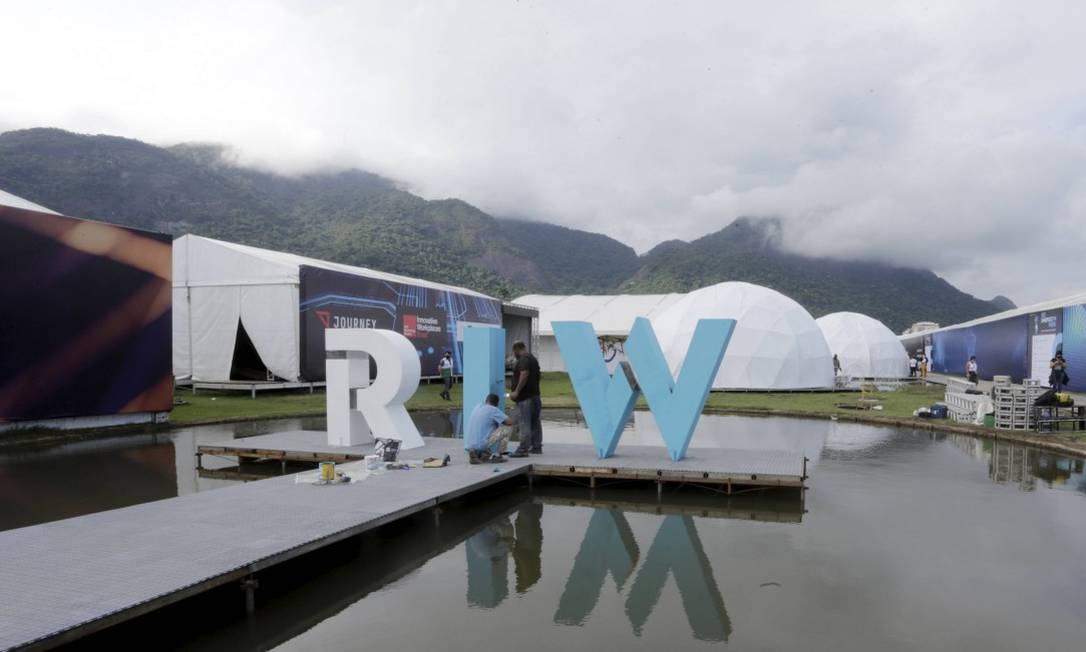
The Panel “Transformations in the Energy Sector,” Held on Sunday (01/16), Brought a Discussion About Renewable Energy in Brazil
The Rio Innovation Week was undoubtedly a great event, featuring significant participation from companies, the Government, and society. It could not, therefore, overlook topics such as renewable energy, a market that has been growing significantly in Brazil, especially pressed by the recent major energy difficulties, thanks to the worst water crisis in the last 91 years.
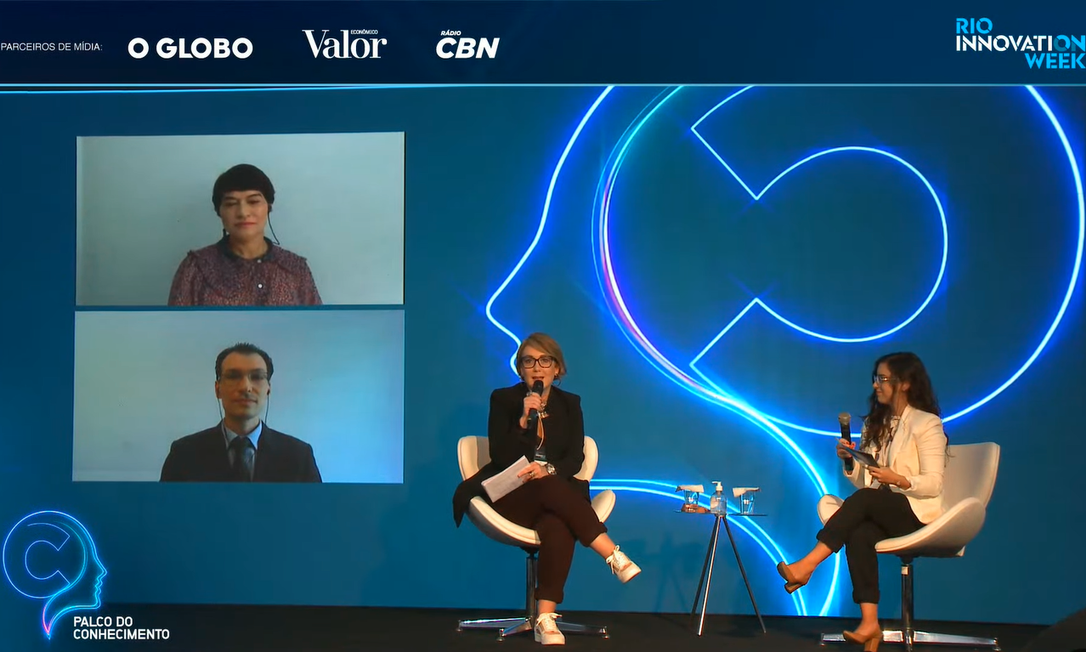
The panel “Transformations in the Energy Sector” stood out during the event, bringing valuable information and insights about renewable energy, as well as the importance of oil and gas in this transition, including positions for the future of these sectors. The panel featured representatives from the solar market (represented by Rodrigo Lopes Sauaia, Executive President of Absolar), the wind energy market (represented by Elbia Gannoum, CEO of the Brazilian Wind Energy Association), and the oil and gas market (represented by Fernanda Delgado, Corporate Executive Director of the Brazilian Institute of Oil and Gas).
- The Renewable Energy Market in 2022 Should Surpass 2021 Figures, When Wind and Solar Recorded Record Production Rates of Clean Energy
- TIVIT Buys Wind Energy for the Next 12 Months, Acquires Shares in the São Mizael Wind Park, and Has 100% of Its Energy Consumption Produced from Clean Sources, Reducing the Carbon Generation Impact
- 1 Million Consumers Are Already Producing Their Own Solar Energy in Brazil, Totaling 8.6 GW of Capacity, According to Absolar
Everyone agrees that changes to Brazil’s energy matrix are necessary, especially to reduce its dependency on hydroelectric energy, as climate variations, once merely an ecological concern, are negatively affecting society and businesses in general, generating a considerable increase in the cost of electricity.
-
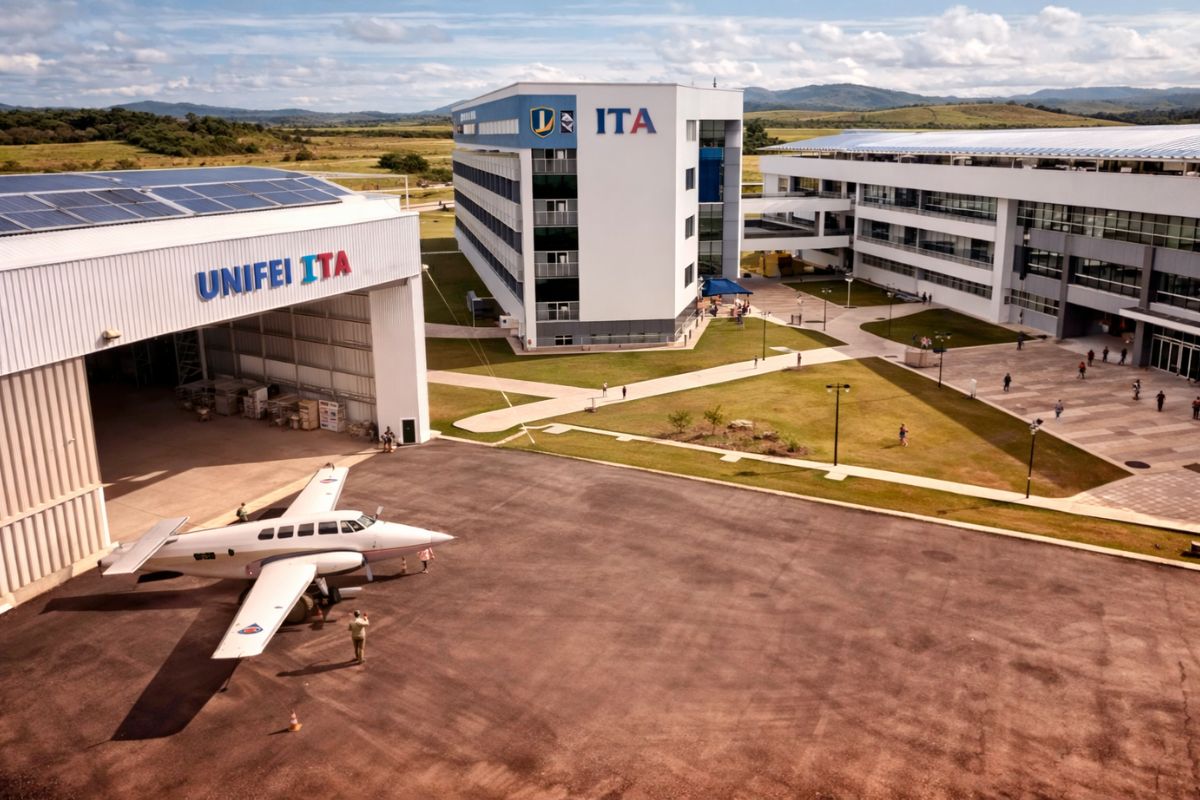
The institute that trained the greatest aerospace engineers in Brazil has just opened its first campus outside São Paulo after 75 years: ITA Ceará will have R$ 445 million, new courses in energy and systems, and classes are expected to start in 2027.
-
Luciano Hang, owner of Havan, goes to Juiz de Fora after the tragedy in February, brings R$ 1 million, hands out R$ 2,000 cards, and donates up to R$ 15,000 to victims in the region.

-
The Brazilian passport allows legal residence in dozens of countries without the need for a prior visa, and most Brazilians are unaware that they can apply for residency directly upon arriving in nations in South America, Africa, and even Europe.

-
Petrobras sends a message to Brazilian truck drivers after fuel collapse and reveals plan to have 100% domestic diesel.


Partnerships for the Future of Renewable Energies
In order to diversify Brazil’s electric matrix with alternative energies, there are various options that were pointed out by experts during the panel.
From biogas to microgeneration, whether solar, wind, or even hydroelectric, the need for private sector intervention in renewable energy generation has been widely discussed.
An interesting example of growth, which seems impressive in isolation but is not so remarkable in the overall picture, is that of solar microgeneration.
Even with the milestone of one million consumers served by self-generated solar energy, in the universe of total energy consumers in Brazil, this represents only 1% of the total, indicating there is a long way to go.
Another very interesting issue raised during this panel was the participation of the oil and gas market in this energy transition.
Many consider that the oil and gas sector is antagonistic to the changes brought about by renewable energies, but that is not the reality. There is, in fact, as stated by Fernanda Delgado, an extremely interesting synergy between the offshore wind market and the oil and gas market.
This is because the oil and gas market has maritime expertise, which could be beneficial for the installation of offshore wind generators, so much so that this has been a segment widely sought after by international oil companies in Brazil.
“The wind industry can collaborate with the oil industry and, with this leverage, we create and boost offshore wind projects. There is a huge synergy in how to utilize vessels, ports, and structures. Furthermore, all the end-of-line production from the oil industry, which we call decommissioning, can be utilized for the wind industry. There is a lot of synergy. There are business opportunities, there is money on the table, and energy is being created.”
Decarbonization in Mind to Meet COP 26 Goals.
As expected, COP 26 was also a topic during this panel, pointing out that it is necessary to vary between different sources so that Brazil can create a versatile renewable energy matrix that is independent of fossil fuels.
The oil and gas market itself has been seeking its own alternatives to reduce dependence on fossil fuels.
In addition to green hydrogen, research is being conducted into the application of new biofuels and green hydrogen, so that Brazil can not only adapt to changes but also become a leading country in the new energy reality of the world.










Seja o primeiro a reagir!