





 Portuguese
  English
  Spanish
 3 min of reading


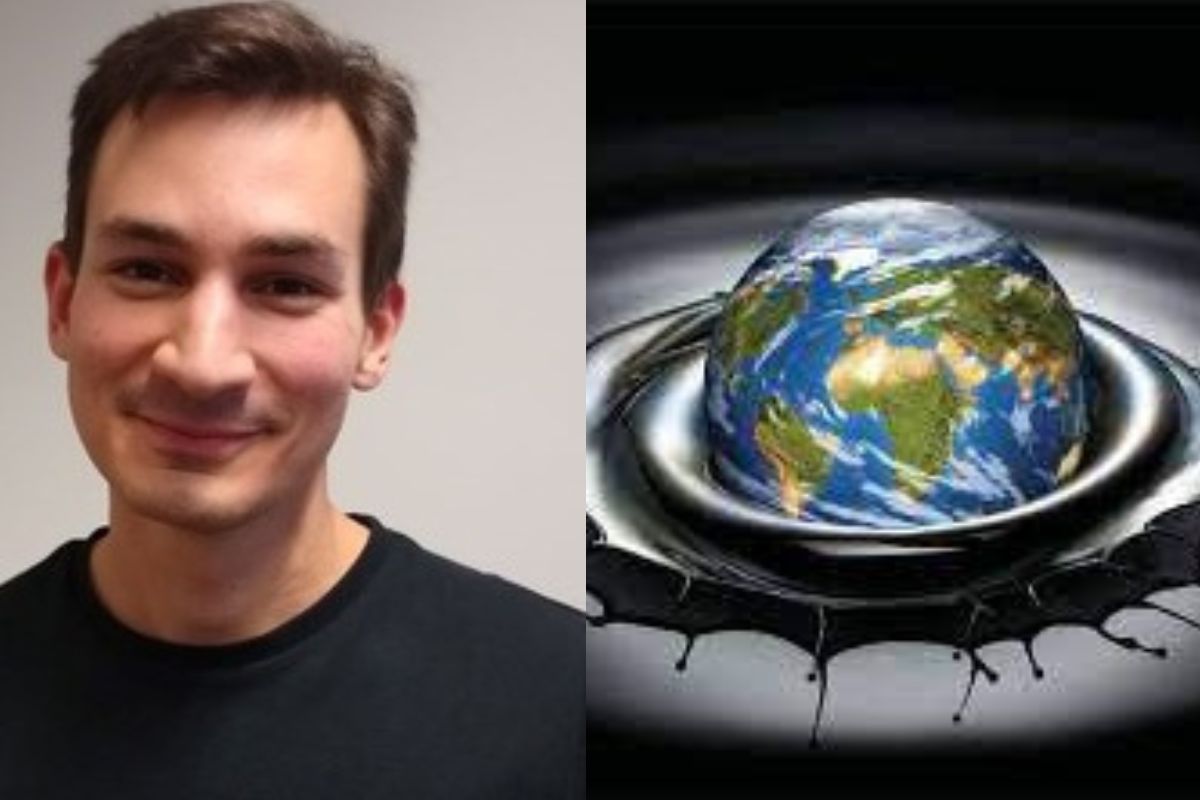
The Chemical Engineer from Goiás, Flávio César Freire Baleeiro, 33, Was the Grand Winner of the Helmholtz Prize.
Awarded every two years by the Berlin-Brandenburg Academy of Sciences and Humanities in Germany for significant contributions in the fields of humanities, social sciences, mathematics, natural sciences, biology, medicine, and engineering.
Baleeiro was honored in the Earth and Environment category for his doctoral thesis presented to the Coordination for the Improvement of Higher Education Personnel (Capes) on mixotrophic fermentation. This method is a fusion of two other fermentations, resulting in the possibility of reducing dependence on oil.
Mixotrophic Fermentation
Already utilized on a pilot scale, the research combined synthesis gas fermentation with anaerobic fermentation. “The process is similar to biogas production, but we inhibit gas formation and the chemicals naturally accumulate in the bioreactor,” explains Flávio. The dynamics occur through a mixed culture of bacteria that convert organic waste and fix carbon dioxide to produce chemicals such as hexanoic acid and octanoic acid.
-
New escalation of tensions and oil crisis in the Middle East forces world powers to accelerate energy transition plans.
-
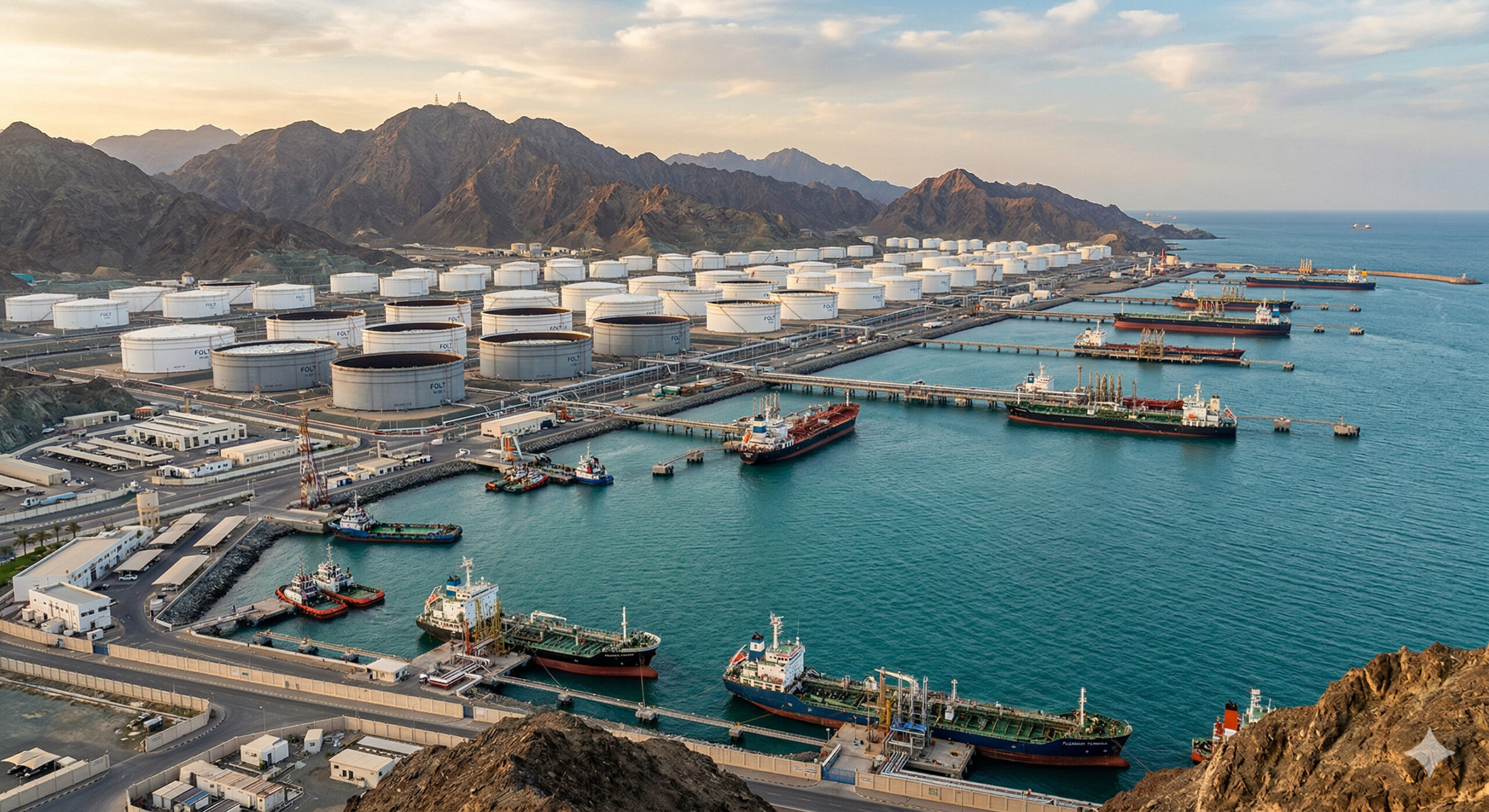
Giant reservoirs with a capacity of 18 million cubic meters have turned Fujairah into one of the largest energy vaults on the planet. This facility, located outside the Strait of Hormuz, stores oil on a colossal scale and has become a silent piece that supports the global flow of fuels.
-
The next exploration auction in the pre-salt will offer 23 blocks in the Campos and Santos basins and may change the interest of oil companies in Brazil.

-
The next exploration auction in the pre-salt will offer 23 blocks in the Campos and Santos basins and could change the interest of oil companies in Brazil.

According to the scientist, fermentation can replace everything that is made from oil; however, for some applications, the acids will need to be converted into another chemical. With about 40 participants, including researchers and collaborators, the project has already reached Level 5 of the Technology Readiness Level, a measurement scale that ranges from 1 to 9 created by NASA, the United States space agency, to evaluate the maturity level of a technology.
Greater Commercial Viability
Mixotrophic fermentation is undergoing numerous reliability tests in simulations as close to reality as possible, aimed at increasing its commercial viability against the oil industry. Level 5 is often the most expensive for a technology, so Baleeiro emphasizes that “to scale up we need funding, which is abundant in Germany.”
He points out that many so-called green technologies are abandoned due to production and maintenance costs. “The cost that matters is how cheap it is compared to oil,” he says. “The focus of the research is, therefore, to achieve a production that is cheap and efficient enough to compete with the oil market,” he adds.
Helmholtz Prize
The Brazilian competed with researchers from 18 other research centers and will receive the award on April 25, in a ceremony to be held in Berlin. The prize consists of monetary assistance from the Helmholtz Association to explore possible partnerships with industry, aiming to apply technology at a commercial scale along with professional mentoring.
“It was great to receive the news. The prize guarantees funding for us to advance our research,” says the engineer, who works on parallel projects with master’s and undergraduate students, always aiming for sustainable solutions to environmental problems. “It’s such an obvious thing that even the deniers are changing their rhetoric,” he observes on the subject.
Sustainability
“My goal in the future is to apply this knowledge in Brazil, where I can have more impact,” he says. Although this future is uncertain, the engineer is already reaching out to other Brazilian researchers to collaborate on the research.
Reducing dependence on oil is crucial for the sustainability of the planet. As new energy sources emerge and gain commercial scale, projects aimed at reducing the use of fossil fuels become even more important. Baleeiro is an example of how scientific research can contribute to a more sustainable future.
With practical application and the necessary funding, Baleeiro’s research can bring great benefits to the environment and to the country’s economy. It is important to invest in technological innovations that can help reduce dependence on harmful sources of energy, such as oil.









Seja o primeiro a reagir!