Portuguese
  Spanish


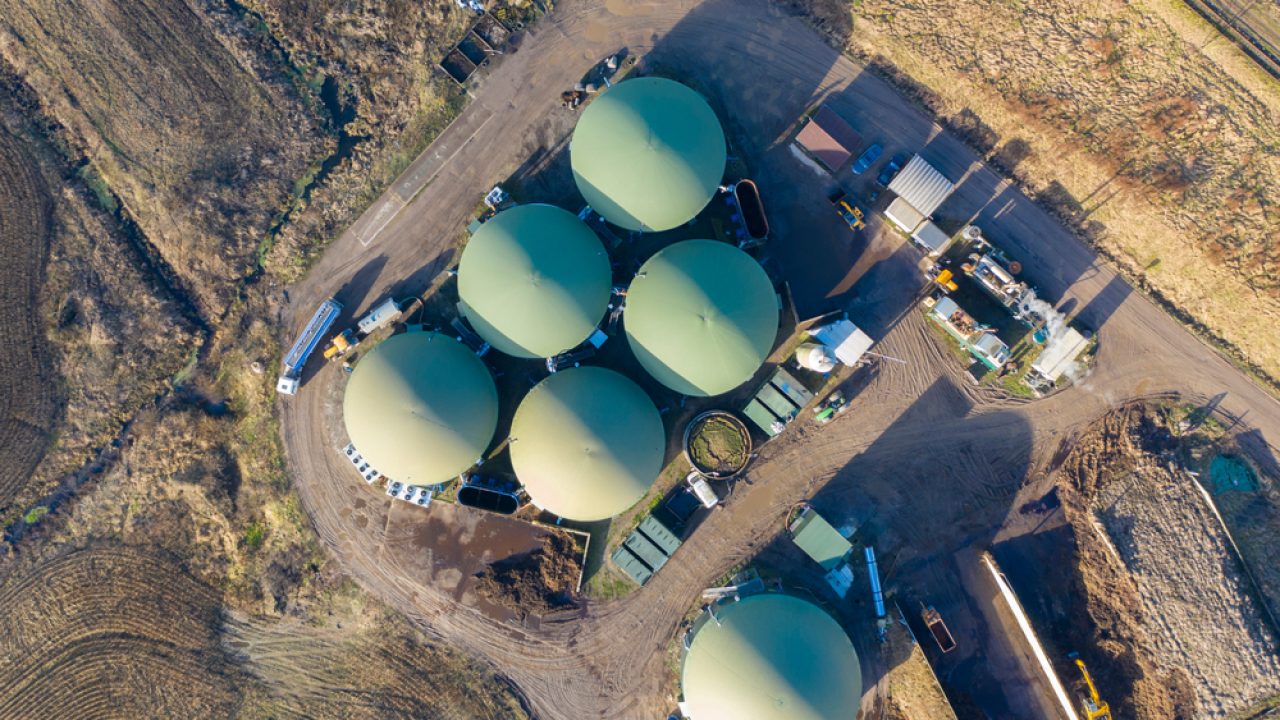

A Partnership Between Vapza, a Company Specializing in Steamed and Vacuum-Packed Foods, and the Castrolanda Cooperative in the Campos Gerais Region of Paraná, Aims to Use Organic Waste from Industrial Production to Generate Biogas in Order to Produce Electric Energy.
The energy generated in this process can supply the demand of 120 houses monthly, using 100 tons of industrial waste.
Regarding the partnership, Vapza’s CEO, Enrico Milani, pointed out that “The partnership arose from the search for new alternatives for waste disposal, and we found the biodigester to be the best choice, as it is considered the cleanest and most sustainable way to dispose of organic waste, being the only one with a negative carbon footprint”
The energy will be redirected to the Electric Energy Shared Generation Cooperative (Cogecom), a company responsible for receiving inputs from various plants that operate renewably, aiming to direct them to customers who access energy credits on their bills.
-
Fired during apartheid and with a little borrowed money, an electrician started with a borrowed truck and transformed electrical services into a group connected to energy, real estate, and infrastructure in South Africa.

-
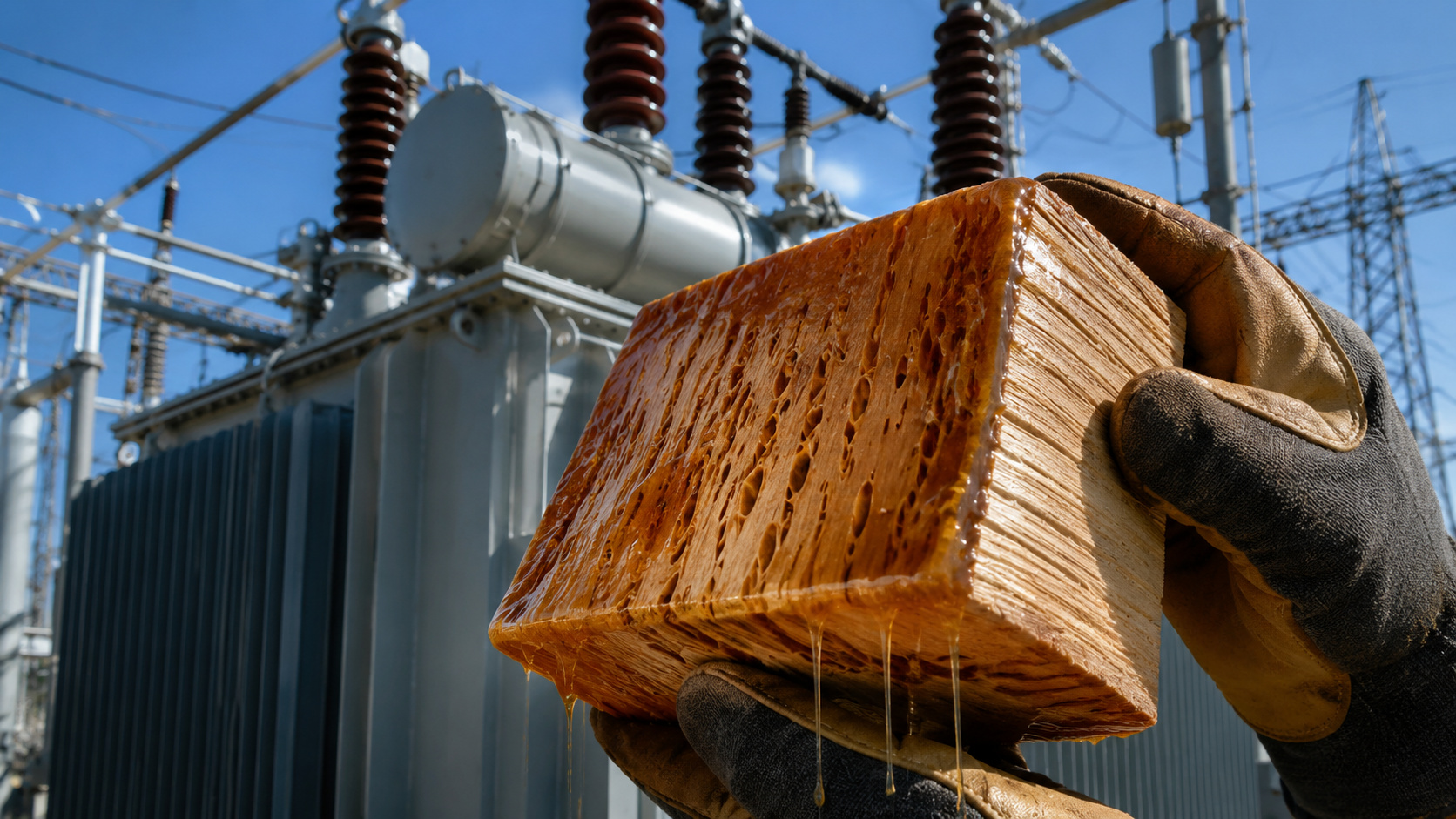
Wood has ceased to be just a construction material in Yale research and has become insulation for electrical transformers that face intense heat, aging, and increasing pressure from the renewable energy-powered grid.
-
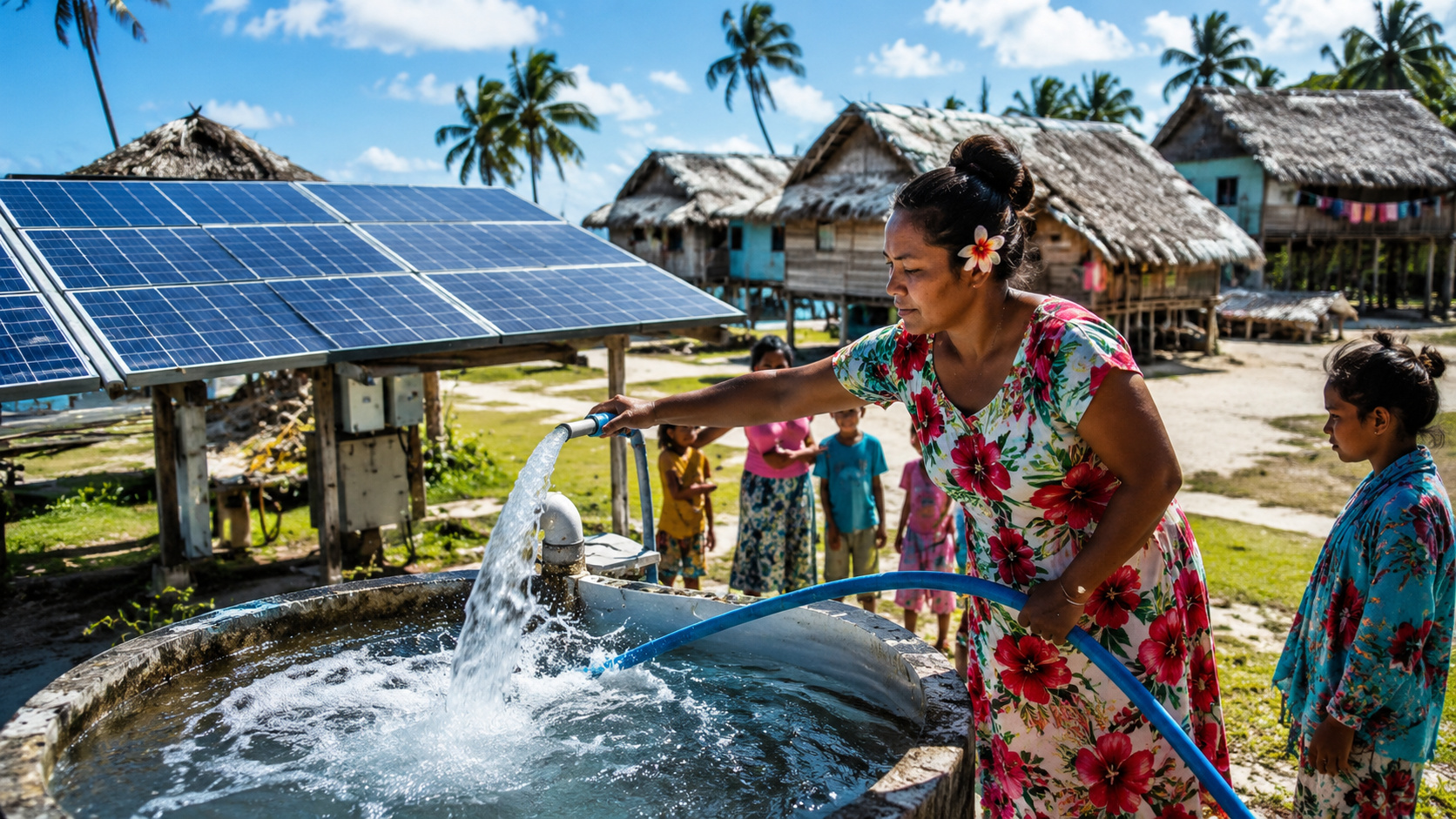
More than 1,000 residents of a remote island in Kiribati now have clean water and electricity with solar systems operated by the community itself.
-
Corn ethanol attracts R$ 23 billion in 21 new plants and prepares for a nearly 50% jump in Brazilian production by 2027, even with high interest rates.



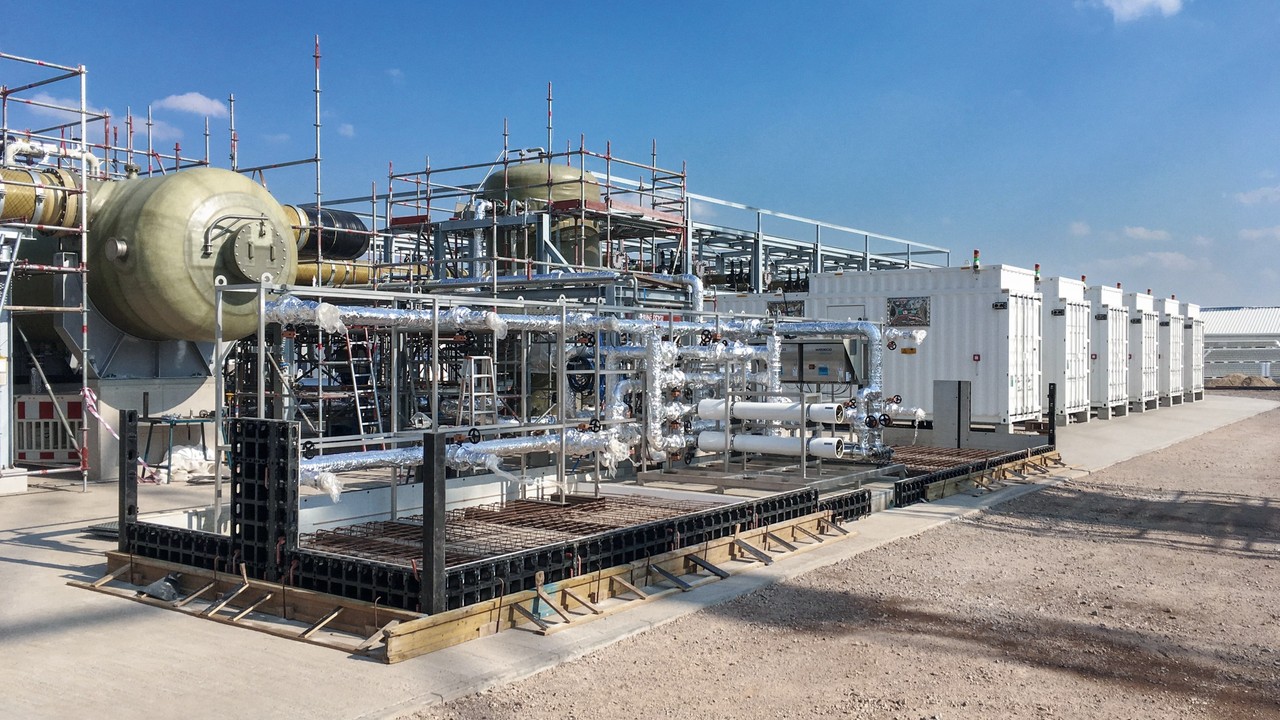
The biogas generated is mainly composed of carbon dioxide, methane, and hydrogen sulfide. The latter, being a corrosive element, needs to be removed and, therefore, the biogas must go through treatment with activated carbon filters.
Subsequently, the treated biogas feeds combustion generators, which use the methane derived from this process to generate electric energy.
Thus, Gilvan Plodowski, Coordinator of Renewable Energies at Castrolanda, pointed out that the biodigester at the cooperative’s industrial unit has the capacity to receive third-party waste, strengthening the partnership with Vapza.
In this way, he states that “The most interesting thing is that it is a model of waste treatment that is circular, meaning nothing is lost. The waste received undergoes fermentation and generates biogas, which is converted into electric energy. The fermented material turns into biofertilizer that is applied to the fields of the cooperators.”
Brazil Is Already a Reference in Clean Energy Sources
The biogas has gained ground in Brazil as a clean energy source. According to CIBiogás (International Center for Renewable Energies – Biogas), last year, the country produced 2.34 billion Nm³ of biogas, reaching 755 plants in operation.
Thus, the initial partnership started in July, with the mission of disposing of organic waste from Vapza. Therefore, to be inserted into the Castrolanda biodigester, the compound must be homogenized and continuously dosed.
In the equipment, the biological process of anaerobic decomposition of organic matter occurs, generating biogas and biofertilizers.
Vapza has been making investments to promote sustainable development. Earlier this year, the company received the “Zero Waste” certification due to the reuse of all industrial waste from the company.
On the other hand, the company also partners with the ACMRC (Association of Recyclable Material Collectors of Castro), which donates recyclable materials such as plastic, paper, glass, and electronics generated in the factory to solid waste collectors.
Finally, the company representative states that “With these changes, we hope to evolve and add increasingly sustainable actions. We believe that with small attitudes, together we can transform the world into a better place.”