





 Portuguese
  English
  Spanish
  4 min of reading
  0 comments


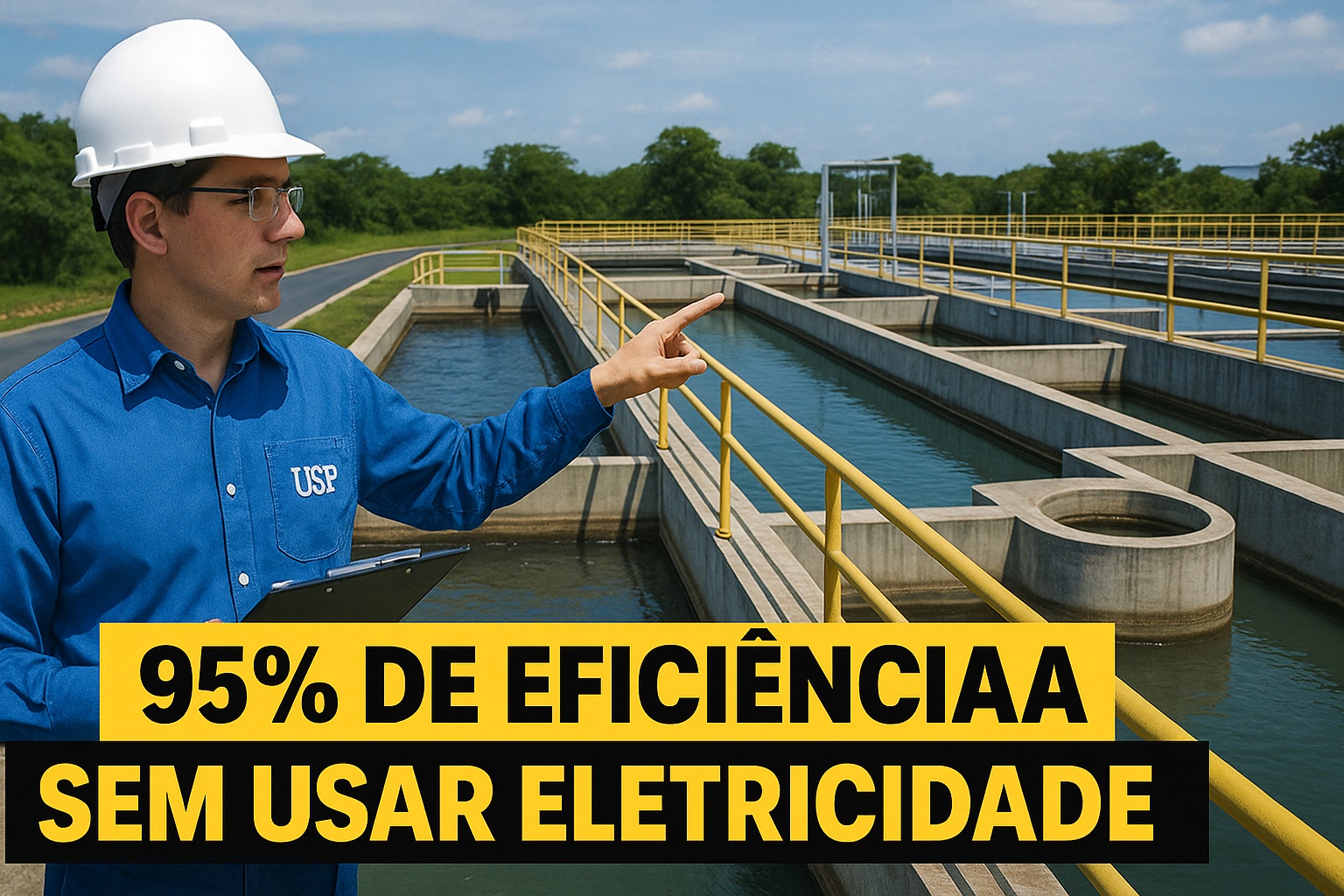
Engineer from USP Creates Micro Station for Sewage Treatment with 95% Efficiency, Approved by Sabesp and Copasa, That Works Without Electricity and Can Transform Sanitation in Brazil.
Brazil faces a paradox: it is one of the richest countries in water resources in the world, but still has over 100 million people without access to proper sewage treatment, according to data from the National System of Sanitation Information (SNIS). In this scenario, any technological advancement capable of reducing costs, simplifying, and making sewage treatment accessible has a gigantic social impact. This is exactly what engineer Danilo Camargo, a graduate of the Polytechnic School of USP, achieved by developing the MicroETE Aeko, a compact sewage treatment micro station that achieves up to 95% efficiency and works without consuming any electricity.
The Logic Behind the Innovation
The technology is based on a simple and ingenious concept: the use of gravity as the driving force of the treatment process. While most conventional stations rely on electrical energy to pump water, activate aerators, and maintain filtration systems, the MicroETE Aeko completely dispenses with this consumption.
The process combines settling, natural filtration, and biological treatment, in a closed circuit that requires minimal maintenance.
-
Embrapa’s discovery reveals an unexpected advancement by allowing the production of seedlings from the caatinga using brackish water, opening a new frontier for farmers to face drought more efficiently.
-
6 sources of free fertilizer that you are throwing away every day and can transform your garden without spending anything.
-
With a water crisis on the radar, Sabesp invests in reclaimed water for data centers and transforms sewage treatment into a solution that saves millions of liters and protects public supply.

-
Foresea achieves 100% offshore waste reuse in 2025, eliminates landfill disposal, and consolidates sustainable strategy with 1,500 tons recycled.

The sewage enters the station, goes through successive stages of solid and liquid separation, and exits as treated water, with an efficiency of up to 95%, according to tests approved by companies like Sabesp (São Paulo) and Copasa (Minas Gerais).
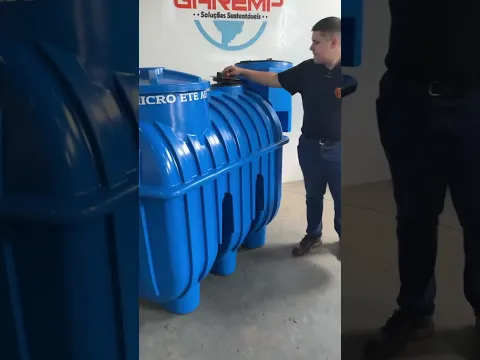

The absence of motors and pumps reduces operational and maintenance costs, in addition to eliminating the dependence on electrical infrastructure — making the solution especially useful in rural areas, isolated communities, and regions of the Amazon.
Recognition and Approval
Danilo Camargo’s invention is no longer just a laboratory promise. The technology has undergone technical approvals from state sanitation companies and was evaluated as viable for use on a community scale.
The project has also received awards and has been featured in specialized sustainability portals such as Saneamento Ambiental, Boa Notícia Brasil, and Coletivo.Tech.
The fact that it was developed in the academic environment of USP gave the invention scientific credibility and facilitated dialogue with public agencies and private companies. Today, the MicroETE Aeko is already being implemented in pilot projects in the countryside and could become a key piece in universal sanitation policies.
Social and Economic Impact
Brazil still invests billions of reais per year in conventional sewage treatment systems, with extremely high electricity costs. According to the National Water and Basic Sanitation Agency (ANA), sanitation companies are among the largest energy consumers in the public sector.
In this context, a station that operates without electricity has the potential to reduce expenses, expand sanitation coverage, and serve regions where access to the electrical grid is unstable or nonexistent.
Moreover, simplified maintenance means that small municipalities and rural communities can operate the system without relying on highly specialized technicians.
Comparison with the Traditional System
A conventional sewage treatment station requires large investments, physical space, and a permanent maintenance team.
On the other hand, the MicroETE Aeko functions as a modular unit, which can be installed in a smaller area, adapted to the community’s volume, and expanded as needed.
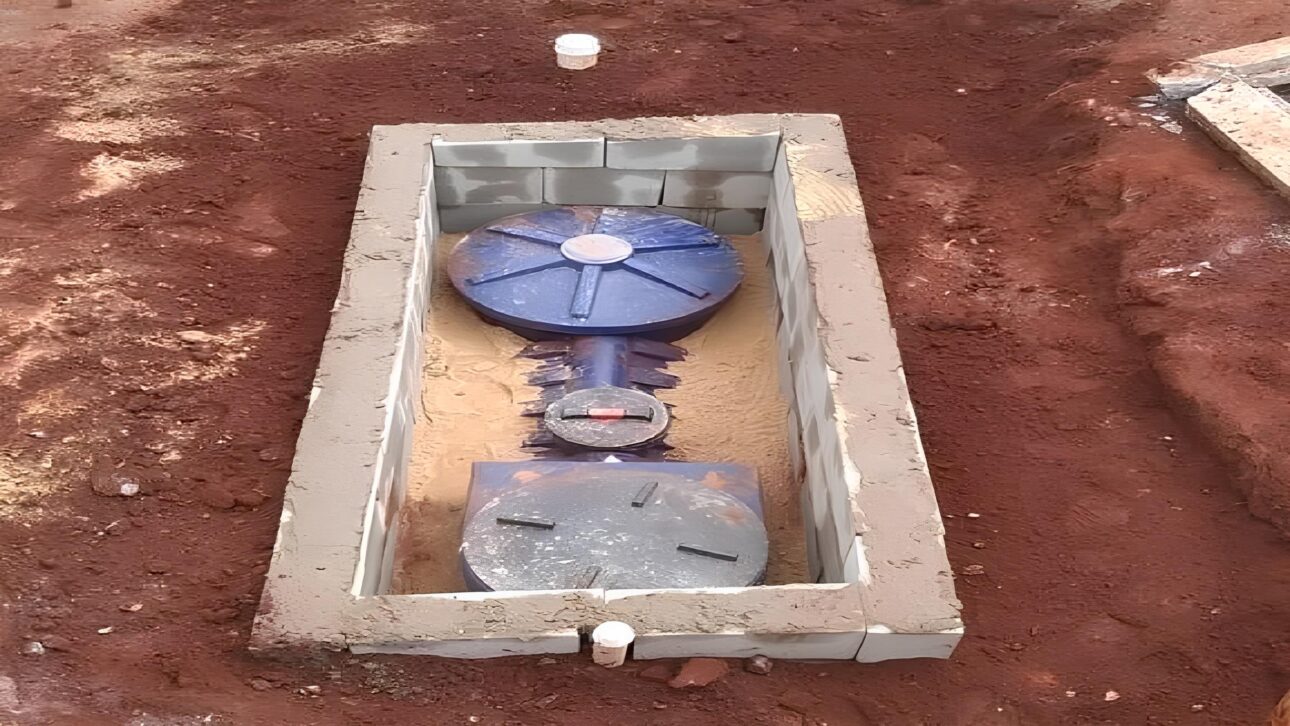
While a traditional station may take years to be built, the micro station can be installed in weeks. This flexibility paves the way for emergency solutions in areas affected by climate disasters, for example, where sanitation is often one of the first services to collapse.
Limitations and Challenges
Despite the achievements, experts point out that it is still necessary to test the technology on a large scale and in different geographical conditions. The durability of the system, its ability to handle peak loads, and the final cost per household served are still under study.
Another limitation is that the 95% efficiency refers to the reduction of pollutant load, but the resulting water is not yet potable: it can be used for purposes such as irrigation, street washing, and flushing toilets, but not for direct human consumption without further treatment.
The Future of Sustainable Sanitation
Danilo Camargo’s invention shows that Brazil has the potential to lead a revolution in basic sanitation. With more than R$ 500 billion in investments planned by 2033 to universalize the service, low-cost, sustainable, and energy-efficient solutions can be decisive in accelerating this goal.
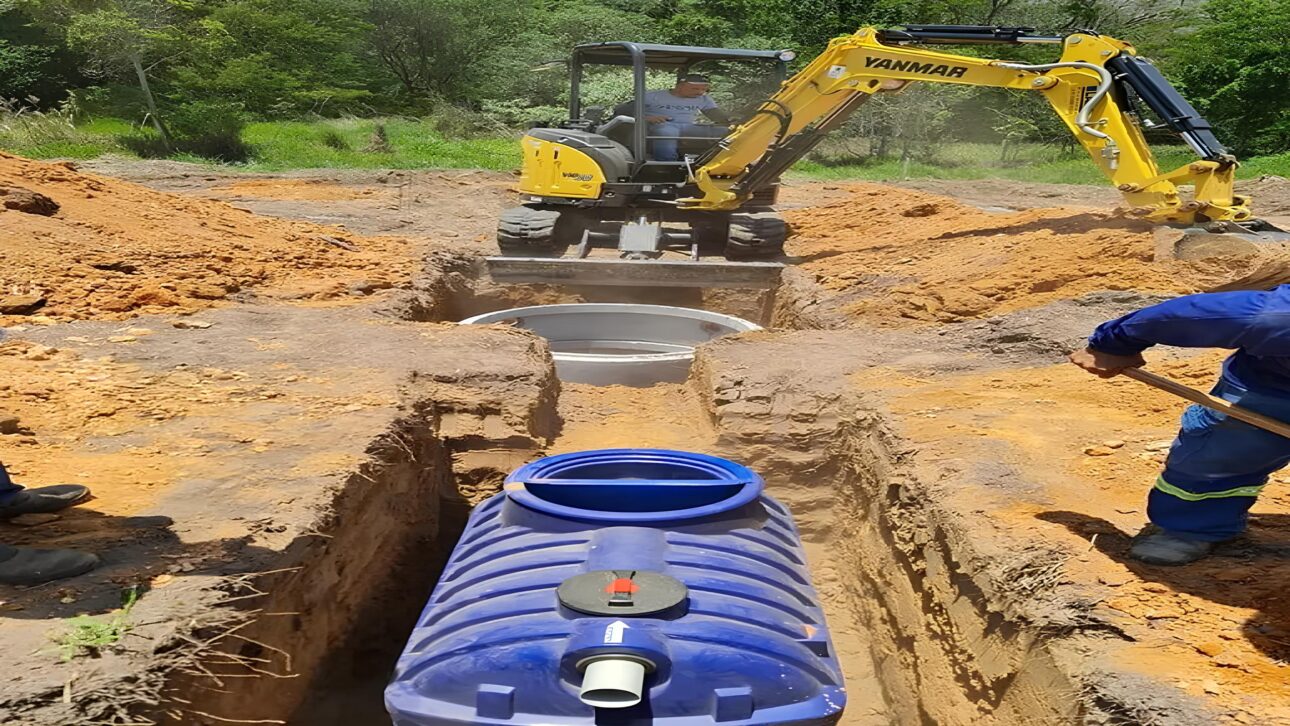
If adopted on a large scale, the MicroETE Aeko can transform the reality of millions of Brazilians who live without access to treated sewage, reducing diseases, protecting rivers, and improving quality of life.
And all this with a simple logic, based on the power of gravity and the creativity of an engineer who saw a solution where many only saw a chronic problem.
The creation of the MicroETE Aeko is not just a technological innovation: it is a symbol of how engineering can be applied in a practical and socially transformative way.
By offering a solution with up to 95% efficiency, that works without electricity and requires low maintenance, the USP engineer proves that the future of sanitation can be more sustainable, accessible, and democratic.
In a country where half the population still suffers from a lack of sewage collection and treatment, such an invention is not only relevant — it is urgent.






-

-

2 pessoas reagiram a isso.