





 Portuguese
  English
  Spanish
  4 min of reading


The New Technology Promises To Generate Savings And Convenience In Energy Collection In Mountainous Regions By Using The Hydroelectric Technique With The Use Of Trucks
Hydroelectric plants are undoubtedly the most “green” for producing clean and sustainable energy, compared to all other conventional energy sources. However, the environmental conditions of reservoirs currently almost make it impossible to install new plants of this type. Currently, there are already some alternatives that could replace the large reservoirs built in the past, such as water balloons, marine hydroelectric plants, submerged hydroelectric plants, and also run-of-the-river turbines. But, the idea of engineer Julian Hunt and his team to use electric trucks for transporting water may change this scenario in mountainous regions.
Read Other Related News
- Believing that solar energy is the best friend of the environment in Brazil, Elétron Energy will invest US$ 900 million in renewable energy, in addition to consolidating existing projects in photovoltaic, wind, and hydroelectric sources
- Solar plants grow at full speed in Brazil: the country surpasses 13 GW of operational capacity in solar energy, nearing Itaipu, one of the largest hydroelectric plants in the world, with a capacity of 14 GW
- In the midst of the water crisis, hydroelectric plants are wasting water while Brazilians pay high electricity bills; Aneel asks ONS to reduce the use of plants in several Brazilian states
- Urca Comercializadora acquires 2.3 million tons of carbon from a hydropower plant controlled by Neoenergia in favor of UTE Prosperidade III, and the unit becomes the first carbon-neutral thermal power plant in Brazil!
- Itaipu hydroelectric plant reaches 66.3 million MWh, enough energy to power planet Earth for 19 hours, Brazil for one month and seven days, and Paraguay for two years and 11 months!
International Project In Partnership With Brazilian Engineers May Be Another Solution For Hydroelectric Plants
Aiming for a much simpler and more suitable approach for mountainous regions, the use of renewable energies to pump water between reservoirs at different altitude levels in the mountains could be a solution.
During nighttime or when there are lighter winds, water descends through pipes from the higher reservoir to the lower one, generating electricity and ensuring a continuous power supply for the entire network. With this concept in mind, and now with a very curious innovation, Brazilian engineers from the Federal University of Espírito Santos, Federal University of Rio Grande do Sul, and USP will participate in an international project that consists of creating a hydroelectric plant on an electric truck.
-
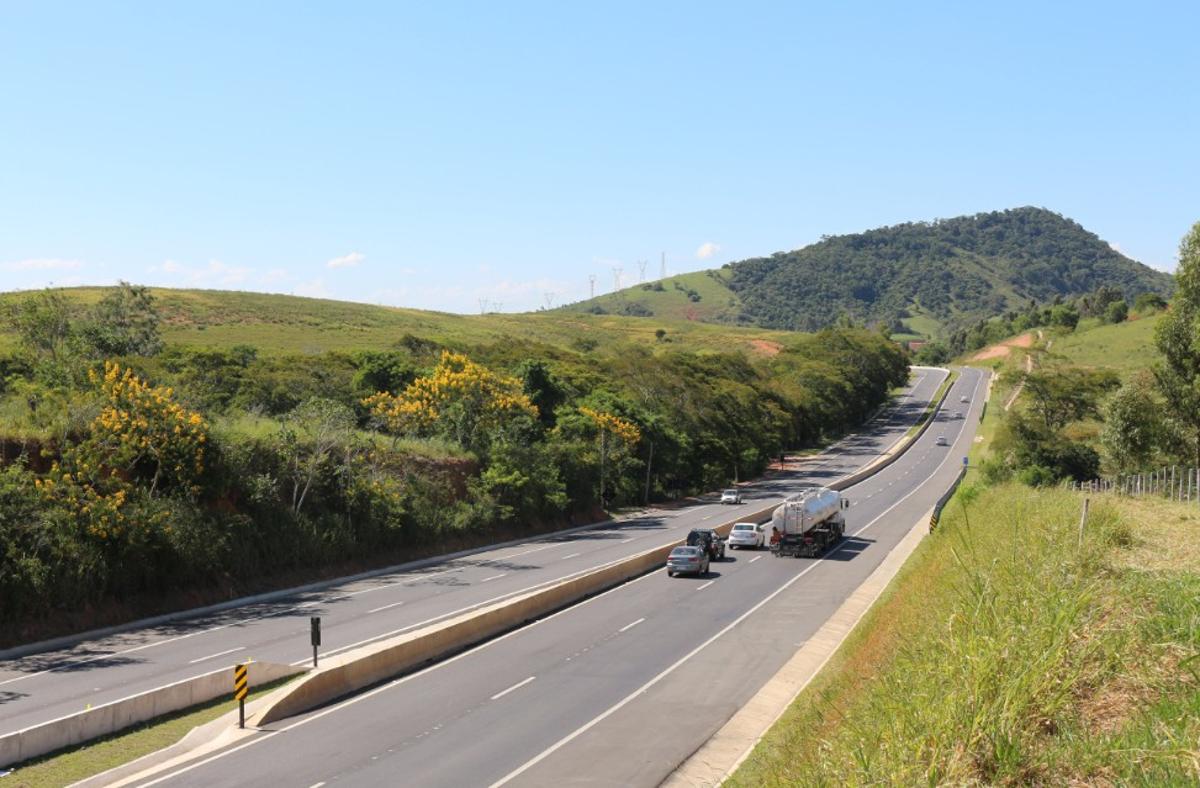
Firjan proposes to ANTT the acceleration of works on BR-101 in Northern Fluminense to improve logistics, urban mobility, and regional competitiveness.
-
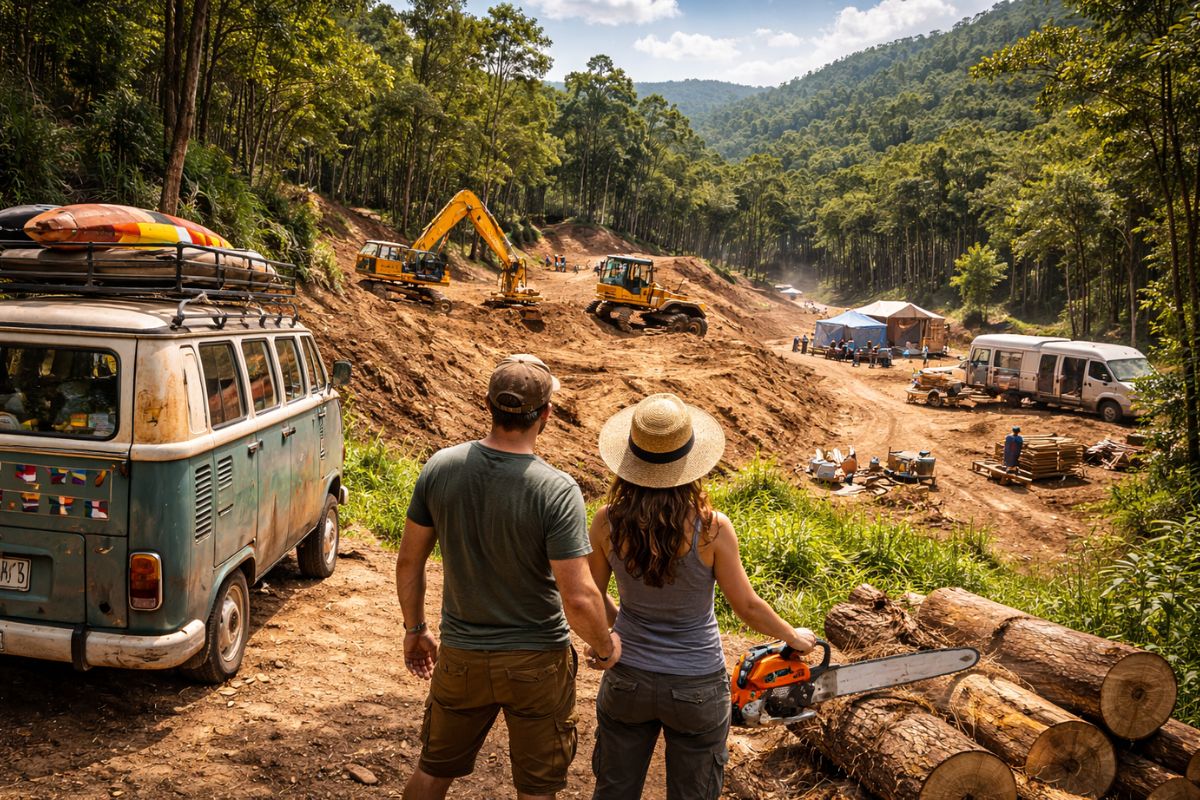
Couple that traveled by Kombi through many countries moves forward with the land in the south of SC: machines level the refuge in the woods, reinforce embankments, set up a construction camp, and train chainsaw operators to speed up the building process.
-
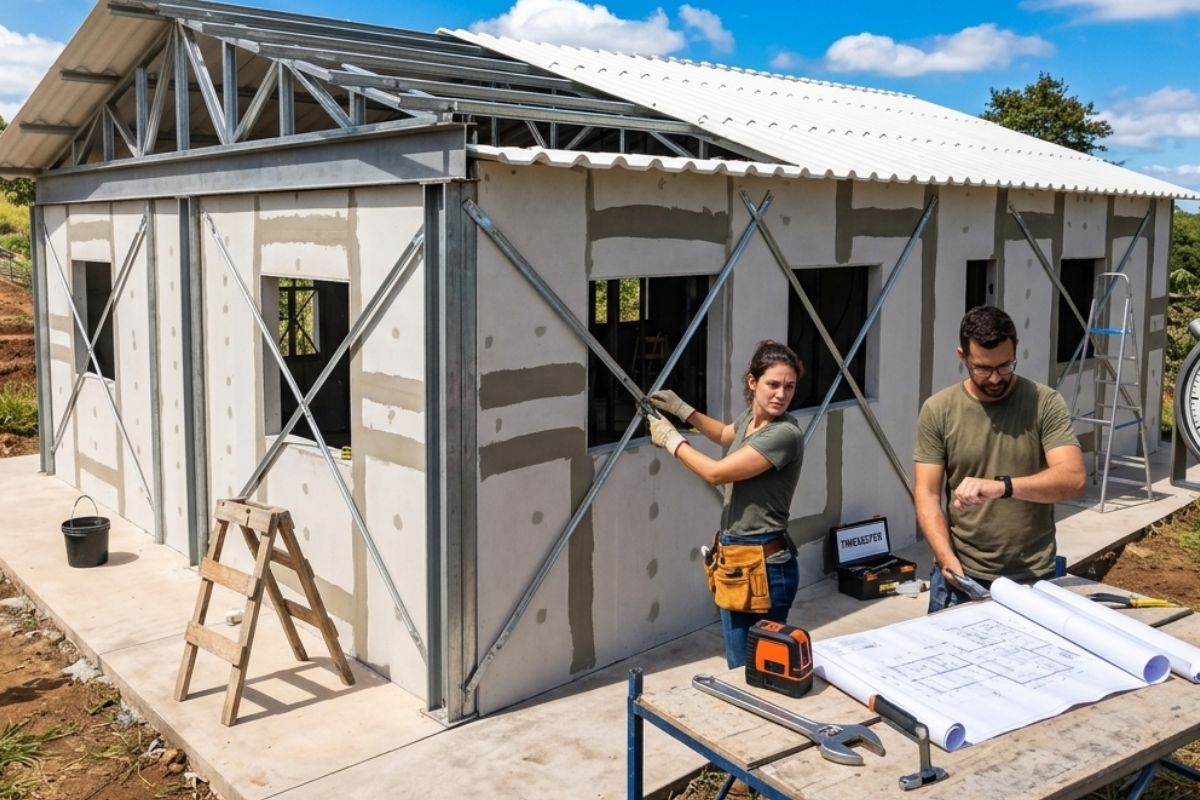
Couple leaves the city and builds a steel frame house in the countryside: sandwich roof, beams and columns secure the roof, X-braces prevent the walls from moving, and the 3-month deadline tightens.
-
A simple technique of wetting the brick before laying it prevents cracks, improves the adhesion of the mortar, reduces fissures, and ensures stronger walls and more durable constructions.

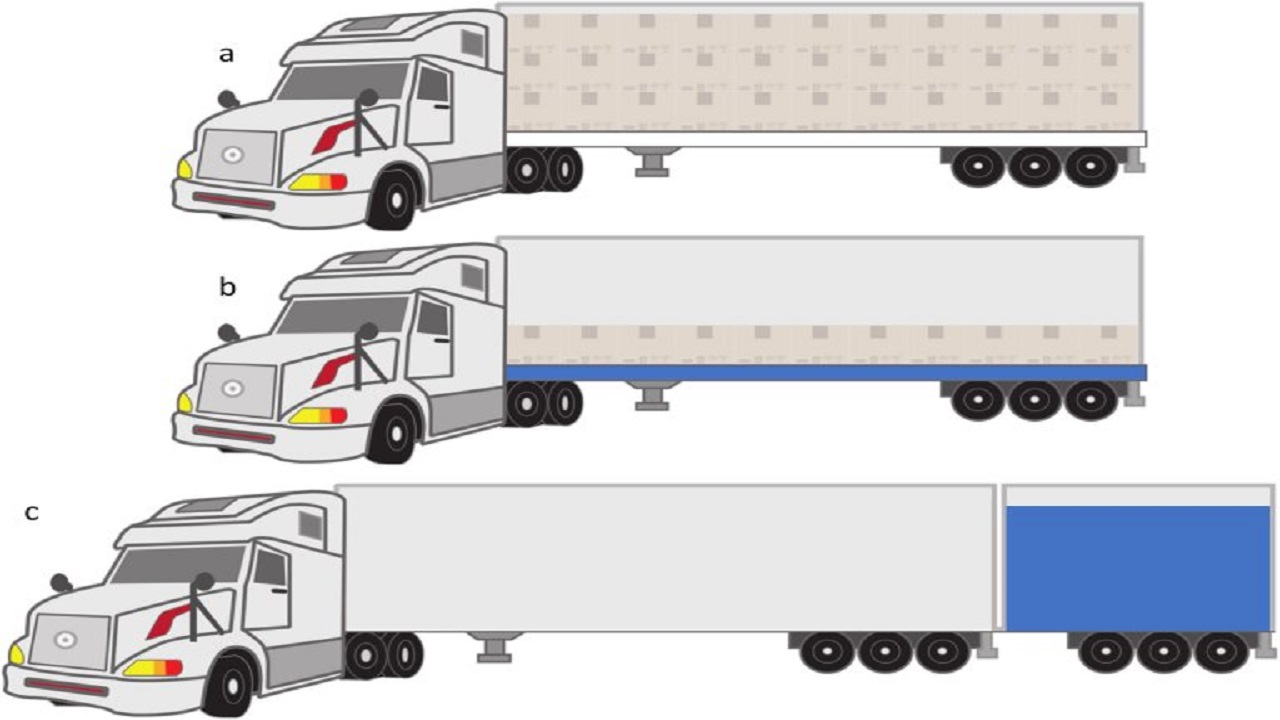
The idea of engineer Julian Hunt and his team is to use electric trucks to transport water between the reservoirs located in mountainous regions, and thus, they have named this concept “electric truck hydroelectric plant.”
Get To Know The New Truck Hydro Plant Without The Use Of A Reservoir
-
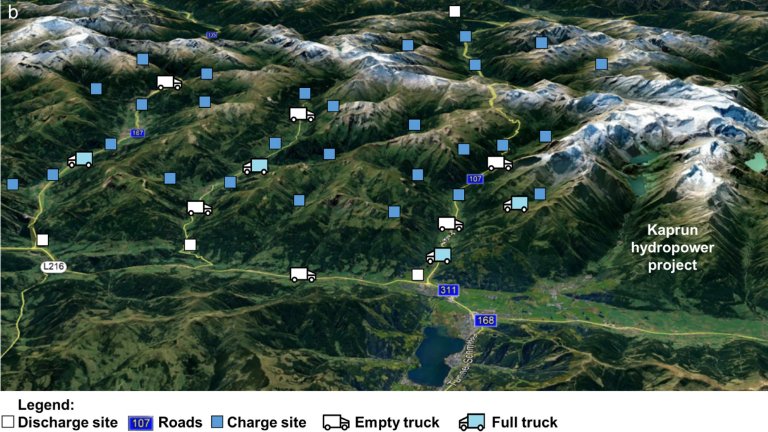
Evaluation of the Electric Truck Hydroelectric System in the Kaprun plant region, Austria, which generates electricity through pumping. [Image: Julian David Hunt et al. – 10.1016/j.energy.2022.123495] -
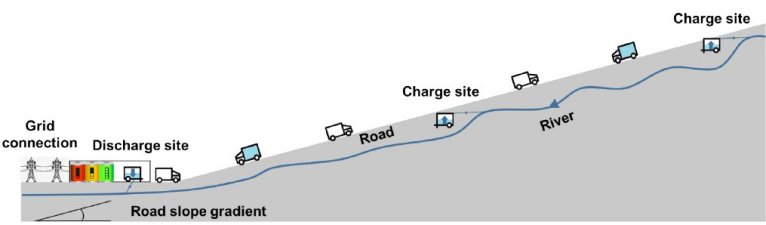
The empty truck goes up the mountain to collect the containers filled with water at the loading site, and descends the mountain generating electricity. The water is then unloaded at the unloading site. [Image: Julian David Hunt et al. – 10.1016/j.energy.2022.123495]
The new hydroelectric plant will use the existing road infrastructure to transport water in mountainous regions in containers without the need for a reservoir, managing to even take advantage of the regenerative brakes of the electric truck, which will be useful for converting the energy of the water into enough electricity to recharge the truck’s battery.
The electricity generated could be sold to the distribution grid or even used by the truck itself, helping to keep it active to transport more goods. This hydroelectric plant can also generate energy by combining solar and wind resources or even provide energy storage services for the grid.
After studies, it was found that the regions with the greatest potential are the Andes and the Himalayas, even though the mountainous regions of North America and Europe may also have their benefits.
Economy
According to data from the engineering team, this new technology would be an innovative and clean energy source, that would compete with other renewable sources, such as solar, wind, and conventional hydroelectric energy, as cost estimates revealed that the levelized cost of the Electric Truck Hydroelectric Plant would be between US$30 and US$100 per MWh, cheaper than conventional hydroelectric energy, which currently ranges from US$50-200 per MWh.
The engineering team also made a global estimate of the electric truck hydroelectric plant, where they concluded that this technology could generate about 1.2 PWh of electricity per year, equivalent to about 4% of the world’s energy consumption, based on data from the year 2019.
Credits: Technological Innovation






Seja o primeiro a reagir!