Portuguese
  Spanish


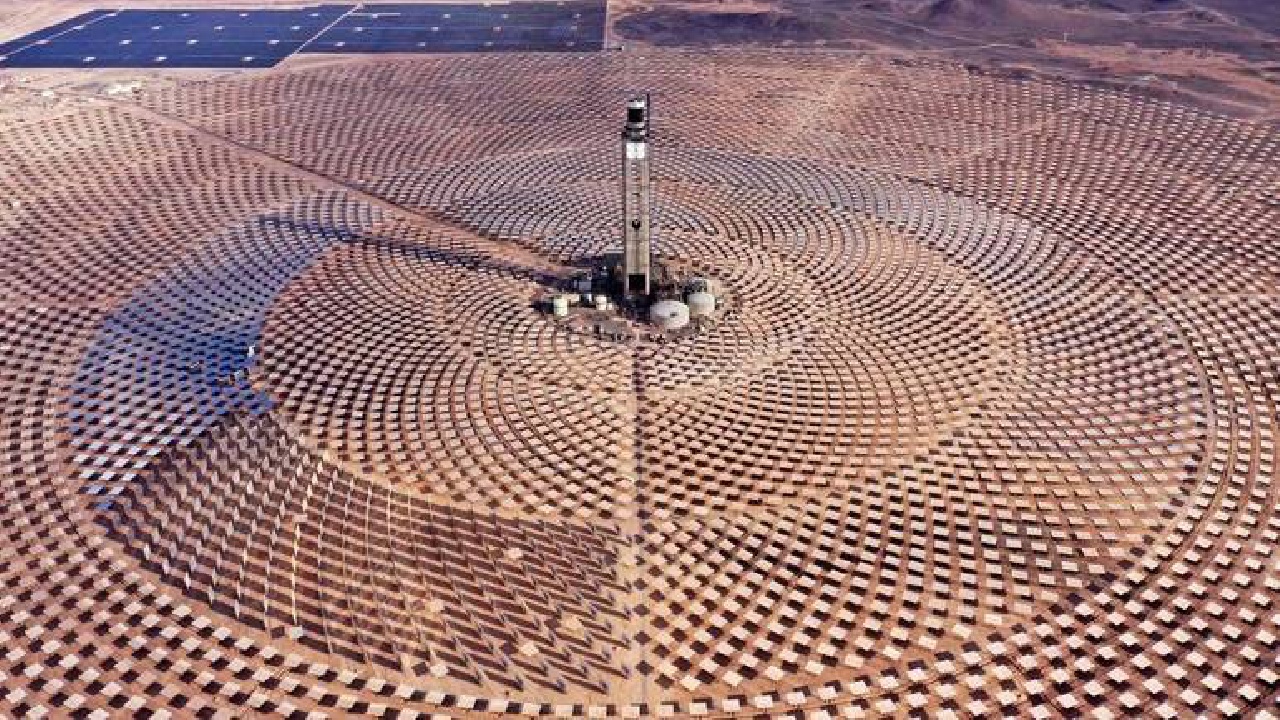

Even With the ‘Solar Tax’, Solar Plants Generate Energy Up to Ten Times Cheaper Than Traditional Sources and Make Solar Energy the Sixth Largest Source of Energy Generation in Brazil
Solar energy is booming in Brazil. According to a survey conducted by Absolar (Brazilian Solar Photovoltaic Energy Association), Brazil has surpassed the mark of 13 gigawatts (GW) of operational capacity in large solar plants and medium and small photovoltaic systems installed on rooftops, facades, and land. To give you an idea of what this means, the Itaipu Binational, one of the largest hydropower plants in the world, has an installed capacity of 14 GW.
Read Also
- Billion-Dollar Investment in the Northeast: 2W Energia Receives Authorization from Aneel to Begin Construction of Plants and Explore Wind Energy Generation in Ceará
- Multinational Alcoa Resumes Aluminum Production Line at Its Factory and Announces 450 Job Openings for Reduction Operator on February 10
- Scientists Simulate an Indescribable Process of Cosmic Energy Within Graphene Particles Promising to Revolutionize Electronic Devices Worldwide
- Job Openings for High School, Technical, and Higher Education Positions Open Today (08/02) for Work at an Ethanol Plant
- Itaipu Hydropower Plant Reaches 66.3 Million MWh, Enough Energy to Supply Planet Earth for 19 Hours, Brazil for One Month and Seven Days, and Paraguay for Two Years and 11 Months!
By 2025, the Aneel estimates that the total projected investments in solar energy in Brazil will be R$ 25.8 billion. Large-scale solar plants are the sixth largest source of energy generation in the country and their generation is up to ten times cheaper than electrical sources, especially considering the constant tariff increases.
Even With the “Solar Tax,” Those Who Install Within 12 Months of the Law’s Publication Remain Exempt from the Tariff on Their Electricity Bill Until 2045
The CEO of the Pernambuco company Elétron Energy, André Cavalcanti, speaks about this forecast. “We want to invest more than R$ 900 million in renewable energy projects by 2024, in addition to consolidating other projects for photovoltaic, wind, and hydropower sources,” notes Cavalcanti. The company plans to reach 1 million consumers nationwide, with an average monthly bill of R$ 300.00, between 2025 and 2026. By then, the company plans to invest R$ 1.6 billion in new solar generation parks.
-
After a Year of Success in Switzerland, Solar Railway Attracts Italy’s Interest for Clean Energy Transformation

-
Robots Clean Solar Panels in Desert Power Plants Without Water, Preventing Energy Losses
-
Brazil’s Offshore Wind Energy Potential Worth $1 Trillion Stalled by Long-Delayed Agreement

-
World’s Largest Engie Solar Plant in Brazil Highlights Billion-Dollar Energy Waste Issue: Company Considers Batteries and Bitcoin Mining to Avoid Wasting Production

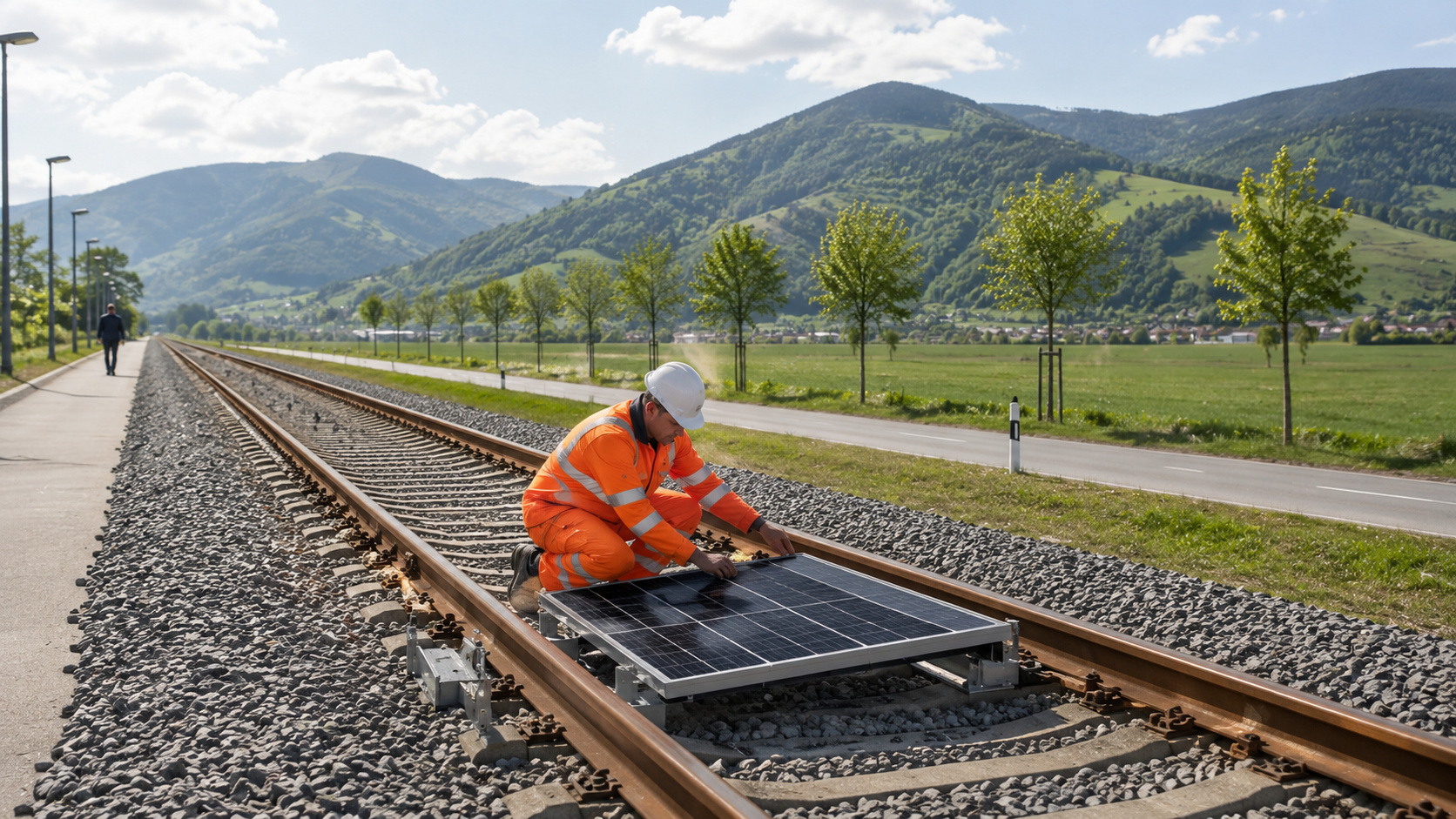


“There is a gigantic potential to be explored when we talk about solar energy. Even considering the ‘solar tax’, as it is called the Legal Framework of Distributed Generation, sanctioned by the Federal Government in early January 2022, solar energy still remains a much more economical alternative, besides being better for the environment,” emphasizes André.
With the sanction of Law No. 14.300/2022 on January 7, 2022, the Legal Framework of Distributed Generation establishes in the electricity bill the costs of distributing solar energy from those who generate it at home through the on grid system, a system connected to the conventional electricity distribution network.
Even with the “solar tax” of the new Legal Framework of Distributed Generation, those who had already installed the solar energy system at home before the sanction of the new Law, or who install it within 12 months of the Law’s publication, remain exempt from the tariff on their electricity bill until 2045.