Portuguese
  Spanish



With The Analysis Of The Current Situation Of Water Waste And Low Energy Generation, ONS And Aneel Reached A Conclusion, However MME Did Not Agree Much With The Final Analysis Of The State-Owned Companies
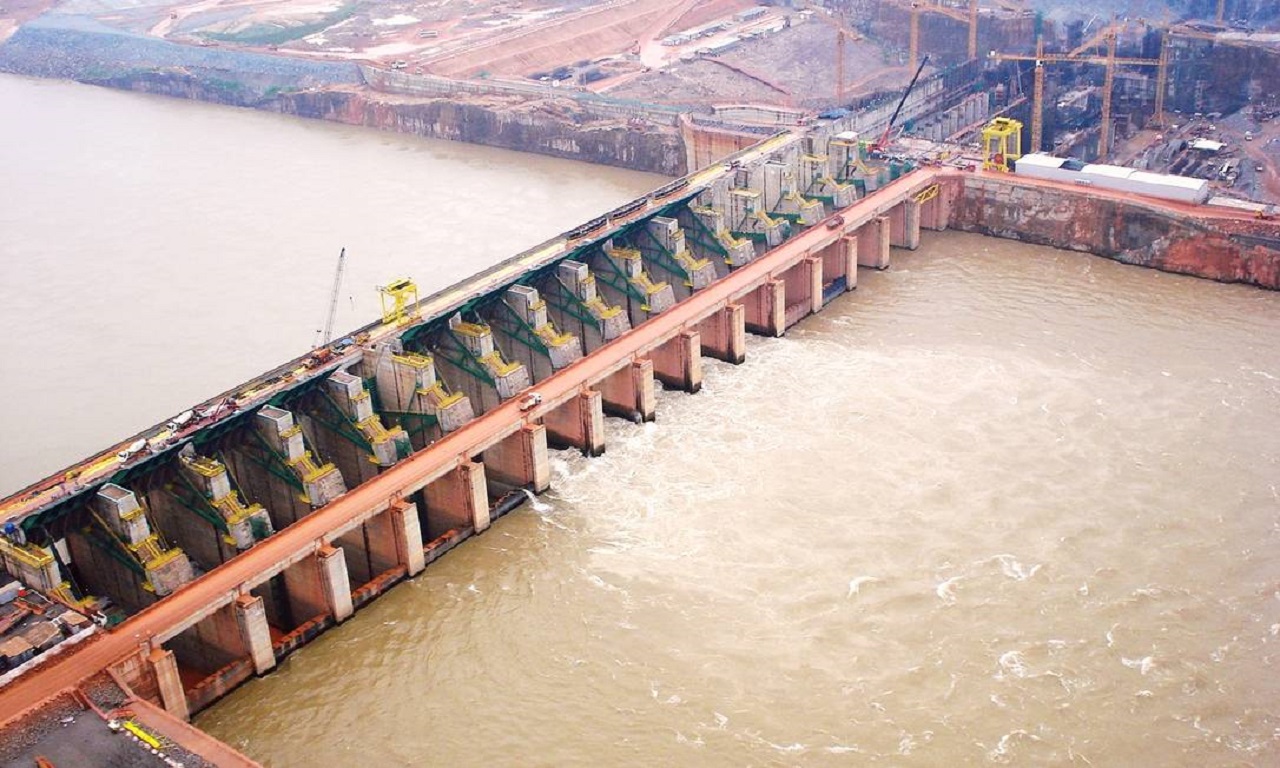
According to information from the newspaper O Globo, the hydroelectric plants of Belo Monte/PA, Tucuruí/PA, and Sobradinho/BA are wasting all the water they cannot channel for electricity generation within their full capacity. This is happening because the National Electric System Operator – ONS keeps the thermoelectric plants in operation, even with the recovery of part of the reservoirs. The Porto Sergipe thermoelectric plant is one of those taking up space from hydroelectric plants within the transmission lines responsible for delivering energy from the Northeast to the Central-South of Brazil.
Read Also
Study Reveals That A Large Investment Needs To Be Made In Transmission Projects By 2030
The Porto Sergipe thermoelectric plant was inaugurated in August 2020, by President Jair Bolsonaro. It uses 100% imported gas, with a daily cost of R$ 12.6 million, a cost covered by all consumers. However, Sergipe has one of the largest pre-salt reserves ever discovered, with a potential flow of up to 20 million cubic meters per day of natural gas.
ONS sent a document to the National Electric Energy Agency – Aneel, on January 13 of this year, informing about the necessity to reduce the energy generation process by the Porto Sergipe thermoelectric plant, specifically due to the daily quota consumed.
-
Brazil to Issue “Panda Bonds” in China, Aiming to Raise Up to 5 Billion Yuan at Lower Interest Rates Than Dollar Debt
-
NATO Faces Internal Tensions as U.S. Pushes for Increased Defense Spending, Targeting 5% of GDP by 2035, with Warnings for Countries Near 2% Level

-
Brazil to Introduce B16 Diesel with Increased Soybean Oil Content for Trucks by 2026
-
Brazil’s July Bolsa Família Payments May Include Extra $150 and $50 for Families with Children, Pregnant Women, and Updated CadÚnico Registration


According to a study conducted by the Energy Research Company (EPE), Brazil would need to invest at least R$ 18.2 billion in transmission projects by 2030. The state-owned company reported that at least 6,600 km of transmission lines and 4 new substations are needed by 2030.
Aneel’s Response To The Document Sent By ONS Regarding The Porto Sergipe Thermoelectric Plant
In response to the document sent by ONS, Aneel stated that it agreed with the assessment made by the operator. Thus, the Porto Sergipe thermoelectric plant will have its energy generation reduced from 1,515.64 MW to 1,030 MW (-32%) until March 4, 2022.
Last Tuesday (25), Aneel requested that ONS reduce energy generation by thermoelectric plants due to the significant water waste without energy production.
In the document, an analysis conducted by the agency’s technicians concluded that there is a type of competition between hydraulic generation and advanced thermoelectric dispatch. Aneel made it clear that it advocates the reduction of energy generation from thermoelectric plants in favor of minimizing the impact on consumers and also on nature.
Note Issued By MME
Contrary to the analysis made by ONS and Aneel, the communication office of the Ministry of Mines and Energy (MME) expressed that the information that hydroelectric plants are wasting water is not true.
Moreover, the note issued by MME states that the ministry and institutions in the electric sector are seeking to ensure the total security of Brazil’s electric supply, with the lowest possible costs, always considering the most updated scenario and operational condition.
ONS’s Response
The National Electric System Operator stated in a note on Tuesday that on January 13, 2022, it sent a letter to the National Electric Energy Agency formalizing that it was negotiating with the Porto Sergipe thermoelectric plant since the beginning of January to enable the reduction of dispatch from that plant, taking into account the favorable inflows observed in the watersheds located in the North and Northeast regions.
“It is worth noting that the Porto Sergipe thermoelectric plant is a facility that utilizes Liquefied Natural Gas (LNG), whose dispatch is defined 60 days in advance. Therefore, it is not possible to immediately reduce dispatch, as purchasing the fuel is done in advance. For this reason, ONS initiated negotiations aiming to find a way to reduce the generation of UTE Porto de Sergipe resulting in cost reduction for the Brazilian consumer,” the note states.