





 Portuguese
  English
  Spanish
  4 min of reading


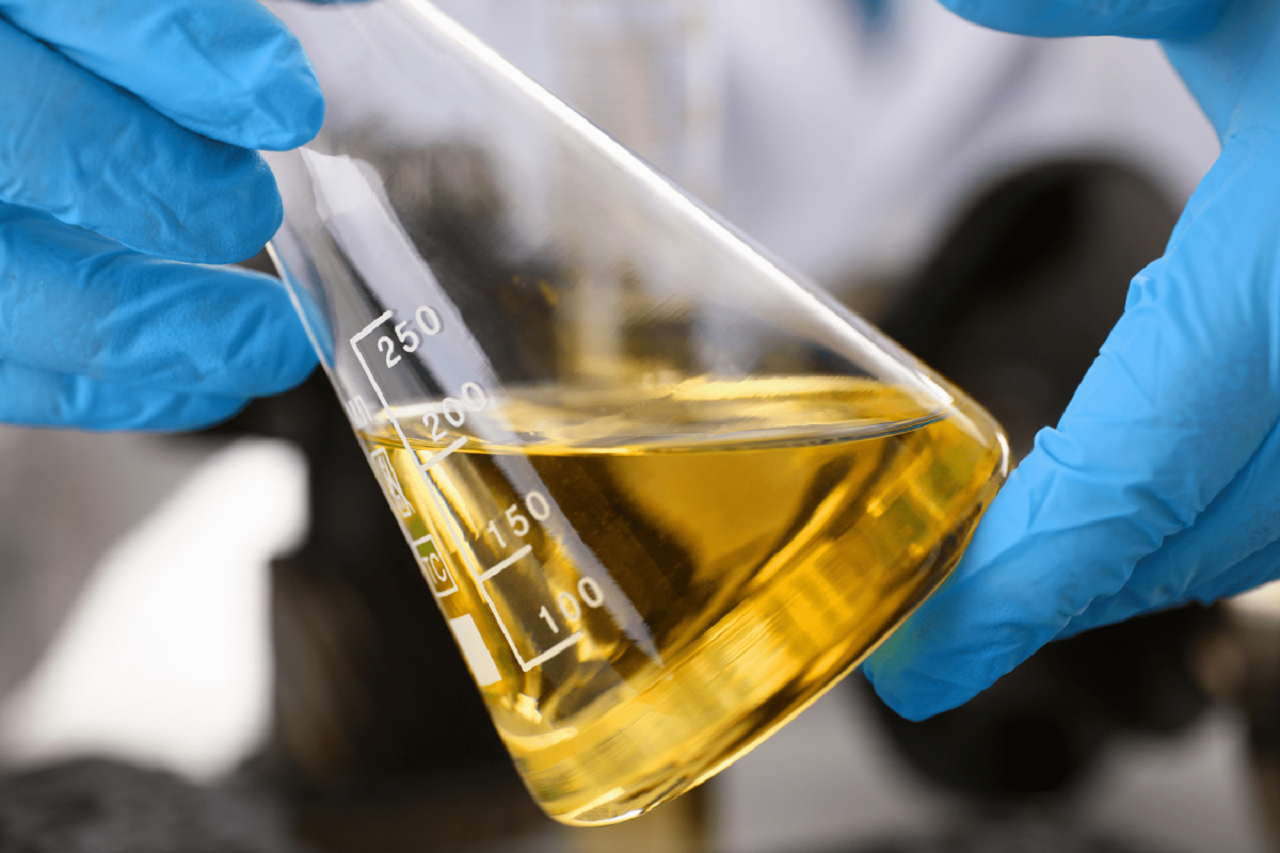
The Stanford Engineers Working On The Project Asserted That The Captured CO2 Can Be Transformed Into Carbon-Neutral Fuels And Even Into A Gasoline Much More Efficient And Economical Than The One Existing Today, But Technological Advances Are Still Needed.
The engineers working to reverse the proliferation of greenhouse gases know that, in addition to reducing carbon dioxide (CO2) emissions, they also need to remove carbon dioxide from the smoke of power plants or the skies. But what to do with all that captured carbon? Matteo Cargnello, a chemical engineer at Stanford University, is working to transform it into other useful chemicals, such as propane, butane, or other hydrocarbon fuels made up of long chains of carbon and hydrogen. “We can basically create gasoline,” said Cargnello, who is an assistant professor of chemical engineering. “To capture as much carbon as possible, you want the longer-chain hydrocarbons. Chains with 8 to 12 carbon atoms would be ideal.”
Read Other Related News
New Catalyst Developed By Stanford Engineers Can Create A More Efficient And Economical Gasoline
A new type of catalyst, invented by Cargnello and his fellow engineers, moves toward that goal by increasing the production of long-chain hydrocarbons in chemical reactions. The invention produced 1,000 times more butane – the longest hydrocarbon it could produce under its maximum pressure – than the standard catalyst, given the same amounts of CO2, hydrogen, catalyst, pressure, heat, and time.
-
In the 1970s, oil became a weapon of war and paralyzed the entire world, and now the same thing is happening again with Iran closing off the route for 20% of the planet’s fuel.

-
When oil prices rise, the gas station increases prices the next day, but when it drops by 13% at once, no one explains why gasoline remains at the same price for months.
-
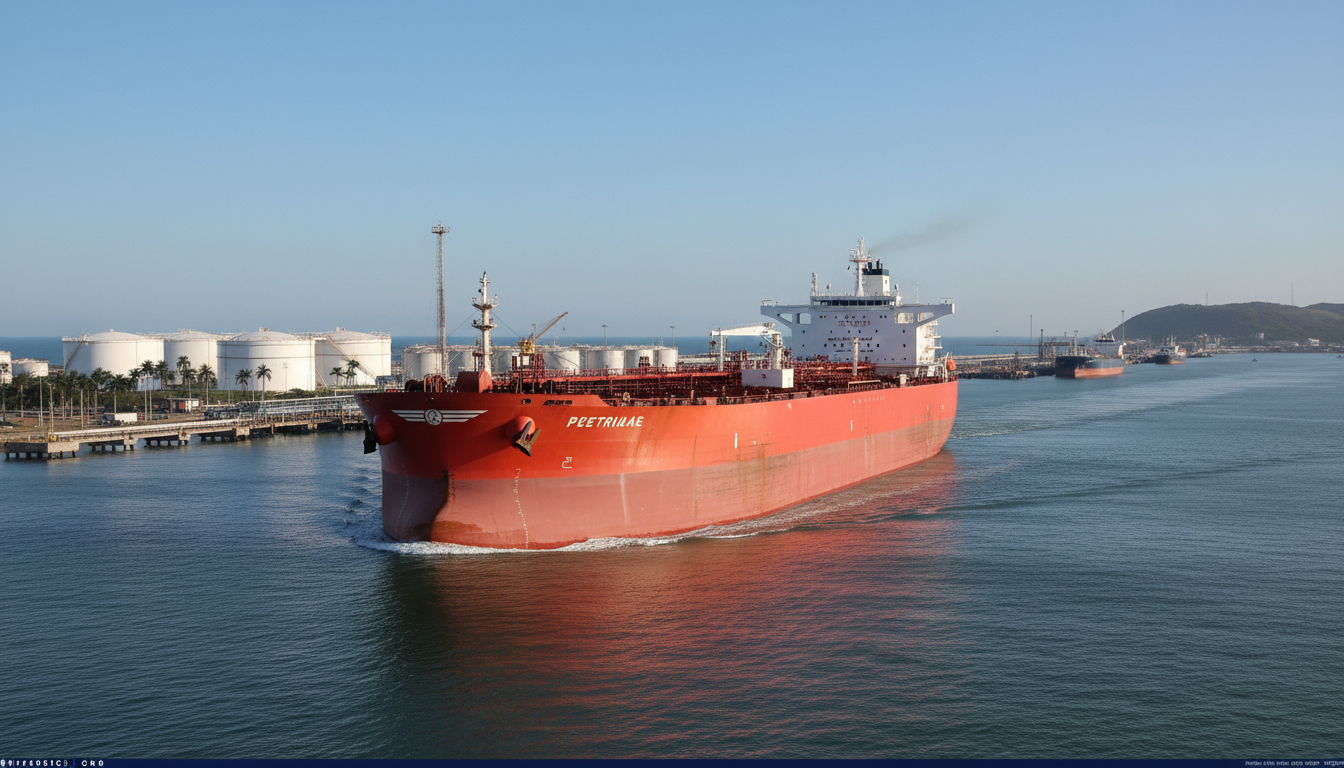
The largest fuel distributor in Brazil has just been forced to import diesel and gasoline on its own after Petrobras reduced its monthly deliveries.
-
After Trump gave Iran 48 hours to reopen the route for 20% of the world’s oil, the barrel skyrocketed to $117, dropped 13% with a truce, and the Central Bank had to inject $2 billion to stabilize the dollar.

The new catalyst is composed of the element ruthenium – a rare transition metal belonging to the platinum group – coated with a thin layer of plastic. Like any catalyst, this invention accelerates chemical reactions without wearing out in the process.
Ruthenium also has the advantage of being cheaper than other high-quality catalysts, such as palladium and platinum. Cargnello and his Stanford team describe the catalyst and the results of their experiments in their latest article, published this week in the journal Proceedings of the National Academy of Sciences.
Seven-Year Journey Toward Cleaner Gasoline
Cargnello and his team took seven years to discover and perfect the new catalyst capable of transforming CO2 into gasoline. The problem is: the longer the hydrocarbon chain, the more difficult it will be to produce.
Bonding carbon requires heat and high pressure, making the process costly and energy-intensive. In this sense, the capability of the new catalyst to produce gasoline from the reaction of CO2 is a breakthrough, Cargnello said. The reactor in his lab would only need to have a higher pressure to produce all the long-chain hydrocarbons for gasoline, and they are in the process of building a higher pressure reactor.
Gasoline is liquid at room temperature and therefore much easier to handle than its gaseous short-chain counterparts (methane, ethane, and propane), which are difficult to store and prone to leaking back into the skies. Cargnello and other Stanford researchers working to produce liquid fuels from captured carbon envision a carbon-neutral cycle in which carbon dioxide is collected, turned into fuel, burned again, and the resulting carbon dioxide restarts the cycle.
Porsche And Siemens Energy Are Developing New Gasoline That Promises To Be Better Than Electric Cars
While other companies in the automotive sector are striving to create electric cars, Porsche, Siemens Energy, and Exxon are following their own path, working on new gasoline that has the potential to be less polluting than an electric car.
The idea that gasoline that will be burned could be more efficient than electric cars seems out of this world, considering that the current scenario is making this transition from conventional models to electric ones, but it is important to remember that, in this sector, it is worth investigating and testing every scenario, so that no solution that could contribute to reducing pollutants goes unnoticed.
Porsche’s new gasoline is called eFuel, and its goal is to achieve an 85% reduction in carbon dioxide emissions. According to the company, this is the average reduction of electric cars, varying according to where the consumer lives and the source used for generating electricity.
The process of generating gasoline that promises to outperform electric cars uses clean energy sources to break hydrogen from water and then moves the compound into a process that results in synthetic gasoline. The idea is not precisely new but rather an “update” of a process known as Fischer-Tropsch, created in the early 1920s.








Seja o primeiro a reagir!