





 Portuguese
  English
  Spanish
  4 min of reading
  0 comments


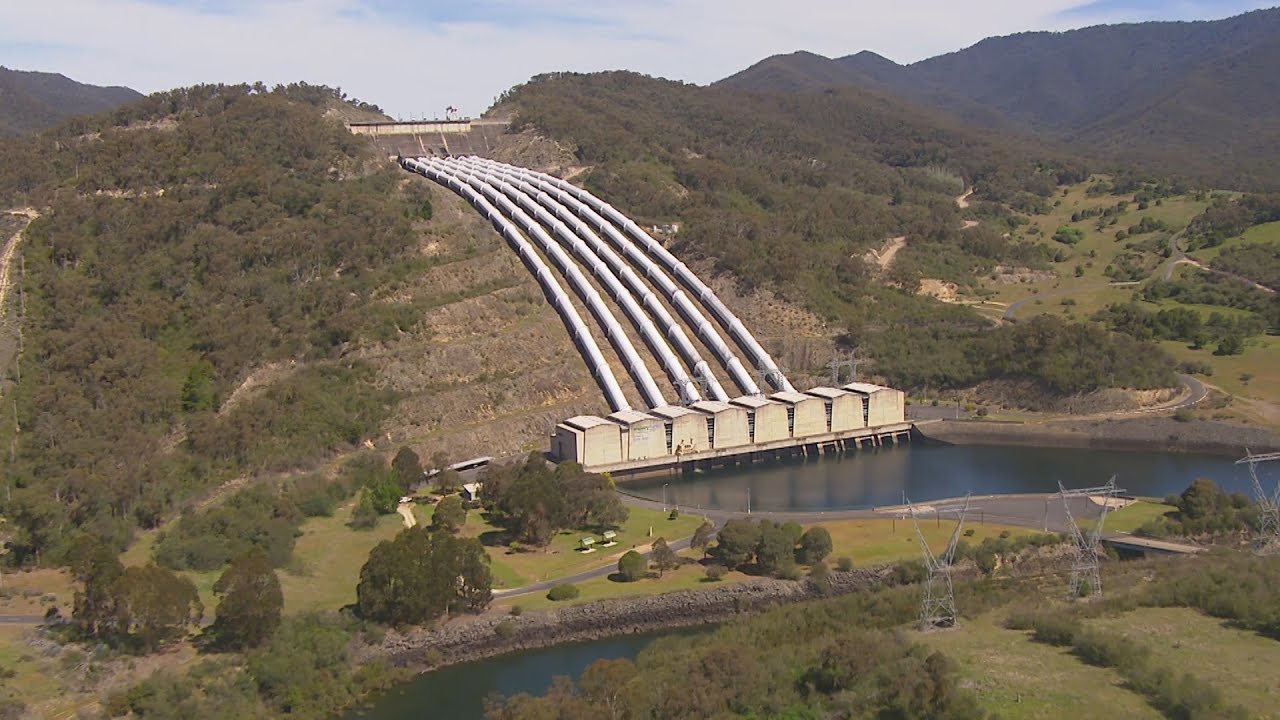
Snowy Mountains Scheme Diverted Rivers Under The Australian Alps With 225 Km Of Tunnels, 16 Dams And Power Plants That Changed Australia’s Hydrology.
According to official records from the Australian government, reports from Snowy Hydro Limited and historical documents from the post-World War II period, the Snowy Mountains Scheme was first conceived in the 1940s as a strategic response to two national challenges: the need to drastically increase electricity generation and the urgency to provide reliable water to agricultural regions increasingly pressured by climate variability. The proposed solution was not punctual, but systemic: to capture water from alpine rivers that naturally flowed to the ocean and redirect it through underground tunnels and dams to the arid interior of southeastern Australia.
The project was officially started in 1949 and took 25 years to be completed, spanning multiple governments, economic crises, and technological limitations that today seem hard to imagine. In the end, the Snowy Mountains Scheme not only generated energy or irrigated fields, but also reconfigured the hydrology of an entire country, altering the natural course of rivers and creating an invisible infrastructure that traverses mountains beneath the rock.
The Excavation Of 225 Km Of Tunnels In Alpine Rock
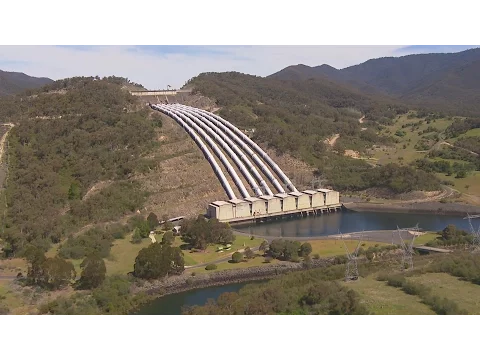
The heart of the Snowy Mountains Scheme lies in its 225 kilometers of tunnels excavated directly in solid rock, many of them beneath the Australian Alps.
-
Created by George Lucas with over $1 billion, a futuristic museum in the shape of a spaceship with 1,500 curved panels is about to open in Los Angeles and will house one of the largest private collections of narrative art in the world.

-
Couple shows how they built a retaining wall on their property using 400 old tires: sloped land turned into plateaus, tires are aligned, filled, and compacted with layers of soil, with grass helping in support and at almost zero cost.
-
Engineer explains drainage during the rainy season: the difference between surface water and deep water, ditches, gutters, and water outlets on the road, as well as drains and drainage mattresses, to prevent erosion, aquaplaning, and flooding at the construction site today.
-
With 55 floors, 177 meters in height, a 15-meter walkway between the twin towers, ventilated facade, and 6,300 m² of leisure space, Ápice Towers already has one tower completed and another nearly at the top.


These tunnels serve not only as water channels, but also as hydraulic corridors capable of transporting large volumes under pressure, connecting dams, reservoirs, and hydropower stations.


A large part of this excavation took place before the popularization of modern tunnel boring machines. The work involved drilling and blasting, manual and mechanical removal of material, and continuous operation in hard-to-reach environments, subject to snow, ice, and extreme temperatures.
Engineering had to deal with geological fractures, seepage, and long underground stretches without adequate natural ventilation.
Sixteen Dams Integrated Into A Single Hydraulic System
The system includes 16 large dams, strategically distributed to capture, store, and regulate water from alpine rivers. Unlike isolated projects, these dams function as interdependent parts of the same hydraulic machine.
The water captured at one end of the system can be transferred through tunnels and successive reservoirs to reach agricultural areas and power plants located hundreds of kilometers away.
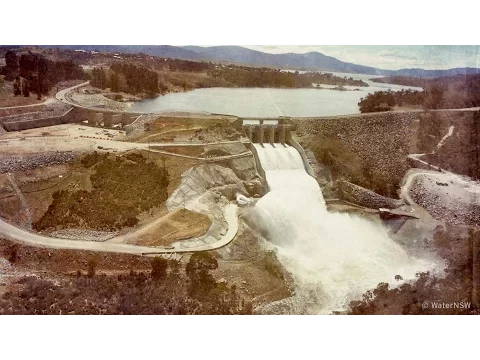
This integration allowed for flow control, water storage for dry periods, and maximized energy utilization from the water fall, transforming natural elevation changes into electricity even before the water followed its new agricultural destination.
Rivers That Stopped Flowing To The Ocean
The most radical aspect of the Snowy Mountains Scheme is the diversion of entire rivers from one watershed to another. Before the project, rivers such as the Snowy naturally flowed to the Pacific Ocean. With the construction of the system, a significant portion of this water began to be captured, channeled through tunnels beneath the mountains, and redirected to the basins of the Murray and Murrumbidgee rivers, inland.
From a hydrological perspective, this represents a profound intervention in the natural geography. The water not only changed its course, but began to sustain agricultural regions that historically depended on irregular rainfall, altering patterns of human occupation and land use.
Hydropower As The Engine Behind The Project
In addition to irrigation, the Snowy Mountains Scheme was conceived as a large hydropower complex, with 7 main power stations and an installed capacity of approximately 3,700 megawatts.
For decades, the system accounted for about 10% of all hydropower in Australia, providing stable electricity during a period of rapid industrial and urban growth.
The integration of energy generation and water management allowed the system to operate flexibly, releasing water according to electrical and agricultural demand, something advanced for its time and still relevant in the current context of energy transition.
A Project Built In Extreme Isolation
The construction of the Snowy Mountains Scheme took place in virtually isolated regions, without prior infrastructure.
Roads had to be opened, camps set up, and logistical systems improvised to sustain a workforce that involved over 100,000 workers over 25 years, many of them newly arrived immigrants to Australia.
This human effort transformed the project not only into an engineering feat but also into a social landmark. Cities emerged, communities formed, and the multicultural identity of the country was profoundly influenced by the influx of workers involved in the construction.
Environmental Consequences And Engineering Corrections
Decades after completion, it became clear that the intense diversion of water brought significant environmental consequences. The Snowy River, in particular, suffered a drastic reduction in flow, affecting riparian ecosystems and local biodiversity.
In response, the Australian government initiated, in the 2000s, the Snowy Water Initiative, a program to return part of the environmental flow to the original river.
This movement turned the project into a rare case of engineering being reviewed and partially corrected, recognizing that continental-scale works need to be adjusted in light of new ecological knowledge.
An Invisible Infrastructure That Redesigned The Territory
Today, much of the Snowy Mountains Scheme remains invisible to those crossing the region. Tunnels, conduits, and reservoirs operate silently beneath the mountainous landscape, supporting agriculture, energy, and water supply hundreds of kilometers away.
More than just a set of dams, the Snowy Mountains Scheme is an extreme example of how engineering can redefine the fate of water, traverse mountains, alter watersheds, and transform technical decisions into permanent changes in the territory of an entire country.






-

-

-

-

-

-

105 pessoas reagiram a isso.