





 Portuguese
  English
  Spanish
 3 min of reading


Engie’s Goal Is to Produce Between 100 MW and 150 MW in a Period of Up to Five Years Through a Green Hydrogen Plant at the Port of Pecém
Engie and the State of Ceará signed last Friday (10/15) afternoon, at the headquarters of the Ceará government, a Memorandum of Understanding (MoU) to develop a large-scale green hydrogen project at the Port of Pecém. The primary focus of the project is the export of green hydrogen; however, its use in heavy mobility, the steel industry, chemical production, and blending for gas transportation networks are also being evaluated, which would allow the project to become a green hydrogen hub. Read this news as well: Ceará State Maintains Negotiations for the Construction of 16 Green Hydrogen Plants
- ArcelorMittal, One of the Leading Companies in the Global Steel Market, Is Accepting Applications for Its 2022 Internship Program
- LG Has Internship Openings for 2022 in the Regions of Goiânia and Belo Horizonte
- Solar Coca-Cola Opens 400 Vacancies for Free Professional Training Courses for Adolescents and Youth in Alagoas
- How to Ensure Investments to Attract Companies to Settle and Create Jobs in the Naval Sector of the State of Rio?
- Chinese BYD Plans to Launch the Song Plus, a Hybrid SUV with 1,200 km of Range, in Brazil
Engie Wants to Invest in Renewable Projects
In addition to encouraging the start of a national green hydrogen economy, the project will enable the decarbonization of these segments. The first stage aims to produce between 100 and 150 MW in a period of up to five years and then develop further phases to reach a larger scale, following the expansion of local and international markets.
“In ENGIE’s view, hydrogen is a strategic vector for decarbonization, as it allows for better integration of renewable energies, in addition to helping reduce emissions in sectors that struggle to meet their targets. We have know-how to provide the most efficient green hydrogen solutions at an industrial scale in the country, contributing to the reduction of greenhouse gas emissions and collaborating with the transition to a carbon-neutral world, which is the company’s purpose,” says Raphael Barreau.
-
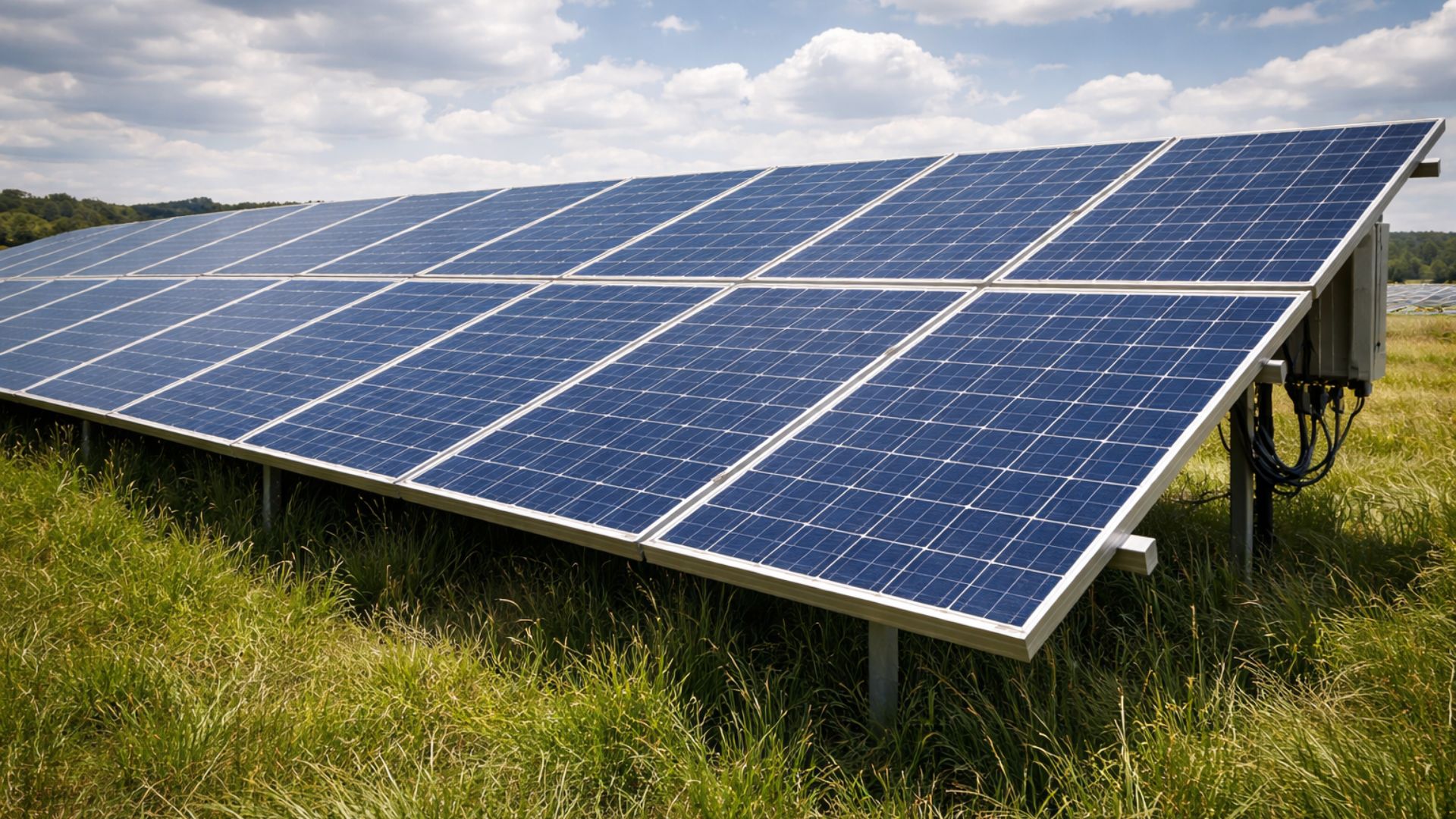
Itaipu receives proposals in the renewable energy tender and reinforces the role of public universities in the energy transition with projects that can reduce costs, increase academic investments, and accelerate sustainable innovation in the country.
-
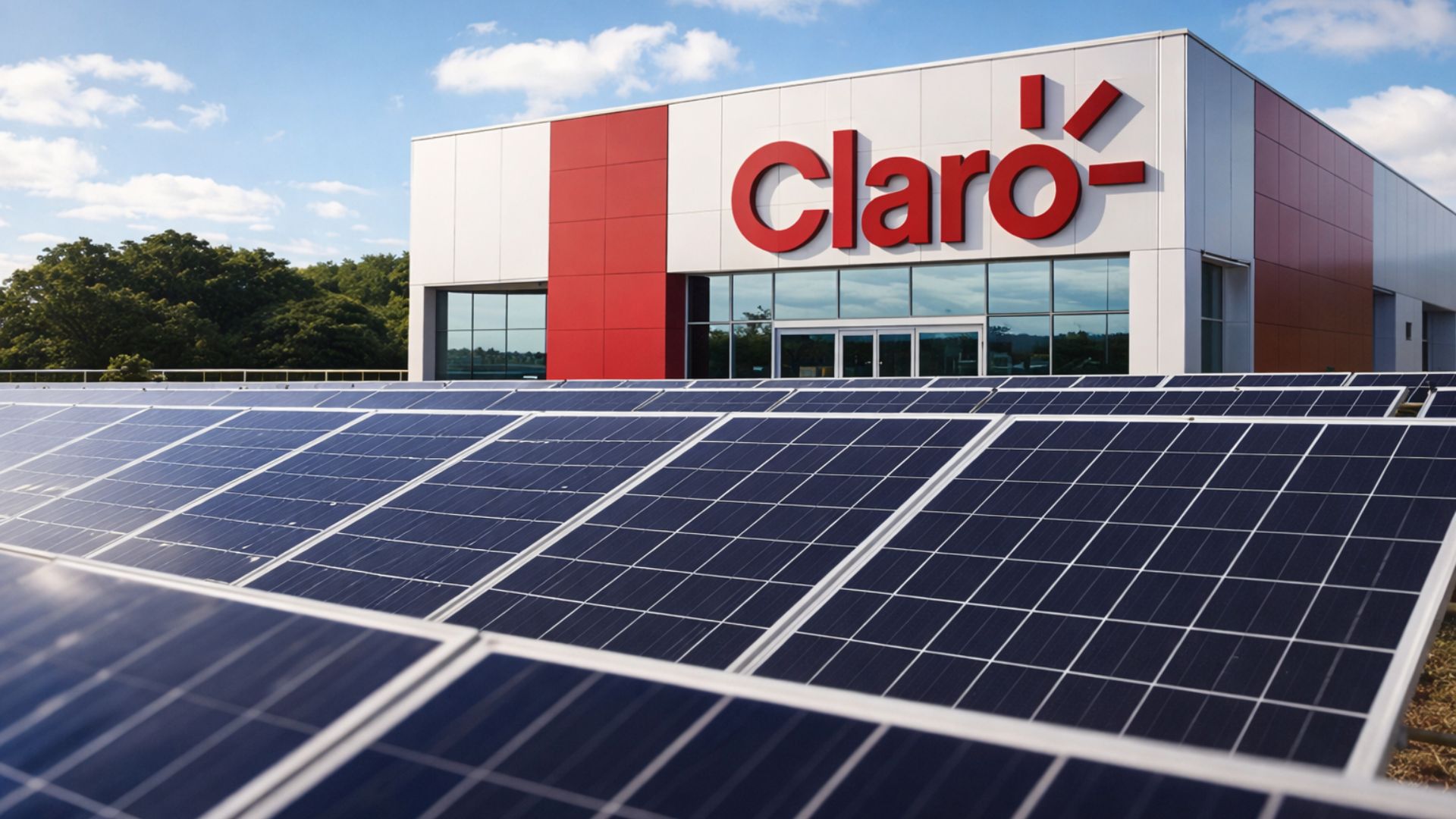
Claro operator reveals a silent change with hundreds of clean energy plants and shows how sustainability is impacting over 80% of its operations in Brazil.
-
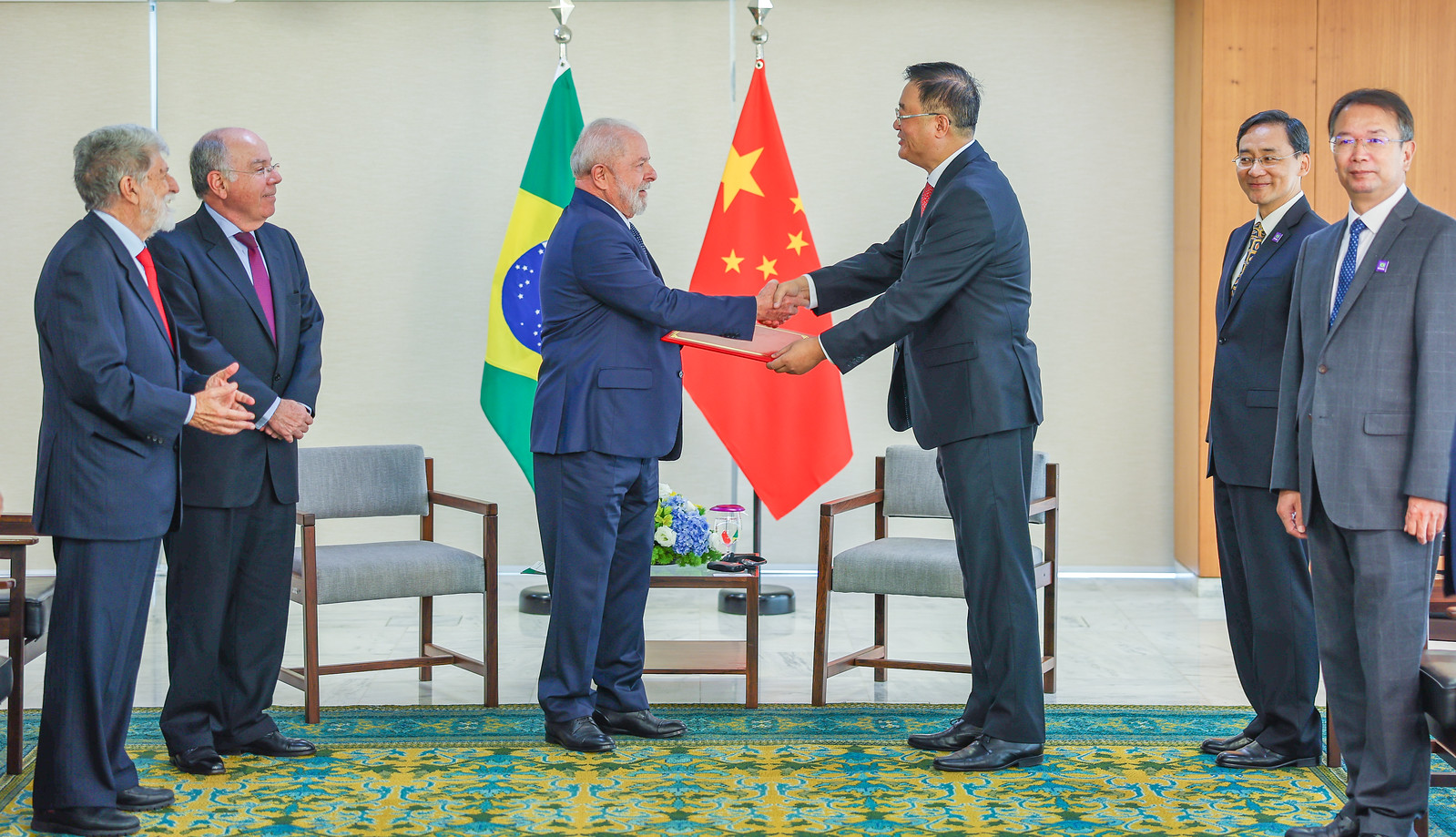
Billion-dollar strategic alliance: Brazil and China join forces in infrastructure and technology projects to lead the creation of a global green corridor in the energy transition.
-
Research reveals that the vast majority of national consumers are not willing to pay more for renewable energy despite their support for sustainability.
The State of Ceará Has Several Green Hydrogen Projects
“We are very happy to welcome one of the largest energy companies in the world and I emphasize that we are ready to build this project together,” said Governor Camilo Santana, adding about the competitive advantages that make Ceará a favorable environment for hydrogen production without carbon emissions. “Our strategic geographical location, our renewable energy generation potential, thanks to our coastline and the sun all year round, place Ceará ahead in the production and export of the fuel of the future,” he highlighted.
Governor Camilo Santana announced this during a live broadcast on Ceará’s social media. The MoU was signed by the Secretary of Economic Development and Labor of the State of Ceará (SEDET), Maia Junior, and the Executive Secretary of SEDET, Roseane Medeiros. For ENGIE, in addition to Raphael Barreau, the memorandum was recorded by the Director of Communication and Social Responsibility of Engie, Gil Maranhão Neto, and the Regional Representative of ENGIE Green Hydrogen for Latin America, Koen Langie.
Engie Will Bet on the Use of Green Hydrogen
Green hydrogen is seen as one of the major bets in the energy transition to a carbon-neutral world. It is obtained through the electrolysis process, from renewable sources, and can replace fossil fuels in carbon-intensive industries. ENGIE’s global goal is to create a strong position in green hydrogen. By 2030, the company aims to develop an installed capacity for green hydrogen production of 4 GW worldwide, and Brazil is a key region for achieving this goal, considering the group’s presence in the country and the abundance of renewable energy.





Seja o primeiro a reagir!