





 Portuguese
  English
  Spanish
  5 min of reading
  0 comments


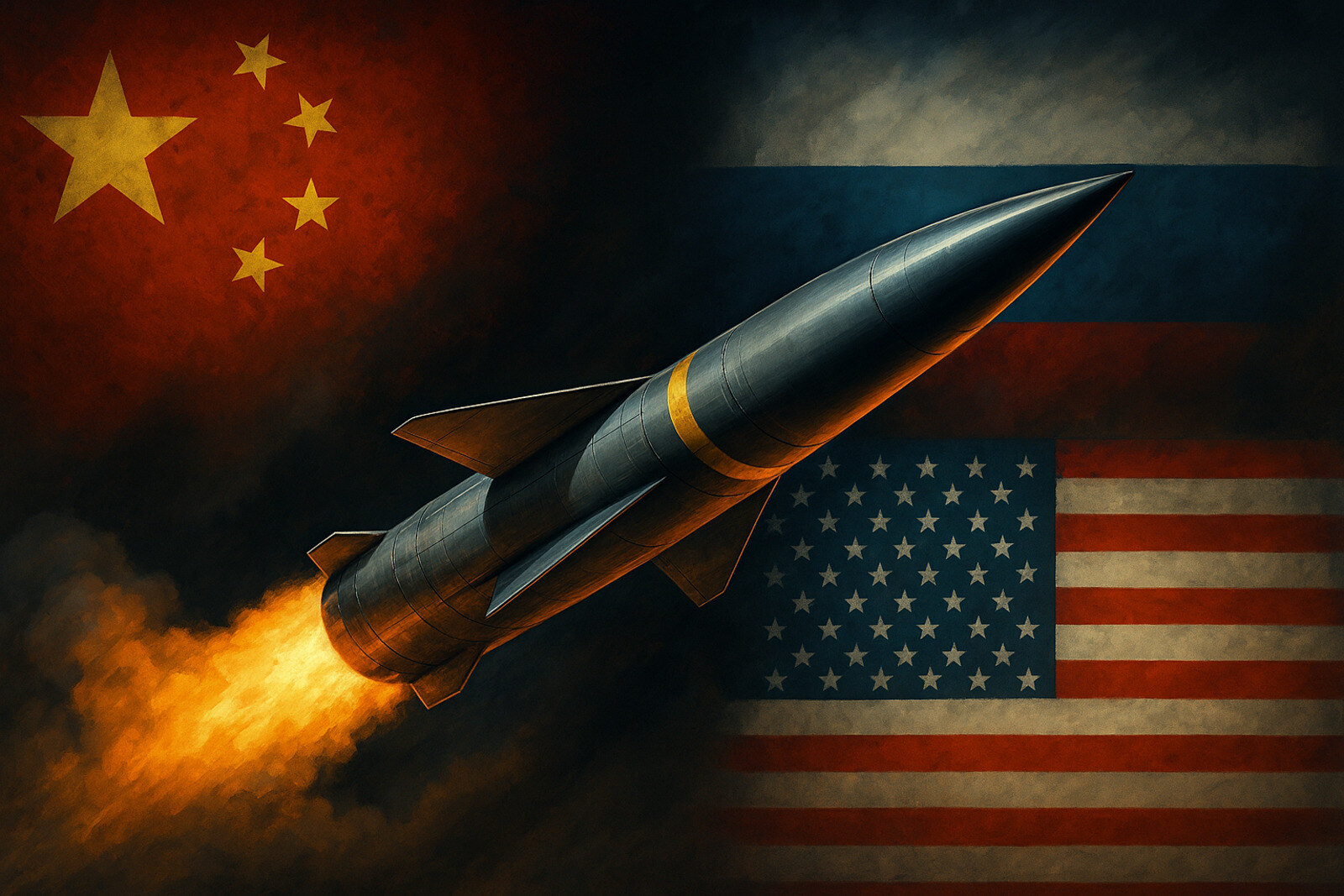
In The Fastest Military Race On The Planet, China, Russia, And The United States Compete With Hypersonic Weapons That Challenge Radars And Reduce Reaction Time
Shining under the autumn sky, during a military parade in Beijing, the missiles of the People’s Liberation Army passed before the crowd. They came slowly, transported on gigantic camouflaged trucks. Each one prominently displayed the letters and numbers: DF-17.
At 11 meters long and 15 tons, the missiles caught the attention of the world. On that October 1, 2019, during China’s National Day parade, the country revealed its hypersonic arsenal.
The United States had known about the existence of this project, but did not expect such an advance. Since then, Beijing has accelerated the development of these weapons.
-
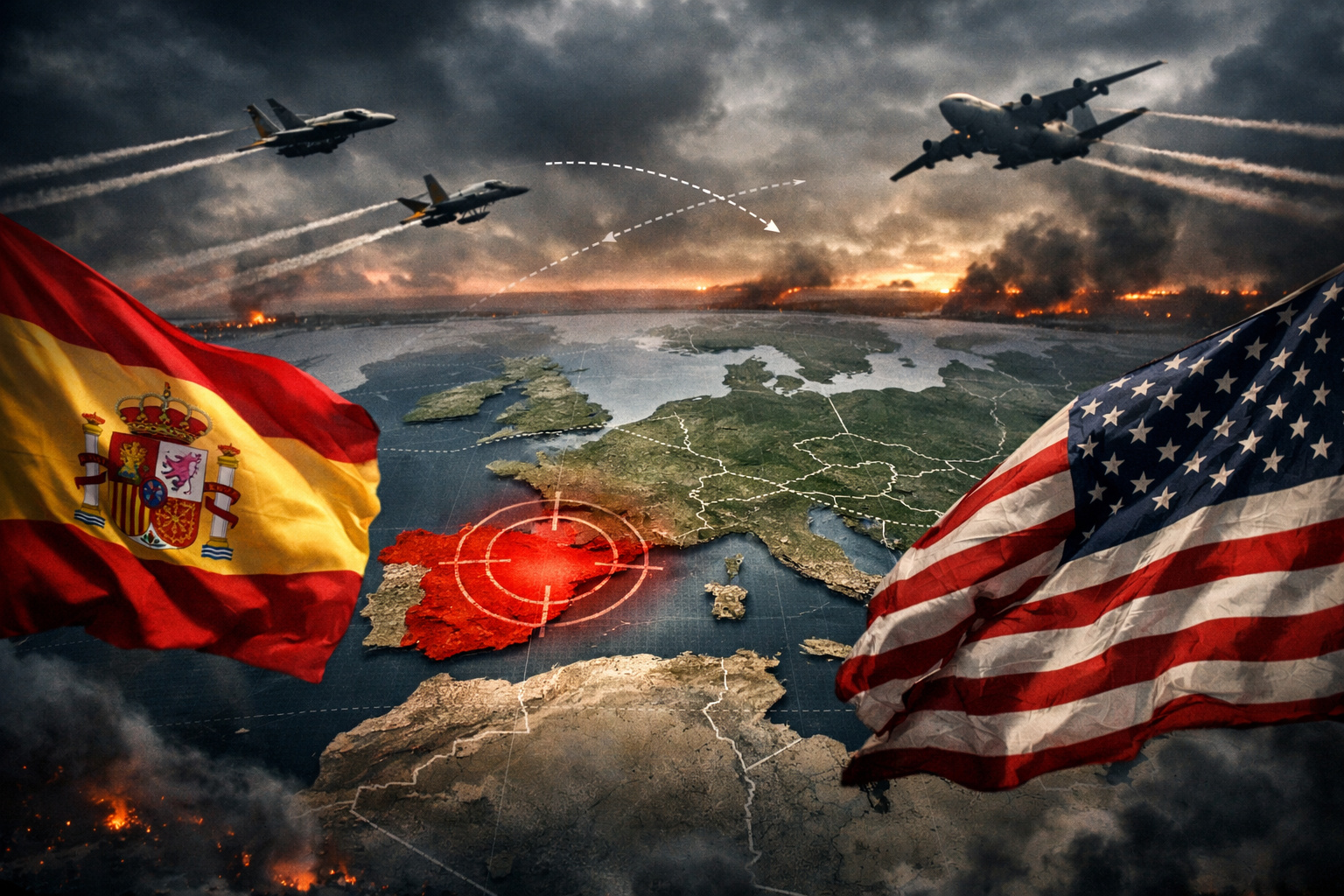
Spain challenges the USA and closes its airspace for operations against Iran, raising global tension and provoking the threat of a trade rupture.
-
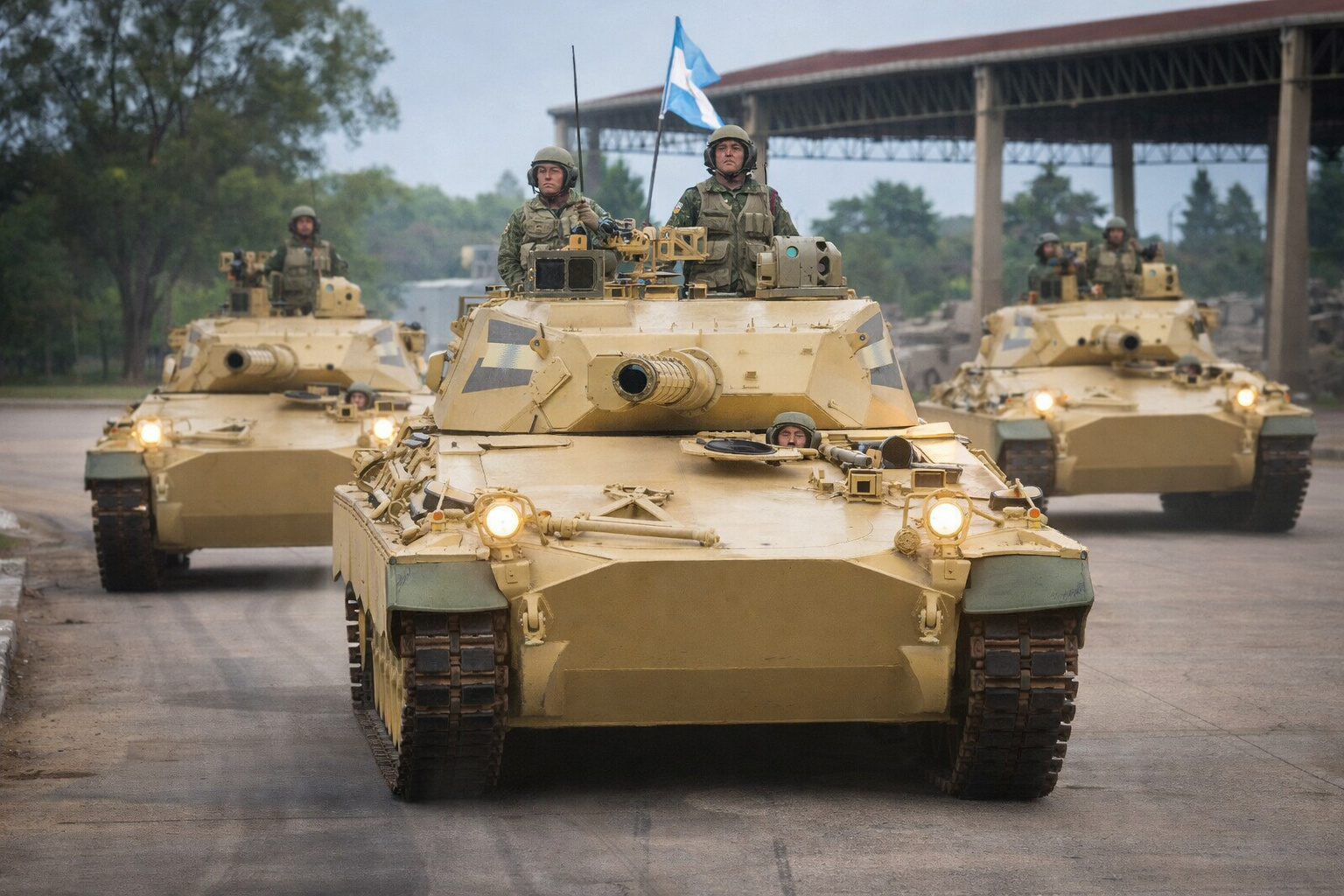
While no other country manufactures tanks in Latin America, Argentina activates the TAM 2C-A2 and raises a curiosity about the technological lag in the region.
-
A Russian ship with 730,000 barrels of oil has just arrived in Cuba while Mexico negotiates fuel sales through private companies: the communist island is desperately seeking alternatives after losing its supply from Venezuela due to American military action.

-
Iranian drones and missiles destroyed a 270 million dollar American spy plane in Saudi Arabia, splitting the E-3 Sentry aircraft in half and injuring 12 military personnel in an attack that exposes the vulnerability of U.S. bases in the Persian Gulf.


The reason is clear: they travel at more than five times the speed of sound and are maneuverable in flight. Therefore, they represent impressive power and may change the way wars are fought.
According to William Freer, a national security researcher at the Council on Geostrategy, this scenario is part of a larger competition. “This is something we haven’t seen since the Cold War,” he stated.
Russia, China, And The US: The Protagonists
The Chinese display prompted speculation about a new global threat. Today, China leads the hypersonic missile sector, followed by Russia.
The United States, on the other hand, seeks to close the gap. The United Kingdom does not even have an operational system.
Freer explains that the Chinese and Russian advantage did not happen by chance. “They decided to invest a lot of money in these programs a few years ago,” he said.
Meanwhile, Western nations focused their efforts on combating jihadist terrorism and counterinsurgency wars.
Alex Younger, former head of the British secret service, admitted in 2020 that China’s military growth went unnoticed during this period.
Other countries are also seeking space. Israel has the Arrow 3, designed for interception. Iran claimed to have launched a hypersonic missile against Israel in June during a 12-day war, but experts concluded that the projectile did not have enough maneuverability to be considered hypersonic.
North Korea, since 2021, claims to have a viable system. France and Japan are also developing such weapons.
The US has progressed with the weapon “Dark Eagle,” described by the Department of Defense as a symbol of power and determination. Nevertheless, experts assess that China and Russia remain ahead.
The Hypersonic Speed
The term “hypersonic” applies to any object that travels above Mach 5 — about 6,200 km/h. This distinguishes them from supersonic projectiles, which only exceed the sound barrier, around 1,235 km/h.
Russia claims that the Avangard can reach Mach 27, approximately 33,000 km/h, although the most accepted number is Mach 12. In any case, these are extreme speeds.
Despite this, according to Freer, the destructive power is not much different from other missiles. The difference lies in the difficulty of detecting, tracking, and intercepting.
There are two main types: the boost-glide, like the DF-17, which ascend to the atmosphere and then descend at high speed, and the hypersonic cruise missiles, which fly close to the ground with a scramjet engine, avoiding radars. Both can carry conventional or nuclear warheads.
The most concerning aspect is the maneuverability during flight. This makes them unpredictable and complicates interception. Many radars only detect these weapons in the final moments before impact.
For researcher Patrycja Bazylczyk from the Center for Strategic and International Studies in Washington, the solution would be to strengthen space sensors.
Change In Wartime Timelines
Specialist Tom Sharpe, former commander of the British Royal Navy, reminds us that the principles of missile warfare remain the same. What changes is the reaction time.
If there were minutes to prepare defenses before, now the timeframe is much shorter. This increases the risk of confusion: does the missile carry a nuclear warhead or just conventional explosives?
A report from the US Congressional Research Service published in February acknowledges that current sensors are not sufficient to detect and track hypersonic missiles.
Is The Hype Exaggerated?
Some experts believe the threat is overstated. For Sidharth Kaushal from the Royal United Services Institute, hypersonic weapons are useful against fortified and buried targets, but they do not radically change warfare.
According to him, there are effective defenses, such as making location difficult via satellite. “An outdated image already loses its value,” Sharpe explained. Nevertheless, he admits that artificial intelligence should improve accuracy over time.
The Russian Threat
Despite caution, Russian programs draw attention. In November 2024, Moscow launched an experimental missile called Oreshnik during attacks on Ukraine.
According to Kiev, it reached Mach 11. Putin declared Mach 10. The warhead fragmented into six inert projectiles, a practice reminiscent of the Cold War.
The impact, although it did not cause destruction greater than conventional bombings, demonstrated new capabilities.
In addition to the Oreshnik, Russia has the Kinzhal, touted as impossible to intercept, but which has already been shot down in Ukraine.
The Avangard, highly maneuverable, is considered the most concerning weapon. Still, Kaushal emphasizes that Russia’s production capacity may be limited.
The Chinese Advance
Meanwhile, China continues to expand its supremacy. At the end of 2024, it presented the hypersonic glide vehicle GDF-600, with a payload of 1,200 kg and a speed of Mach 7.
This arsenal represents a potential threat to the US naval presence in the Western Pacific. The dispute over the South China Sea increases geopolitical tension and makes it clear that Beijing does not intend to reduce its investments.
The British Lag And The Western Reaction
The United Kingdom, despite being a nuclear power, is lagging behind. In April, it announced a historic milestone in propulsion testing, conducted in partnership with the US at NASA. There were 233 successful static experiments in six weeks.
The Secretary of Defense, John Healey, called the achievement a “landmark moment.” However, the weapon will still take years to be ready.
Freer warns that the West must balance attack and defense. Limiting damage is as important as neutralizing enemy launch platforms. Sharpe, however, insists that neither offensive nor defensive capabilities are perfected.
The Race Continues
The race for hypersonic missiles is not just about speed. It is about deterrence, strategy, and geopolitical pressure. Every Chinese or Russian advance generates responses from the West.
However, the question remains: to what extent will these weapons truly change the global balance? Experts disagree, but they all agree on one point. Decision timelines in a conflict have become much shorter.
With information from BBC.







-

Uma pessoa reagiu a isso.