





 Portuguese
  English
  Spanish
  3 min of reading



The Provisional Measure No. 1,112/22 Addresses The Creation Of A Heavy Vehicle Fleet Renewal Program, Allowing Resources To Be Redirected From Research And Development On The Environment And Climate.
The Provisional Measure No. 1,112/22, signed by President Jair Bolsonaro, establishes the Renovar program. The idea is that trucks, buses, and other heavy cargo vehicles over 30 years old or in a state of obsolescence can be removed from circulation, allowing drivers to receive a cash reward based on the market value of the vehicle. However, scientific entities view the PM as a threat, as the resources from this recycling (from oil companies) could impact funding for research on climate impacts. In light of this, the Congress has been alerted.
According to a statement drafted by the Brazilian Society for Science and Progress (SBPC) and other scientific entities, directed to deputies and senators, the PM poses a threat to the national system of science, technology, and innovation, as articles 7 and 12 provide for the redirection of resources coming from oil companies.
Video: Luiz Davidovich Says, “They Are Trading Knowledge For Scrap”


The note sent to the National Congress states that “the Law No. 9478/97, undermined by PM 1,112/2022, mandates that, from the gross revenue of oil and gas production by oil companies, between 0.5% and 1% be allocated to R&D (Research and Development) projects in the country, as compensation to the State for the granting of the exploration of oil basins. The Provisional Measure allows oil and gas exploration companies to apply these resources without limits for the dismantling or destruction of heavy vehicles at the end of their useful life, an activity inconsistent with the central objective of State policy for the sector, established by the Law itself.”
-
The rise in oil prices could ensure an extra revenue of R$ 100 billion for the Federal Government, indicates a recent economic study.

-
Naturgy begins an investment of R$ 1.6 million to expand the gas network in Niterói and benefit thousands of new residences and businesses.

-
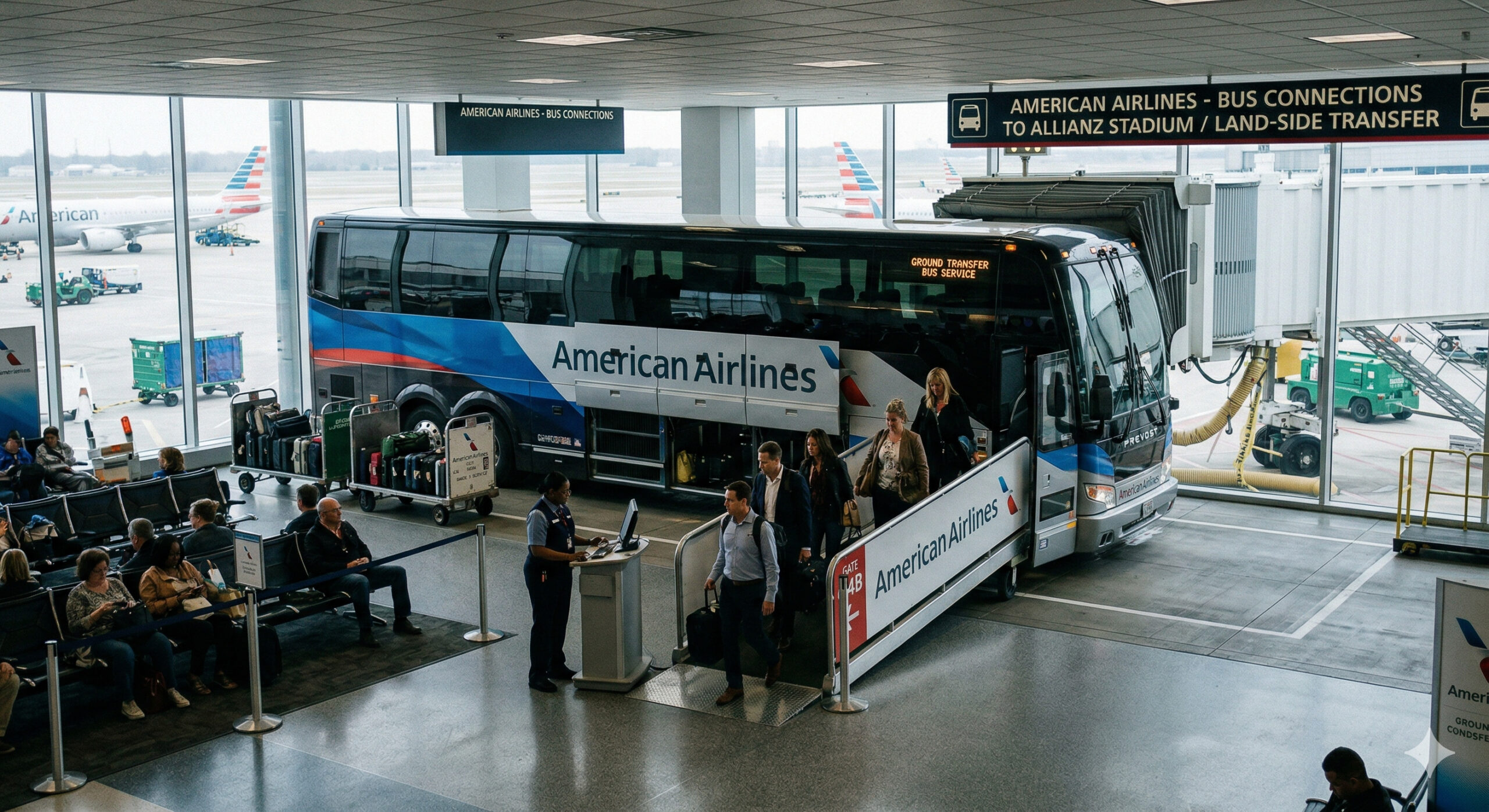
American Airlines starts selling trips as if they were flights, with check-in and baggage check at the airport, but on short routes, passengers board luxury buses connecting cities to major hubs in the U.S.
-
A major turn in the Justice system suspends tax increases and directly impacts oil and gas companies in Brazil by affecting costs, contracts, and financial planning, leaving uncertain what could happen to the sector if these costs had increased.


Which Sectors May Be Affected By The Redirection Of Resources From Oil And Gas Exploration Companies To The Truck Recycling Program?
Law No. 9478/97 turns 25 years old in 2022. From the SBPC’s perspective, it has been successfully applied, generating pioneering technologies worldwide and tangible results for Brazil, in addition to contributing to self-sufficiency in the production of oil.
Since its establishment, the Law has allowed the creation of 150 laboratories distributed throughout the country, as well as enabled agreements and contracts with over 200 universities and research institutes. The resources have facilitated the development of technologies for obtaining green hydrogen,
wind energy on offshore platforms, and biofuels.
Government Seeks Greater Logistical Efficiency With The Recycling Of Heavy Vehicles And Justifies How The Environment Will Benefit
On one hand, scientific entities are trying to alert the National Congress about the threat to research and development resources in the environment; on the other hand, the Government is working to convey the image that the recycling of heavy vehicles through the Renovar program means greater road safety and a reduction in costs related to accidents and respiratory diseases.
The Government also argues that a younger fleet of trucks and other heavy vehicles benefits the environment by consuming less fuel and significantly reducing the emission of particles and polluting gases.








Seja o primeiro a reagir!