





 Portuguese
  English
  Spanish
  5 min of reading
  0 comments


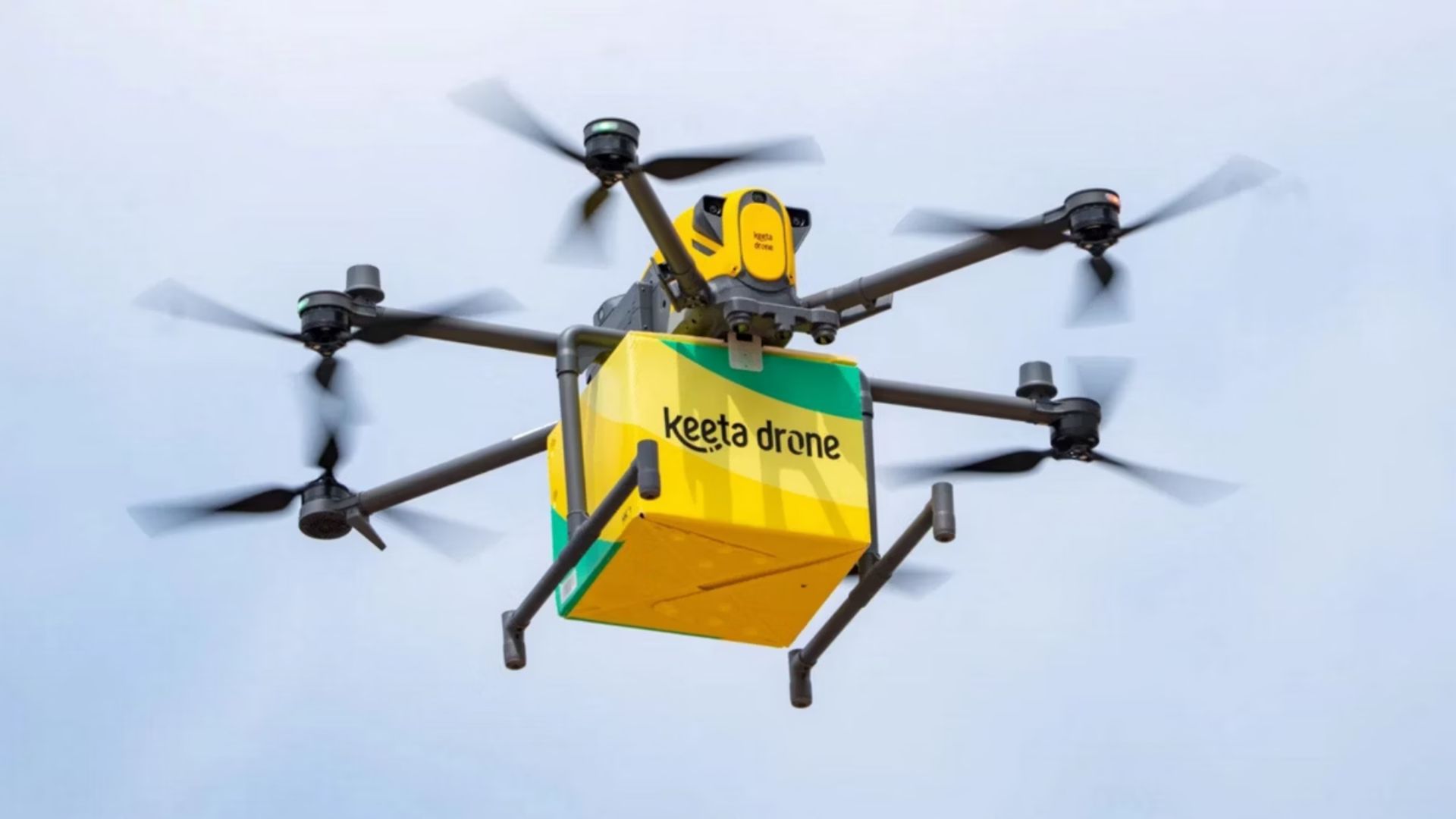
Keeta’s Entry into Brazil Brings New Technologies, Bets on Drones for Delivery, and Promises to Transform the Competition Among the Leading Apps in the Sector, Accelerating Changes and Expanding Competition in the National Market for Fast Deliveries.
Keeta’s arrival in Brazil, scheduled for November 2025, marks the beginning of a new era for the delivery sector in the country, with the introduction of advanced technologies and an unprecedented investment in the use of drones for quick deliveries.
The international subsidiary of Meituan, recognized as the largest global restaurant delivery company, Keeta will begin its operations from the office in São Paulo and intends to launch its delivery services in the capital this year, intensifying competition with already established giants like iFood and Rappi.
Considered one of the most promising markets for international expansion, Brazil will be the third country to receive Keeta’s operations, which already operates in Hong Kong and Saudi Arabia.
-
IPTU exemption for seniors in 2026: see how to secure the benefit.

-
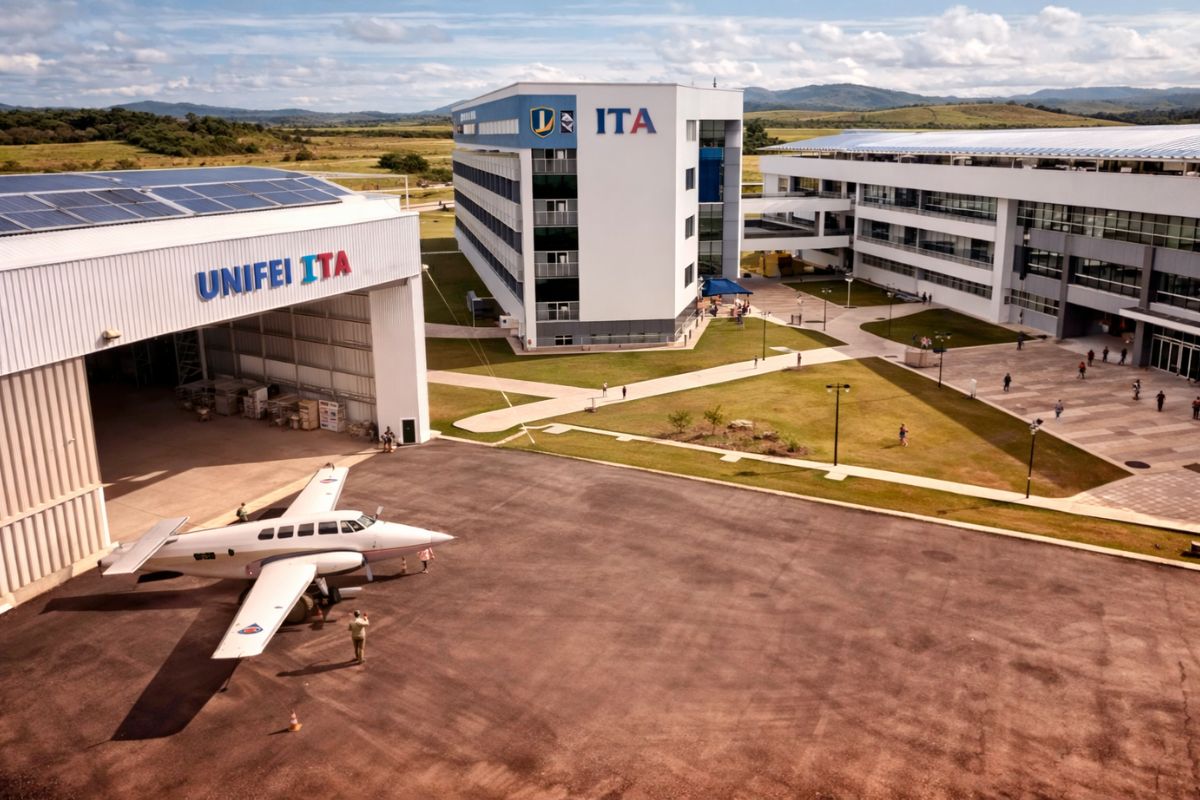
The institute that trained the greatest aerospace engineers in Brazil has just opened its first campus outside São Paulo after 75 years: ITA Ceará will have R$ 445 million, new courses in energy and systems, and classes are expected to start in 2027.
-
Luciano Hang, owner of Havan, goes to Juiz de Fora after the tragedy in February, brings R$ 1 million, hands out R$ 2,000 cards, and donates up to R$ 15,000 to victims in the region.

-
The Brazilian passport allows legal residence in dozens of countries without the need for a prior visa, and most Brazilians are unaware that they can apply for residency directly upon arriving in nations in South America, Africa, and even Europe.


The expected investment of approximately US$ 1 billion reflects the Chinese company’s commitment to building a robust and competitive infrastructure, aimed at transforming the Brazilian delivery landscape.
Keeta in Brazil: Expansion and Billion-Dollar Investments
Keeta’s operational plan in Brazil includes ambitious goals.

The company aims to reach 15 metropolitan regions by June 2026 and extend its service to 1,000 municipalities by 2030.
The goal is to establish a network with up to 100,000 delivery drivers, along with investing in cutting-edge technology, logistical infrastructure, and team training.
This move expands competition in a sector that has primarily been dominated by iFood and Rappi, platforms that already operate with significant reach and market share.
Leading the Brazilian operations is executive Tony Qiu, vice president of Meituan and CEO of Keeta, a professional with an outstanding trajectory in the mobility and technology sector.
A former CEO of 99 in São Paulo and former head of the international division of Kwai, Qiu actively participated in the implementation of Keeta in Hong Kong and Saudi Arabia, as well as leading innovation projects in different markets.
Keeta’s arrival has also impacted the job market: the company has already opened over 100 positions in Brazil, spread across sectors such as legal, human resources, product development, and sales.
This initiative demonstrates a commitment to structuring a solid and multifunctional base, aimed at sustaining planned growth.
Drones and Innovation: Technology in Brazilian Delivery
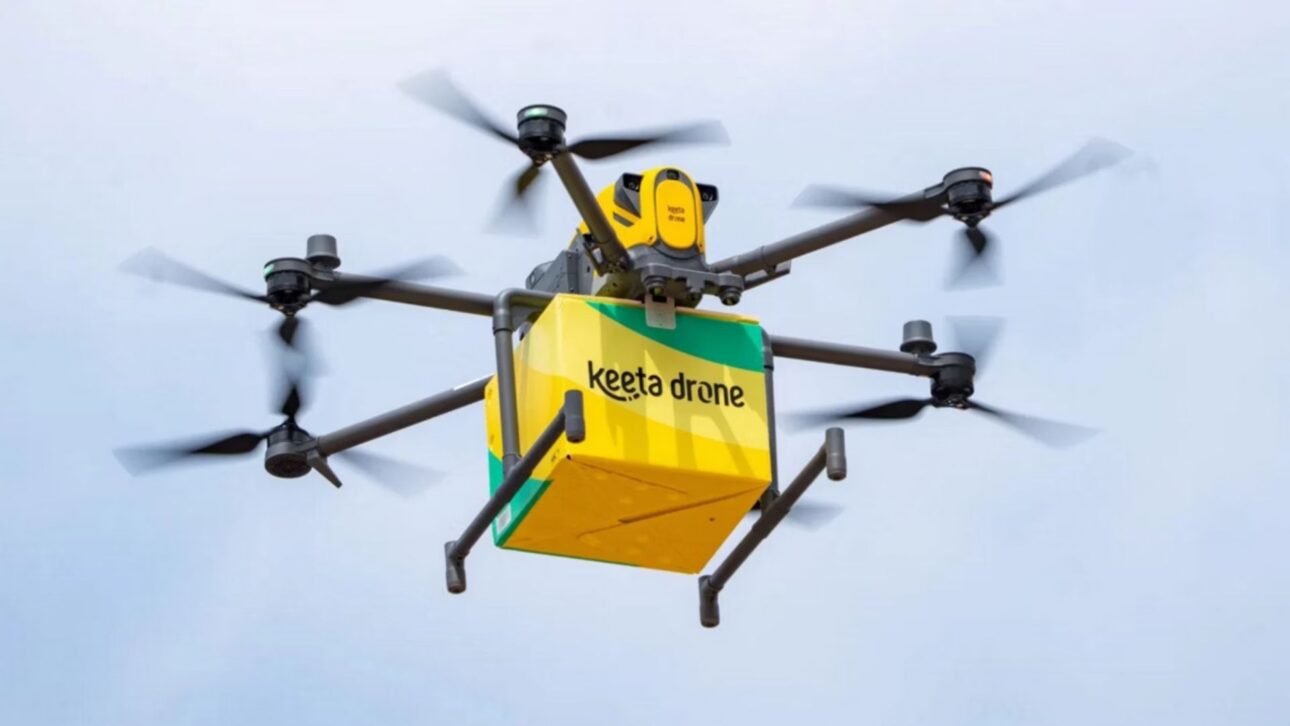
Among Keeta’s main bets is the use of drones and autonomous vehicles for urban deliveries, a technology already employed by the parent company in China, where over one million deliveries have been made this way as of July 2025.
The vice president of Meituan, Tony Qiu, recently stated that the goal is to bring this solution to Brazil, but emphasized that implementation still depends on regulatory advancements.
Currently, Brazilian regulations do not allow large-scale commercial drone operations, making the landscape a challenge for innovation.
According to existing legislation, commercial drone operations require aircraft registration, insurance against third-party damages, and specific authorizations issued by agencies such as the National Civil Aviation Agency (Anac), Airspace Control Department, and National Telecommunications Agency (Anatel).
For aerial deliveries in urban areas, the regulations are even stricter: they require authorization for flights beyond the pilot’s line of sight (BVLOS), risk analysis, and exclusive permissions for each route.
However, this scenario may change soon.
In June 2025, Anac launched a public consultation on the draft of the Brazilian Civil Aviation Regulation No. 100 (RBAC 100), which proposes to simplify and relax the rules for the commercial use of drones.
The new regulation aims to allow innovative companies to present their own methods to ensure safety and mitigate risks without losing the strict control of operations.
Competition and Drone Delivery Tests in Brazil
Before Keeta’s arrival, iFood had already begun tests with drones in Brazil, in partnership with Speedbird Aero.
In 2020, a first experimental operation was carried out in Campinas, connecting via air the food court of a shopping mall to a delivery point, where a delivery driver completed the journey on land.


Two years later, iFood became the first to receive authorization from Anac for commercial drone deliveries, allowing flights of up to three kilometers, including in urban areas.
The 2022 tests in Aracaju highlighted the technology’s potential: a drone was able to cross the Sergipe River, connecting a shopping mall to the neighboring city of Barra dos Coqueiros in just over five minutes, while the land route could take up to 55 minutes.
Despite the initiative’s success, the model was not scaled or transformed into a standard for the platform’s operations.
The use of drones remains restricted to pilot projects, without significant commercial scale.
New Directions for App Delivery Drivers
Keeta’s entry with technological proposals advances amid discussions about the future of app delivery drivers, a sector that employs thousands of Brazilians and drives the urban economy.
The potential use of drones raises questions about the transformation of the professional profile and the need for retraining for new roles related to the operation and maintenance of these systems.
According to logistics and mobility experts, the introduction of drones could enhance delivery efficiency, especially in congested or hard-to-reach areas.
However, the impact on job creation is still controversial and depends on the pace of technology adoption in the country, regulatory rules, and public policies to support innovation.
The Future of Delivery with Keeta Arrives in Brazil
Keeta’s arrival and the advancement in the use of drones for delivery reposition the country on the innovation map in logistics, but also bring new regulatory, technological, and social challenges.
With a billion-dollar investment, the expectation is that the fast delivery market will become even more competitive, dynamic, and diverse in the coming years.
Do you believe that the use of drones can really revolutionize delivery in Brazil, or are regulatory and social challenges still a difficult obstacle to overcome? Join the discussion in the comments!








-

-

3 pessoas reagiram a isso.