





 Português
  Inglês
  Espanhol
  3 min de leitura
  0 comentários


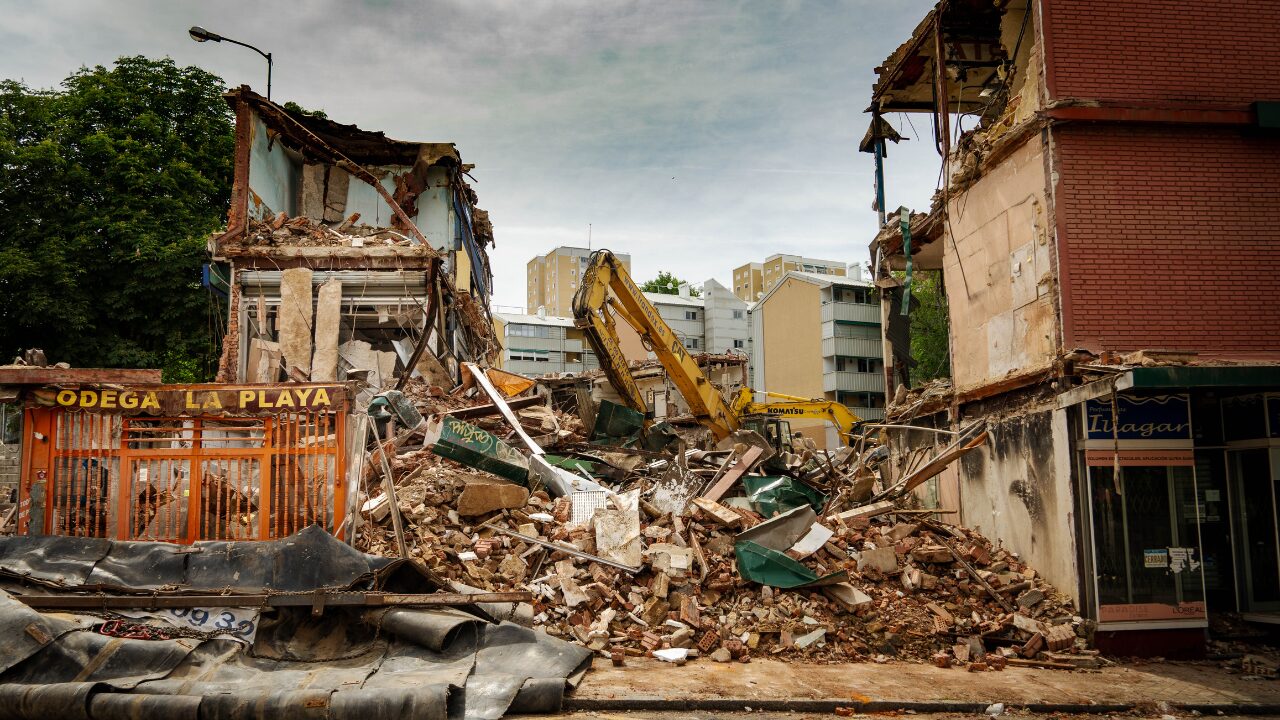
In This Article, You Will Understand What Construction Debris Is, The Classifications By Type Of Waste, And The Best Practices For Disposal According To Civil Construction Standards.
The civil construction sector is one of the largest generators of solid waste in Brazil. Among these wastes, construction debris stands out as the most abundant and also the most problematic when it comes to disposal and environmental impact.
The material results from activities such as construction, renovation, and demolition, and includes everything from concrete, bricks, and tiles to metals, plastics, and chemical products.
Inadequate disposal of this waste can lead to serious problems: soil and river pollution, clogged drains, increased proliferation of urban pests, and even risks to public health.
-
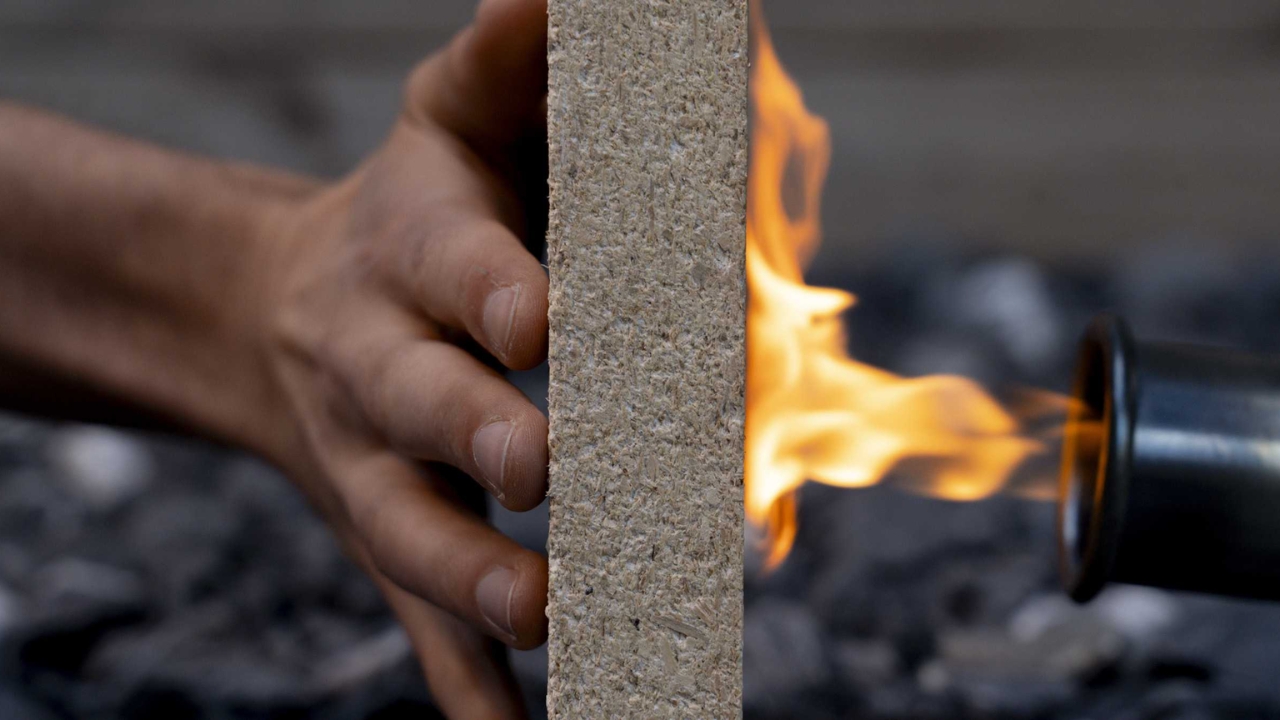
Scientists transform sawdust into fire-resistant panels, stabilize the compound with an enzyme extracted from watermelon seeds, and turn waste into promising material for construction.
-
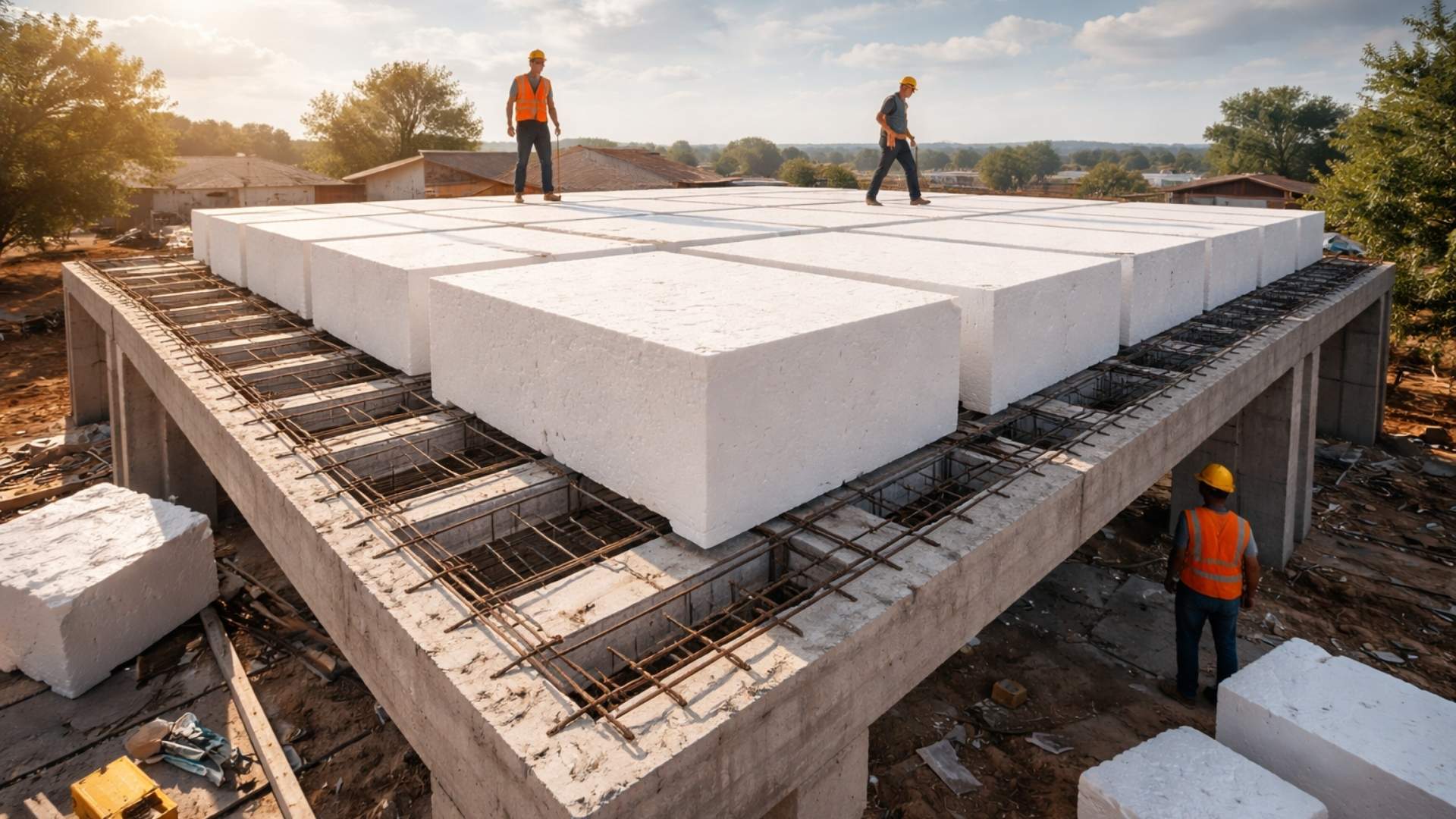
Forget concrete: architects are replacing tons of concrete with giant blocks of expanded polystyrene to build the roofs of houses and reduce structural weight by up to 50%, cut costs, improve thermal insulation, and speed up construction.
-
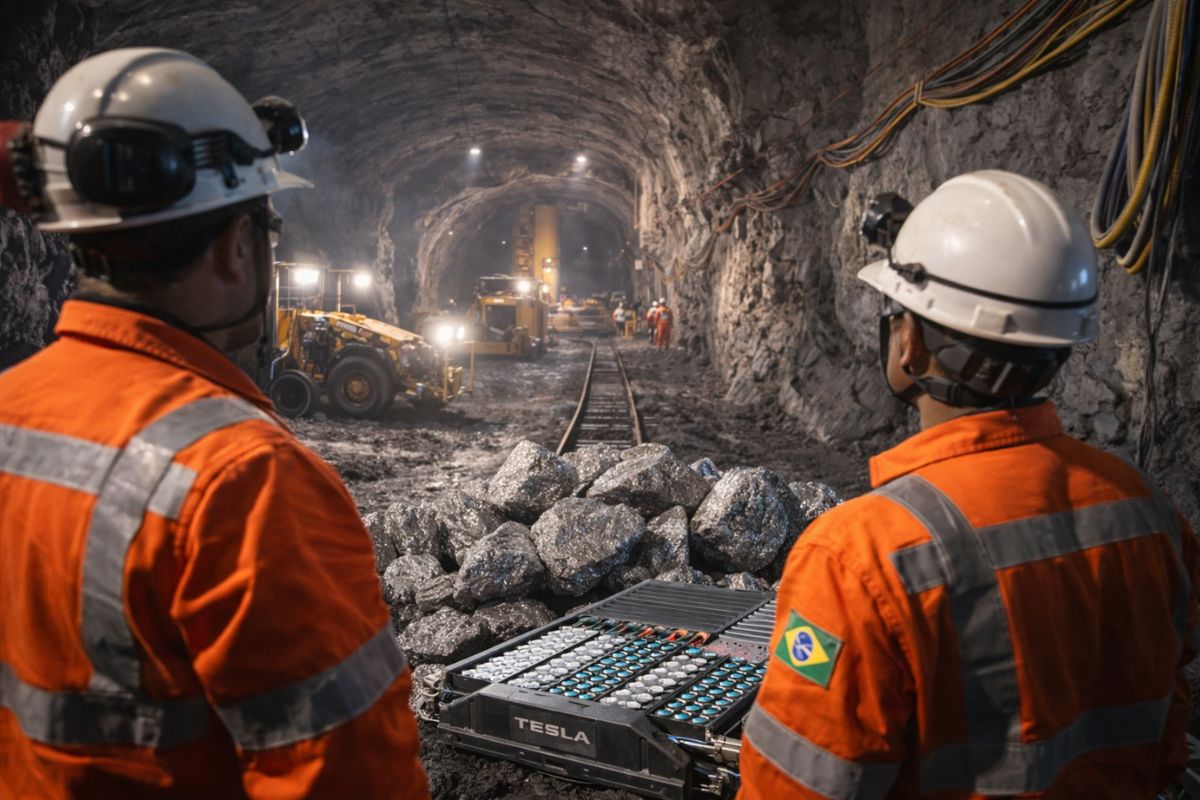
The Brazilian state enters the center of the global race for critical minerals by starting the construction of the largest underground nickel mine in Latin America, a mineral essential for electric car batteries that the entire world is competing for at this moment.
-
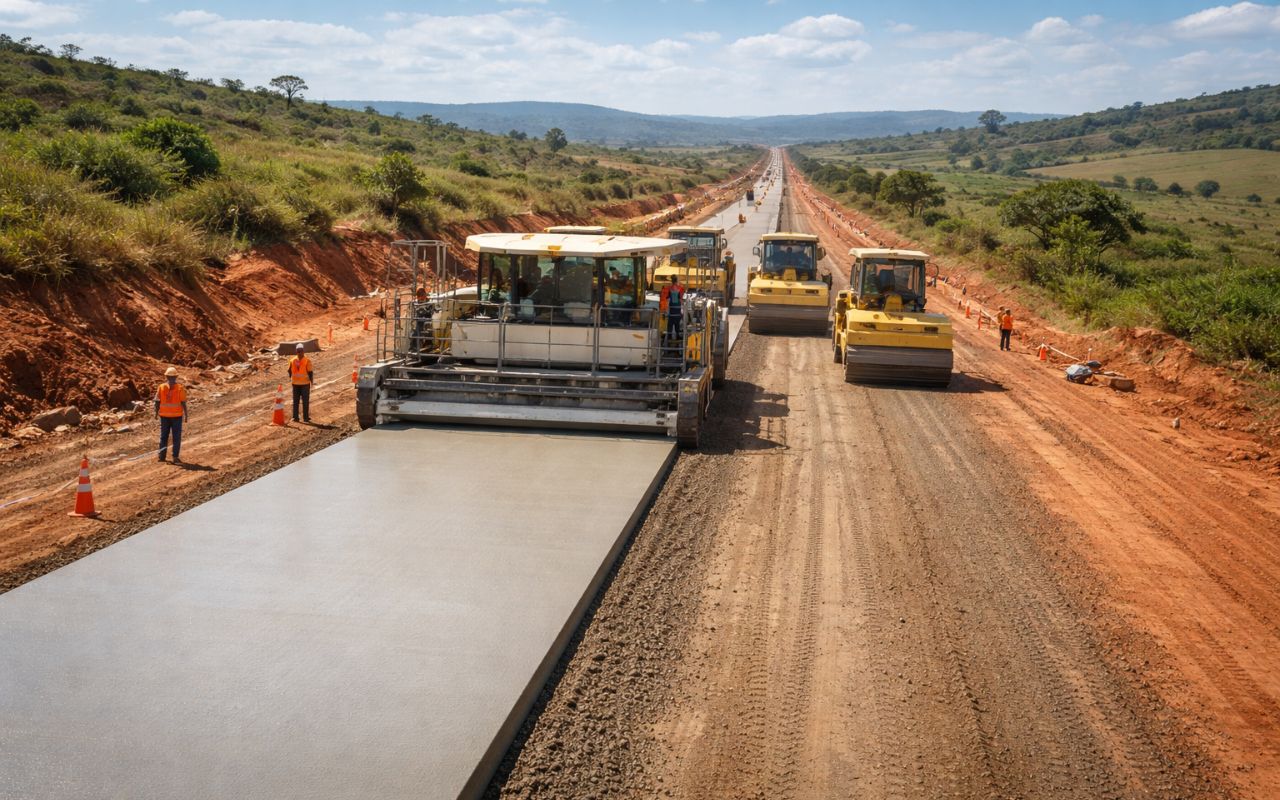
New CCR concrete paving technology promises roads up to 3x more durable, less maintenance, and cost reduction in Brazil.

However, when well managed, debris can be recycled, reused, and even generate cost savings for the companies involved in construction projects.
Classification Of Construction Waste: Debris Is Not All The Same
To facilitate the management and proper disposal of construction waste, construction debris is classified into four main categories:
Class A – Reusable And Recyclable
This group includes materials such as concrete, bricks, tiles, and mortar.
Because they are reusable, they can be crushed and used as a base for pavements or in new constructions, reducing the need for virgin raw materials.
Class B – Uncontaminated Recyclable
This category includes plastics, glass, metals, and wood. Although they cannot be directly reused in construction, they can be sent to recycling centers and transformed into new products.
Class C – Non-Hazardous Contaminated
Materials such as gypsum, paper, and cardboard are classified as Class C.
Although they are not considered hazardous, they need to go through specific processes before being discarded to avoid environmental contamination.
Class D – Hazardous
This is the type of construction debris that requires the most attention. Substances such as paints, solvents, oils, and other chemical products fall into this category.
Its disposal requires special treatment and must follow strict regulations to avoid compromising the environment or public health.
The Correct Disposal Path: Where To Start?
Correctly disposing of debris at a construction site is not only an environmental responsibility but also a legal requirement in many municipalities.
The good news is that there are several ways to fulfill this obligation practically and efficiently.
Planning Is Essential
The first step for adequate disposal is to create a waste management plan during the project planning phase.
Assessing what types of materials will be used and in what quantity helps to anticipate the volume of debris and the best way to separate it for reuse or disposal.
Recycling Stations And Collection Points
In several Brazilian cities, there are free collection points for construction waste.
These stations allow for the legal and safe disposal of debris, as well as encouraging the reuse of recyclable materials.
Containers And Specialized Services
For larger projects, hiring a specialized company for debris collection is an effective solution.
The company providing the container is responsible for transporting and properly disposing of the waste, which offers peace of mind for the project manager.
Applications Facilitate Logistics
With the advancement of technology, applications have also emerged that connect consumers to debris collection services.
These platforms not only speed up the process but also ensure that the waste is directed to licensed facilities, contributing to more sustainable management.
Benefits For Everyone: Savings, Sustainability, And Responsibility
Efficient management of construction waste not only protects the environment but also generates savings and enhances the image of companies in the sector.
By reusing materials and avoiding fines for improper disposal, construction projects become cheaper and more sustainable.
Additionally, companies and professionals who adopt best practices in debris disposal directly contribute to cleaner, safer, and more organized cities.
Construction debris may seem like just an inevitable byproduct of civil construction, but its impact is wide-ranging and lasting.
With planning, responsibility, and the use of the right tools, it is possible to turn this challenge into an opportunity to promote sustainability, efficiency, and environmental awareness.









Seja o primeiro a reagir!