





 Portuguese
  English
  Spanish
  3 min of reading
  0 comments


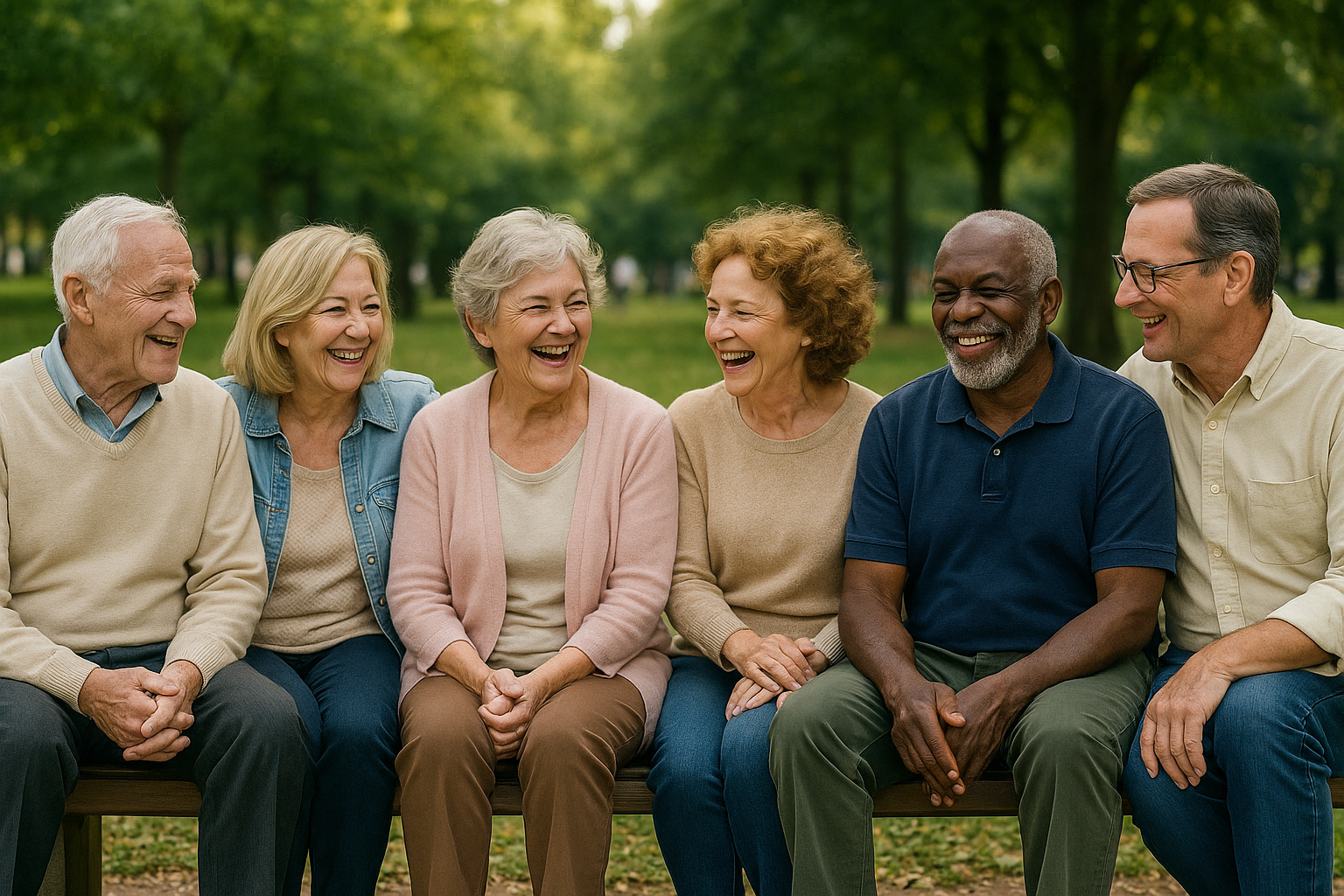
Brazil Expands Debate On Healthy Aging, Purpose And Social Participation Of The Elderly Population
The advancement of discussions on active aging in Brazil has rekindled a topic that has involved health experts, public managers, and pension institutions for decades, as the population over 60 is rapidly growing in all regions of the country. This debate gained traction especially this year when the Enem proposed the theme “Perspectives on Aging in Brazilian Society,” which increased the visibility of the subject on a national scale and stimulated reflections on quality of life and inclusion.
According to geriatrician Clóvis Cechinel, from the Health At Home program linked to the Curitiba City Hall, aging is a natural process and should not automatically be associated with a loss of vitality. He emphasizes that social prejudice still imposes a false incapacity on elderly people, although they continue to be capable of studying, working, creating projects, and accumulating valuable experiences, which becomes even more evident with the increase of public policies aimed at active aging.
Cechinel highlights that society needs to provide space for people over 60 to maintain dreams, goals, and objectives, regardless of cultural barriers. He reinforces that if an elderly person wants to start college or a new personal project, they should be encouraged and recognized as an integral part of the social cycle, because this encouragement directly contributes to autonomy and well-being.
-
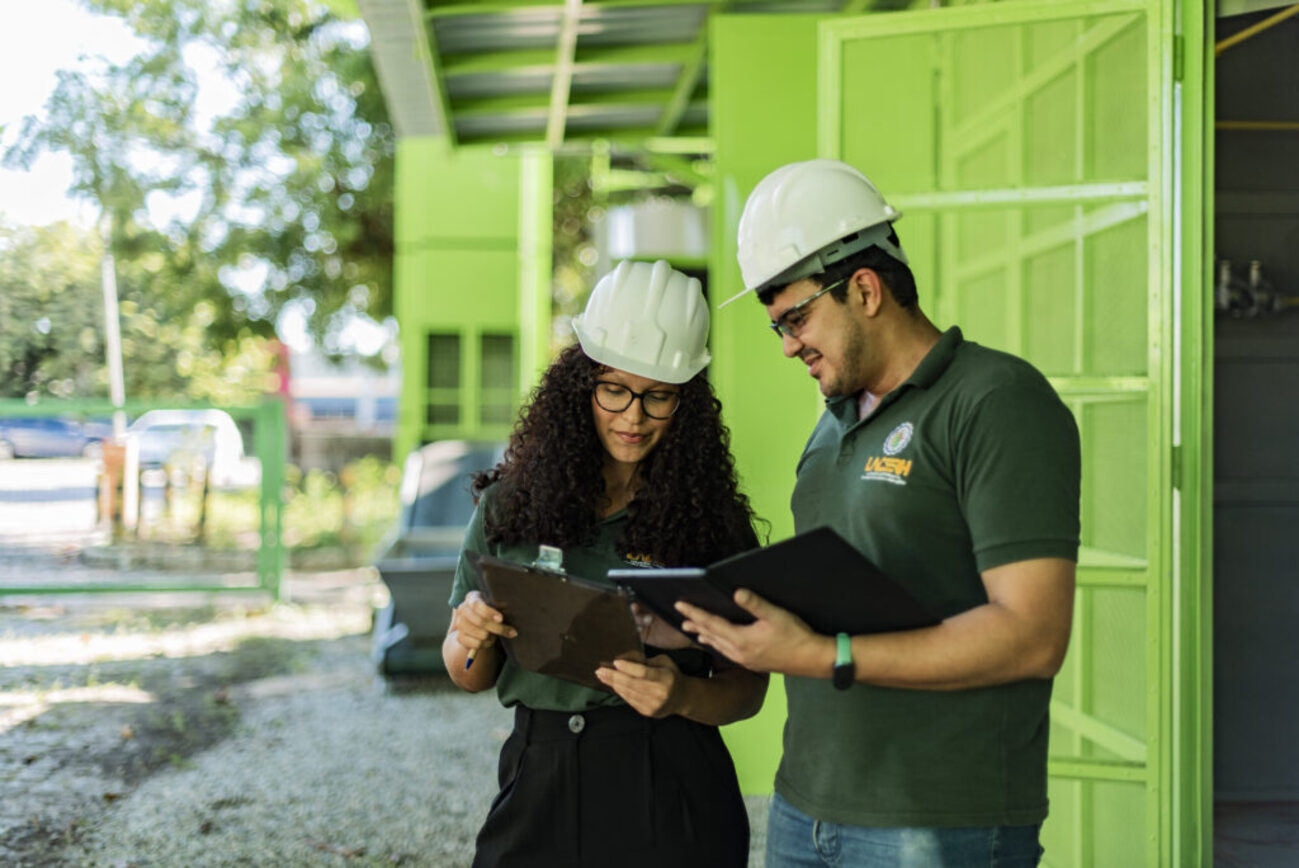
Revolution in the Northeast: Ceará accelerates investments in environmental technology and inaugurates an innovative plant that uses waste to promote sustainable sanitation.
-
Brazilian state reaches historic milestone in sustainability: Study reveals that nearly all the energy produced comes from clean sources and boosts the electric matrix of Minas Gerais.

-
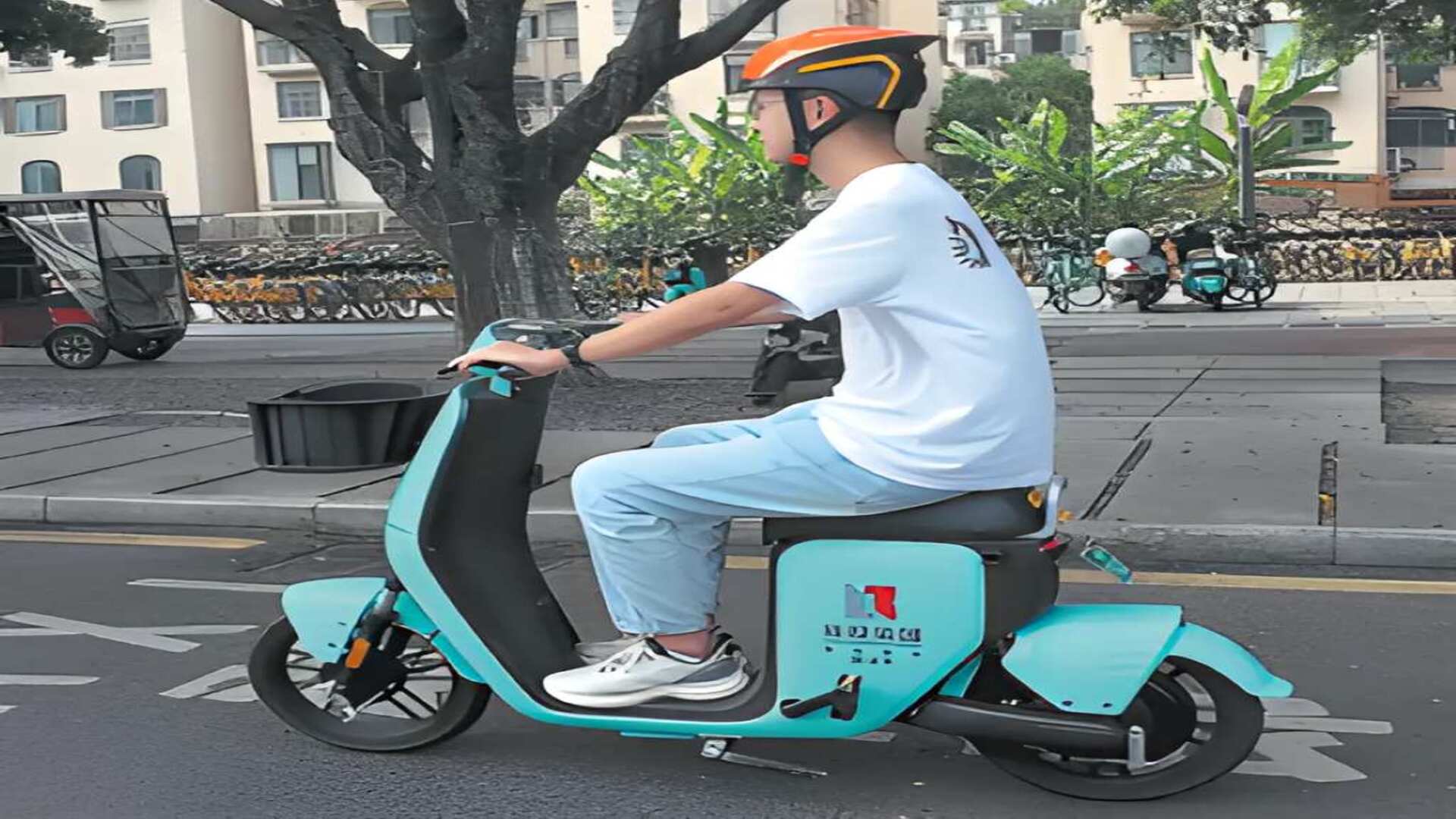
Chinese startup expands sustainable mobility with a fleet of 11,000 hydrogen bicycles and reaches millions of trips.
-
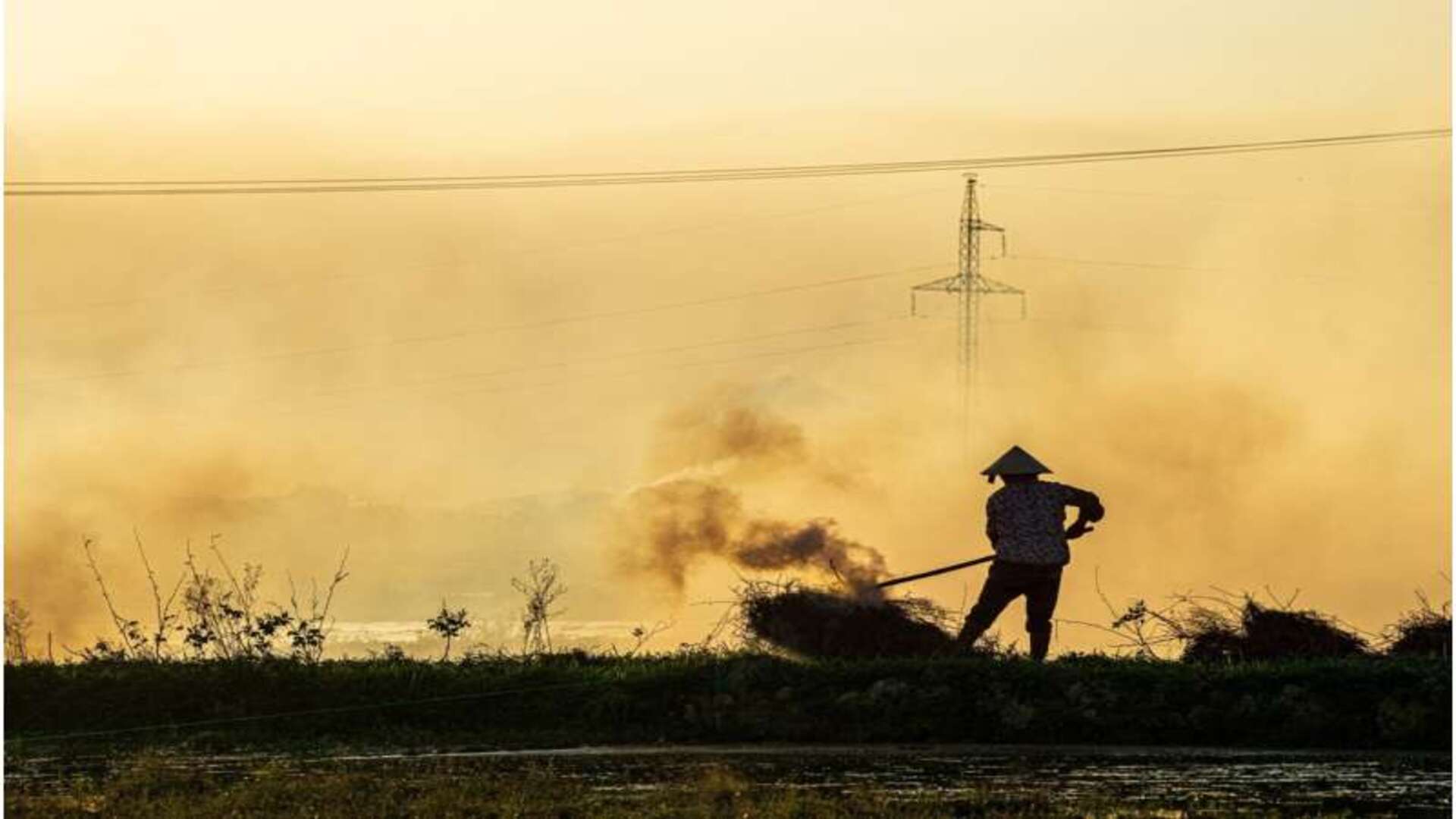
Extreme heat and drought waves are expected to afflict billions of people with a frequency five times greater by the end of the century!
In addition, municipal actions implemented since 2024, such as expanded access to Family Warehouses and enrollment at Unapi – Open University for the Elderly, strengthen public policies aimed at inclusion and well-being, according to data presented by the Curitiba City Hall throughout that year.
The doctor also reminds that social isolation increases emotional risks, while interaction with people of different ages fosters strong bonds and intergenerational exchanges, and this constant interaction expands social and emotional repertoire.
What Experts Advocate About Active Aging
Cechinel emphasizes that broad and continuous social interactions are essential to avoid isolation, strengthen bonds, and create diverse living environments. He states that people aged 30, 60, 70, and 80 should interact daily, which favors the exchange of knowledge, life stories, and experiences.
The doctor reinforces: “I cannot retire to stay at home; I have to retire to have projects”. According to him, maintaining activities and goals can positively influence longevity and quality of life, which is particularly evident when an elderly person maintains an active routine.
Programs That Stimulate Autonomy And Preparation For Retirement
The moment of retirement marks a stage that requires prior planning, as abrupt changes can affect emotional health and routine. Therefore, since 2024, the Institute of Social Security for Municipal Servants of Curitiba (IPMC) has coordinated the Permanent Program of Social Security Education, created to guide civil servants on financial organization, health care, and responsible choices.
According to the president of IPMC, Jocelaine Moraes de Souza, preparation involves multiple dimensions: physical health, emotional stability, and economic planning. The institute also maintains the New Life program, which brings together retirees and pensioners over 50, promoting socialization, exchanges of experiences, and talent development.
Reasons And Foundations That Support The Defense Of Active Aging
Cechinel reinforces that healthy aging depends on a combination of purpose, social interaction, and an active routine. He states that elderly people interacting with individuals from different generations create stronger relationships and expand their support network, which favors emotional health.
The specialist explains that aging with purpose prevents social withdrawal, stimulates autonomy, and contributes to a fuller life. He emphasizes that maintaining clear objectives strengthens daily motivation and reduces the feeling of isolation.








Seja o primeiro a reagir!