





 Portuguese
  English
  Spanish
  3 min of reading
  0 comments


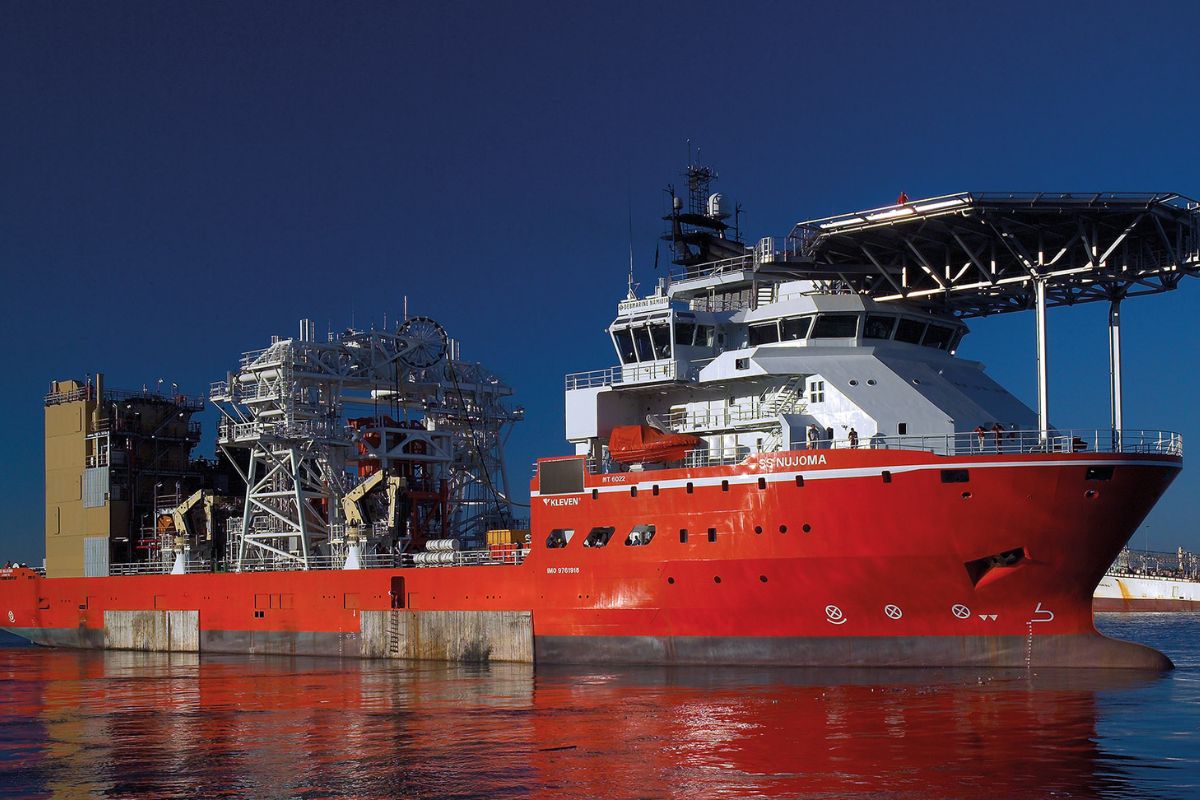
Forget The Mines On Land. The Future Of Diamond Hunting Is 140 Meters Deep, With Technology That Seems Like Science Fiction. Meet The Engineering Behind The World’s Most Advanced Gem Hunter.
When we think of diamond mining, the image that comes to mind is one of deep mines in Africa or Russia. But the land-based deposits are running out. That’s why the mining giant De Beers invested over 157 million dollars in a new frontier: the bed of the Atlantic Ocean, off the coast of Namibia. And for this treasure hunt, they built an unmatched tool: the exploration and sampling vessel SS Nujoma.
This is not an ordinary ship. It is a high-tech floating platform designed for a single mission: to operate a colossal robot that scours the ocean floor for diamond deposits. Let’s take a closer look at this impressive operation of deep-sea diamond mining.
How Does The Robot Know Where The Diamonds Are?
The diamonds mined from the sea were, millions of years ago, transported from the continents to the ocean by rivers. The currents deposited them in specific areas of the seabed, where they now lie under layers of gravel and sediment. The job of the SS Nujoma is to find these pockets.
-
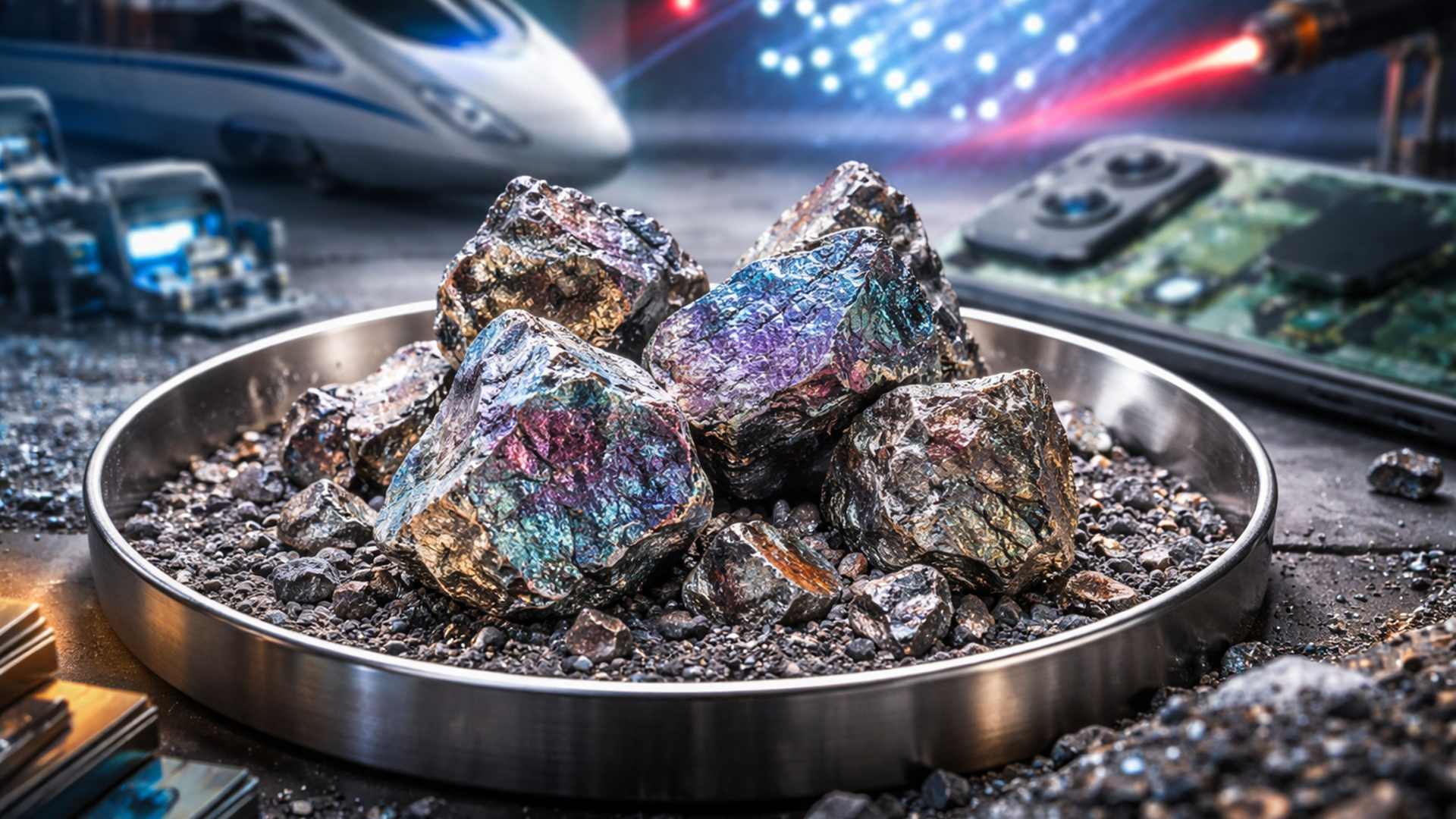
Rare earths are in everything, from cell phones to bullet trains, and what almost no one realizes is why they have become the target of such a delicate global war.
-
Brazil extracts 26.3 million tons of ore from what was previously treated as waste, transforming residues into wealth, producing over 3 million tons of sand, and demonstrating how national mining is relearning to generate value.

-
A $3.5 billion megaproject in Latin America pumps desalinated seawater at 1,050 liters per second over 194 km to keep a copper supermine in the Andes operational for another 20 years.
-
A hidden mine in the Andes valued at nearly R$ 1 trillion is starting to attract global attention, containing copper, gold, and silver, and raises an intriguing question: why do Argentina and Chile need to act together to exploit this gigantic wealth?
The process begins with mapping the seabed using sonars and autonomous underwater vehicles (AUVs) to identify promising areas. That’s where the robot comes into play. It does not detect the diamonds directly, but rather the gravel where they tend to concentrate. Equipped with drills and geophysical technology, the robot collects samples of the seabed for analysis. If the samples indicate a high concentration of diamonds, the area is marked for large-scale mining by other ships in the fleet.
The Engineering Of The ‘Monster’: The 285-Ton Robot
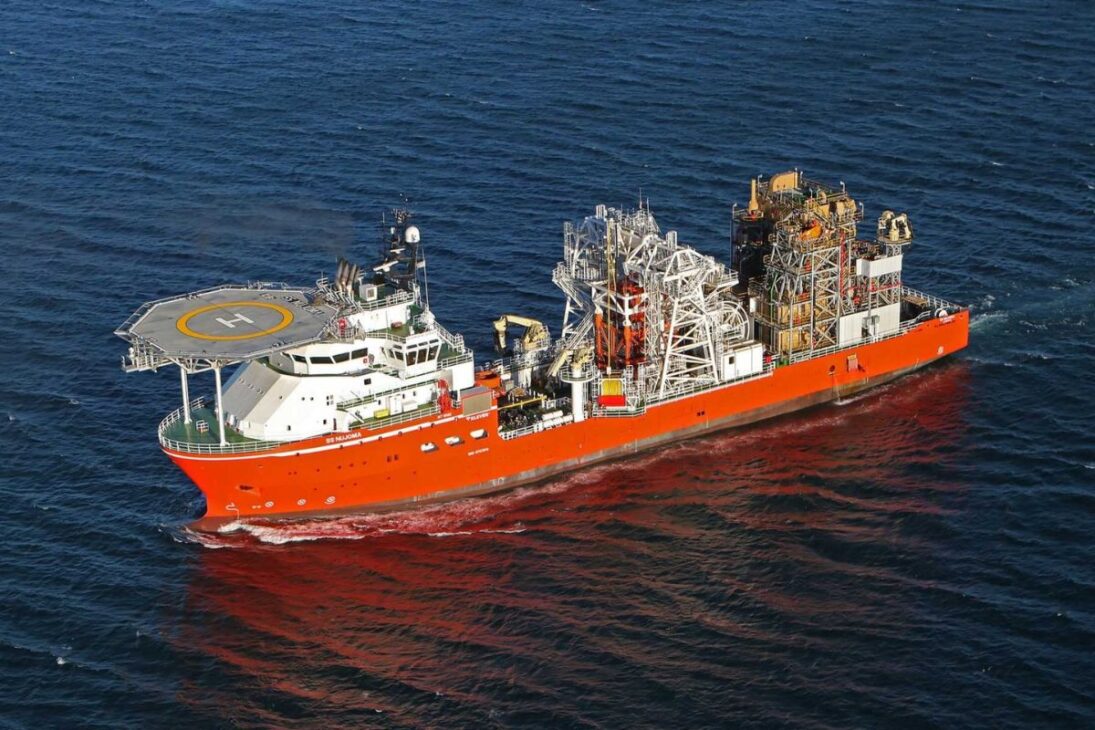
The centerpiece of the operation is the submarine mining robot. Weighing 285 tons and the size of a two-story house, this tracked vehicle is launched from the ship and descends to the ocean floor. It is designed to withstand the immense pressure of water, operating at depths ranging from 90 to 140 meters.
Its Operation Is An Engineering Marvel:
Positioning: The SS Nujoma uses a dynamic positioning system with thrusters to stay perfectly stationary over the mining point, even with strong waves and currents.
Crawling: The robot moves slowly across the seabed with its tracks, using a gigantic mechanical arm to “plow” the gravel layer.
Vacuum Technology: The main tool is a powerful suction system, essentially a colossal vacuum cleaner. It sucks tons of gravel, sand, and, of course, diamonds through a large-diameter flexible hose that connects it to the ship.
Is It Profitable To Mine In The Sea?

The answer is a resounding yes. Although the operation is extremely expensive, the quality and quantity of diamonds found on the ocean floor are exceptional. Since they have never suffered the fragmentation of land mining with explosives, marine diamonds are, on average, of higher quality and value. De Beers estimates that the underwater reserves off the Namibian coast are around 80 million carats, ensuring decades of operation. The SS Nujoma alone is capable of collecting samples that lead to the extraction of up to 1.2 million carats per year.
What Is The Impact On Marine Life?
This is the most critical issue surrounding underwater mining. De Beers claims that the process is carefully managed. The material that is suctioned to the ship goes through an onboard processing plant that separates the diamonds. About 98% of the material (sand and gravel) is returned directly to the seabed to minimize disturbance.
However, environmental organizations are warning about the risks, such as the destruction of habitats for organisms living on the seabed and the “sediment plume” – the cloud of particles that can suffocate marine life around the mining area. Continuous monitoring and strict regulation are seen as essential to ensure that diamond hunting does not cause irreparable damage to the oceanic ecosystem.
Is underwater mining the future of resource hunting or too great an environmental risk? What’s your opinion on this amazing and controversial technology?







Seja o primeiro a reagir!