





 Portuguese
  English
  Spanish
  4 min of reading
  0 comments


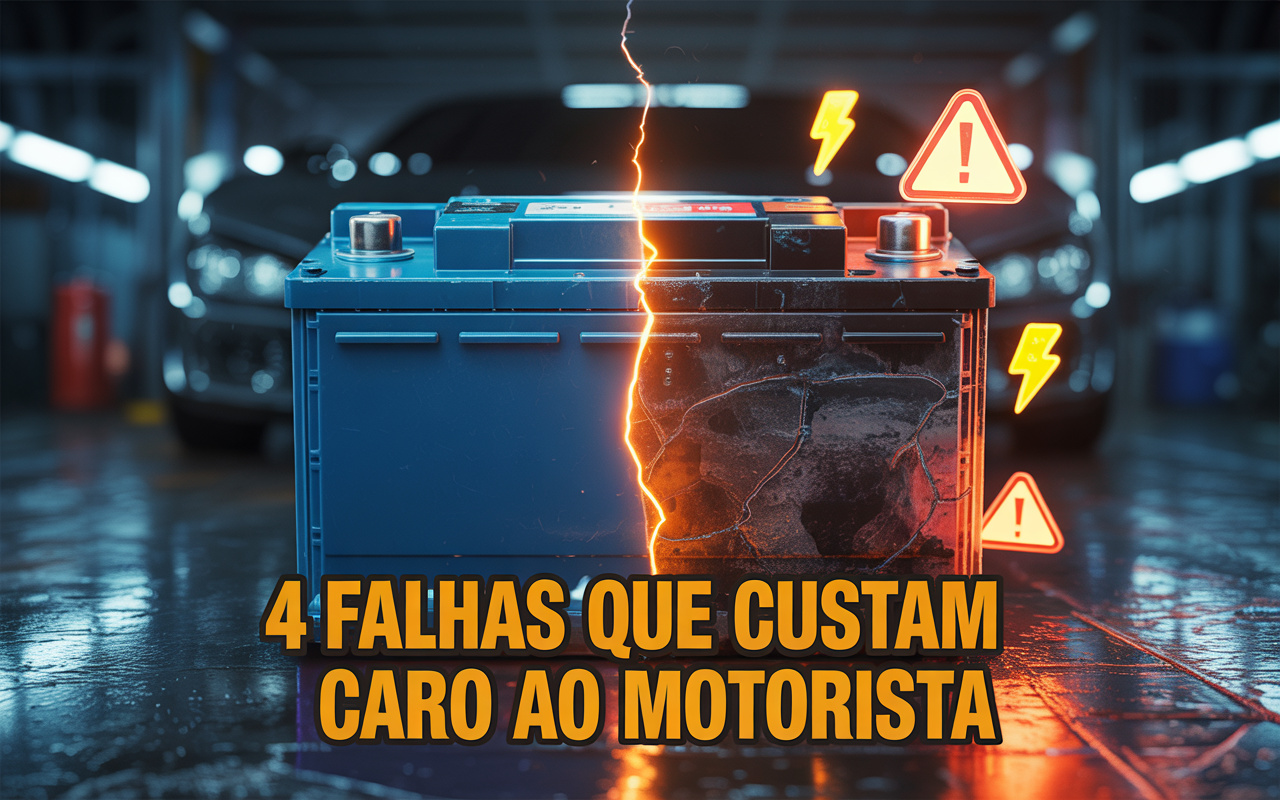
Using Sound With The Car Off, Leaving The Car Parked For Weeks, and Ignoring The Alternator Are Among The 4 Mistakes That Cut The Battery’s Lifespan In Half And Cause Sudden Electrical Failures.
The battery is the heart of the vehicle’s electrical system, responsible for powering everything from the electronic control unit to the ignition and starting system. But, according to manufacturers such as Heliar, Moura, and Bosch, more than half of the batteries replaced in workshops in Brazil still had enough charge to last but were damaged by the driver’s bad habits.
These mistakes—many made every day—reduce the battery’s lifespan by up to 50% and can cause sudden failures, especially in modern vehicles full of modules and sensors.
Next, experts explain four critical mistakes that destroy the battery without the driver noticing.
1. Using Sound, Headlights, and Accessories With The Car Off
This is the number one villain of automotive batteries. Listening to music with the car off, leaving headlights on, charging a phone, or using multimedia for long periods without the engine running quickly drains the charge.
The alternator only recharges the battery when the engine is running, and continuous electrical consumption without recharging causes it to enter a deep discharge, drastically reducing its lifespan.
-
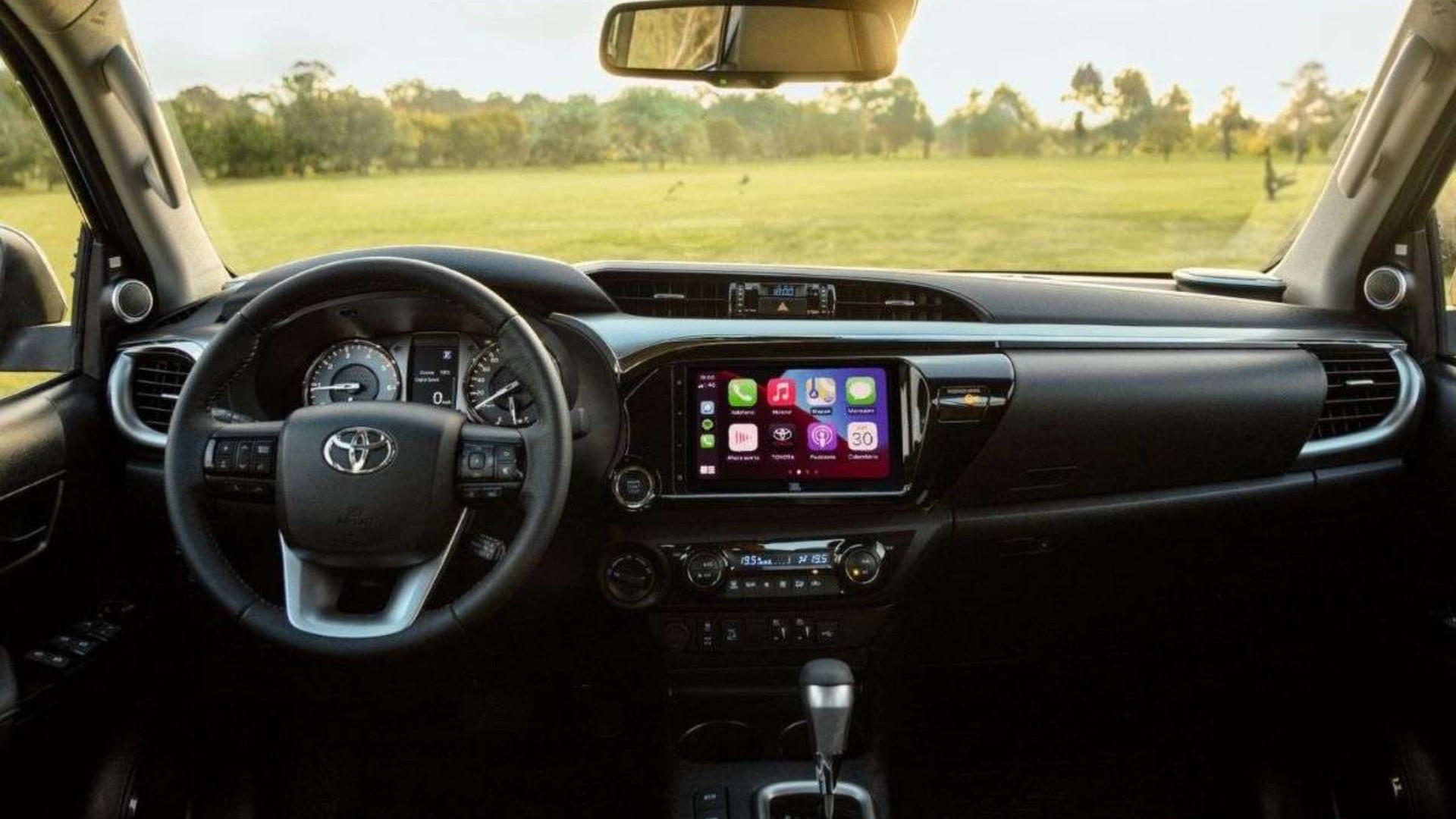
The Toyota Hilux is R$ 75.5 thousand cheaper and bets on the 2.8 turbodiesel engine with up to 204 hp and 50.9 kgfm to catch up with the VW Saveiro, which leads with 4,472 sales.
-
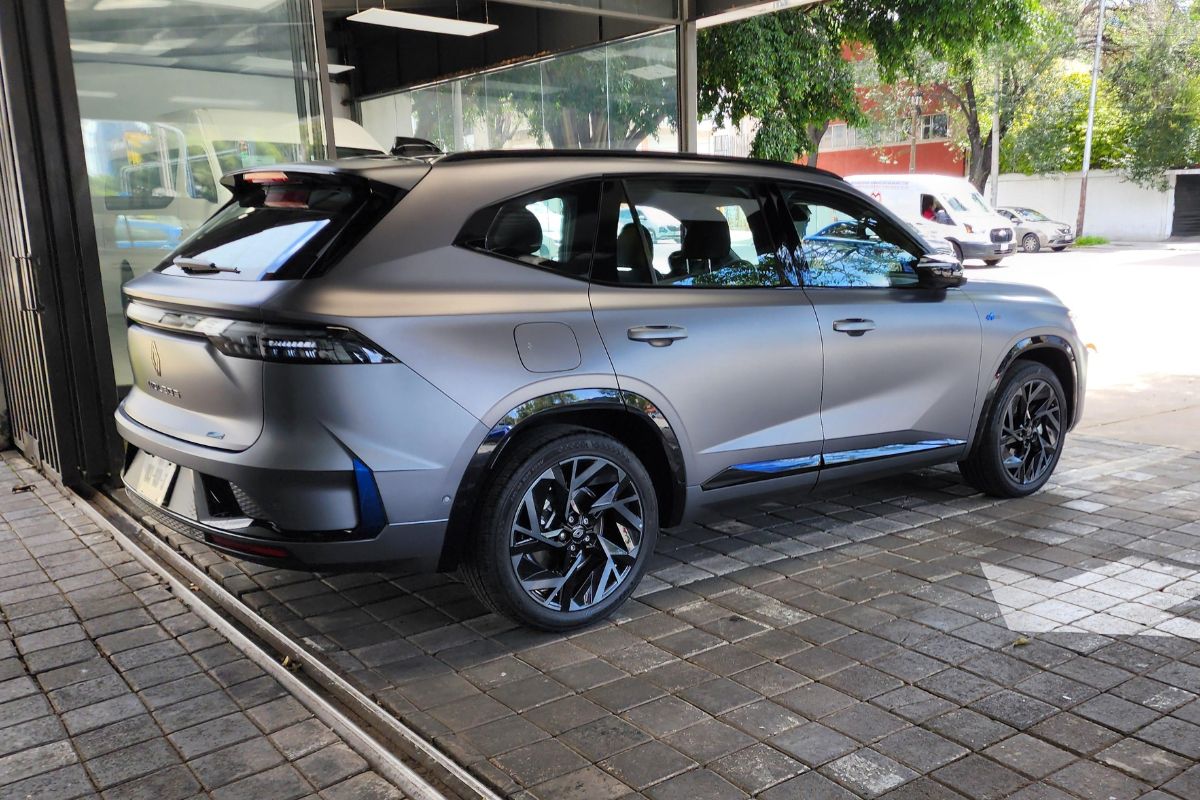
The new Renault Koleos has a screen exclusively for the passenger that is invisible to the driver, heated rear seats, and 29 assistance systems, but its Chinese competitors cost R$ 40,000 less and deliver more power.
-
The car stored for 38 years: when opening the barn door, what appears is breathtaking and looks like a scene from a movie!

-
Fiat works miracles in the Brazilian market, lowers the price of its 0 km hatch to R$ 69,990, reestablishes the model as the cheapest car in the country, and reignites the battle against Kwid and C3.




According to Moura, “each complete discharge cycle is equivalent to months of normal use.”
Additionally, the vehicle’s electronic system may record voltage drops and lose parameters, which affects even sensors and injection modules.
2. Ignoring The Condition Of The Alternator and Electrical Connections
The battery is merely the energy reservoir—what truly ensures electrical supply is the alternator. When the alternator fails, recharging is insufficient, and the car starts to run solely on the energy stored in the battery.
This causes the system to operate at its limits, and within days, the vehicle shows slow starts, battery warning light on, and intermittent electrical failures.
According to Bosch Automotive, it is essential to check the charge voltage every 10,000 km.
It should be between 13.8 V and 14.4 V with the engine running. Voltages outside this range indicate problems with the regulator or wear on brushes.
The preventive replacement of the alternator costs on average R$ 800 to R$ 2,000, much less than the loss from a total failure.
3. Installing Powerful Sound Systems, Alarms, or Accessories Without Reinforcing The Electrical System
Many drivers install high-power sound systems, trackers, and auxiliary lights without reinforcing the electrical circuit’s capacity. These components draw more current than the alternator can provide, forcing the battery to compensate for the demand. The result is internal overheating and sulfation of the plates, which drastically shortens its lifespan.
Heliar warns that “each additional circuit must be sized with relays, fuses, and appropriate cables.” Installing components directly onto the battery terminal is another serious mistake: in addition to compromising recharging, it can cause short circuits and fires.
The ideal is to seek a specialized automotive electrical shop to recalculate the consumption and install a more robust alternator if necessary.
4. Leaving The Car Parked For Long Periods Without Maintenance
Cars that sit for weeks—especially in closed garages—fall victim to the battery’s natural self-discharge. Even when off, the vehicle consumes energy to maintain safety modules, alarms, and clocks.
After 30 days of inactivity, the charge can drop below the minimum needed to start, and each total discharge causes irreversible damage to the internal cells.
The recommendation from Moura is simple: if the car will be parked, disconnect the negative cable or use a floating charger (charge maintenance).
In more modern vehicles, the ideal is to start the engine for 10 to 15 minutes each week to keep the system active.
The Cost Of Negligence
A regular automotive battery costs between R$ 600 and R$ 1,200, but the real problem is what comes next: electronic modules, alarms, and control units can be damaged by voltage fluctuations, raising the total repair cost to up to R$ 5,000.
The lifespan of a good battery should be 3 to 4 years, but with bad habits, many last no more than 18 months. The good news is that just changing small habits can prolong durability and prevent unexpected failures—because when the battery dies, it never chooses a good time.







-

-

6 pessoas reagiram a isso.