





 Portuguese
  English
  Spanish
  4 min of reading
  0 comments


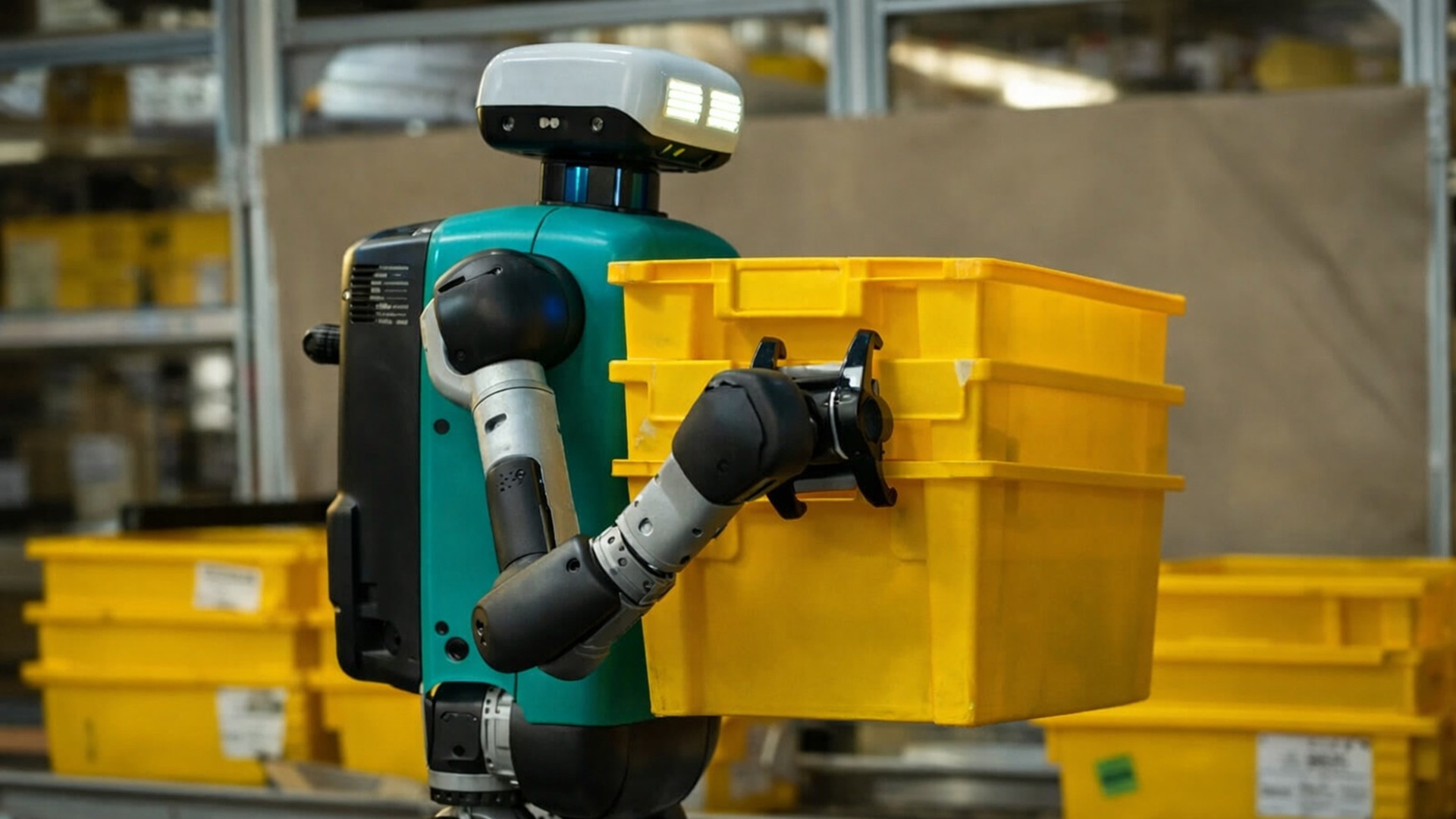
The American Company Agility Announced Rebranding and Expansion of the Use of the Humanoid Robot Digit, 1.75 M, Following Advances in Industrial Automation Amid Labor Shortage, a Scenario Marked by Over 400,000 Job Openings and Aging Workforce in the Manufacturing Sector
The advance of industrial automation gained new momentum after the American company Agility announced changes to its brand and strategy in response to the increasing labor shortage. The company revealed the decision through a video and an official post on its blog.
The company, based in Oregon, stated that it will remove the word “Robotics” from its name and adopt a new visual identity. The decision accompanies the company’s plans to expand into new sectors and applications of humanoid technology.
According to the announcement, the company intends to broaden its operations while continuing to develop humanoid robots. Agility also stated it is working to deliver its first cooperative and safe humanoid robot by 2026.
-
Scientists have finally discovered where the plastic that disappeared from the oceans went, and the answer is frightening: it fragmented into such tiny particles that they became invisible and now there are 27 million tons of nanoplastic just in the North Atlantic.

-
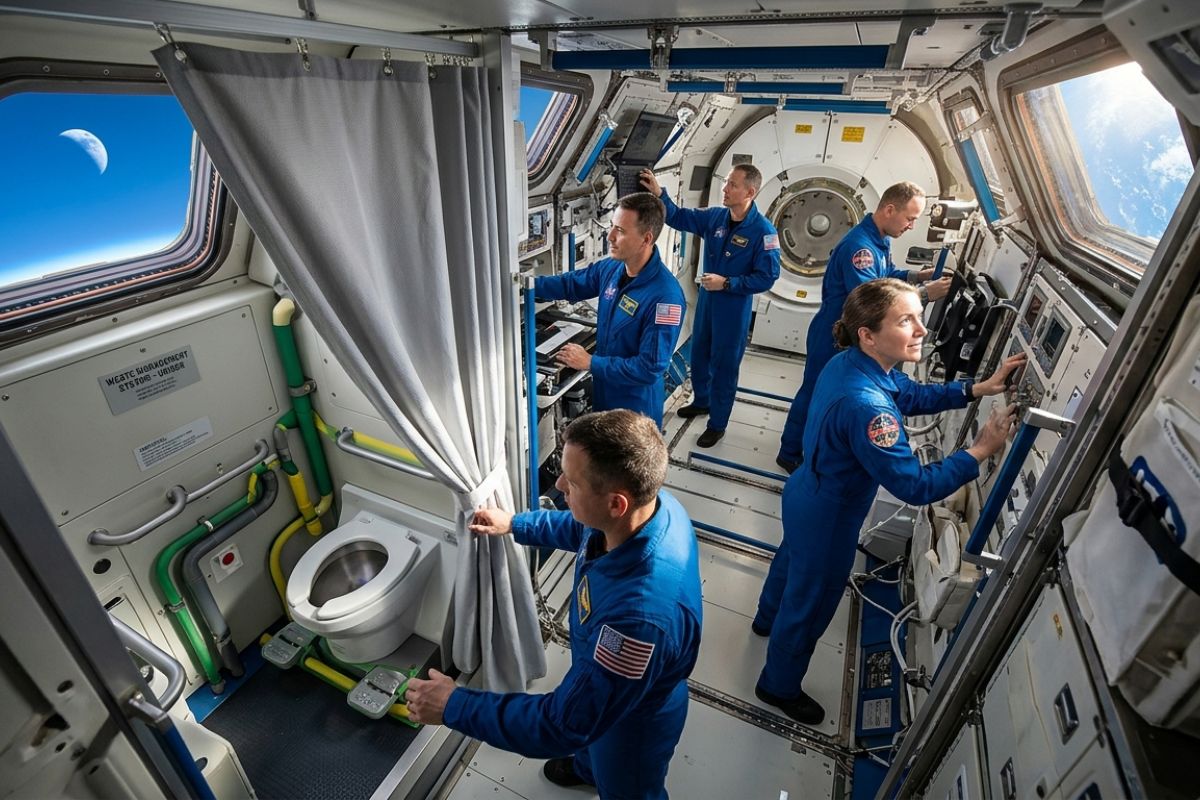
The Artemis II mission will take the Orion capsule back to the vicinity of the Moon with four astronauts, a private bathroom with a curtain, a system adapted for men and women, and a level of comfort that highlights how the Apollo era operated at the rawest limits of space exploration.
-
Giant structures on the seabed precisely control oil and reveal how high-tech underwater valves work.

-
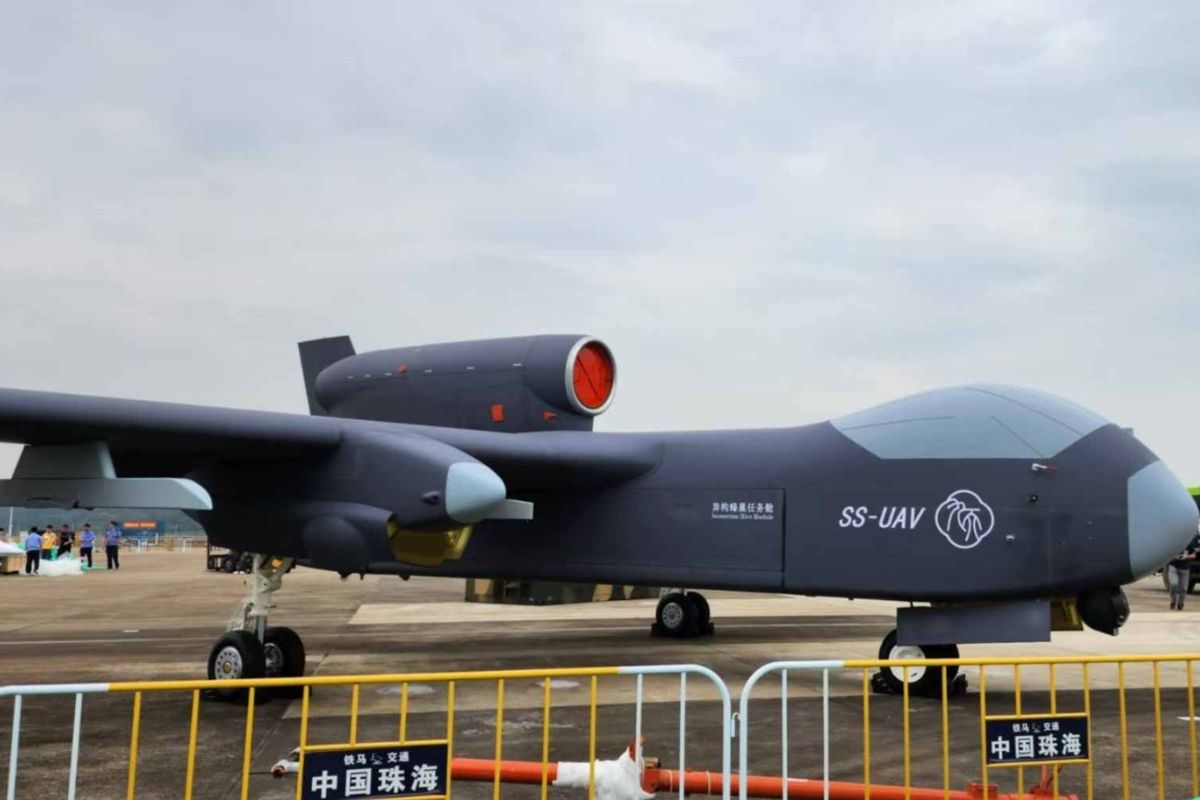
China has just tested a giant drone the size of a fighter jet with a wingspan of 25 meters that carries 6 tons, flies for 12 hours, and the most frightening part: it can launch entire swarms of smaller drones directly from the air.

Labor Shortage Drives Strategic Changes in the Company
The identity change was presented along with a new logo and an updated brand language. The redesign, according to the company, was directly inspired by the hardware and software it develops.
According to the company, the new logo was created to reflect movement, progress, innovation, reliability, and durability. The change also signals the intention to expand the adoption of humanoid robots in different industrial sectors.
Daniel Diez, the company’s business director, stated that the new brand represents the evolution of the technology developed by the company. According to him, the change also demonstrates that the company is prepared to expand partnerships and new uses for humanoids.
Diez stated that the name Agility symbolizes flexibility, progress, and resilience. According to him, these characteristics are essential for companies looking to integrate humanoid robots into real industrial operations.
Humanoid Robot Digit Emerges as a Direct Response to Labor Shortage
The humanoid robot Digit has already begun to be utilized in the market to address the labor shortage in industrial environments. The equipment is approximately 1.75 meters tall and was developed to perform repetitive physical tasks.
In November of last year, the robot achieved an operational milestone by moving 100,000 boxes in a GXO logistics center. This achievement demonstrated the technology’s ability to handle moving and transportation activities in warehouses.
By the end of 2025, the company has partnered with the fintech Mercado to use Digit for physically demanding tasks in its distribution network. This initiative is part of the company’s expansion plan into new logistics segments.
At the beginning of February, the automaker Toyota also began using the humanoid robot Digit in its warehouses. The company joined other Fortune 500 companies, including Amazon and Schaeffler, that have already adopted the technology.
Lack of Workers for Repetitive Tasks Concerns Manufacturers
According to Daniel Diez, manufacturers around the world are struggling to find workers for repetitive activities. The executive stated that the problem occurs especially in highly repetitive physical tasks.
In a conversation with Business Insider, Diez stated that many companies simply cannot find people to perform this type of work. The situation has led manufacturers to seek technological alternatives to maintain their operations.
Data from the U.S. Bureau of Labor Statistics indicate that, in December 2025, there were over 400,000 job openings in the country. This situation reflects the growing labor shortage in the industrial sector.
A survey conducted in 200 companies in 2024 also pointed out talent retention as a significant concern for the manufacturing industry. This problem contributes to the increased difficulty for companies in retaining skilled workers.
Aging Workforce Increases Pressure on the Sector
Another factor contributing to the labor shortage is the aging workforce in the manufacturing sector. Data from the Current Population Survey of the Bureau of Labor Statistics indicate that more than 25% of workers are 55 years old or older.
This group is nearing retirement, which is likely to further reduce the availability of workers in the sector in the coming years. The scenario reinforces the need for new solutions to maintain industrial production.
According to Diez, initiatives aimed at bringing production back to the United States are also expected to increase demand for workers. He stated that industrial reshoring will require a combination of human labor and technological automation.
According to the executive, domestic production will only be viable with the integration of people and robots. In this context, the expansion of the humanoid robot Digit in real industrial environments becomes a central element in the company’s strategy.
The long-term trajectory of Agility, according to the executive, will depend on the ability to broaden the use of Digit in different sectors. The goal is to directly respond to the challenges posed by the labor shortage in the global industry.









-

2 pessoas reagiram a isso.