





 Portuguese
  English
  Spanish
  2 min of reading
  0 comments


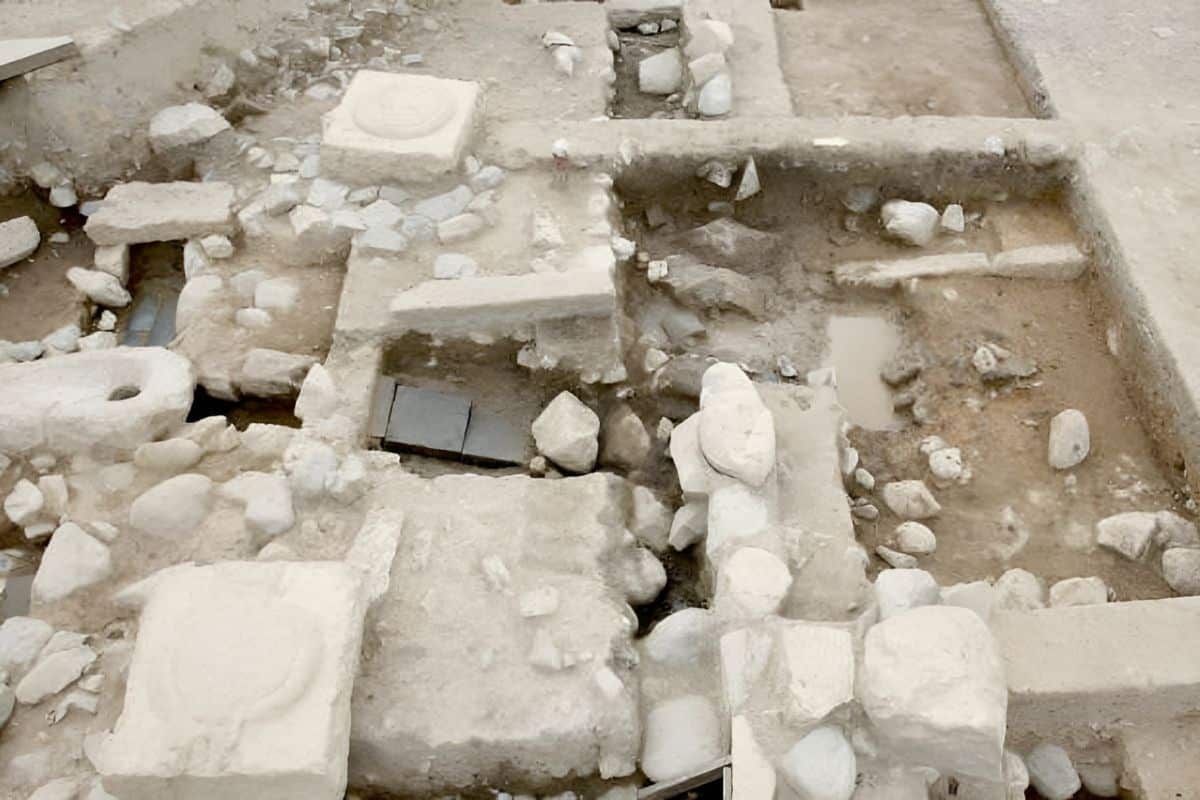
Archaeological Discovery Reveals 1,300-Year-Old Toilet in Korean Palace, Highlighting the Development of Hygiene Systems in Antiquity
A 1,300-year-old toilet was found in an ancient palace in South Korea. The discovery suggests that the elite of the Silla Dynasty (57 BC–935 AD) already had an advanced sanitation system. The object may have been used by royal heirs of the time.
Royal Bathroom Reveals Advanced Infrastructure
The excavation was conducted by the National Research Institute of Cultural Heritage in Gyeongju. The bathroom, located in the ancient palace of the crown prince, is one of the oldest known flushing systems. It consisted of a stone slab with a carved hole connected to a sewage system.
Researchers highlight that this finding indicates a level of sophistication that was poorly documented at the time. The system used drainage channels to dispose of waste, reserving the use of water for cleaning.
-
The village where two rivers run side by side without mixing in Santarém and Alter do Chão reveals some of the most beautiful freshwater beaches on the planet.

-
Brazil’s nuclear submarine with a speed 5 times greater than normal advances after nearly 50 years and R$ 40 billion spent.

-
A Brazilian island charges R$ 0.50 to receive visitors and prohibits any new residents.

-
Why was the Great Wall of China built? The truth that many are unaware of!


Flushing Technology Indices in the Silla Dynasty
The discovery reinforces the idea that Korean elites were already concerned with sanitation and hygiene. Until now, there was little evidence of sanitary facilities in Silla palaces.
Experts believe that the bathroom was exclusively for royal use, as access to such structures was restricted to court members.
The technology employed resembles systems found in the Roman Empire, indicating that Koreans may have developed similar solutions independently.
System Operation
Unlike a modern toilet, the system found operated by gravity. Water was manually poured to carry waste through the drainage channels.
Archaeologist Jeon Joon-oh, who participated in the excavation, highlighted that the find challenged previous assumptions about the technological advancement of the Silla Dynasty. According to him, the structure reveals a level of urban planning far beyond what was previously imagined.
Human Waste May Reveal Royal Habits
Inside the toilet, researchers examined evidence of human waste. Samples are being studied to understand the diet and health conditions of the aristocracy at the time.
Similar discoveries in other parts of the world have revealed details about ancient diets and diseases. If successful, the analysis could provide information about what Silla nobles ate and whether they suffered from parasitic infections.
With information from Daily Galaxy.







-

5 pessoas reagiram a isso.