





 Portuguese
  English
  Spanish
  4 min of reading



The ESG Agenda Is No Longer a Fleeting Trend and Has Become a Structural Position in Brazilian Business Strategies.
In recent years, companies from various sectors have incorporated environmental, social, and governance criteria as an essential part of their business models. This movement not only persists but strengthens, even in a challenging economic scenario.
According to the latest edition of the International Business Report (IBR), a quarterly survey conducted by Grant Thornton, Brazilian companies remain committed to ESG. The survey gathers insights from over 4,000 business leaders in 35 countries, providing a comprehensive view of global and regional corporate priorities.
According to the study, sustainability and corporate responsibility continue to be among the main strategic pillars for company growth in Brazil. This result indicates maturity of the ESG agenda in the country, which is no longer solely dependent on external pressures but integrates long-term internal decisions.
-
6 sources of free fertilizer that you are throwing away every day and can transform your garden without spending anything.

-
With a water crisis on the radar, Sabesp invests in reclaimed water for data centers and transforms sewage treatment into a solution that saves millions of liters and protects public supply.

-
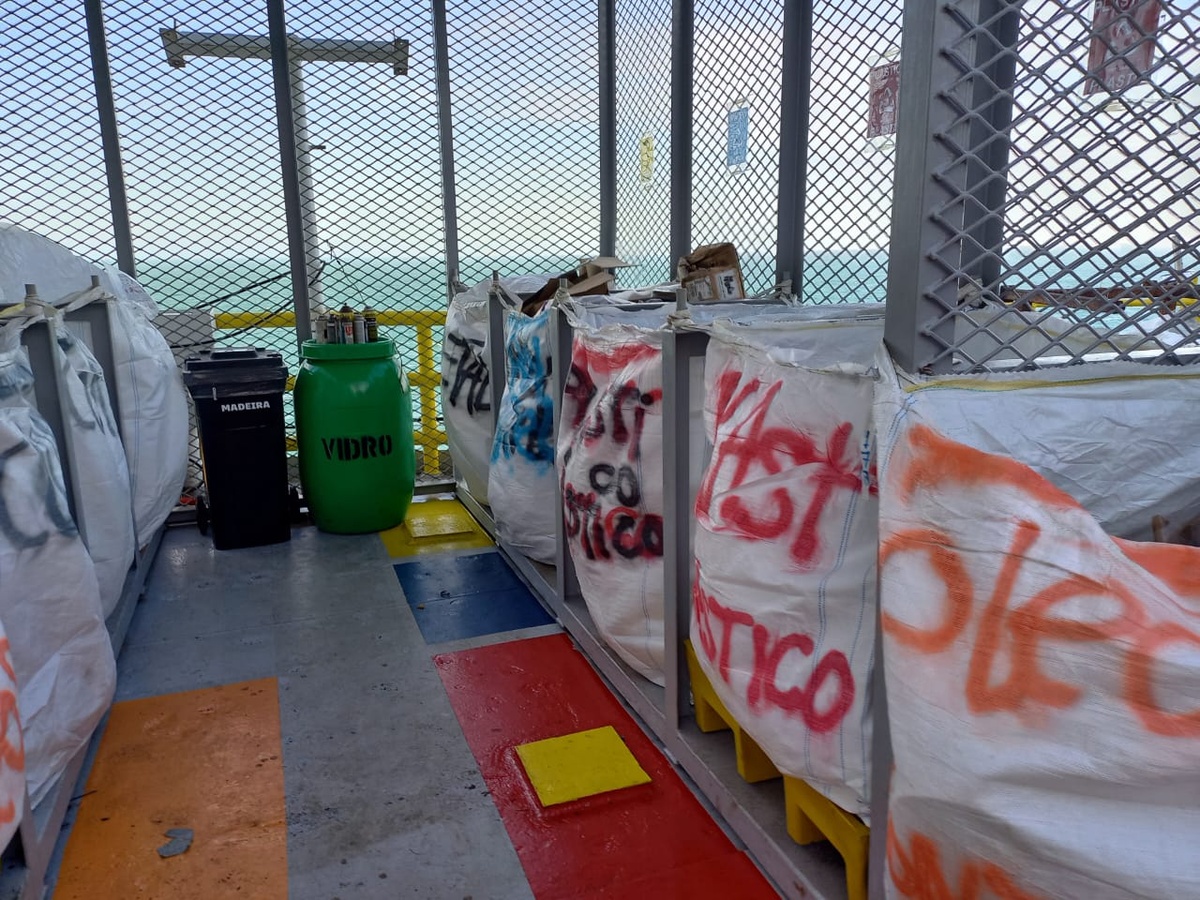
Foresea achieves 100% offshore waste reuse in 2025, eliminates landfill disposal, and consolidates sustainable strategy with 1,500 tons recycled.
-
With earth, bamboo, straw, and lime mortar, a specialist builds a house for just over $460 and draws attention for its cost being much lower than traditional construction.




ESG and the Evolution of Business Strategy in Brazil
To understand the relevance of this scenario, it is important to observe the historical trajectory of ESG in the Brazilian corporate environment. Until the early 2010s, environmental and social initiatives were often limited to specific actions or departments. However, with the advancement of global discussions on climate, governance, and social impact, the topic began to gain traction in strategic decision-making.
According to the United Nations, the consolidation of the ESG concept occurred alongside the strengthening of international commitments, such as the Sustainable Development Goals launched in 2015. Since then, companies have been held accountable not only for financial results but also for their contribution to society.
In Brazil, this movement has intensified in recent years. Issues such as climate change, diversity, transparency, and corporate ethics have begun to influence access to capital, reputation, and relationships with consumers. Thus, ESG has shifted from being a cost to a strategic investment.
Sustainability as a Driver of Growth
The data from the International Business Report reinforce this perception. According to Grant Thornton, Brazilian business leaders see sustainability as a factor directly linked to business growth. This perspective represents a significant shift, as it connects ESG to the creation of economic value.
Moreover, sustainable practices help companies reduce operational and regulatory risks. In an environment with increased scrutiny and demand for transparency, organizations with solid governance and clear environmental policies tend to show greater resilience.
Another relevant point is the attraction of investments. According to reports from the World Bank and global financial institutions, ESG criteria increasingly influence capital allocation decisions. Companies aligned with the ESG agenda access financing on better terms, enhancing their competitiveness.
The Role of Governance and the Social Factor
While the environmental pillar receives significant attention, Grant Thornton’s study indicates that Brazilian companies are also making progress in social and governance aspects. The ESG agenda is becoming increasingly integrated, reflecting a systemic view of business.
In the social realm, topics such as diversity, inclusion, and talent development gain relevance. According to experts in corporate management, companies that invest in human capital have a greater capacity for innovation and adaptation.
In terms of governance, transparency, compliance, and ethics continue to be priorities. In a country historically marked by institutional challenges, strengthening governance practices becomes a competitive differentiator and a credibility element in the market.
ESG and the Current Economic Context
Even in the face of global economic uncertainties, the commitment to ESG persists. According to Grant Thornton, this data reveals that Brazilian companies do not view the agenda as something circumstantial. It is part of a long-term strategy, aimed at the sustainability of the business itself.
Additionally, consumers and business partners exert increasing influence. Companies that demonstrate a genuine commitment to ESG tend to build stronger and more lasting relationships. This factor becomes even more relevant in global value chains, where social and environmental standards are increasingly demanded.
ESG as a Foundation for Corporate Future
When observing the results of the International Business Report, it becomes clear that ESG has solidified as a central element of business planning in Brazil. It is no longer a parallel agenda but a core axis guiding strategic decisions, investments, and risk management.
According to Grant Thornton, this trend is expected to continue in the coming years as regulatory pressures, societal expectations, and environmental challenges intensify. Companies that genuinely integrate ESG tend to fare better in this scenario.
Thus, the commitment of Brazilian companies to ESG signals a structural transformation. Sustainability ceases to be merely a discourse and begins to shape corporate growth, reinforcing the idea that financial performance and responsibility go hand in hand in an increasingly demanding market.









Seja o primeiro a reagir!