





 Portuguese
  English
  Spanish
  3 min of reading
  0 comments



Tariff Imposed by Donald Trump Slashes Brazilian Coffee Exports by 47%, Pressures International Prices, and Forces Sector to Seek New Markets
The tariff imposed by the government of Donald Trump on Brazilian coffee exports has created strong pressure in the market. The immediate result was an increase in price volatility, particularly in futures contracts. In just one week, the accumulated losses reached almost 3%.
In this scenario, exports to the United States fell by 47% between August 1 and 25, according to data mentioned by Haroldo Bonfá, director of Faros Consulting.
He recalls that the impacts are felt not only on the New York Stock Exchange but also in London, where rumors and facts directly interfere with business.
-
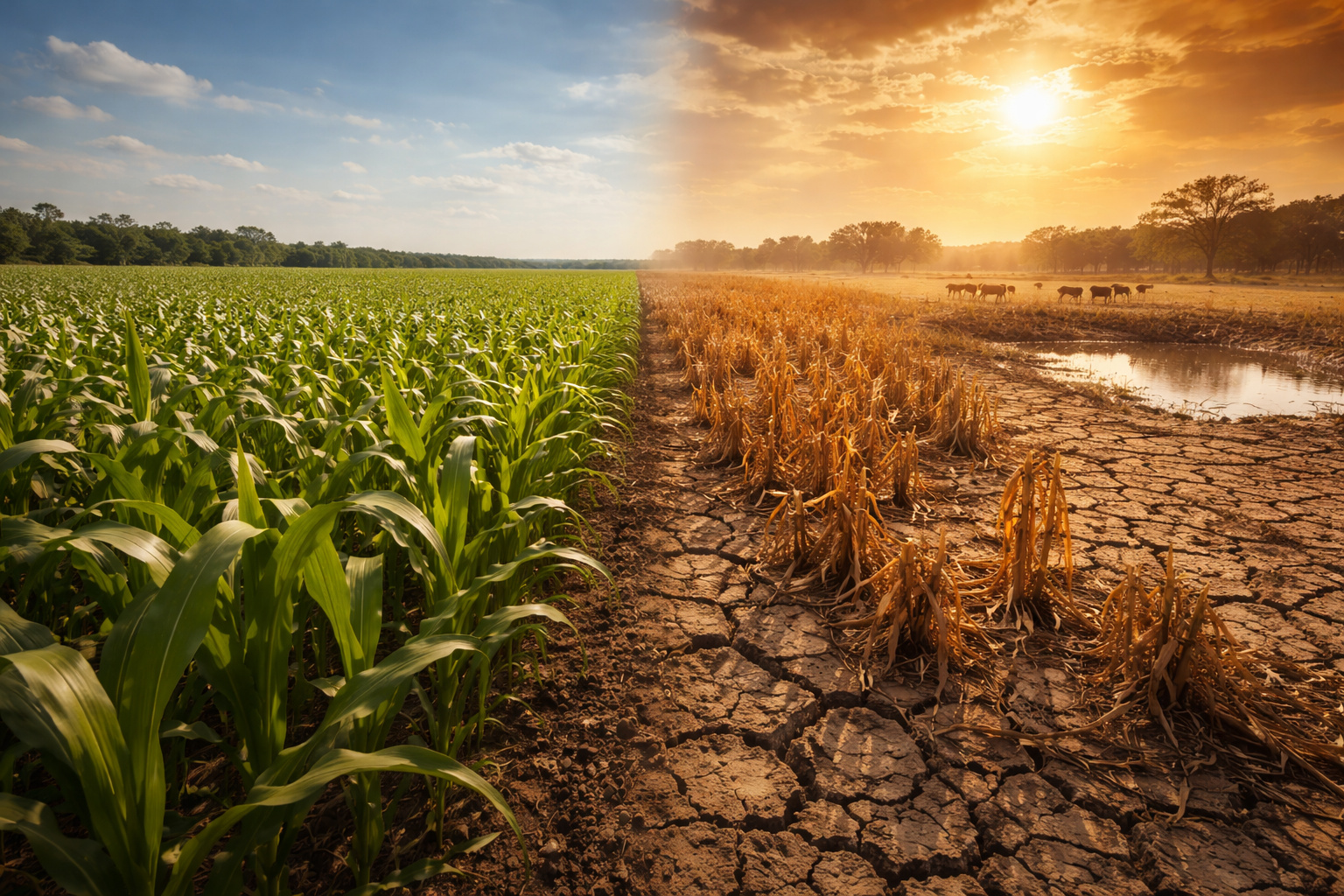
Extreme heat is already invading crops, reducing productivity and putting pressure on livestock, fishing, and forests worldwide, and data from the FAO shows that the increase in temperatures has shifted from being a climate risk to a direct threat to global food production.
-
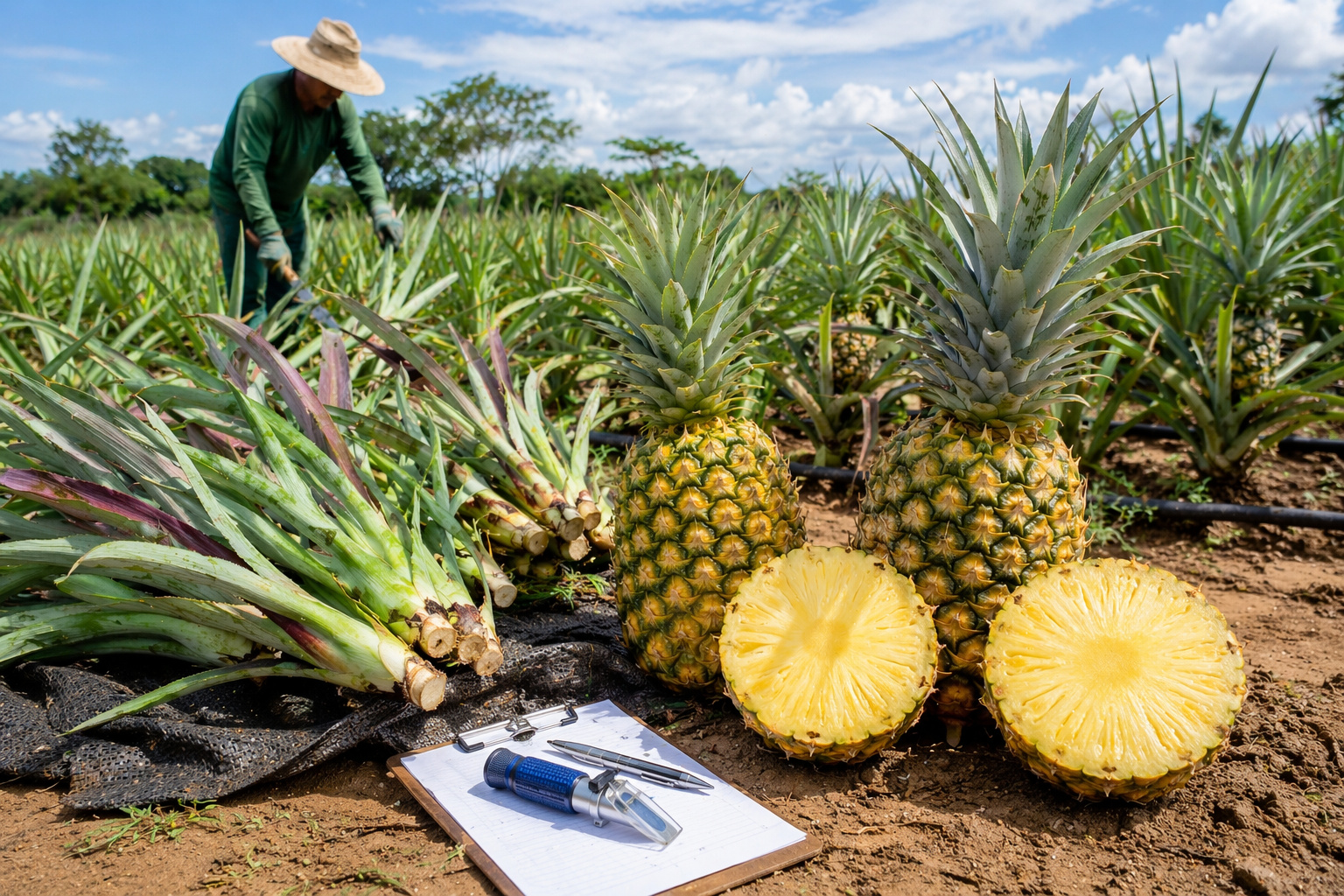
Spine-free pineapple, sweeter and more resilient: Mato Grosso develops new cultivars that promise to reduce losses from fusariosis and increase productivity in the field.
-
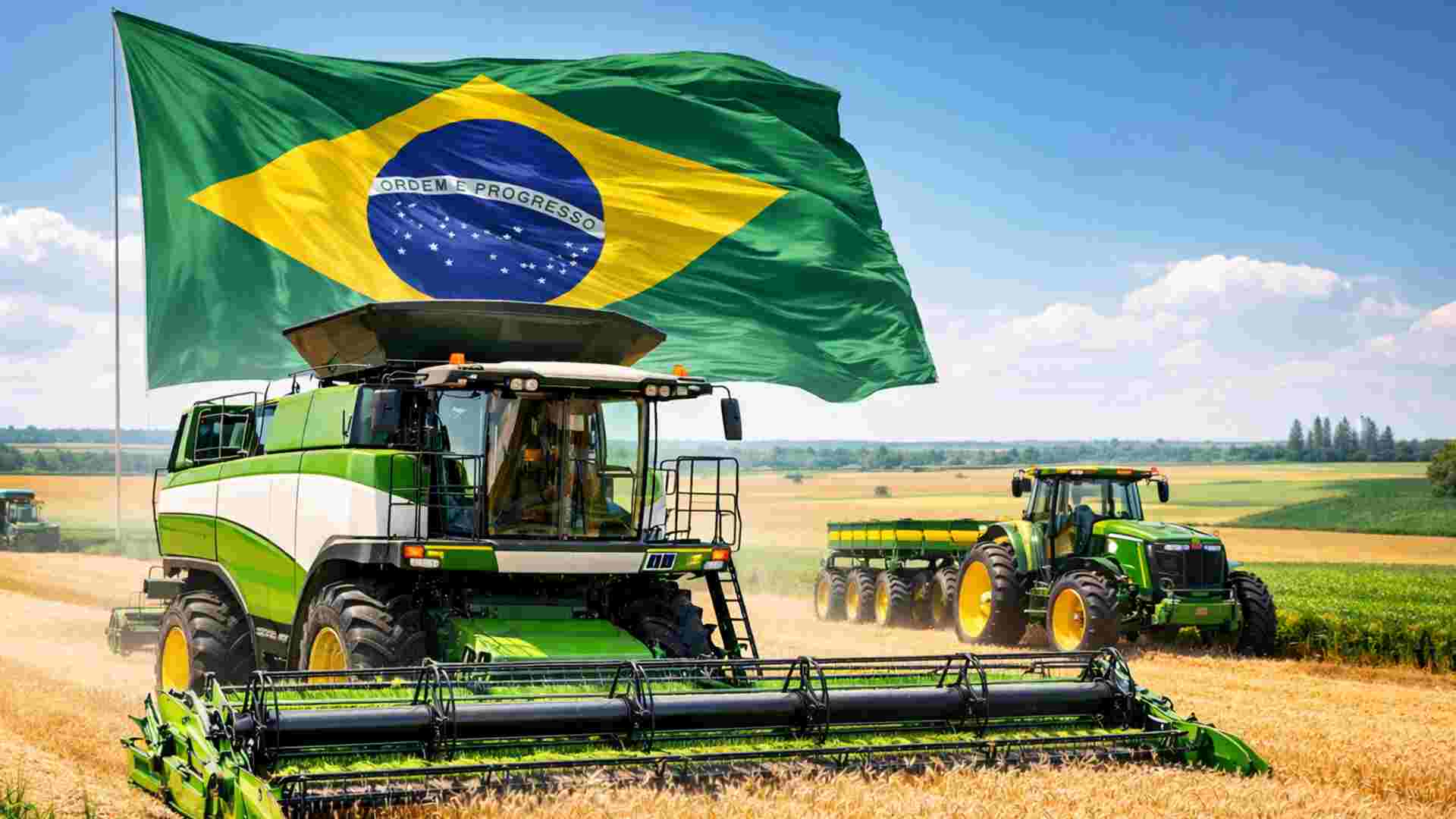
BNDES releases R$ 129 million for CNH Industrial Brazil to create more modern agricultural machines, with eight projects that include harvesters, accessible tractors, and a planter capable of applying seeds, fertilizers, and inoculants all at once in the Brazilian field.
-
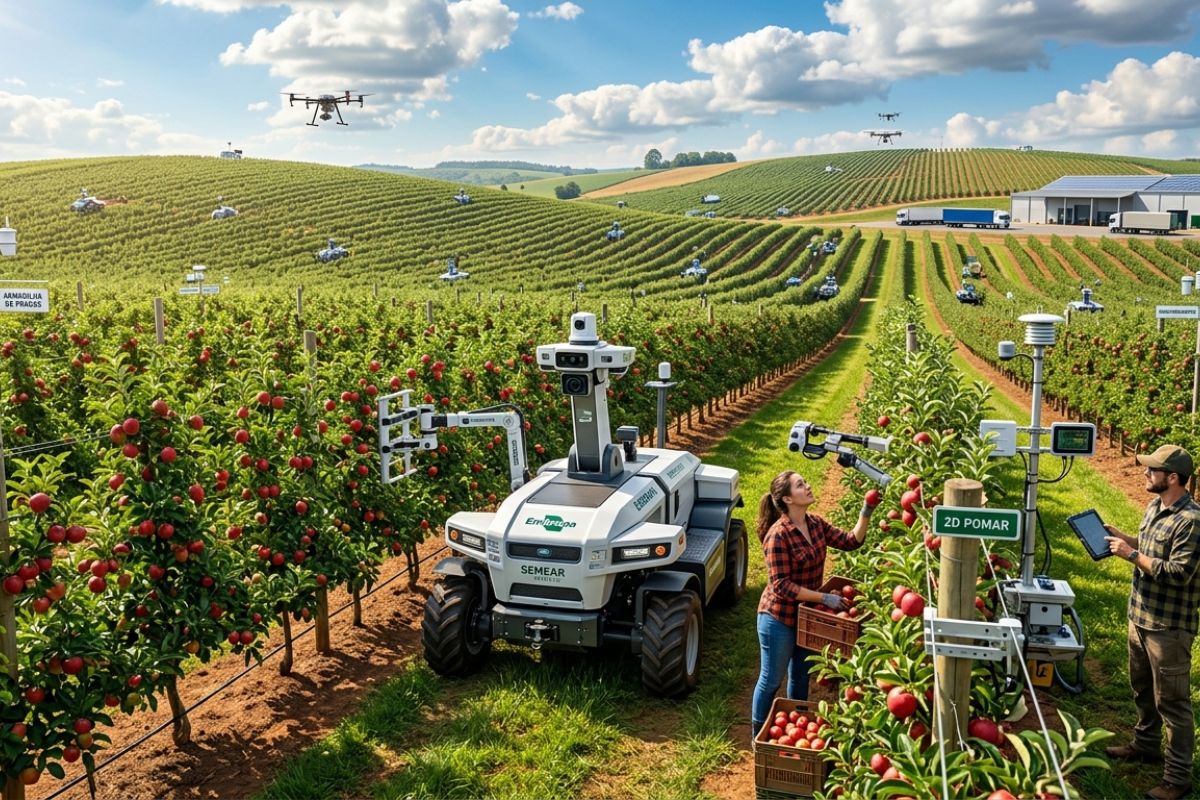
From manual harvesting to robotics: Vacaria, the apple capital, becomes an Embrapa laboratory in Semear Digital, with point-to-point mapping, pest traps, traceability, and 2D orchards to combat labor shortages.
Change of Course
Bonfá explains that, before the tariffs, around 7 to 8 million bags of coffee per year were destined for the U.S. Now, with the heavy tariffs, this volume needs to find other markets.
Therefore, the sector is seeking alternatives, such as triangulations via Canada and Mexico, which already have a trade tradition with Brazil and can receive processed coffee before it reaches the American consumer.
This reconfiguration, however, does not completely solve the pricing issue. The director of Faros notes that the raw material has already experienced an increase of nearly 50%.
This escalation is likely to be reflected in consumers’ pockets in the U.S., putting pressure on inflation. Nevertheless, consumption is not expected to decline.
Inelastic Product
The explanation lies in consumer behavior. Coffee is considered an inelastic product, meaning that even with rising prices, demand remains stable.
Additionally, the beverage is seen as essential, offering health and emotional well-being benefits, factors that sustain its presence on store shelves and in daily life.
Thus, even in a high-cost environment, the daily habit of coffee consumption continues to be resilient.
The stability of demand provides relief for producers and exporters, although the challenges lie in profitability and inventory management.
Coffee May Be Scarce
Bonfá advises caution to Brazilian producers. He emphasizes that it is crucial to manage harvested volumes well, ensuring that they last until the next harvest.
Many are capitalized and do not need to sell immediately. The best strategy is to make some sales when a favorable opportunity arises and preserve the rest.
Moreover, current calculations indicate a risk of coffee shortage until the next harvest. This possibility reinforces the need for planning.
“It is essential to be aware of the harvested volume and remember that it must last until the next harvest. Many producers are capitalized, which reduces the need for immediate sales. The ideal is to use common sense: if a good price opportunity arises, make some sales and ensure profitability. But it is important to be cautious because calculations indicate that coffee may be scarce until the next harvest“.
Even with new harvests from Vietnam and Colombia, expectations are that there will be no complete compensation for Brazilian losses, especially in arabica. Thus, analysts predict high prices until the next national harvest.
The information comes from the Canal Rural portal.








-

Uma pessoa reagiu a isso.