





 Portuguese
  English
  Spanish
  5 min of reading
  10 comments


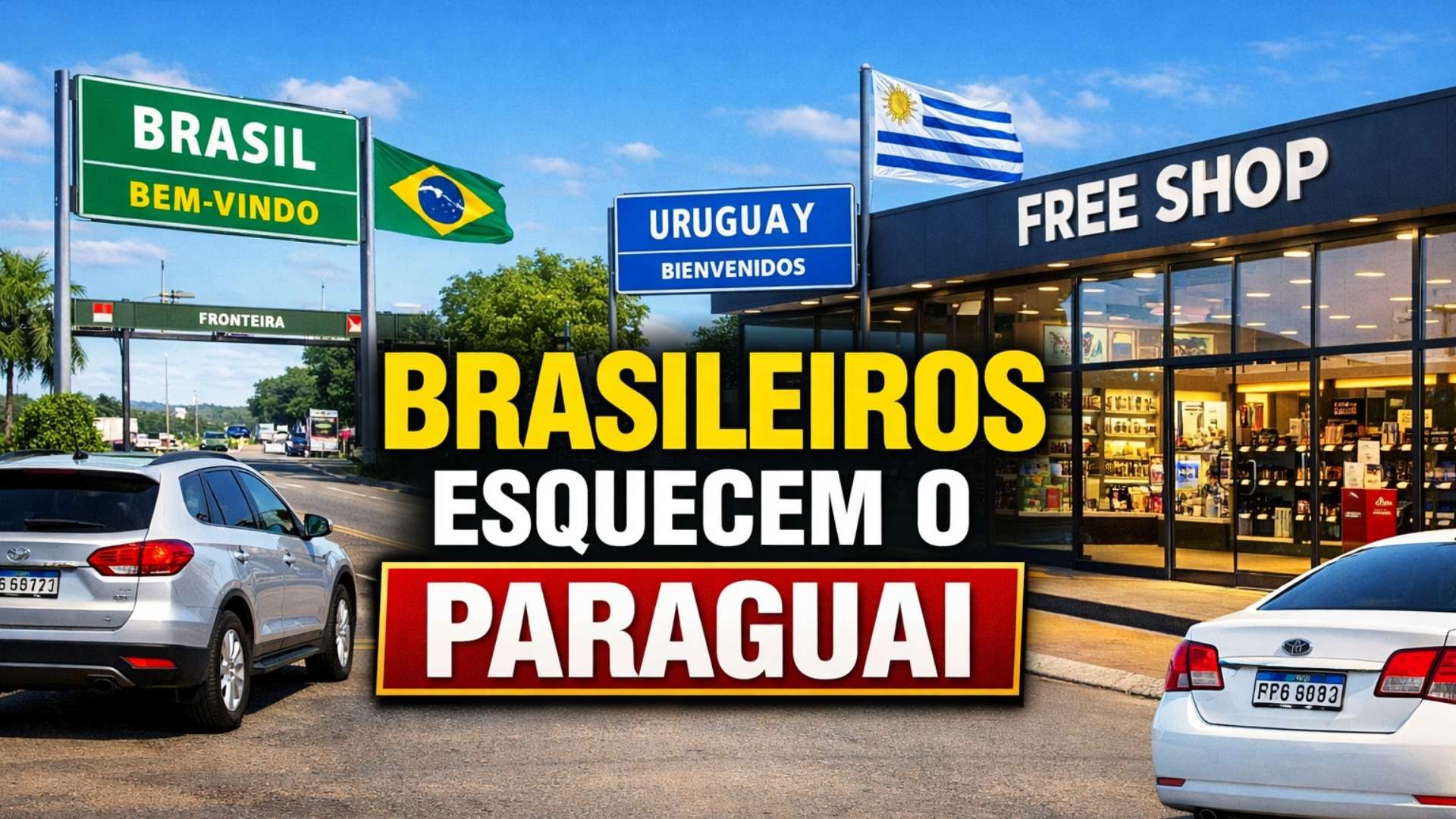


Southern Border Gains New Paths in Brazilian Shopping Tourism, with Uruguayan Cities Attracting Consumers Interested in Prices, Tax Rules, and Operations of Duty-Free Shops for Foreigners, in a Scenario That Expands Options Beyond Traditionally Sought Destinations.
The traditional route of Brazilians in search of electronics, perfumes, and clothing at lower prices, historically associated with Paraguay, has been undergoing changes in the southern region of the country.
In recent years, Uruguayan cities located on the border with Brazil, such as Rivera and Rio Branco, have seen an increase in consumer flow interested in shopping at duty-free shops aimed at foreigners, according to information released by local authorities and reports from the regional press.
This movement does not represent an automatic substitution of one destination for another, but indicates an expansion of options considered by consumers.
-
India announces a plan of $3.06 billion to bring aviation to forgotten regions: 100 new airports, $1.07 billion in subsidies, and regional routes guaranteed for 10 years, from 2026 to 2036, away from the centers.
-
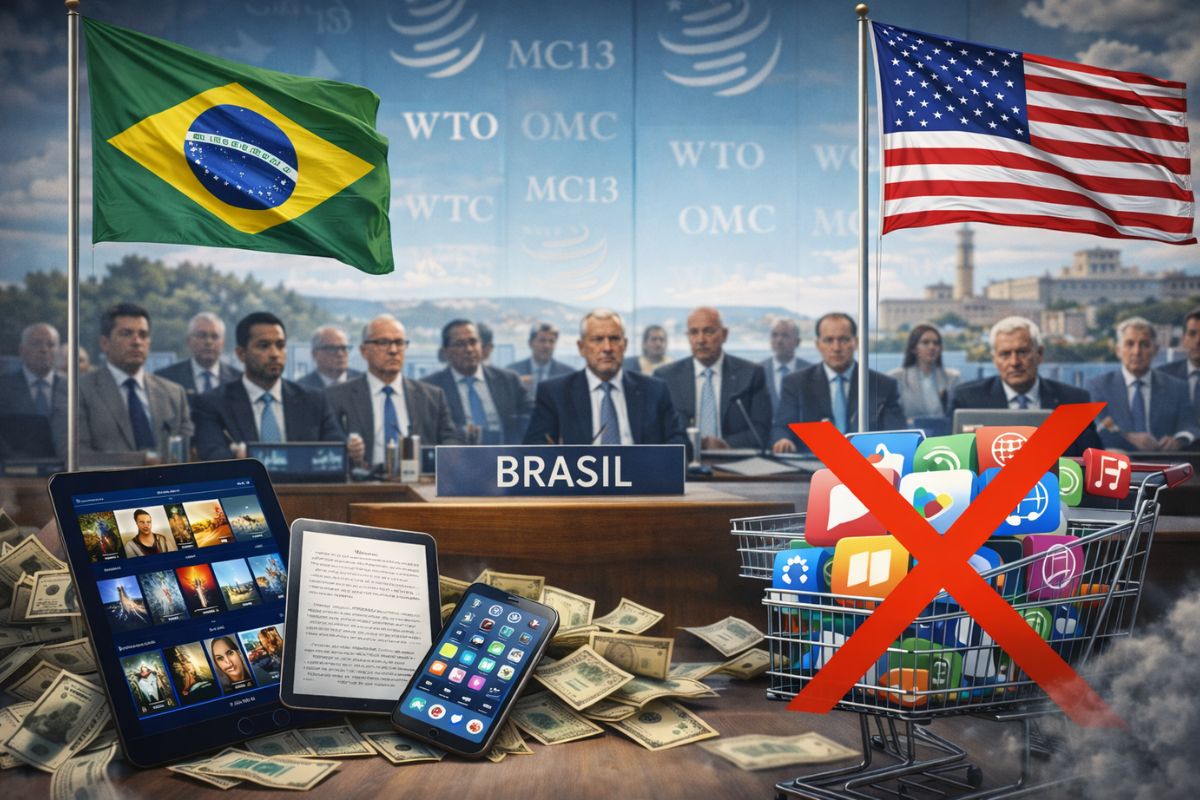
Brazil blocked a proposal from the United States at the WTO that would make the exemption from tariffs on digital products like streaming and ebooks permanent, favoring American tech giants at the expense of developing countries.
-
IPTU exemption for seniors in 2026: see how to secure the benefit.

-
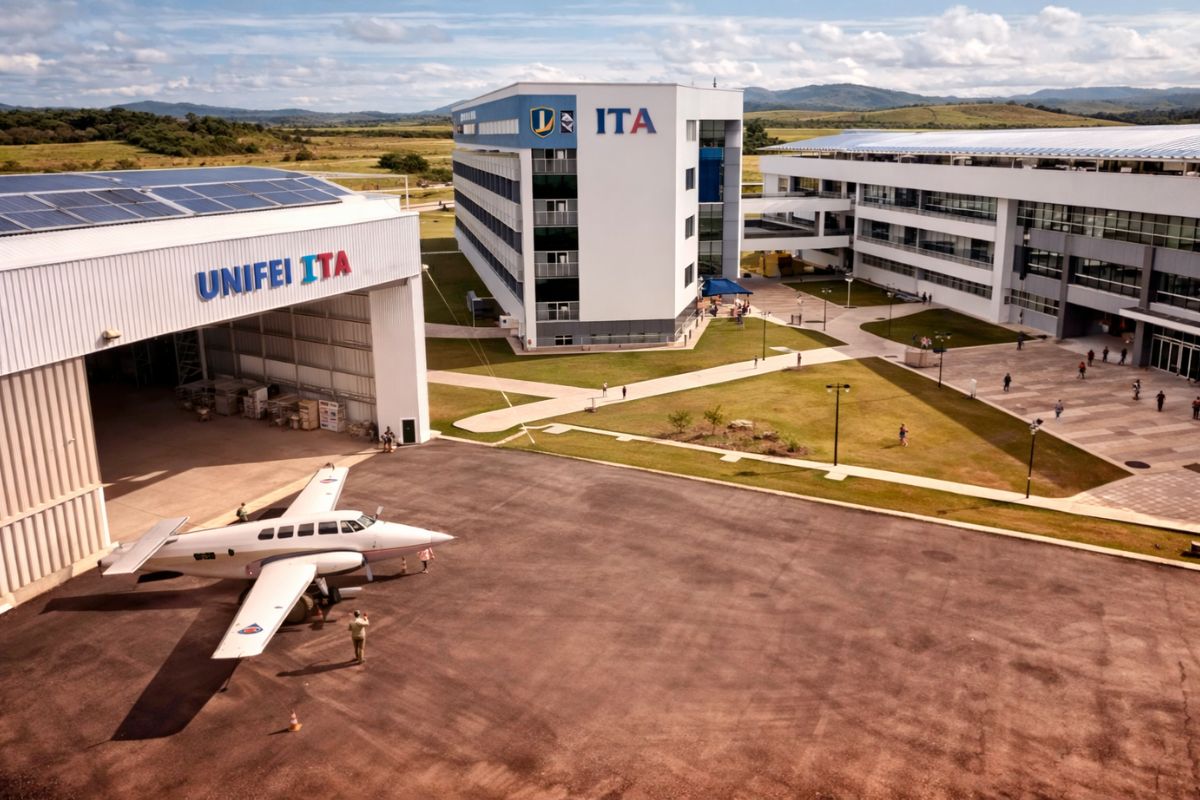
The institute that trained the greatest aerospace engineers in Brazil has just opened its first campus outside São Paulo after 75 years: ITA Ceará will have R$ 445 million, new courses in energy and systems, and classes are expected to start in 2027.

Brazilians who previously concentrated their purchases in a single country have begun to compare prices, rules, and conditions offered at different borders, taking into account logistical, tax, and commercial factors before deciding where to travel.
Shopping Tourism on the Uruguayan Border
Neighboring Santana do Livramento, in Rio Grande do Sul, Rivera is identified as the main shopping hub in Uruguay on the dry border with Brazil.
The city has a greater number of duty-free shops, offering a diverse range of products that includes everything from processed food items to appliances and electronics.

This variety allows consumers to compare prices and brands in a single trip, which helps explain the constant presence of Brazilians in the local trade.
Further south, on the border with Jaguarão, Rio Branco has a smaller structure but has also begun to attract Brazilian buyers.
Local merchants attribute this interest to price competitiveness during certain periods and geographic proximity, which facilitates quick trips, often made in a single day.
Although different in scale, both cities operate within the same sales model for foreign tourists adopted by Uruguay in border areas.
This format is regulated by the Uruguayan National Customs Directorate and provides specific conditions for the sale of goods intended for non-residents.
How Duty-Free Shops Work in Uruguay
The duty-free shops located in border cities in Uruguay operate under a specific regime that authorizes the sale of products to foreign tourists, including Brazilians, provided that criteria set out in customs regulations and national decrees are met.

The regulations specify who can purchase, what documents must be presented, and which types of goods can be sold under this regime.
In practice, the stores require identification from the buyer and record the sales according to procedures established by local authorities.
Experts in foreign trade explain that this control is necessary to maintain the fiscal framework of the model, preventing goods from being intended for domestic Uruguayan consumption outside the rules.
This legal aspect is one of the points noted by consumers evaluating purchases outside Brazil.
The fact that commerce operates within a specific regulatory framework is often cited by industry sources as a differentiator compared to informal markets, although the concrete conditions of each purchase depend on the chosen establishment.
Rules of the Federal Revenue upon Returning to Brazil
Besides the prices practiced in duty-free shops, the buying decision involves attention to Brazilian rules regarding the entry of goods purchased abroad.

The Federal Revenue establishes exemption limits for accompanied luggage of travelers returning to the country by land, river, or lake.
Currently, the exemption quota is up to US$ 500 per person, with additional quantity restrictions for certain products.
The legislation also stipulates that the use of this quota can only occur again after a minimum interval of 30 days.
Goods exceeding these limits are subject to taxation at the time of inspection.
Tax auditors interviewed in reports on the subject often highlight that the control is individual and that the traveler should carry proof of purchase.
Failure to comply with the rules can result in fines and retention of products, underscoring the importance of planning before the trip.
Most Sought Products and Consumer Profile
Perfumes, cosmetics, alcoholic beverages, and electronics rank among the most sought items by Brazilians in duty-free shops on the Uruguayan border, according to local merchants and associations.
These categories concentrate significant interest due to the considerable price variation between countries, influenced by different taxes and trade policies.

Consumption and tourism researchers indicate that, in addition to the final price, many buyers consider aspects such as brand availability, customer service, and store organization.
These factors, according to industry analyses, can influence the choice of destination, especially for those traveling with family or preferring shorter trips.
The proximity between Brazilian and Uruguayan cities also weighs in the decision.
The ability to cross the border and return the same day reduces expenses on accommodation and food, altering the final cost calculation of the trip.
During peak times, such as extended holidays, this flow tends to intensify, directly impacting local commerce.
At the same time, experts remind that the scenario is dynamic and depends on variables such as exchange rates, inspections, and product availability.
With clear rules, defined limits, and variable prices, which border will concentrate Brazilian preferences in the coming months?





Reportagem 10 anos atrasada. Agora os free shops são no Brasil, compras em reais até 12x no cartão de crédito.
No Paraguay existem os falsificados, mas tb os originais. Boas importadoras que garantem a originalidade dos produtos.
O Paraguai só vende produtos falsificados. Não voltarei lá!
O Uruguai é uma boa opção: mais perto do Rio Grande do Sul, bons produtos e preços. Já estive lá algumas vezes e saí satisfeito. Recomendo!