





 Portuguese
  English
  Spanish
  4 min of reading
  10 comments


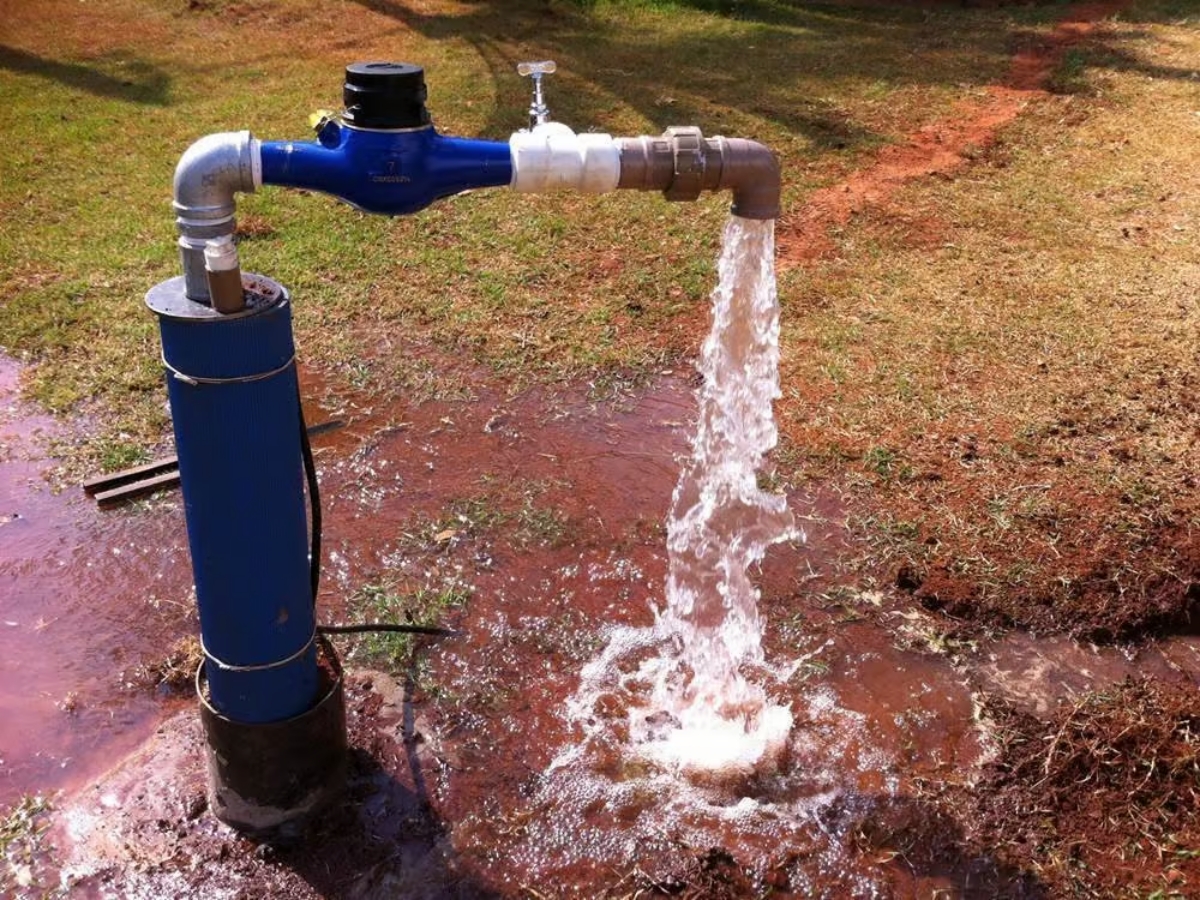


Discover The Biggest Myths About Artesian Wells, Aquifers, Water Table, Water Quality, And Maintenance. A Complete, Updated, And Technical Guide To Avoid Costly Mistakes When Drilling Your Well.
Mistake That Can Be Costly For Your Well! When It Comes To Artesian Wells, Many People Still Make Decisions Based On “Neighbor’s Advice,” Old Beliefs, Or Assumptions Passed Down Through Generations. The Problem Is That Drilling A Well Is Not Trial And Error.
A Poorly Planned Borehole Can Result In Loss, Bad Water, Or Even A Dry Well. In This Article, You Will Clearly And Directly Understand What Really Matters In Well Construction, What The Most Dangerous Myths Are, And How Geology, Aquifers, And Technical Standards Make All The Difference For The Success Of Your Investment.
Myth 1: Any Terrain Has Water, Just Drill
This Is One Of The Most Common And Most Wrong Ideas About Groundwater.
-
With 55 floors, 177 meters in height, a 15-meter walkway between the twin towers, ventilated facade, and 6,300 m² of leisure space, Ápice Towers already has one tower completed and another nearly at the top.

-
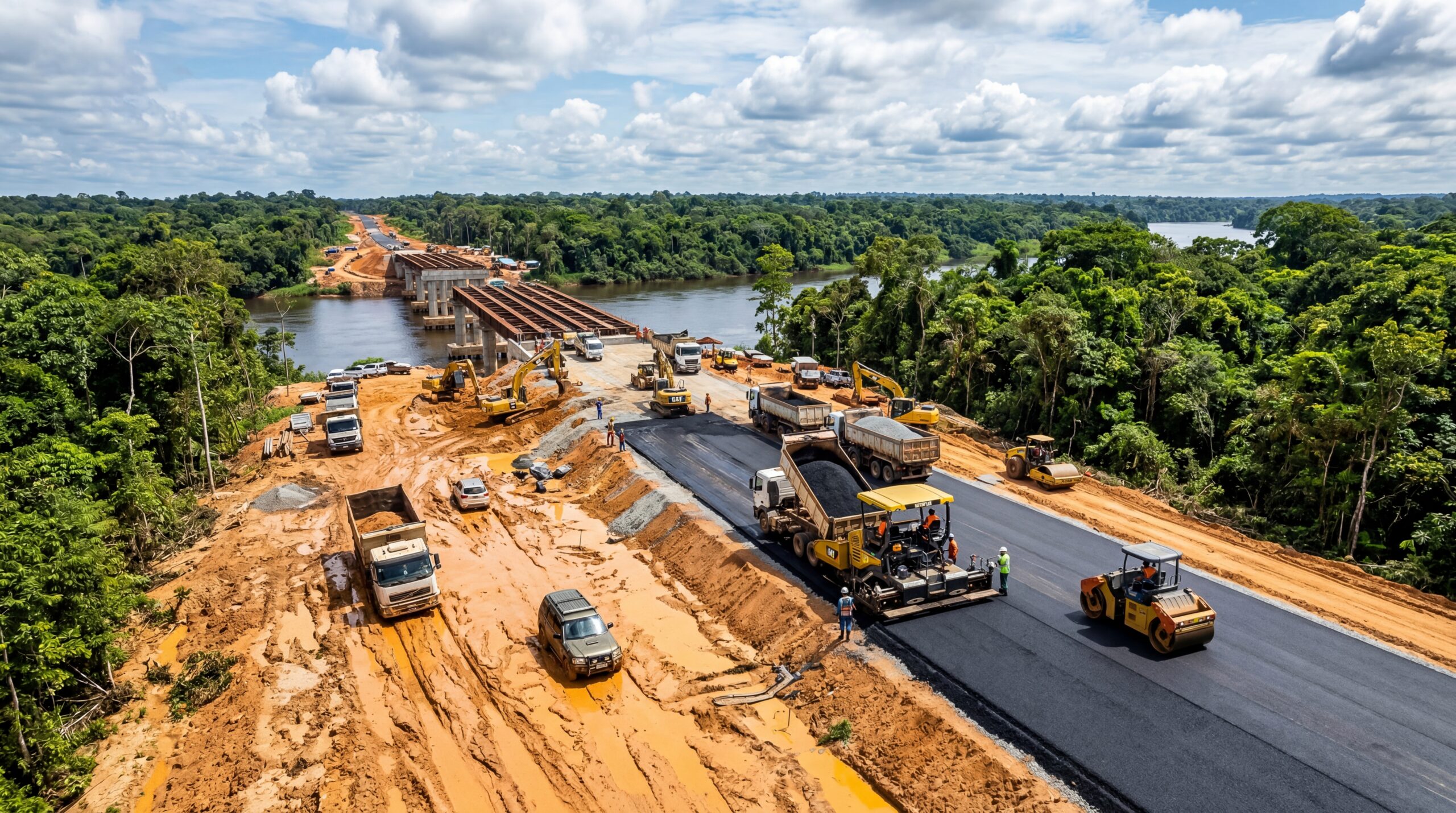
After nearly 50 years of neglect, BR-319 receives R$ 678 million to pave 340 km, gain a 320-meter bridge, and try to lift Amazonas out of the mud, the quagmire, and road isolation.
-
In Sweden, a 51-meter tower was built almost entirely of wood, without a concrete structural core and with solar panels integrated into the facade, using CLT and laminated beams to challenge the dominance of steel and concrete in modern buildings.

-
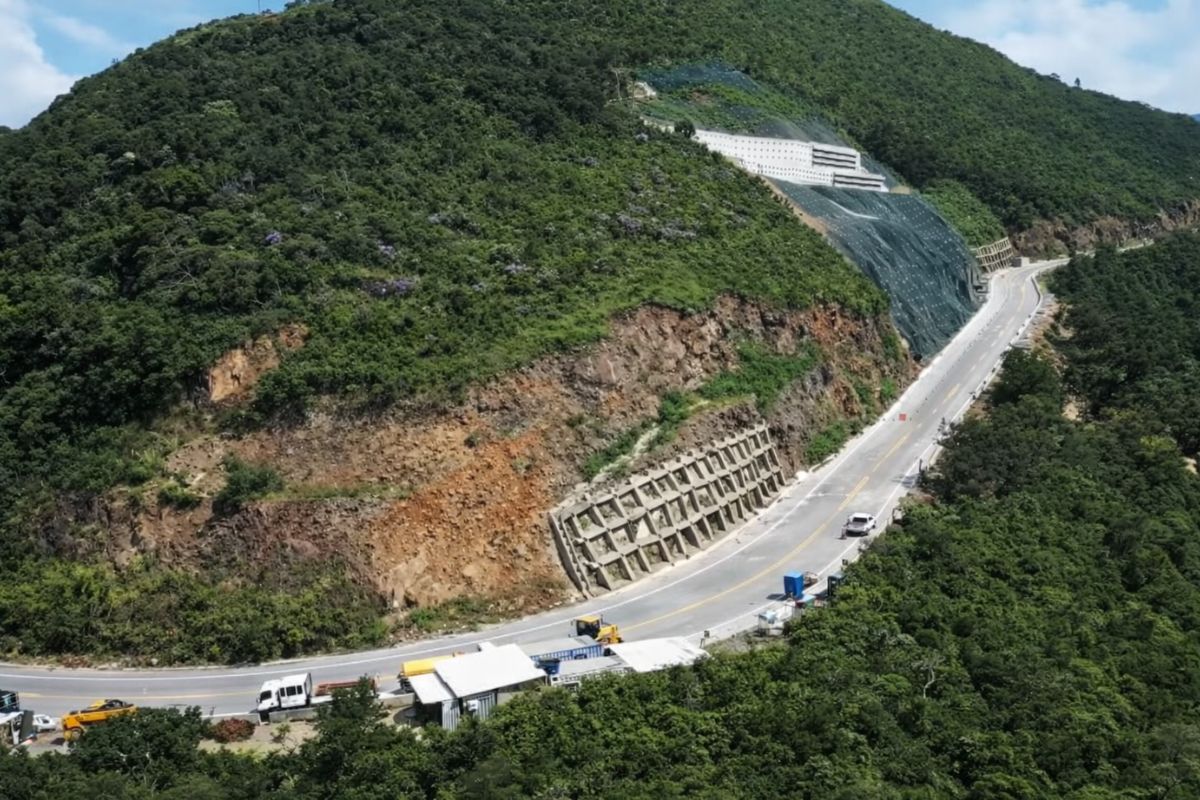
The section of Serra da Rocinha on BR-285 is now open in Timbé do Sul: 50 m tensioned curtains and top-down technique stabilize the slope, with a stairway duct controlling the water.
Many People Believe That It Is Enough To Reach The Water Table To Ensure A Productive Well. This May Work In Sedimentary Aquifers, Where Water Occupies The Pores Of The Rock, Forming A Kind Of “Natural Sponge.”
But This Is Not The Reality In Most Parts Of Brazil.
According To The Geological Service Of Brazil (CPRM), A Large Part Of Brazilian Territory Is Over Fractured Aquifers, Where Water Exists Only Within Fractures Of The Rock — And Not Continuously. If There Is No Saturated Fracture At That Point, There Is No Water, Simple As That.
In Other Words, Not Every Terrain Has Potential. There Are Areas Of:
- High Potential,
- Medium Risk,
- And Locations Where The Risk Of Losing The Investment Is High.
This Is Why Geological And Geophysical Studies Are So Important Before Drilling.
Myth 2: Artesian Wells Never Run Dry
Every Aquifer Has Limits. There Is No Infinite Reservoir Of Water.
Recharge Of Groundwater Mainly Occurs Through Rain. When Withdrawal Exceeds Recharge, Flow Declines And Can Temporarily Dry Up Or Run Dry For Good.
The National Water Agency (ANA) Warns That Uncontrolled Use Of Wells Can Lead To Drops In The Piezometric Level And Reduced Water Availability.
A Simple Comparison: The Aquifer Works Like A Bank Account. If You Withdraw More Than You Deposit, Eventually The Balance Will Run Out.
Myth 3: The Deeper, The Better The Well
This Idea Leads Many People To Spend Money Without Return.
The Ideal Depth Of An Artesian Well Depends On The Type Of Rock And The Geological Structure. In Many Cases, The Productive Fractures Are Shallow. Deeper Drilling Does Not Guarantee More Water — And Sometimes Only Encounter Dry Rock.
In Little Deformed Granites, For Example, Fractures Tend To Be Superficial. In Cave Aquifers (Limestone) Or Sedimentary, There May Be More Than One Aquifer Level, Increasing The Chance Of Water At Greater Depths.
Without Technical Study, Deepening The Well Becomes A Gamble.
Myth 4: Artesian Wells Don’t Need Maintenance
They Do Need Maintenance, And A Lot. The Cleaning Of Artesian Wells Is Essential To Maintain:
- Flow,
- Water Quality,
- And Lifespan Of The Pump.
Over Time, The Following Can Accumulate:
- Sediments,
- Iron,
- Bacteria,
- Biofilm.
According To Sanitation Experts, Lack Of Maintenance Can Compromise Even The Microbiological Quality Of Well Water.
Ignoring This Can Result In A Burned Pump, Cloudy Water, And Health Risks.
Myth 5: Water From Wells Is Always Pure
Not Always. The Quality Of Water Depends On Geology, Land Use, And Correct Well Construction. Contamination Can Occur From:
- Fertilizers,
- Septic Tanks,
- Fuel Stations,
- Agricultural Activities.
That Is Why Brazilian Standards Recommend:
- Proper Coating,
- Isolation Of The Surface Part,
- Periodic Chemical Analysis.
The ABNT, Through The NBR 12244, Defines Technical Criteria For The Safe Construction Of Tubular Wells.
Myth 6: If My Neighbor Has Water, I Will Have It In My Artesian Well Too
Geology Is Not Homogeneous. Even In Nearby Areas, Conditions Change:
- Thickness Of The Layers,
- Position Of The Fractures,
- Level Of Saturation.
You May Be Just A Few Meters From Your Neighbor’s Well And Not Share The Same Structure. Furthermore, Very Close Wells Can Interfere With Each Other, Reducing Flow.
Planning Prevents Conflicts And Losses.
Myth 7: Geological And Geophysical Studies Are Useless When Drilling Artesian Wells
They Are Very Useful. The Study Does Not Eliminate Risk, But Drastically Reduces It. It Helps Identify:
- Type Of Aquifer,
- Probable Depth Of Water,
- Best Point For Drilling,
- Expected Flow And Quality.
As A Client Said To Geologist Leonardo (Author Of The Original Content):
“Drilling A Well Is A Shot In The Dark. The Study Does Not Guarantee Success, But It Brings The Flashlight.”
Geophysics Works As An X-Ray Of The Subsoil, Allowing You To See What The Eyes Cannot See — Just Like In Medicine.
Information Is The Best Investment! When You Understand Aquifers, Water Table, Technical Standards, And The Importance Of Maintenance, You Start Making Smart Decisions. Drilling A Well Is Not Luck — It Is Applied Knowledge.

Call To Action: Have You Ever Experienced Any Of These Situations When Drilling An Artesian Well? Leave Your Comment Below, Share This Article With Anyone Thinking Of Drilling A Well, And Help More People Avoid Costly Mistakes.






O pior parceiro para o trabalhador, pai de família é o Governo .
Só quer tirar do trabalhador o pouco q ganha com esse salário de miséria .
Depois me vem com essa conversa de q fazer o poço artesiano é proibido.a região
Na minha região todos praticamente tem poço .
Aí de nós se não fosse os benditos poços!
Se realmente nossos impostos fossem justos talvez não tinhamos os jeitinho brasileiro, é um absurdo uma água ou luz virar um vilão de quase 90% de imposto somando prefeitura e governo, cada um quer fatia do bolo e no final quem se **** é o trabalhador que mal consegue sustentar sua família. Um verdadeiro assalto sem arma.
Como sempre está mídia comprada pelo poder público quer colocar medo no povinho e obrigar a pagar taxa por um serviço caro e ineficiente.